



Exploring 'Human Value' in Real Estate Brokerage During the AI Era
Embracing the Future: The Role of Human Brokers in the AI Era
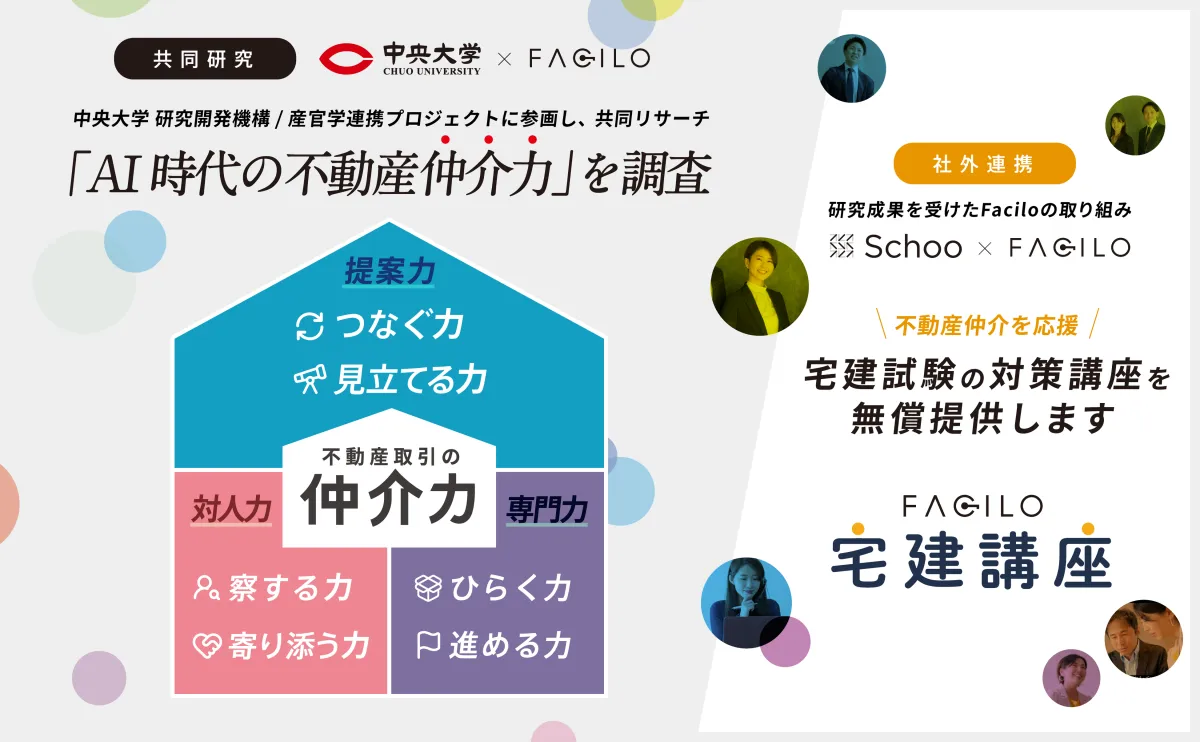
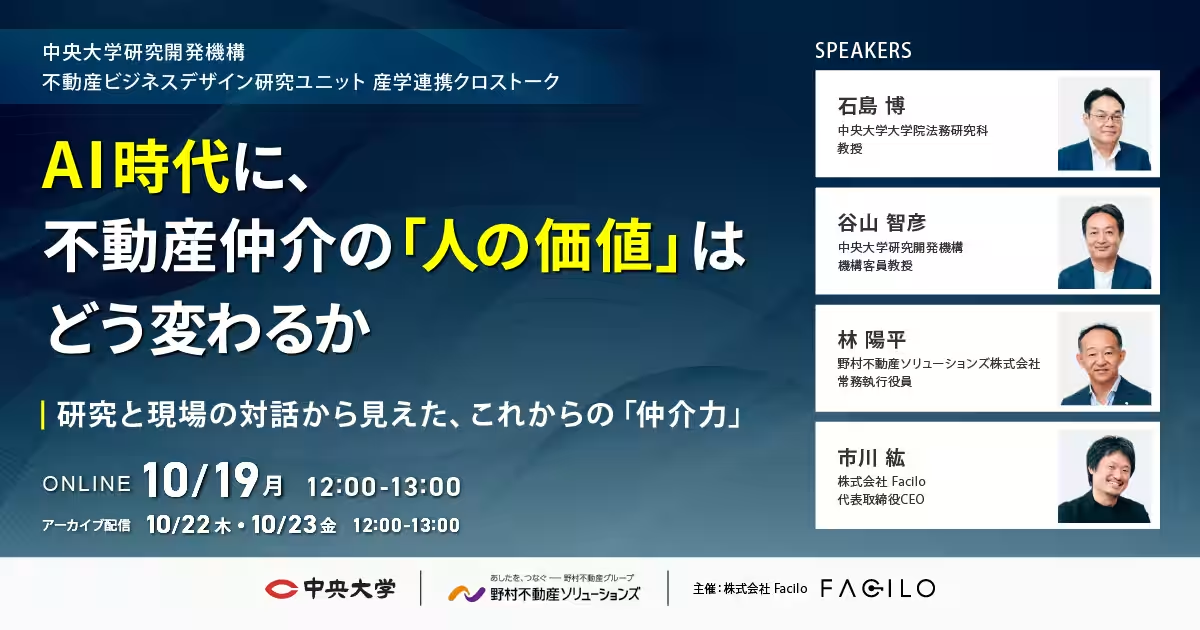
In a groundbreaking initiative, Facilo, a Tokyo-based startup dedicated to enhancing digital transformations within the real estate sector, has teamed up with Chuo University's Research and Development Institute to delve into a critical aspect of modern brokerage: the effectiveness of human agents in an age dominated by artificial intelligence (AI).
Since its inception in 2021, Facilo has sought to revolutionize the real estate experience, promoting smoother transitions and enhanced customer satisfaction through AI-driven solutions. This collaboration with Chuo University focuses on identifying the unique advantages that human brokers bring to real estate transactions, thereby ensuring that personal interactions remain vital even as technology continues to advance.
The Significance of 'Human Value'
As real estate transactions increasingly integrate AI for tasks such as property searches, administrative efficiencies, and customer interaction, it is essential to recognize that certain complex aspects—like price negotiations and establishing trust—still require a human touch. However, an exploration into how well these crucial qualifications are articulated and measured within the Japanese context has been relatively sparse.
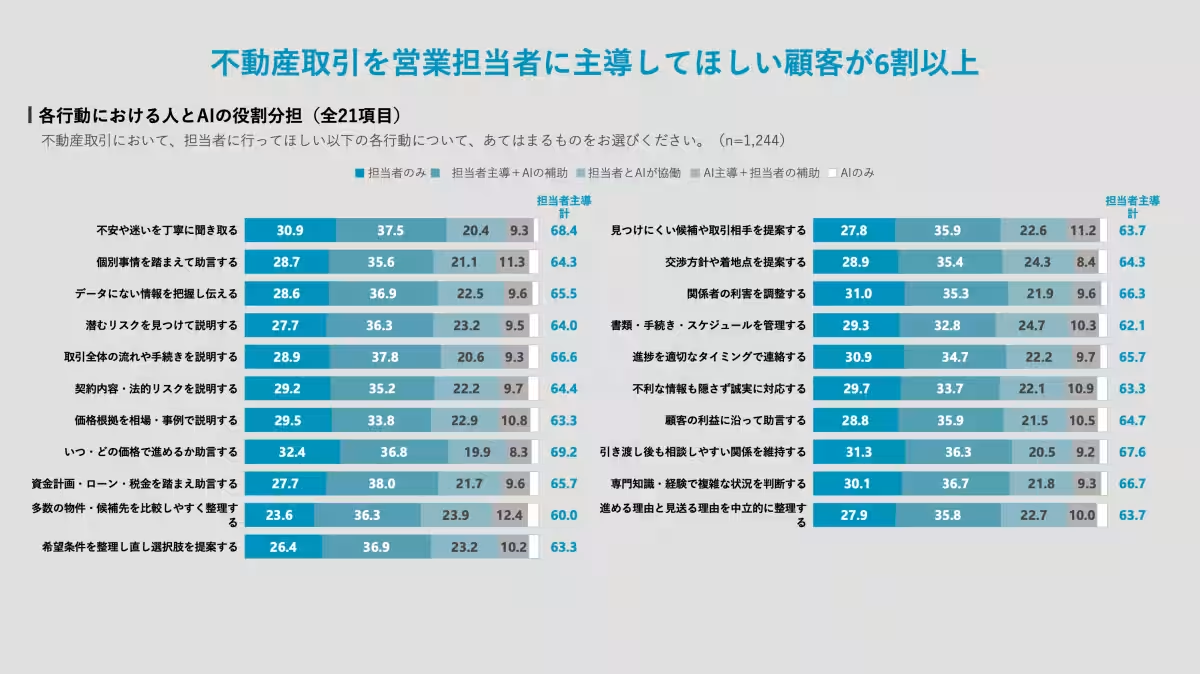
The recent study reviewed existing research centered on AI in the real estate industry, primarily focusing on a survey conducted among 1,244 individuals who successfully executed property transactions within the past five years. This inquiry positioned various facets of brokerage alongside the growing prevalence of AI tools. The results confirmed that while AI serves as a supplemental resource, expectations for human involvement in significant decision-making processes remain high, highlighting a sustained reliance on the expertise of real estate professionals.
Findings from the Study
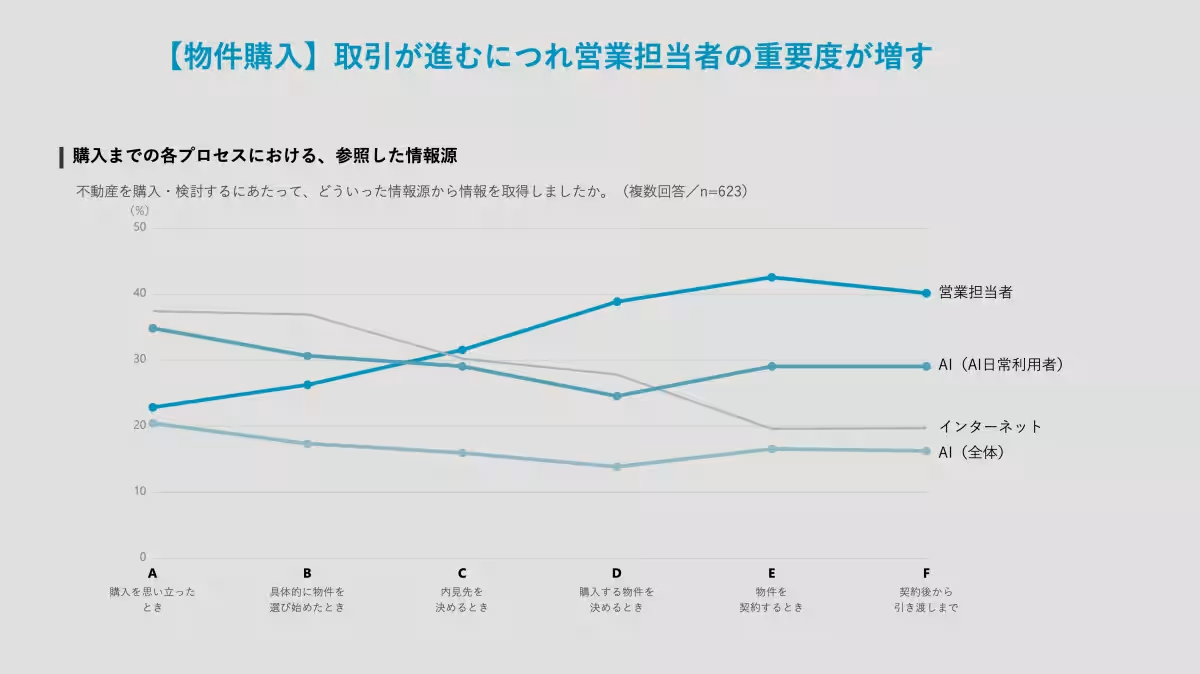
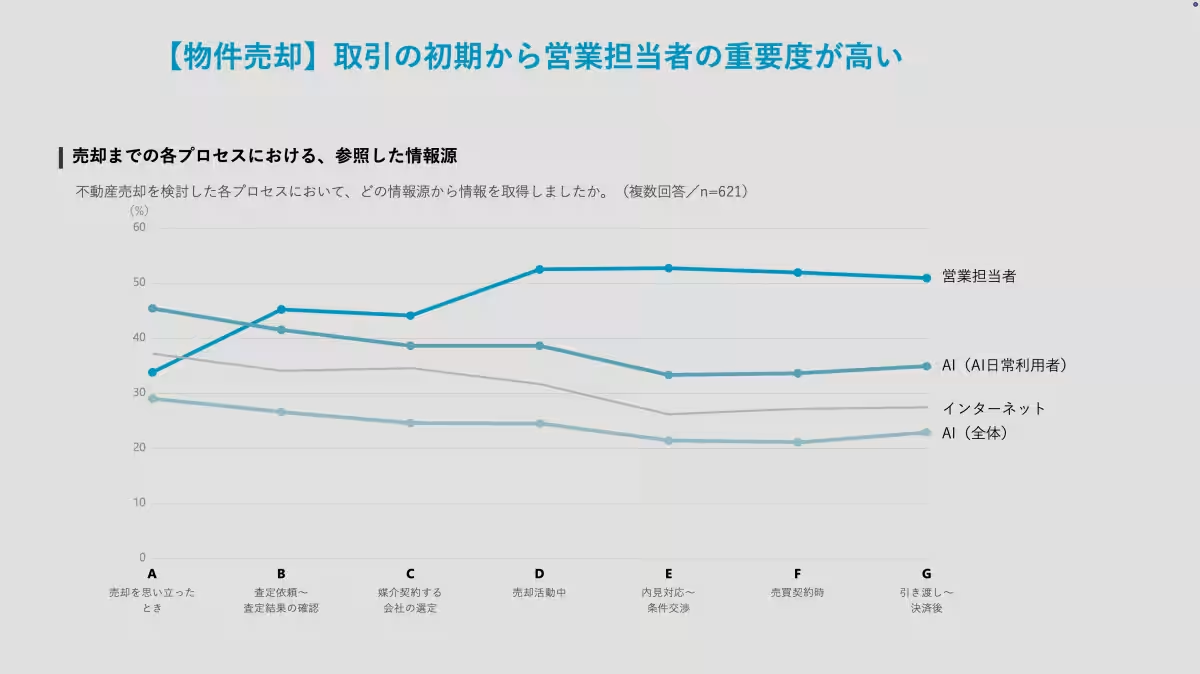
Notably, the study uncovered that the importance of real estate agents escalates through various stages of transactions. As progression continues in property purchasing, the agent’s influence surges, while in the context of selling, their role remains central right from the start. Surprisingly, though AI was frequently cited as a beneficial tool, it has emerged mostly as a secondary information source. Users who engage with AI regularly suggested that they value it highly, revealing its growing relevance in helping make decisions.
Using insights from existing studies, the researchers developed empirical hypotheses regarding six specific competencies that human brokers need to cultivate, categorizing them into 21 distinct actionable behaviors. The results indicated that for over 60% of each behavior examined, clients upheld a preference for human-led initiatives.
Defining Market Value
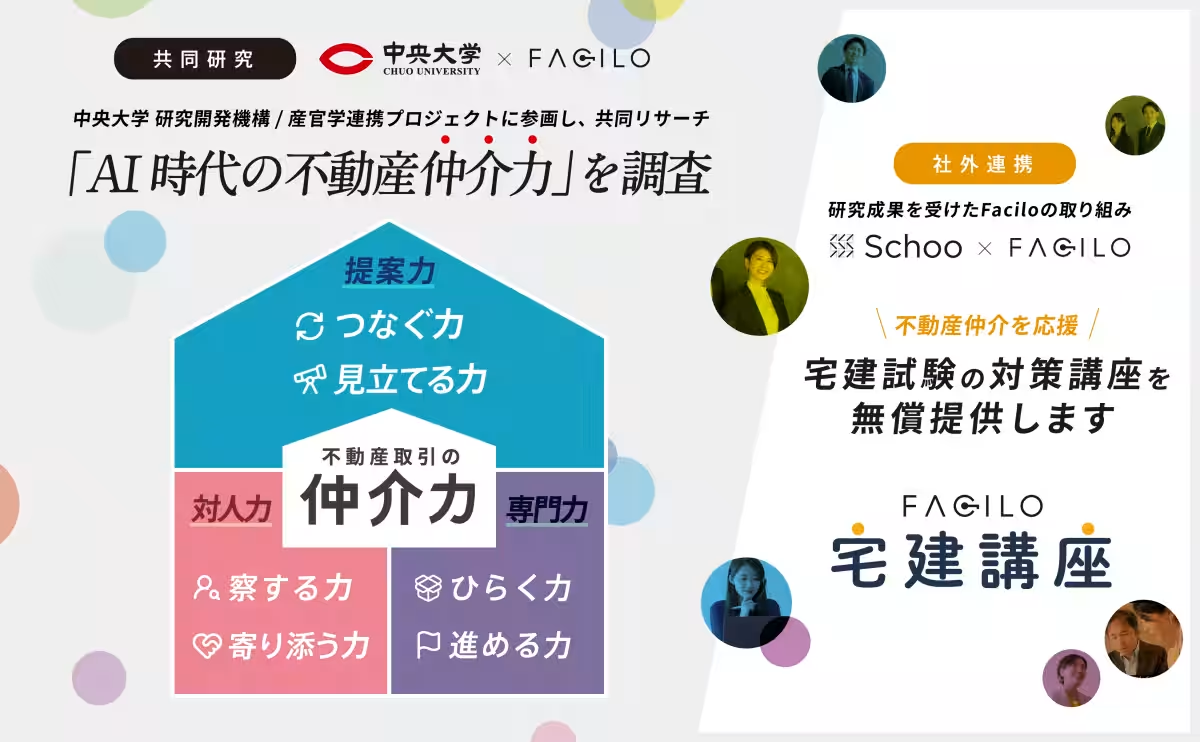
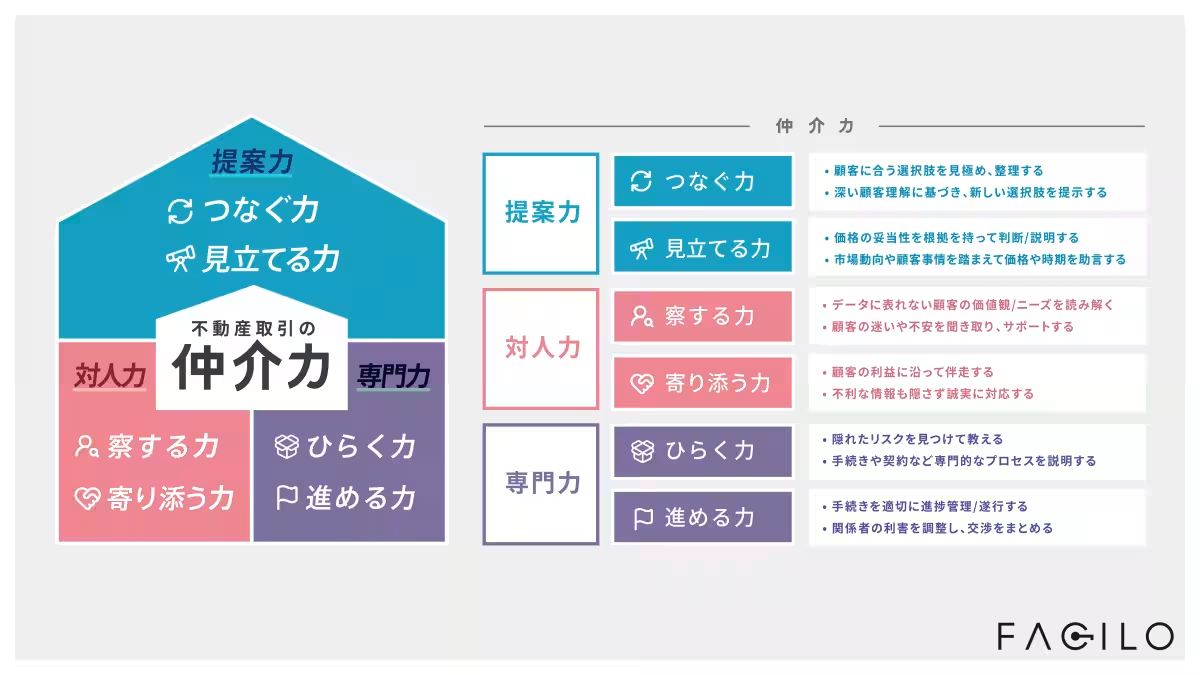
This research encapsulates 'human value' in brokerage as 'brokerage capability', conceptually divided into three core components: interpersonal skills, professional knowledge, and proposal generation.
1. Interpersonal Skills: This involves the ability to comprehend client values, needs, and emotions, fostering bonds of trust through active engagement.
2. Professional Knowledge: This facet emphasizes a broker's ability to communicate complex information clearly, identifying hidden risks significant to customers while guiding them through the intricacies of real estate frameworks.
3. Proposal Generation: This includes synthesizing both interpersonal and expert knowledge to present tailored options to clients intelligently and insightfully.
The study suggests that enhancing these areas will not only fortify the effectiveness of human agents in the AI era but also significantly enrich client experiences, proving that the value of human brokers cannot be understated in a technology-aligned world.
The Future of Brokerage Education
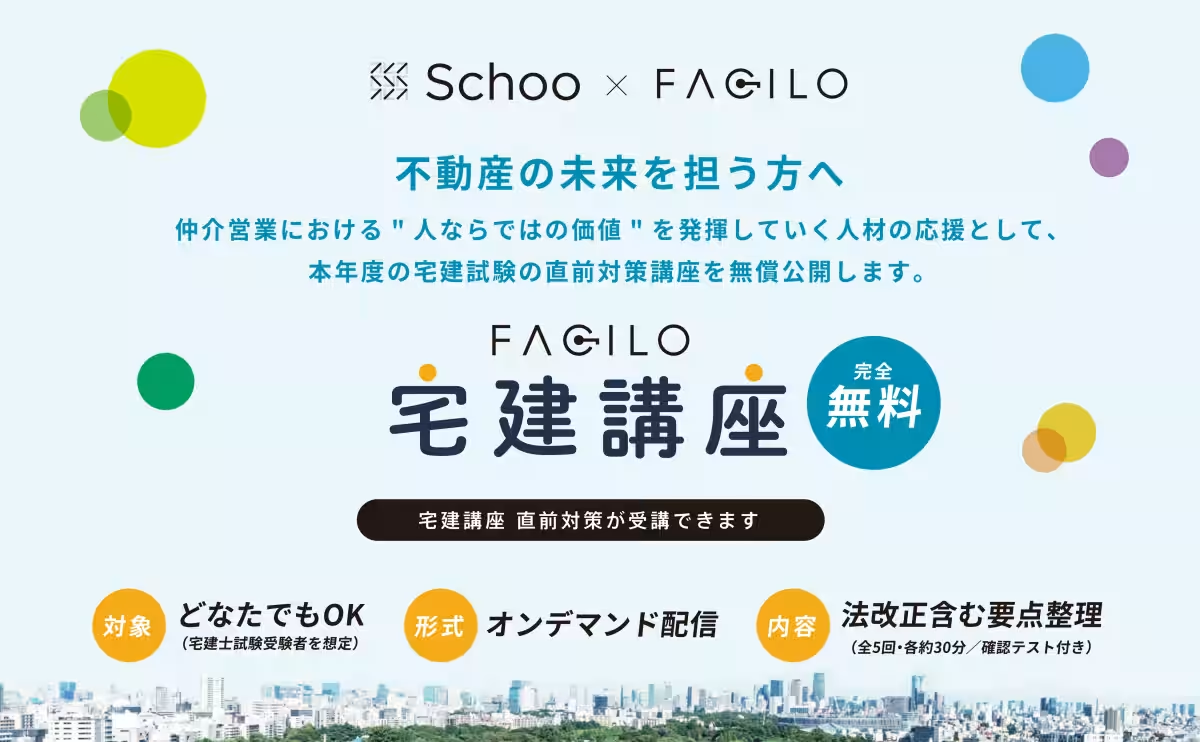
In line with these findings, Facilo has launched an initiative in collaboration with Schoo, an educational platform, offering free preparatory courses for the upcoming Real Estate Transaction Specialist exam in October 2026. This initiative targets prospective brokers while assisting them to hone the essential skills highlighted by the research. The course will be led by seasoned educators in real estate, focusing on the recent legal reforms and critical exam topics, aiming to streamline the study process for candidates.
Broader Implications and Next Steps
This collaborative project marks a significant step towards nurturing future talents within the real estate sector. Together with ongoing research endeavors with Chuo University, Facilo plans to produce comprehensive training programs catering to aspiring brokers, bridging the gap between academic insights and practical application. These efforts are focused on confronting key challenges such as talent shortages and the evolving demands of an AI-driven landscape.
Through this approach, Facilo aspires to redefine the landscape of real estate brokerage, illustrating that while AI may enhance efficiency, it is the human touch that ultimately fosters genuine connections necessary for successful transactions. As the industry undergoes this transformation, understanding 'human value' will be the cornerstone of its advancement, ensuring that brokers continue to play a crucial role while adapting to the technological tide.
This study and subsequent educational initiatives serve as crucial catalysts, inviting industry stakeholders to engage in rethinking and redefining their approach toward real estate exchange in a digital age. The implications extend beyond mere academic interest, signaling a pivotal shift in how brokerage schools and professionals prepare for the future in this increasingly interconnected world.





Topics Other)









【About Using Articles】
You can freely use the title and article content by linking to the page where the article is posted.
※ Images cannot be used.
【About Links】
Links are free to use.