



The Challenges of Exercising in Modern Life: A Study on Public Attitudes
The Challenges of Exercising in Modern Life: A Study on Public Attitudes
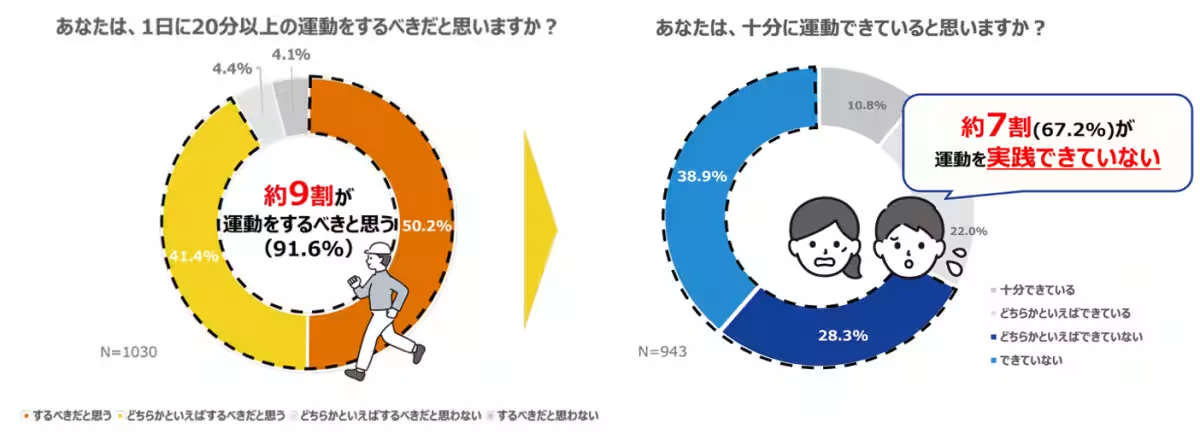
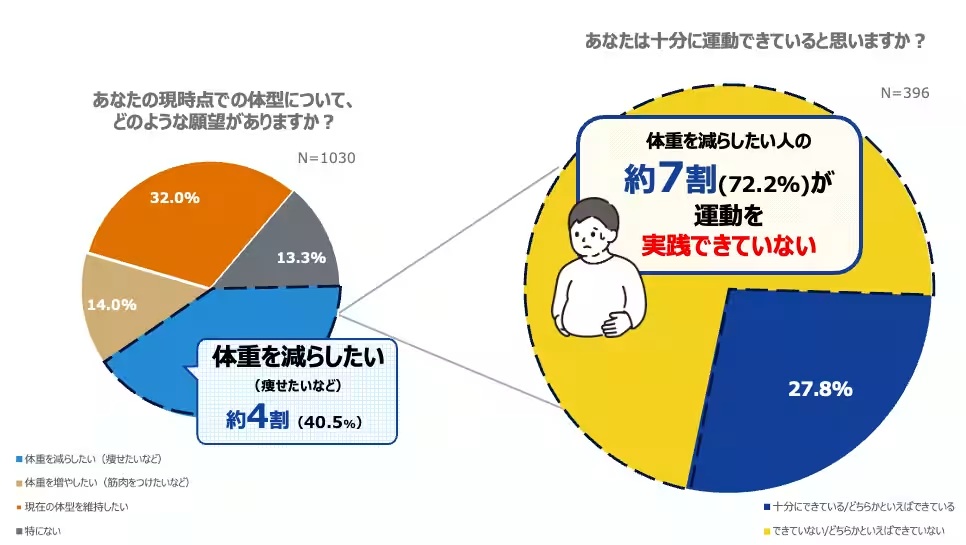
In today's fast-paced society, a recent study commissioned by Ezaki Glico highlighted a significant disparity between public perceptions of exercise and the reality of their physical activity levels. Conducted with over 1,000 individuals aged 20 to 69, the survey revealed that approximately 90% acknowledge the importance of exercising for at least 20 minutes a day. However, a staggering 70% admitted they do not actually engage in regular physical activity. This paradox illustrates a common struggle many face — recognizing the benefits of exercise but failing to put that knowledge into practice.
Survey Insights: The Exercise Dilemma
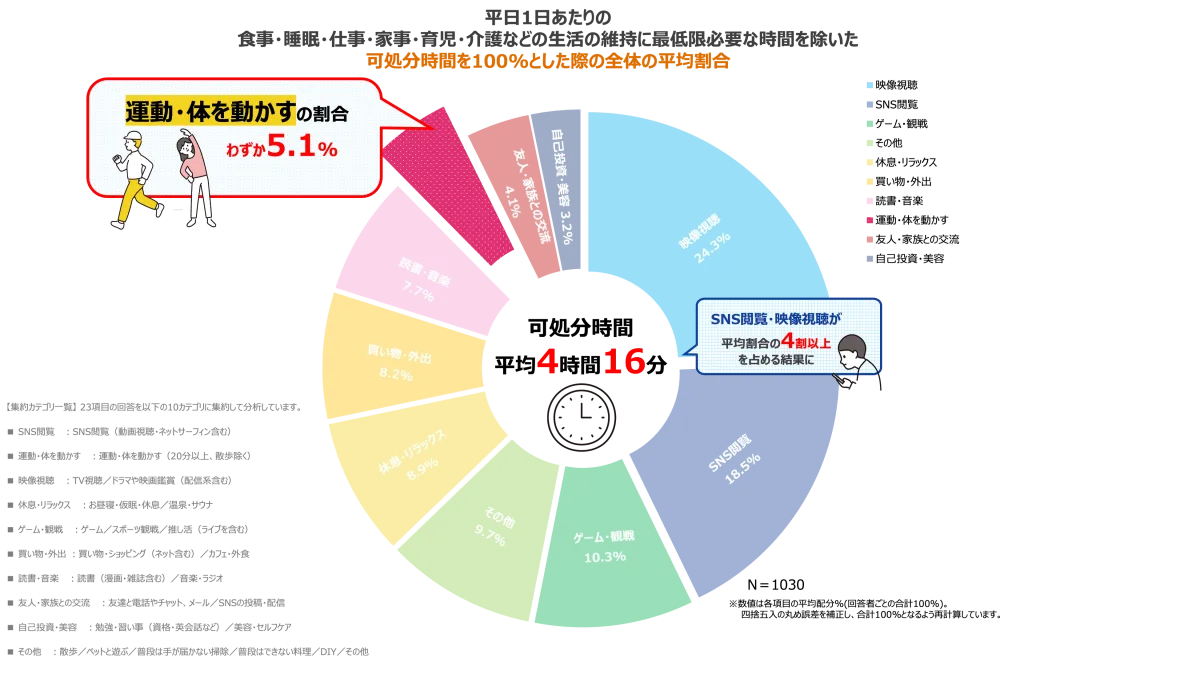
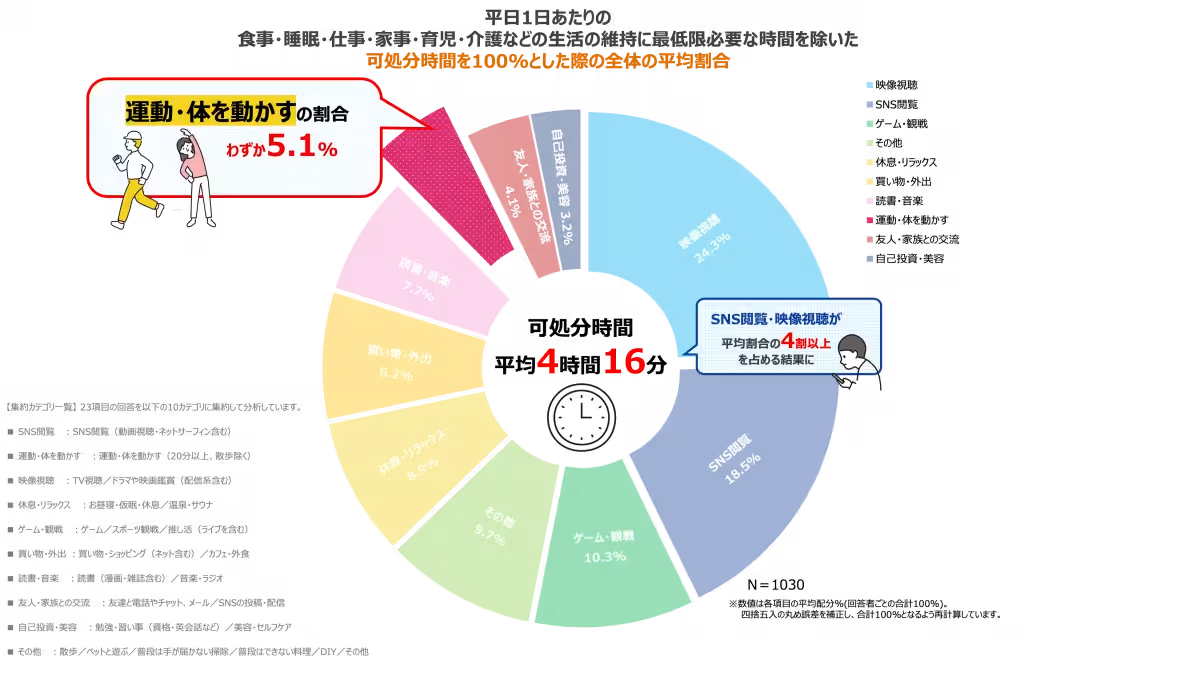
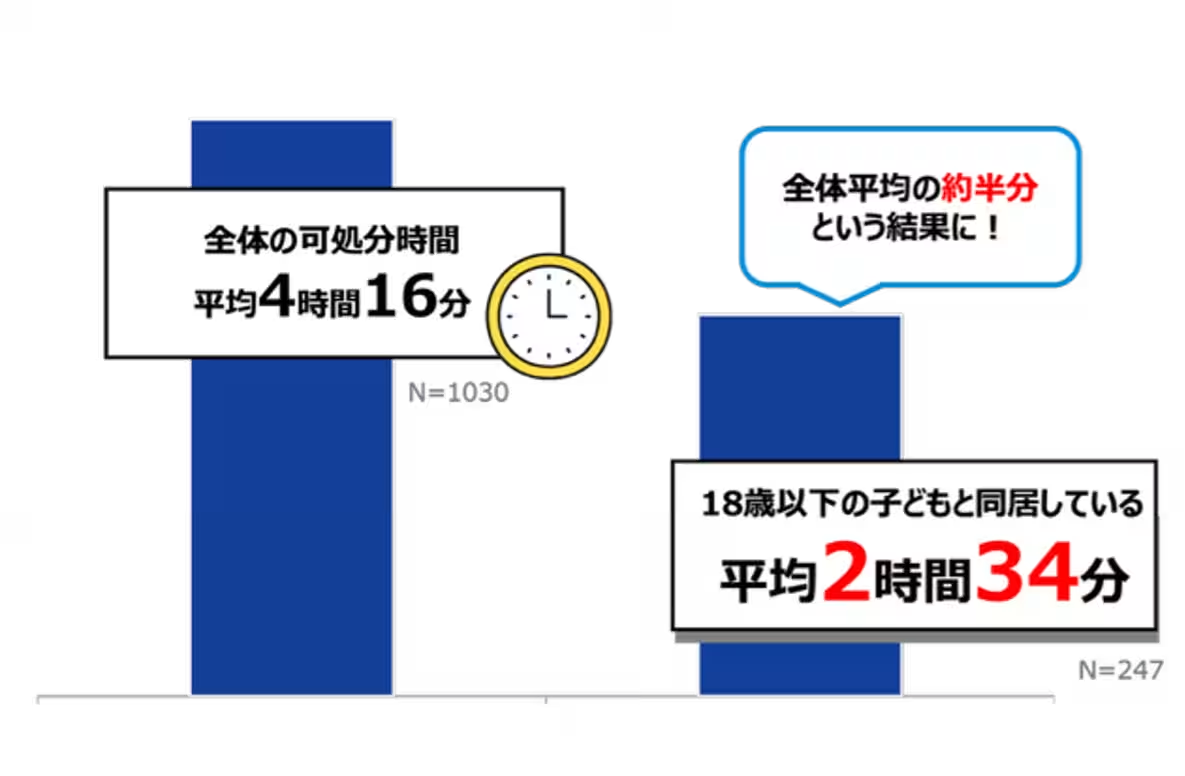
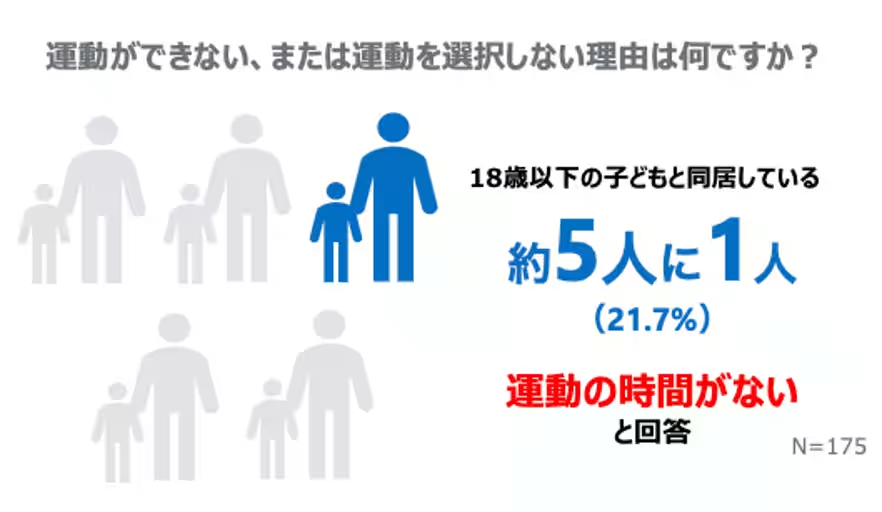
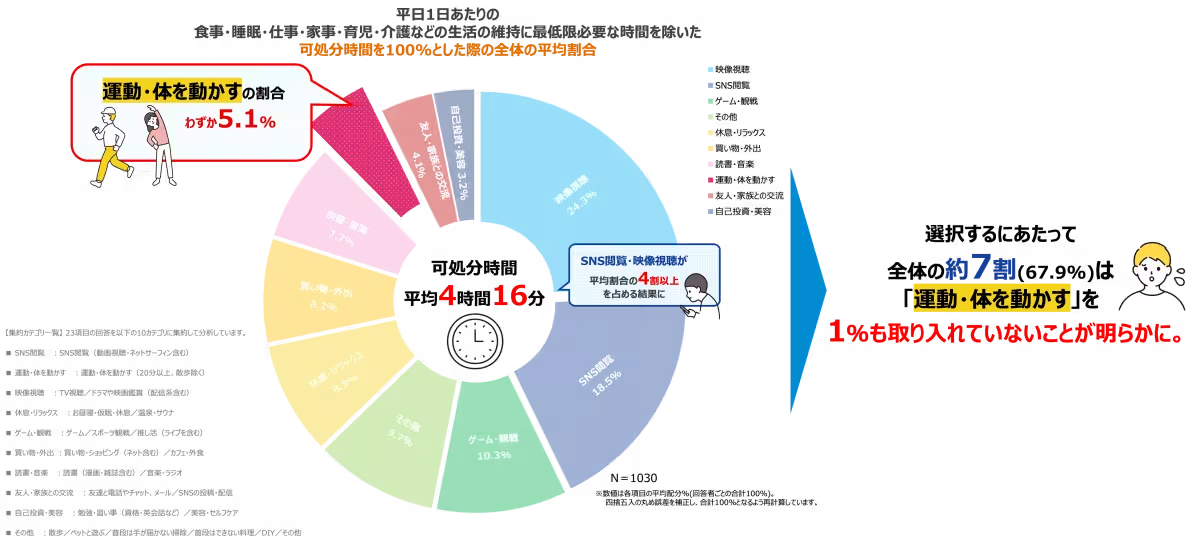
The study indicates that, on average, individuals allocate only 5.1% of their available free time during weekdays to physical exercise. This figure reflects a broader issue: as modern life becomes busier with endless entertainment options, finding time for fitness is increasingly seen as a formidable challenge. The survey also unveiled that the notion of the “exercise barrier” is prevalent, posing a significant hurdle for many individuals trying to incorporate movement into their daily routines.
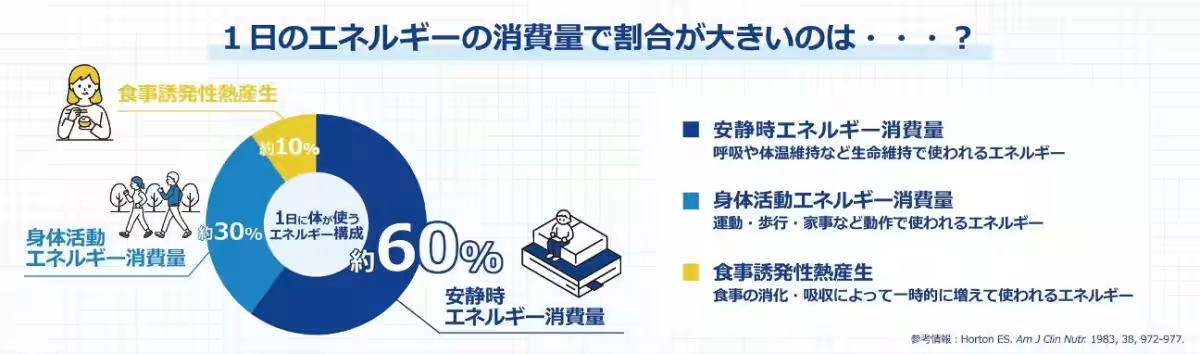
Interestingly, an underlying belief persists that energy is only expended during physical activity. The survey found that nearly 70% were unaware that resting energy expenditure accounts for roughly 60% of total daily caloric burn. This lack of awareness suggests a need for education on how everyday activities, even when sitting still, contribute to overall energy expenditure. Recognizing this could shift attitudes towards exercise, encouraging more people to become active even in their downtime.
A New Initiative: Training Gym Without Moving
In response to these findings, Ezaki Glico is launching a unique three-day pop-up event titled "Training Gym Without Moving—Consuming Energy Even at Rest" from August 28 to 30, 2026, in Omotesando. This immersive experience replicates the atmosphere of a high-end gym while offering innovative training programs emphasizing both active and passive energy expenditure. Participants will have the chance to engage in short, manageable workouts alongside relaxation techniques that promote understanding of calorie burn at rest.
This event aims to educate attendees on how to optimize their daily energy consumption, even when not exercising formally. It brings forward the concept that every moment counts in fitness, and participants can learn to incorporate more physical activity into their lives without feeling overwhelmed.
Key Takeaways and Recommendations
Among the most striking results from the survey is the realization that exercising is often viewed as a daunting task, with many expressing guilt over failing to meet their own expectations. About 48.4% of respondents cited exercise as the number one struggle when it comes to actions they know they should undertake but often don't, highlighting the need for a change in mindset. Moreover, the study illustrates that people are more likely to experience feelings of pressure regarding exercise as they age, with those in their 40s showing the highest levels of internal conflict about their activity levels.
As modern lifestyles continue to be defined by limited free time, it’s clear more needs to be done to foster environments that make physical activity more accessible and enjoyable. By reshaping how we view exercise and resting energy consumption, we can potentially reduce the barriers to fitness that many face today. With thoughtful initiatives like the upcoming event, there is hope that individuals can bridge the gap between knowledge and action, creating a healthier society moving forward.
Conclusion
Ultimately, we must strive to understand that effective movements can occur outside traditional exercise parameters. Whether through structured workouts or simply incorporating more physical activity into our daily routines, the goal remains to align what we know we should do with the reality of our actions. Awareness and gradual adjustments can lead to substantial improvements in well-being, proving that every step counts towards a healthier lifestyle.




Topics Health)
【About Using Articles】
You can freely use the title and article content by linking to the page where the article is posted.
※ Images cannot be used.
【About Links】
Links are free to use.