



Understanding the Challenges of Renewing Logistics Systems in Japan's Industry
The Complex Landscape of Logistics System Renewal in Japan
On June 23, 2026, SEAOS Inc., a Tokyo-based consulting firm specializing in logistics, published a white paper titled 'Why Logistics Systems Are Not Being Renewed'. This document delves into the structural challenges many companies face in the logistics sector, particularly as they contend with the pressing Logistics 2024 issue, a worsening labor shortage, and compliance with new efficiency laws.
Key Highlights of the White Paper
The paper is dedicated to unpacking why a critical component of modernization — the renewal of logistics systems — is faltering across the industry.
1. Legacy Systems and Black Box Complexity:
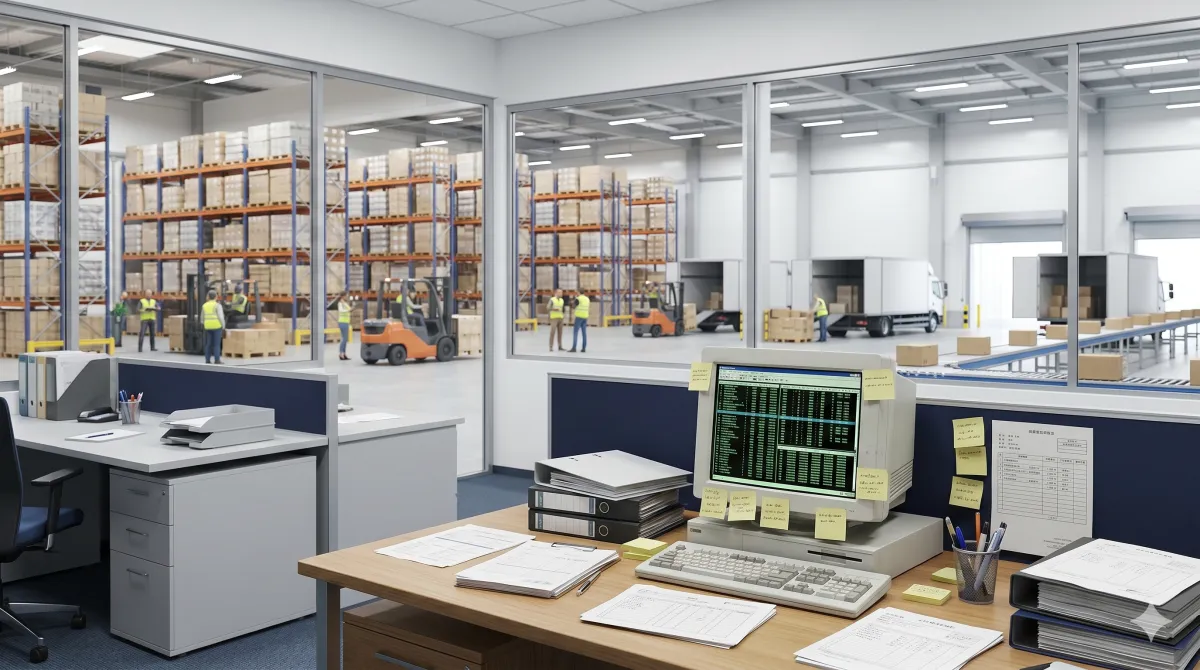
Many logistics sites still rely on outdated systems that have been in use for 20 to 30 years. These legacy systems have evolved through countless add-ons and customer-specific rules, leading to an increasingly complex and opaque operational structure. The daily need to maintain operations has resulted in partial optimizations that, ultimately, have obstructed overall system refreshment. This complexity is often termed as 'black box' behavior, where even seasoned staff struggle to fully comprehend the processes in place.
2. Overcoming Resistance to Change:
A significant factor hindering system renewal is the psychological resistance from staff who are accustomed to existing routines and processes. The paper emphasizes the need for effective change management, arguing that organizations should not only introduce new IT tools but also articulate a clear vision of why change is vital. This involves addressing the workforce's fears and engaging the entire organization in the transition process, thus minimizing resistance to necessary changes.
3. Proactive Business Process Redefinition:
Relying solely on IT vendors for system overhaul risks leading to a mere replication of existing processes in a new environment. The document asserts that businesses must take the lead in defining the 'ideal business processes,' engaging in what is termed the 'super upstream' approach, to ensure the new systems meet today’s demands without merely rehashing outdated practices.
Detailed Insights into the Paper
The challenges posed by aging logistics systems are not unique to one sector. They pose substantial operational risks in industries that are 'unable to stop' their logistics operations, including medical, food, and e-commerce sectors.
As the labor force tasked with maintaining these legacy systems ages, the risk of operational disruption due to system failures becomes a growing concern. The white paper details the severe impacts that could arise from outdated systems, such as halted shipments and delivery delays.
The insights provided aim to guide executives — including CXOs overseeing IT and digital transformation — through the complexities of system renovations. By understanding the precise nature of the challenges they face, these leaders can then devise actionable strategies to modernize their logistics frameworks effectively.
Background on SEAOS Inc.
Founded in 2000, SEAOS Inc. has established itself as a formidable player in logistics consulting, operating with a dual focus on strategic development and operational execution. They have dedicated over 25 years to enhancing logistics systems, viewing logistics not just as physical movement of goods but as a key contributor to corporate value.
Their extensive service offerings range from strategic consulting to system development, including warehouse management and transportation management solutions, designed to address a variety of logistics challenges.
The firm recognizes that successful logistics inquiries are rooted in understanding both the strategic and operational aspects of a business, ensuring that they always deliver effective results.
For more detailed insights, the full white paper can be accessed here.
By focusing on these critical developments and strategies within the logistics sector, SEAOS is committed to helping businesses navigate the complexities posed by legacy systems while discovering a path towards innovative logistics transformations.
Topics Business Technology)
【About Using Articles】
You can freely use the title and article content by linking to the page where the article is posted.
※ Images cannot be used.
【About Links】
Links are free to use.