



An In-Depth Look at Gen's Latest Threat Report for Q2 2025
Gen's Q2 2025 Threat Report
In a rapidly evolving digital landscape, Gen, the global leader in advocating for digital freedom with brands like Norton and Avast, has published its 'Threat Report' for the second quarter of 2025. This report sheds light on the intricacies of cyber threats that have continued to torment consumers around the globe.
Key Highlights
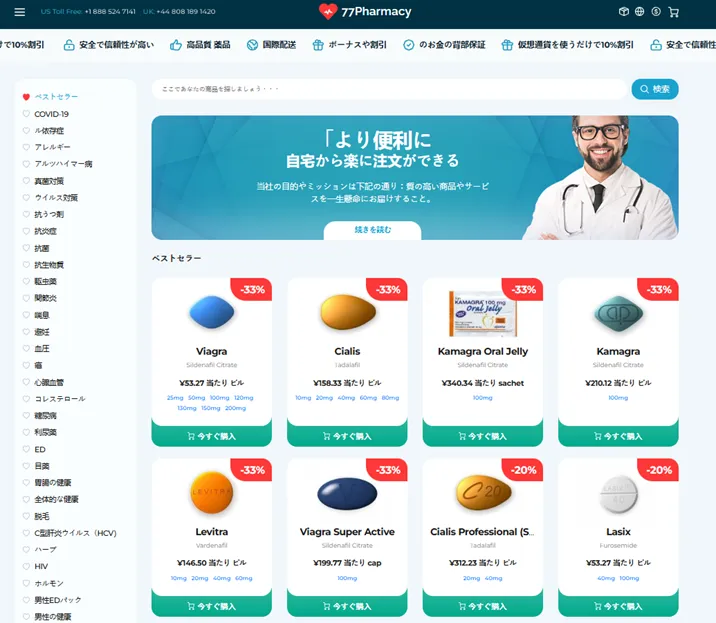
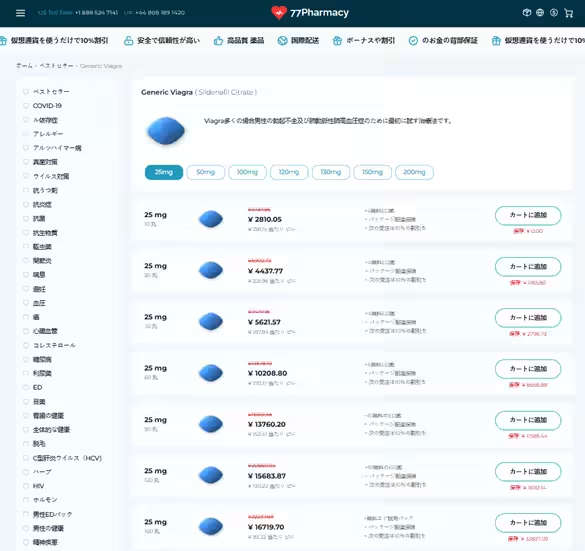
While the total number of cyber attacks has seen a decline, the methods employed have become increasingly sophisticated. The report reveals a vast network of over 5,000 fraudulent online pharmacies, collectively known as 'Pharma Fraud,' aiming to steal personal and financial information under the guise of selling prescription drugs. These sites utilize advanced strategies, such as embedding code from legitimate medical websites, manipulating search results, and deploying AI-generated health blogs, making them appear trustworthy. Beneath this facade, however, lie numerous red flags, including unrealistically low prices for prescription medications, absence of contact information, and demands for payment via cryptocurrencies.
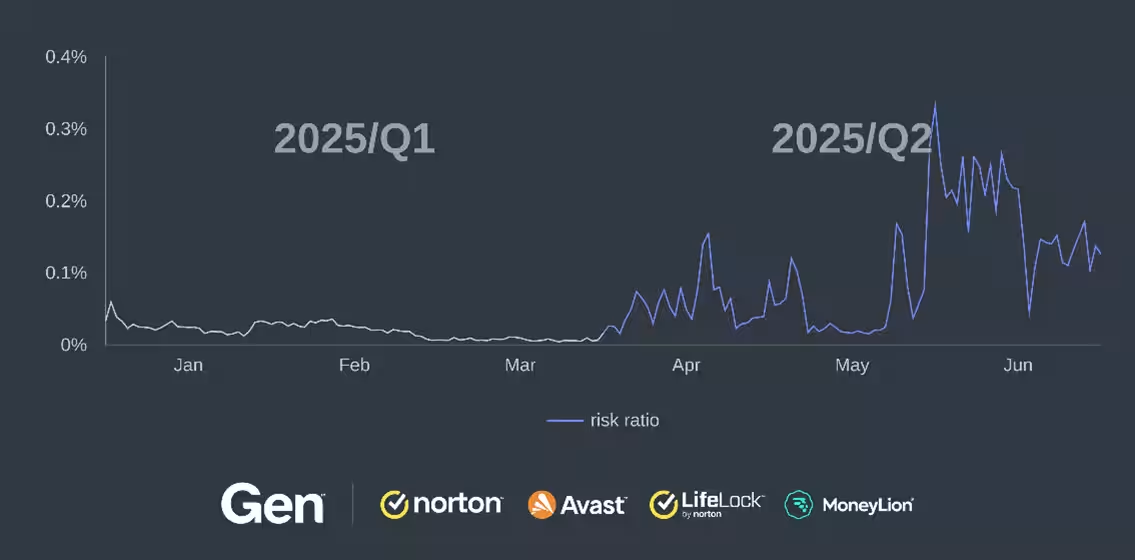
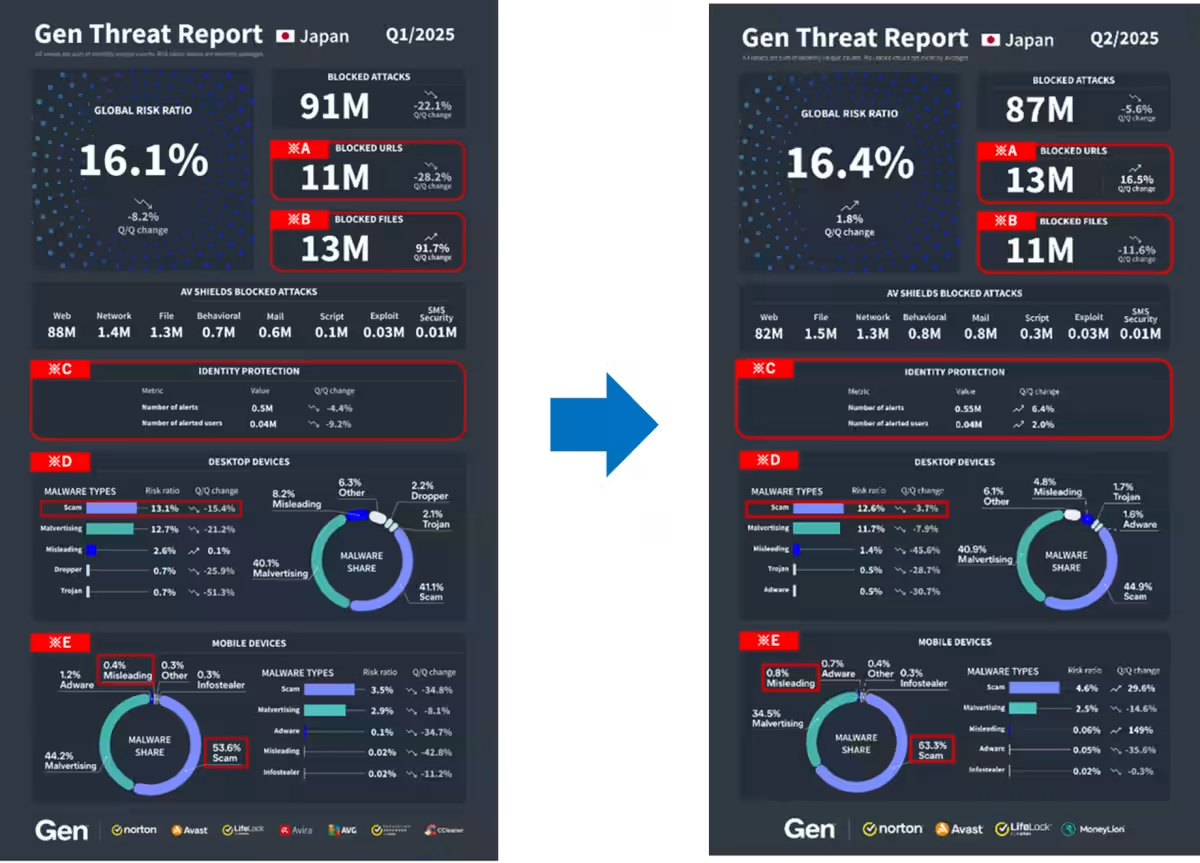
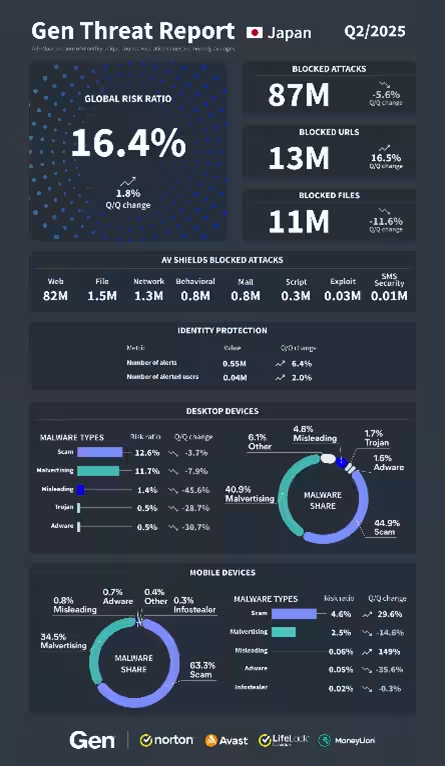
In Japan, the threat landscape has also shifted subtly but significantly. Compared to the previous quarter, the risk of scams increased by 1.8%, with scams representing nearly half of all reported cyber threats. Just over 63% of mobile threats and about half of desktop threats are attributed to scams—an increase of over 29% from the last quarter.
Emergent Threats in Japan
The report highlights several notable increases in scam threats across various categories:
- - Financial Scams: Attacks rose by 33.03%, with numerous cases of fraudulent investment schemes surfacing.
- - Technical Support Scams: These scams experienced a staggering increase of 30.24%, capitalizing on users looking for online assistance.
- - Sextortion Scams: These threats jumped 22.77%, showing a disturbing trend in cyber criminals utilizing sexual coercion as a method of extortion.
- - E-Shop Scams: A modest increase of 4.34% highlights the ongoing risk posed to online shoppers.
Scams Going Viral
The second quarter of 2025 has also shown a notable rise in scams on social media platforms, particularly Facebook. 14% of blocked threats originated from technical support scams on this platform. The geographical reach of these scams is expanding, with impacts noted in countries like Germany, Austria, and France.
Moreover, the report illustrated a concerning trend in the increasing number of blocked URLs, which surged by 16.5% from 11 million in the first quarter to 13 million in the second quarter. Mobile devices seem to be particularly vulnerable, with general scams rising from 53.6% to 63.3% of attacks on mobile, underscoring the growing cybersecurity threats faced by consumers on their personal devices.
Insights on User Safety
The rise in scams is compounded by the increase in personal information monitoring notifications, indicating a growing risk of data leaks and account breaches. Blocked URLs predominately relate to scams, which surpass ad-related fraud (malvertising) in both desktop and mobile environments in Japan.
The situation raises critical questions about cyber hygiene among users. Many victims unknowingly facilitate threats through social engineering tactics, compelling them to inadvertently install malware or divulge sensitive information. A troubling emergent trend noted in the report involves 'Scam-Yourself' attacks, where attackers lead victims to compromise their security themselves.
The Broader Implications
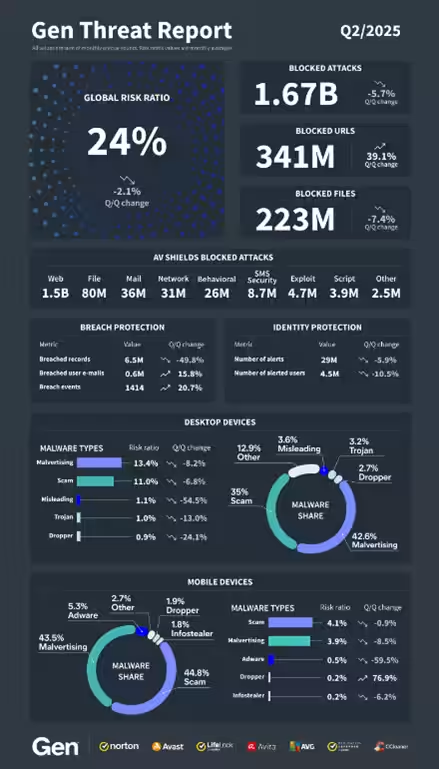
Globally, the landscape of cyber threats continues to evolve. Despite a downward trend in overall risk levels worldwide, Gen’s report illustrates Japan’s unique position where local threats are growing. User education and awareness remain pivotal in combatting these sophisticated cyber adversaries. Security institutions are also urged to bolster their defenses in light of these emerging trends.
As Gen remains committed to raising awareness and improving cybersecurity measures across the digital space, consumers must remain vigilant. For more comprehensive insights, including additional statistics and methodologies, please refer to the complete report shared by Gen here.

Topics Consumer Technology)
【About Using Articles】
You can freely use the title and article content by linking to the page where the article is posted.
※ Images cannot be used.
【About Links】
Links are free to use.