



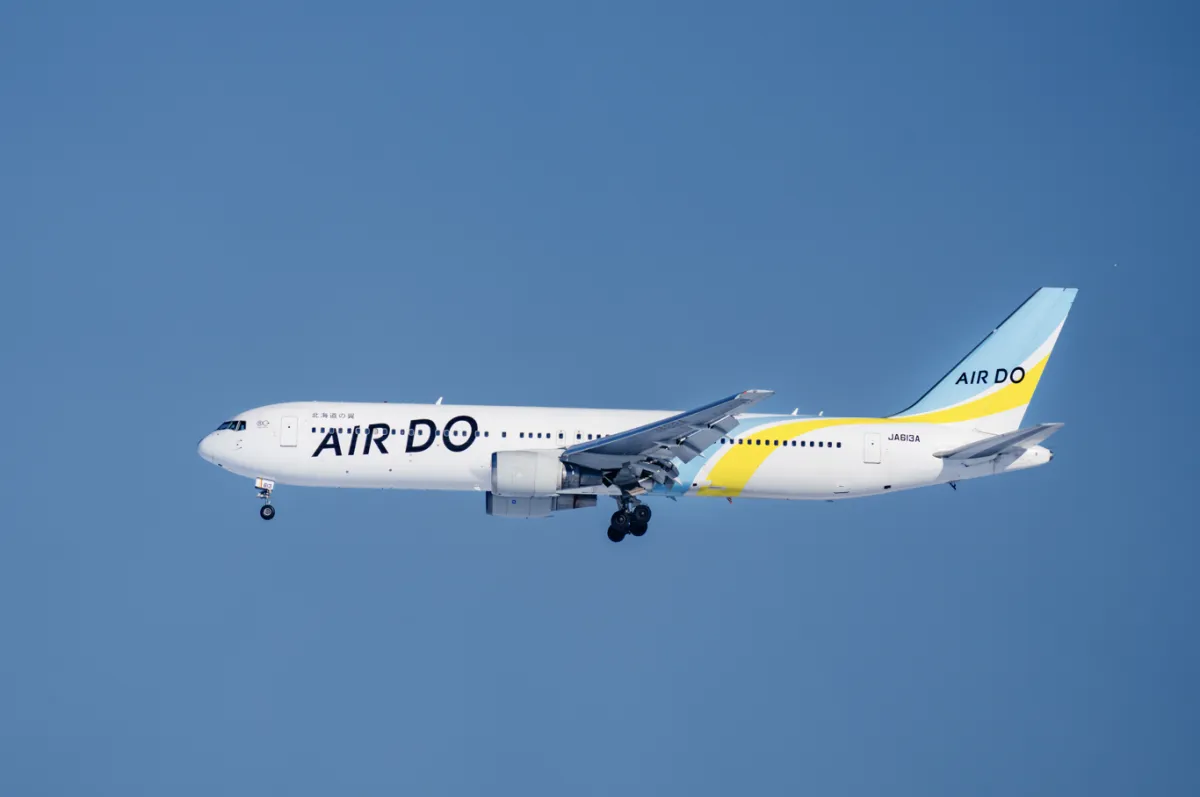
AIRDO Implements OBST: A Game-Changer in Obstacle Data Management Solutions
AIRDO's Official Adoption of OBST
In a significant move towards improving flight safety and operational efficiency, AIRDO has officially implemented the obstacle data management solution known as OBST, developed by NABLA Mobility, headquartered in Tokyo. This initiative marks a major milestone for AIRDO, following successful trial operations that began in 2026. The trials provided valuable insights into OBST's capabilities, allowing AIRDO to confidently proceed with full integration into its operations.
Background to the Implementation
The aviation industry faces continuous challenges when it comes to managing obstacle information, particularly data related to construction activities near airports or the presence of cranes. Such data is critical for assessing flight safety and the performance of aircraft. Traditionally, this information is disseminated through multiple sources, such as NOTAMs (Notices to Airmen), which highlight essential updates that can impact a flight's safety and operational status. This process has, until now, involved considerable manual effort to confirm and manage.
OBST seeks to streamline the handling, organization, and management of these obstacle-related data. By structuring and visualizing information regarding obstacle locations and heights, OBST not only lightens the workload of aviation personnel but also enhances the quality of operations.
Results from Trial Operations
During the trial phase, the team at AIRDO executed OBST within a real-world work environment and validated its effectiveness. One of the most notable findings was the development of a rapid response system for integrating newly identified obstacles into flight operations.
Traditionally, information about sudden obstacles could only be addressed when staff were physically present in the office. With OBST in place, this lag has been effectively eliminated, resulting in a strengthened framework for maintaining safety during flights. Additionally, the transition from manual verification of obstacle information to automated processes has alleviated the pressure of reliance on human intervention, significantly reducing the risk of oversight or delays in responses.
Furthermore, with a reduction in data processing times, flight operation managers can now allocate more time to critical monitoring and management tasks, ensuring that essential operational duties are prioritized. The frequent need for secondary reviews by specialized personnel has also diminished, leading to noticeable improvements in both the quality of operations and overall efficiency.
Given these successful outcomes, AIRDO has acknowledged the value of OBST and decided to officially integrate it into their operational workflows. The ability to respond to obstacle information in real-time, around the clock, marks a substantial achievement in reinforcing the safety frameworks of operational support.
As emphasized by Ken Fujinuma, Manager of AIRDO's Flight Operations Support Department, the automation of previously hand-managed tasks is a significant improvement, effectively mitigating risks associated with delays and oversights. AIRDO intends to collaborate further with NABLA Mobility to foster an even more efficient and secure operational infrastructure moving forward.
About NABLA Mobility
NABLA Mobility specializes in developing digital solutions aimed at enhancing the efficiency and resilience of airlines while promoting decarbonization efforts. Utilizing advanced data analytics and AI/ML technologies, they support decision-making processes in complex operational environments. Their suite of products includes major offerings such as "Weave," targeted at on-ground operation managers, and the "Operational Forecaster," which predicts delays.
Currently, NABLA Mobility is looking to expand its team and actively advance the development of new products. They are inviting individuals who share a commitment to improving efficiency in the aviation industry and tackling decarbonization challenges to apply through their careers page.
About AIRDO
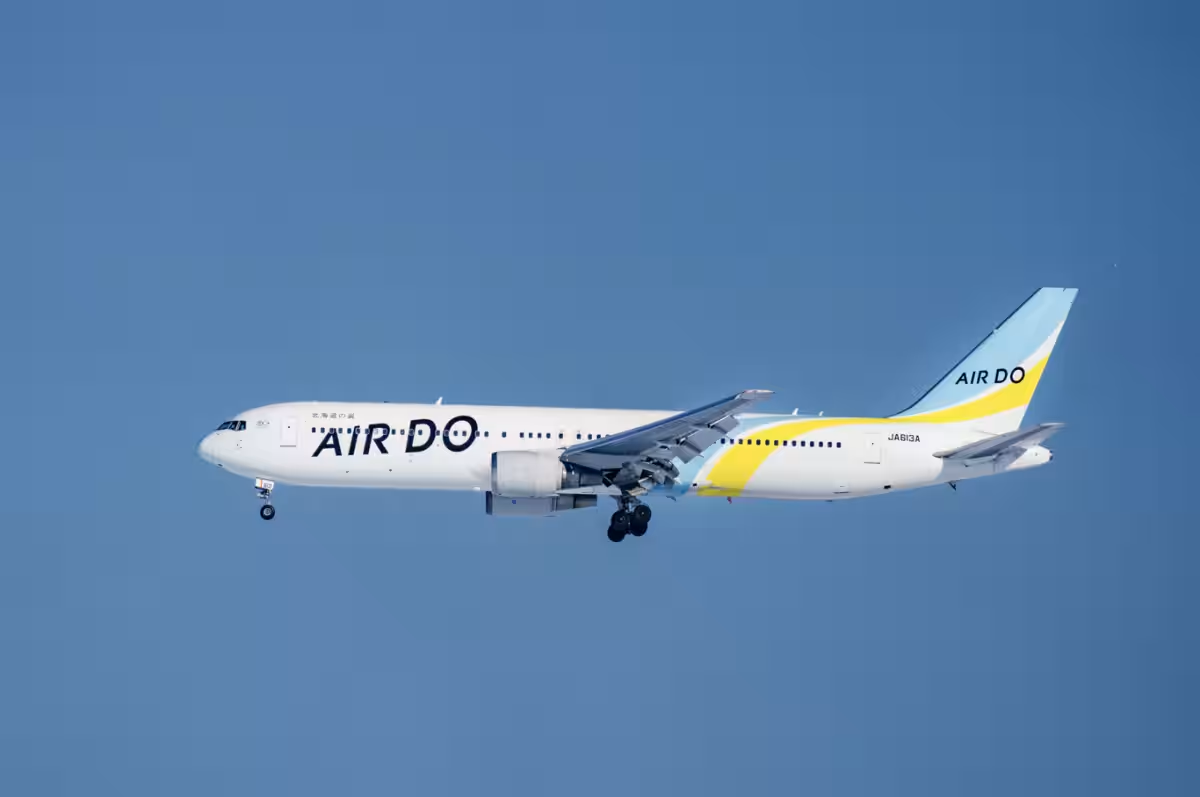
Founded in 1996, AIRDO became operational in December 1998 with its Sapporo-Tokyo route. The airline connects Hokkaido with various destinations across Honshu and Fukuoka and operates a fleet consisting of Boeing 767-300 and 737-700 aircraft.
For media inquiries, please contact:
NABLA Mobility
Public Relations Email: [email protected]
Topics Other)








【About Using Articles】
You can freely use the title and article content by linking to the page where the article is posted.
※ Images cannot be used.
【About Links】
Links are free to use.