



Rethinking Disaster Preparedness: Insights from Japan's Recent Survey
Rethinking Disaster Preparedness: Insights from Japan's Recent Survey
As Japan approaches the 15th anniversary of the Great East Japan Earthquake, a recent survey conducted by King Jim Co., Ltd., sheds light on the current state of disaster preparedness in households across the nation. This survey was particularly relevant given the increasing frequency of natural disasters in recent years.
Overview of the Survey
Conducted from October 23 to 24, 2025, the survey included responses from 800 individuals aged between 20 to 69. Through an online format, the results aimed to assess the level of disaster awareness and preparedness among Japanese families.
Key Findings
Awareness vs. Action
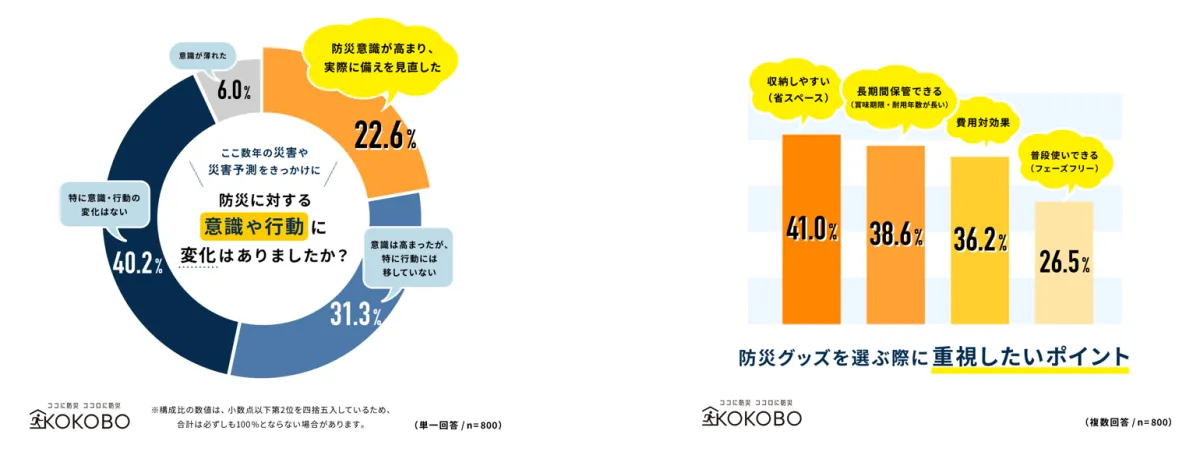
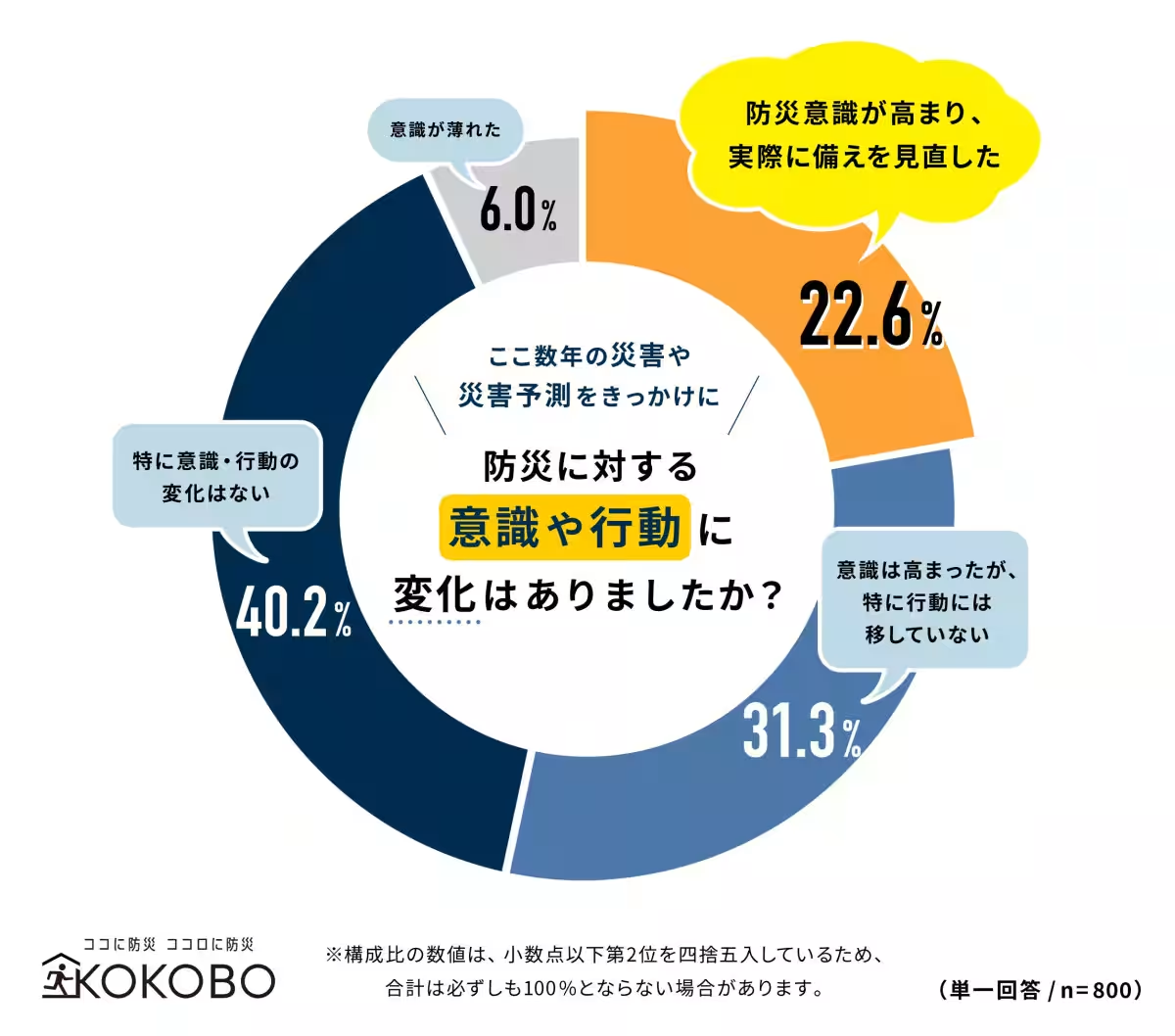
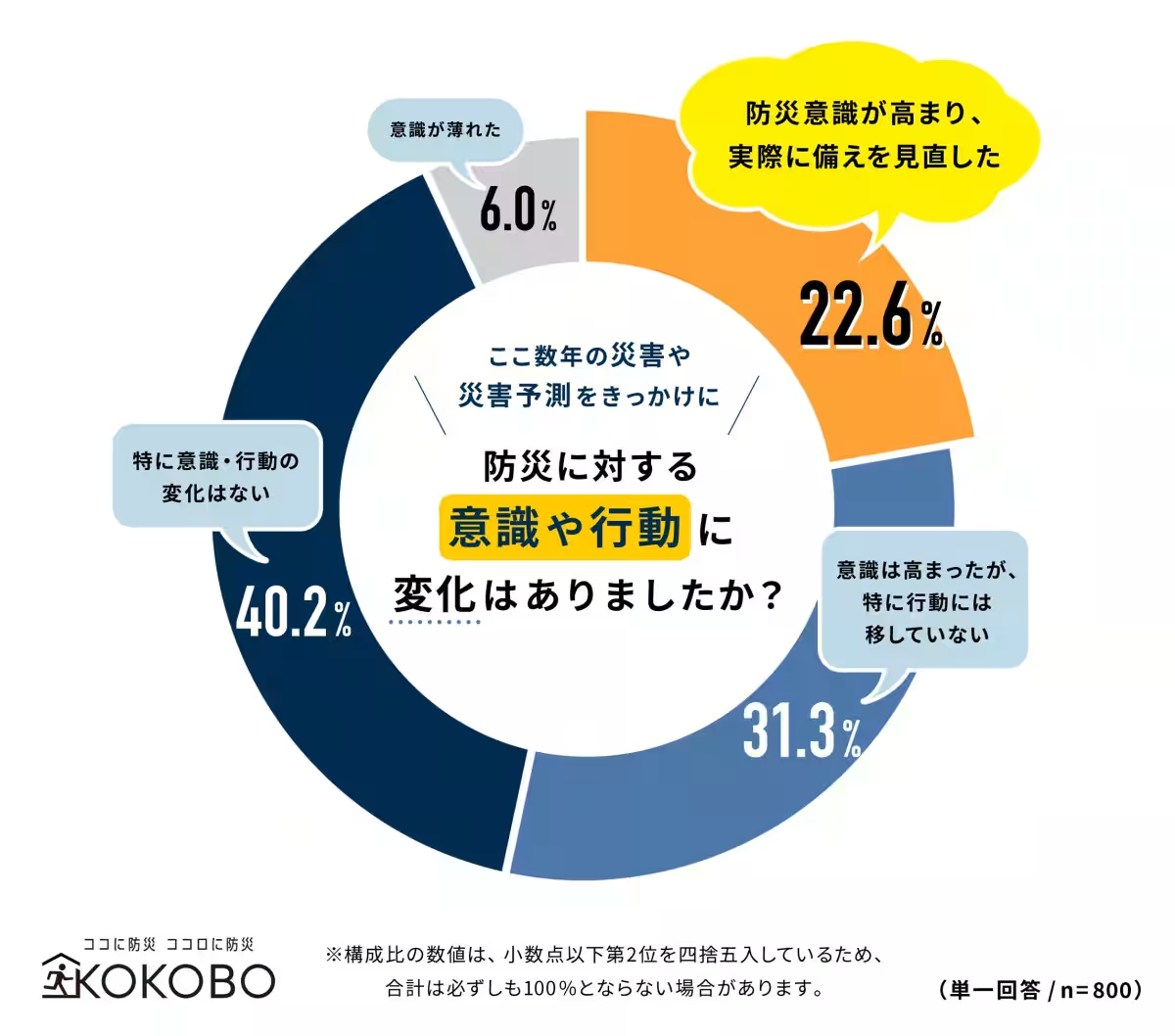
Despite a notable increase in awareness regarding disaster preparedness—over half of respondents acknowledged that recent natural disasters heightened their concerns—only about 20% reported taking concrete steps to improve their preparedness. This significant discrepancy reveals a troubling 'gap between awareness and action', suggesting that while many families recognize the importance of emergency preparedness, few are translating that awareness into actionable measures.
Preparedness Levels
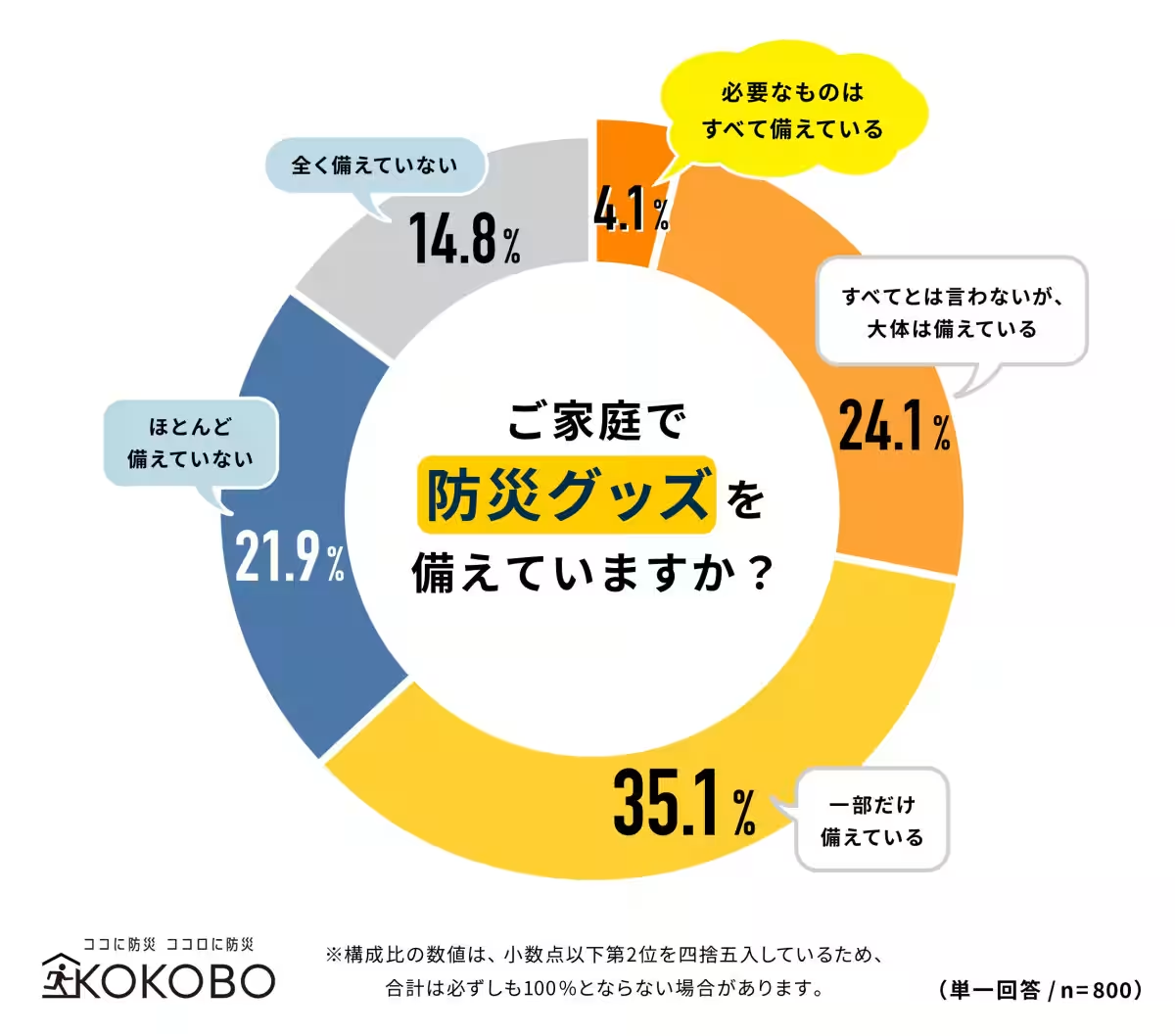
When asked about their preparedness status, only about 4% of households reported having all necessary disaster supplies on hand. The majority either have some items or are lacking essential supplies altogether, illustrating a concerning trend of insufficient preparation. This signals a need for increased education and resources to help families equip themselves adequately for emergencies.
Barriers to Preparedness
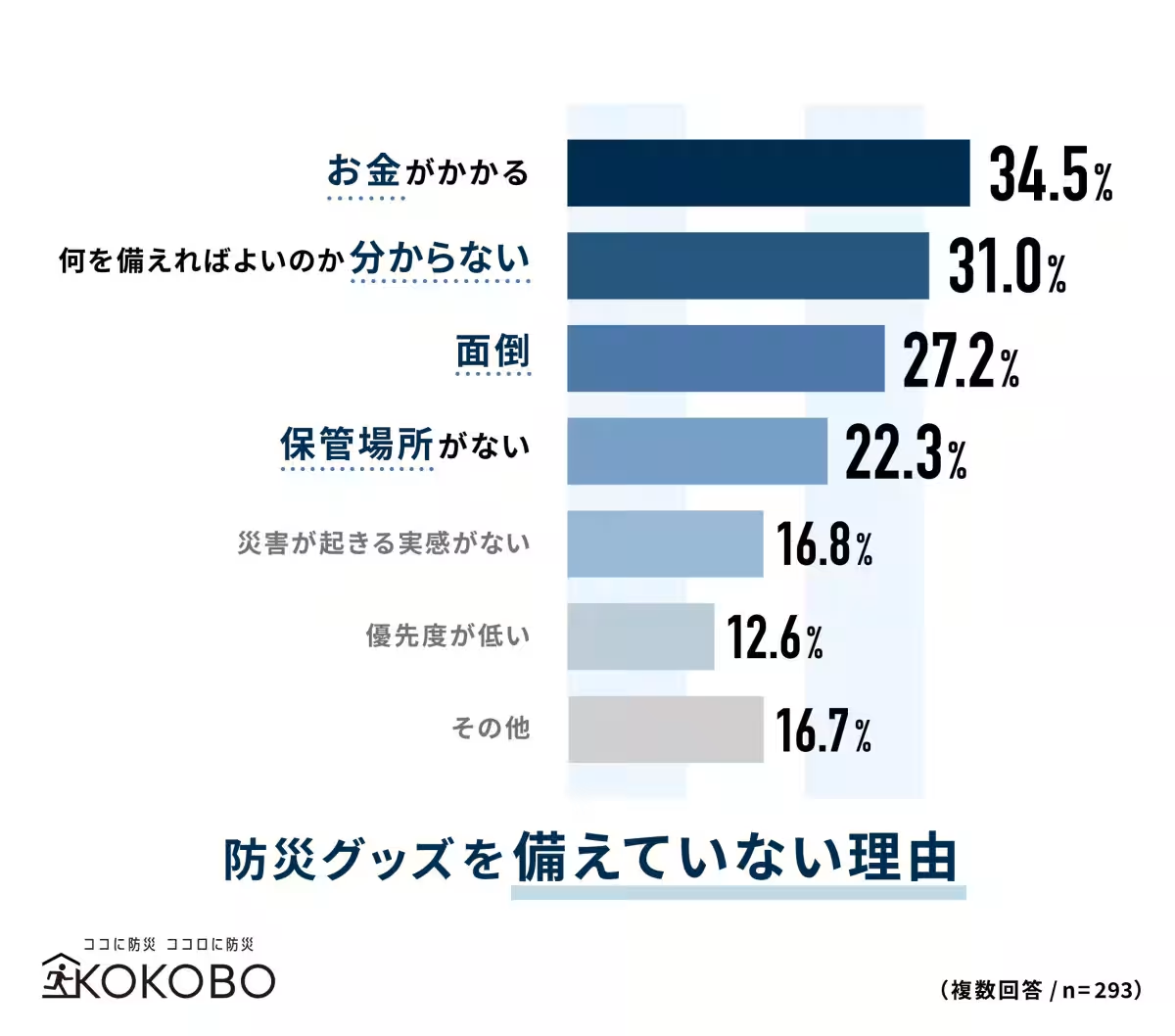
The survey identified four primary barriers preventing households from acquiring disaster supplies: 1) High costs (34.5%), 2) Uncertainty about what to prepare (31.0%), 3) Perceived inconvenience (27.2%), and 4) Lack of storage space (22.3%). These factors highlight the complexity of preparing for disasters, as families face financial, informational, and logistical challenges that hinder their progress.
Home Storage Trends
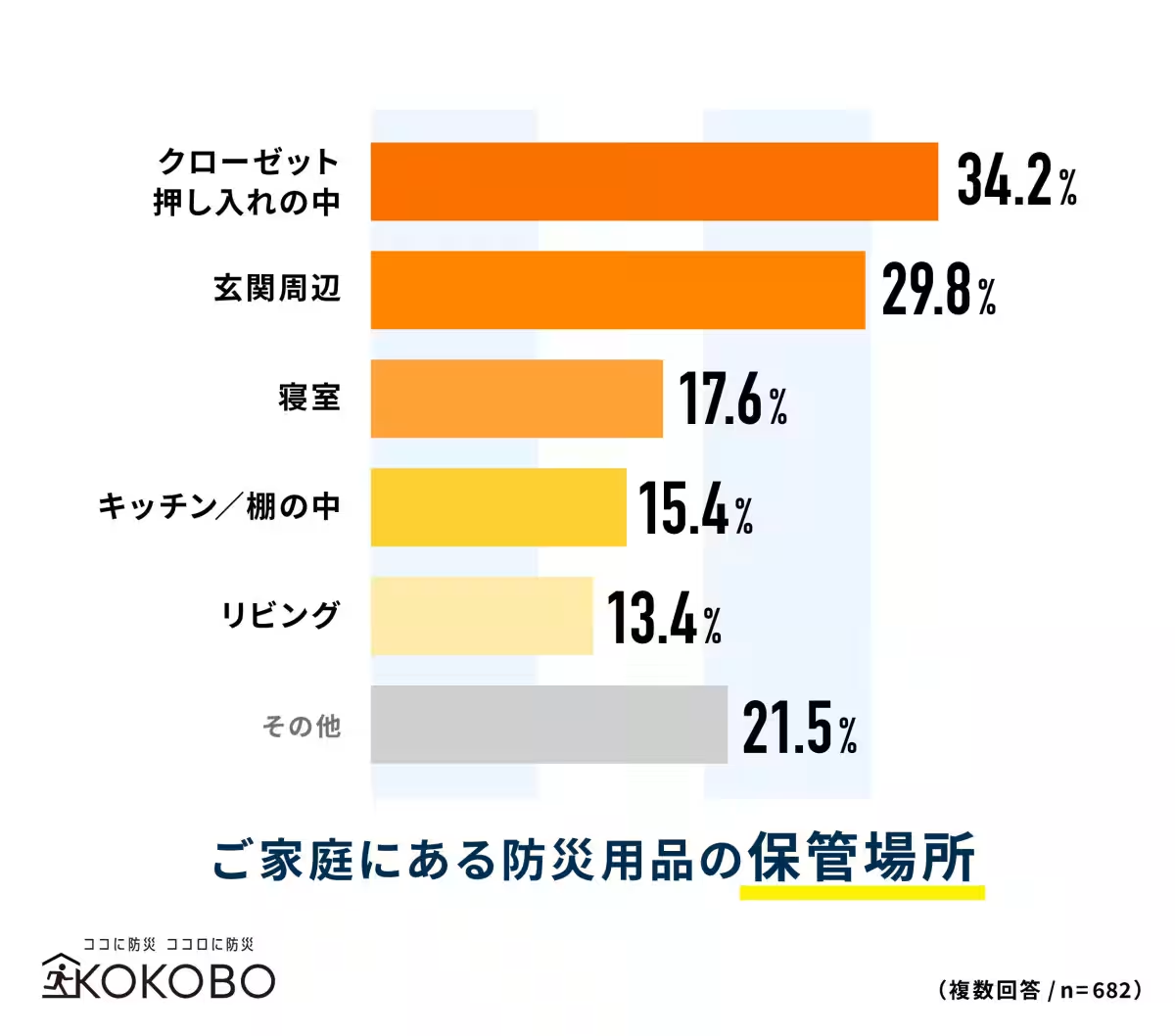
Interestingly, many families tend to prioritize convenient storage over accessibility. About 34.2% keep their disaster supplies in closets or storage areas that may not be easily accessible in an emergency, which poses risks during urgent situations when every second counts.
Regular Maintenance of Supplies
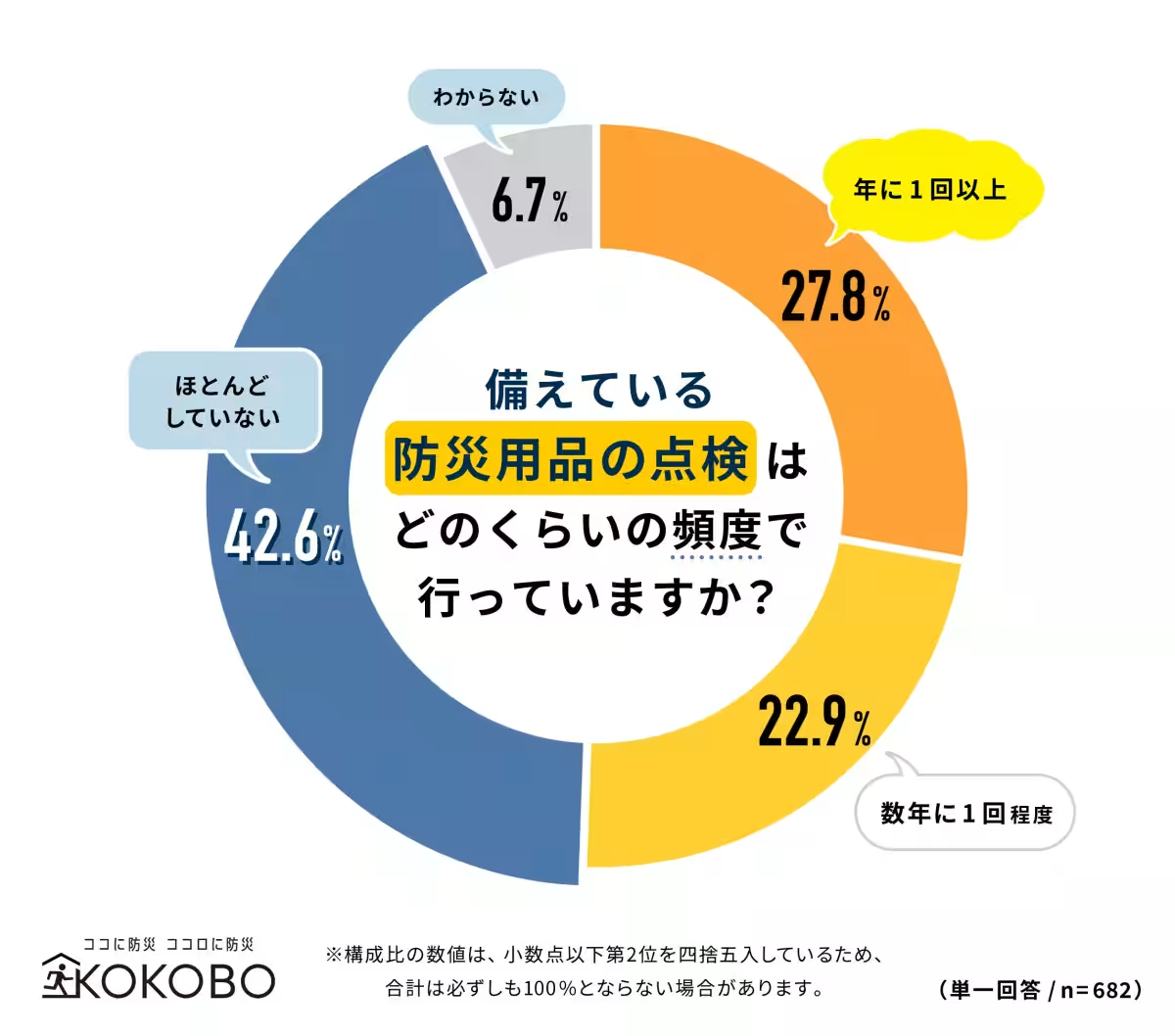
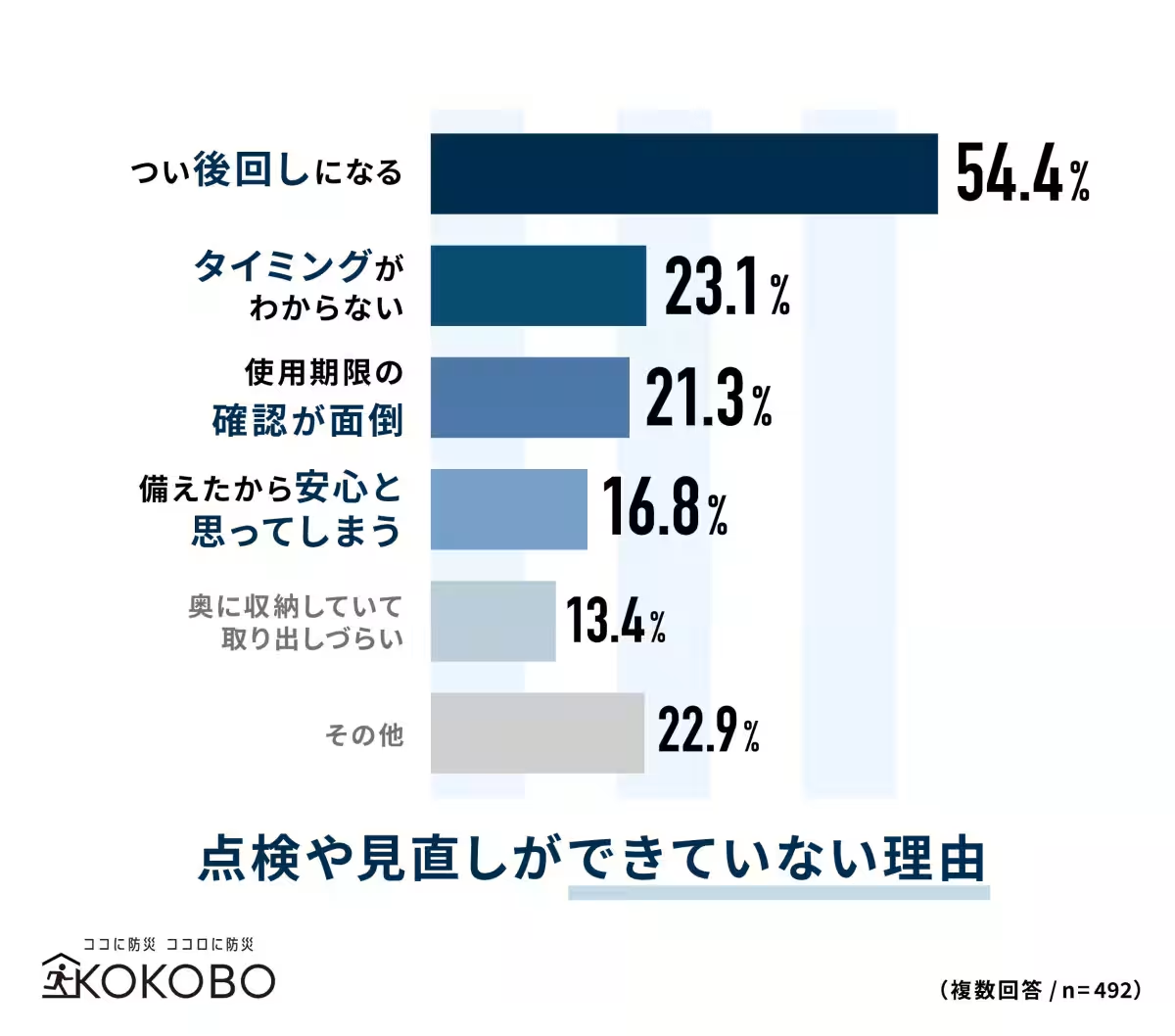
Approximately 40% of families admitted to seldom reviewing or checking their emergency supplies. Many cited procrastination, uncertainty about the right timing, and inconvenience as reasons for neglecting regular checks. Statistically, less than 30% engaged in periodic evaluations of their supplies, presenting another critical area for improvement.
Selecting Disaster Supplies
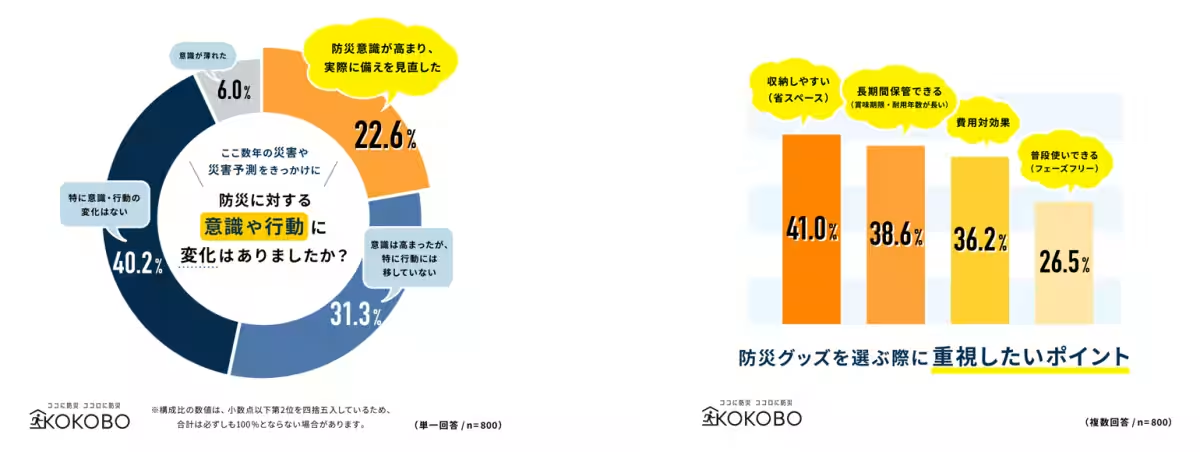
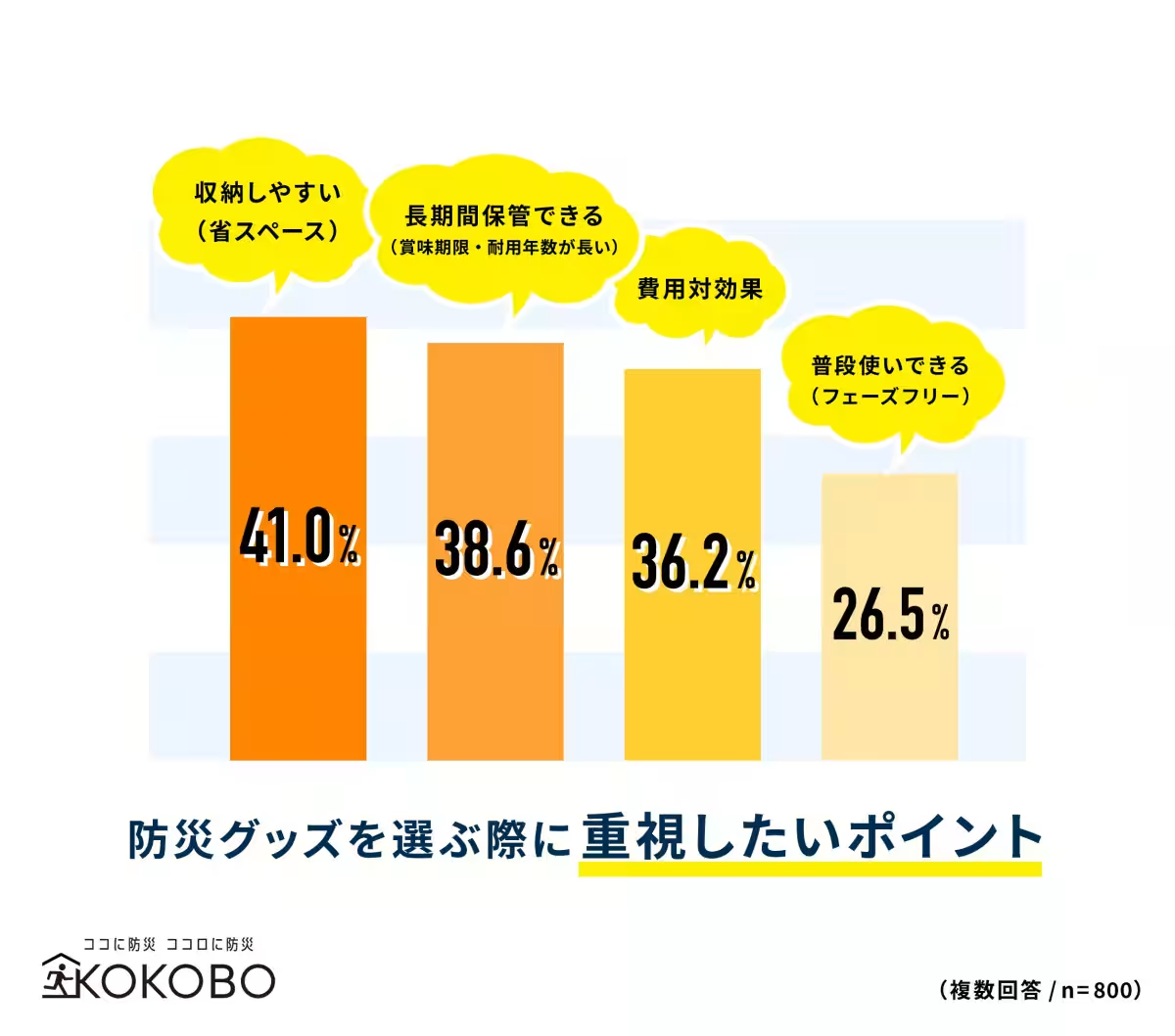
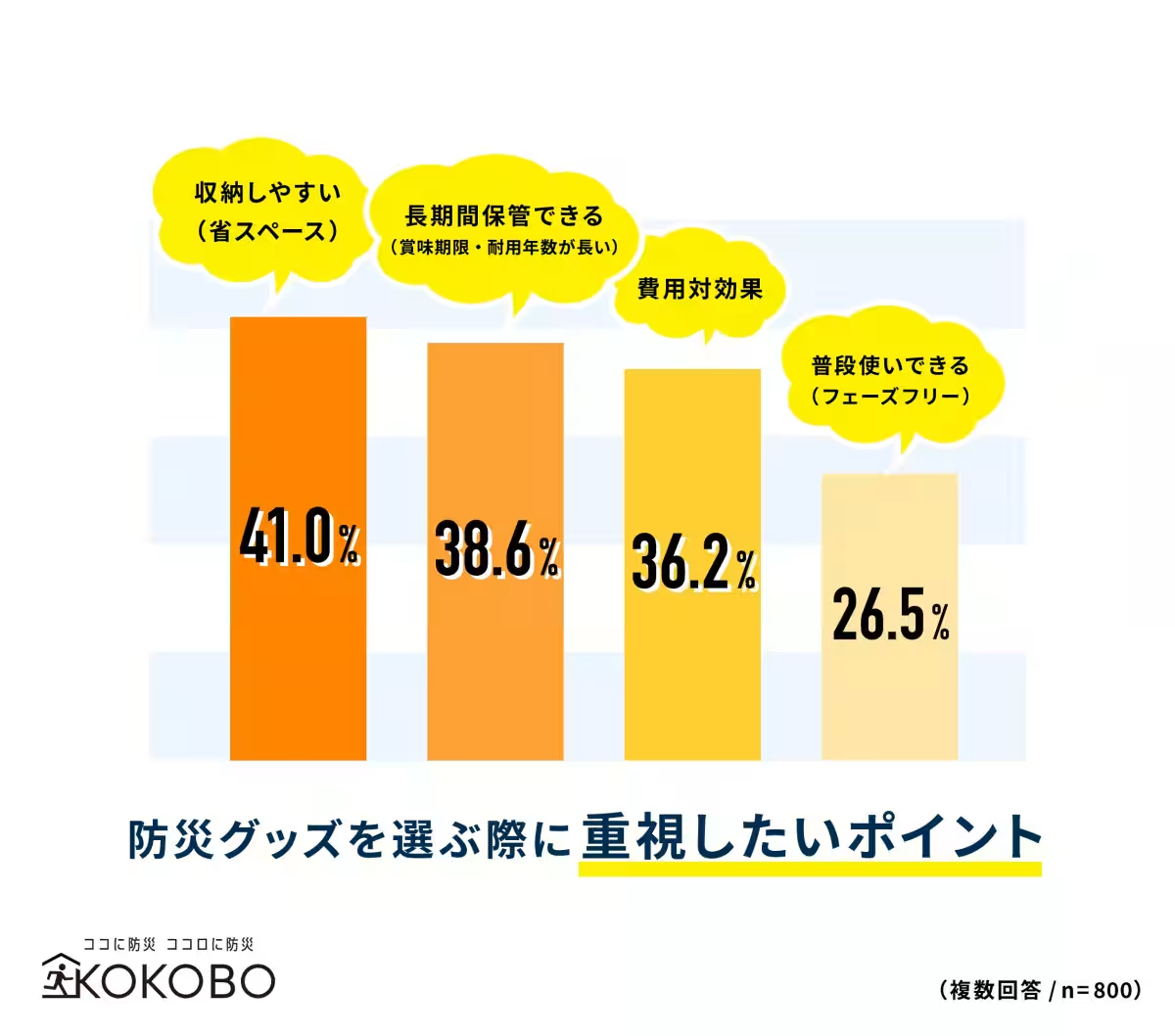
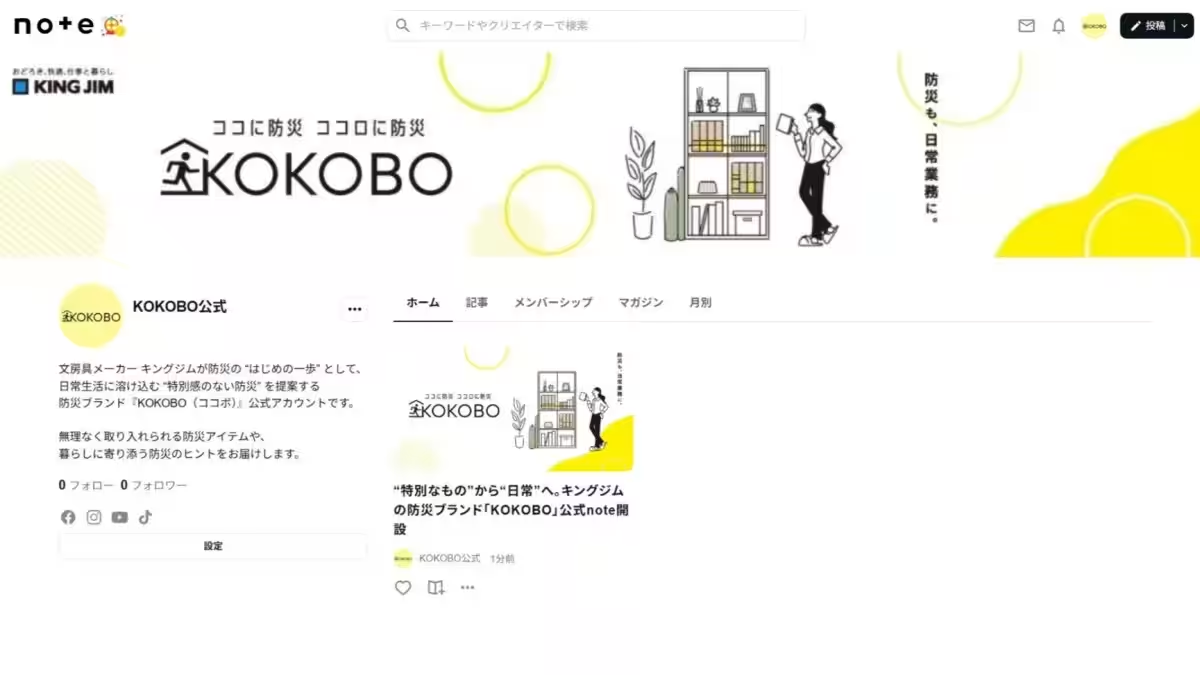
When considering what factors to prioritize in disaster supplies, preferences leaned towards space-saving, long-term storage, and cost-effectiveness. Notably, many families are shifting towards products that not only meet practical needs but also fit comfortably within their homes without overwhelming their living spaces. King Jim’s disaster preparedness product line, KOKOBO, exemplifies this trend by offering solutions that blend efficiency with practicality.
Innovations in Disaster Preparedness
KOKOBO aims to meet the growing demand for effective and user-friendly disaster supplies designed for everyday integration. By focusing on ease of use and long-term viability, KOKOBO introduces products that families can rely on during emergencies. Their latest offerings, such as the nine-year food storage kits and convenient emergency toilet kits, not only prioritize functionality but also enhance the overall preparedness experience without excessive financial strain.
Looking Forward
In summary, while there is a heightened awareness of disaster preparedness among Japanese families, significant gaps remain in actionable practices. The results underline the necessity for continued education, resource provision, and supportive tools to promote effective disaster readiness. Moving forward, the focus should be on creating sustainable, easy-to-manage preparations that families can maintain without overwhelming burdens. Solutions like KOKOBO may pave the way for a future where disaster preparedness becomes an integral part of everyday life, ultimately fostering a nation more resilient in the face of inevitable challenges.
Topics Policy & Public Interest)
【About Using Articles】
You can freely use the title and article content by linking to the page where the article is posted.
※ Images cannot be used.
【About Links】
Links are free to use.