



Cybersecurity Insight: Over 96% of Nikkei 225 Firms Experience Data Breaches
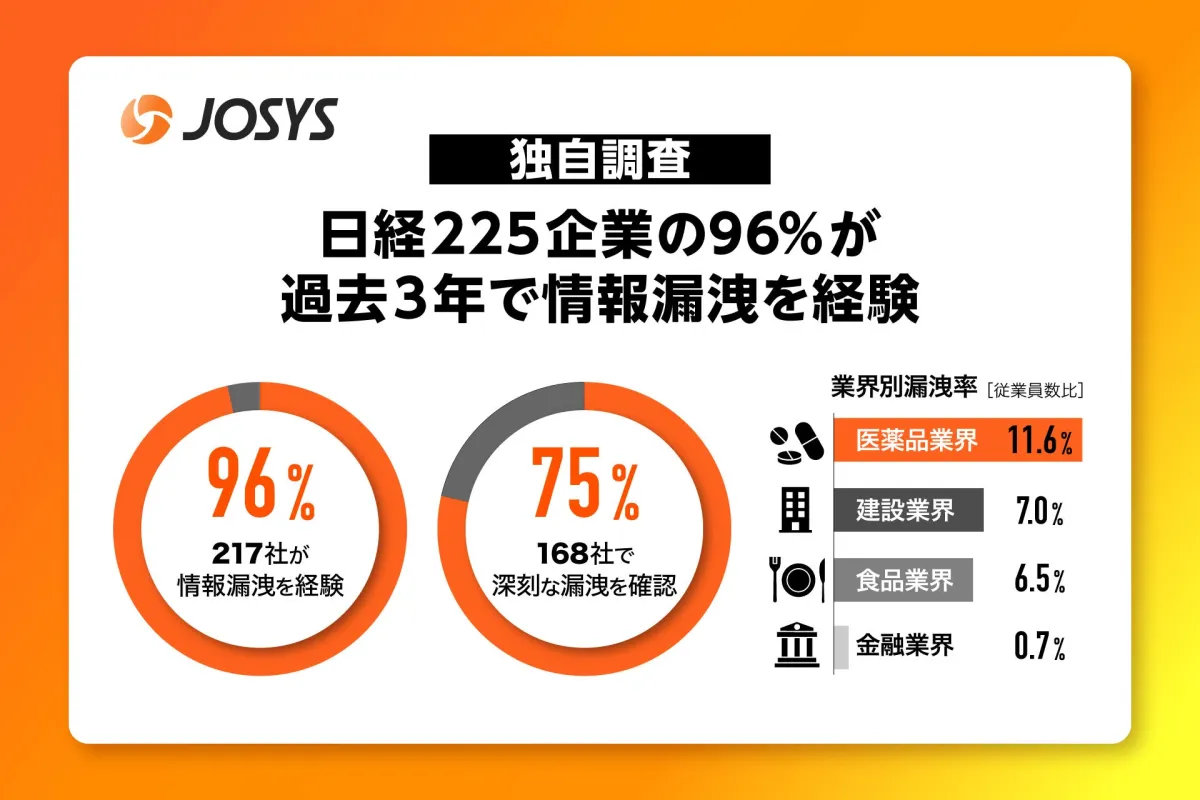
In a groundbreaking survey conducted by Josys, a leading identity security provider based in Tokyo, it was revealed that a staggering 96% of Nikkei 225 companies have experienced data breaches over the past three years. This statistic not only underscores the urgency for enhanced cybersecurity measures but also highlights the pervasive nature of data leaks across various industries.
Josys targeted the constituent companies of the Nikkei 225 for this study, which shed light on the alarming statistics surrounding data breaches. Out of the 225 companies surveyed, 217 reported instances of information leaks, leading to a cumulative total of more than 279,000 reported breaches. With a ratio of approximately 2.9% of the total number of employees experiencing data leaks, the findings indicate a significant trend that can no longer be ignored.
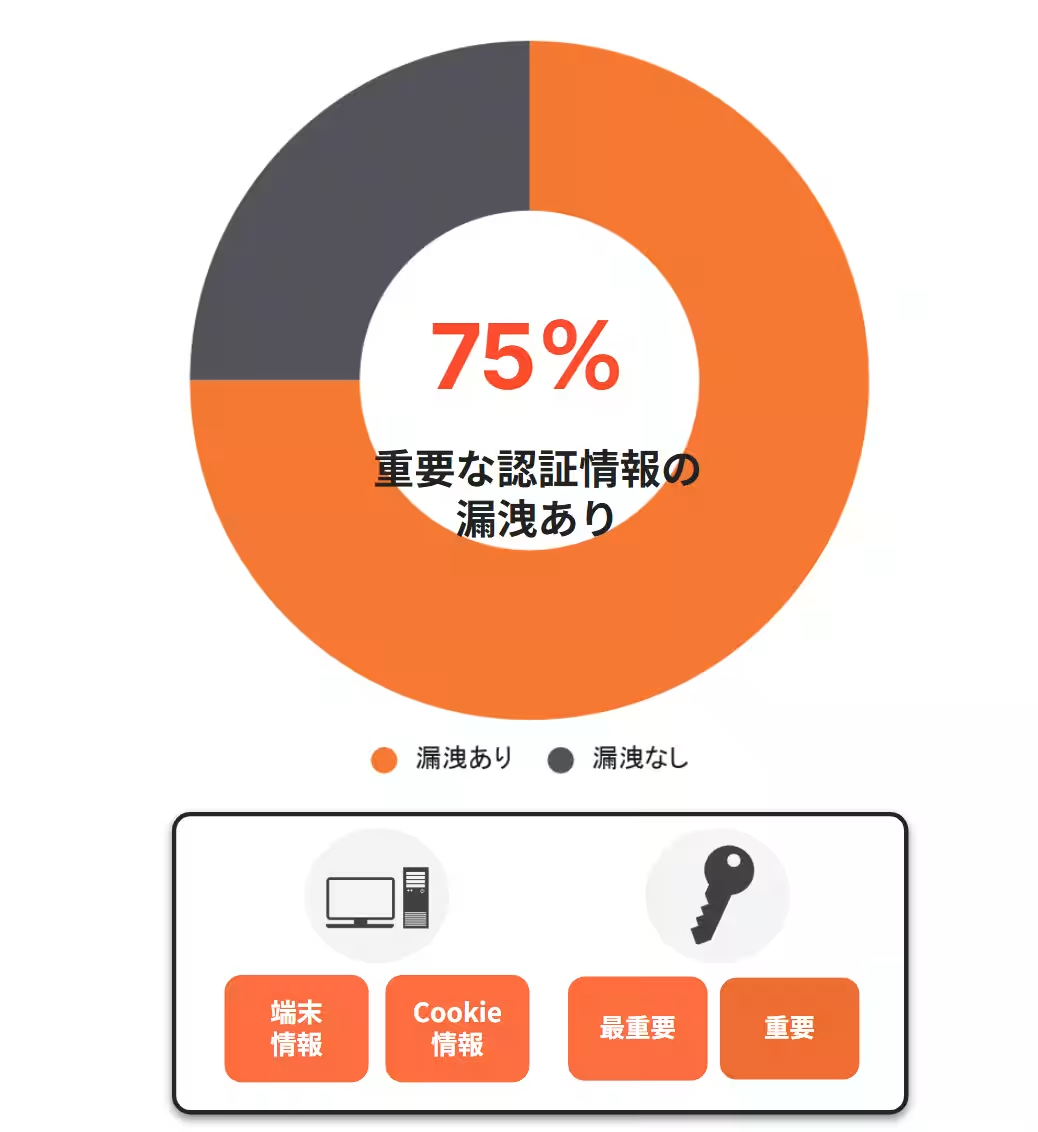
The survey results indicated that 168 companies, approximately 74.6% of the total surveyed, faced serious breaches that included critical authentication information, such as security credentials and customer management application data. Breaking these figures down further, the pharmaceuticals industry registered the highest information leak ratio at 11.6%, followed by the construction industry at 7.0% and the food sector at 6.5%. On the contrary, the banking sector exhibited the lowest leak ratio at 0.7%, with megabanks averaging even lower at about 0.5%. This discernible difference highlights the varying levels of cybersecurity maturity across different industries.
The reflection drawn from these statistics reveals that cybersecurity breaches are not phenomena limited to specific industries or company sizes. Instead, they represent a structural challenge faced by almost all major corporations in Japan. The leak ratio of 2.9% signifies that cybersecurity incidents are common risks within business operations, necessitating advanced proactive measures, including continuous monitoring and a culture of assuming breaches are possible.
A closer industry analysis illustrated stark differences in leak rates. The pharmaceuticals industry, housing critical research and intellectual property, becomes an appealing target for attackers. The construction sector's susceptibility stems from handling sensitive geopolitical and economic data. The food industry's high leak rates could be attributed to insufficient investments in cybersecurity infrastructure. Conversely, the banking sector’s stringent adherence to regulatory compliance and robust security protocols showcases how high-risk sectors can successfully mitigate vulnerability.
In light of these findings, Josys has launched groundbreaking new functionalities to enhance ransomware defenses. These features include "Breach-Detection for Leaked Credentials," "AI Agent Detection and Management," and "Automated Policy Implementation via AI." Collectively, these tools aim to fortify cybersecurity for businesses, empowering them to protect against increasingly sophisticated cyber threats.
The outcomes of this study reflect an undeniable reality: cybersecurity incidents are a systemic issue faced by the majority of Japan's prominent companies. The dynamics of data leaks mean that organizations can no longer treat cybersecurity as a peripheral issue; rather, it must be integrated into the very fabric of corporate governance. The capability to scrutinize, manage, and defend access points to sensitive information is no longer solely the responsibility of security teams but should be a critical business priority at all levels of management.
As companies maneuver through the complexities of the digitized economy, investing in comprehensive identity security frameworks like Josys could very well be the key to ensuring safer business environments for the future.
Survey Overview
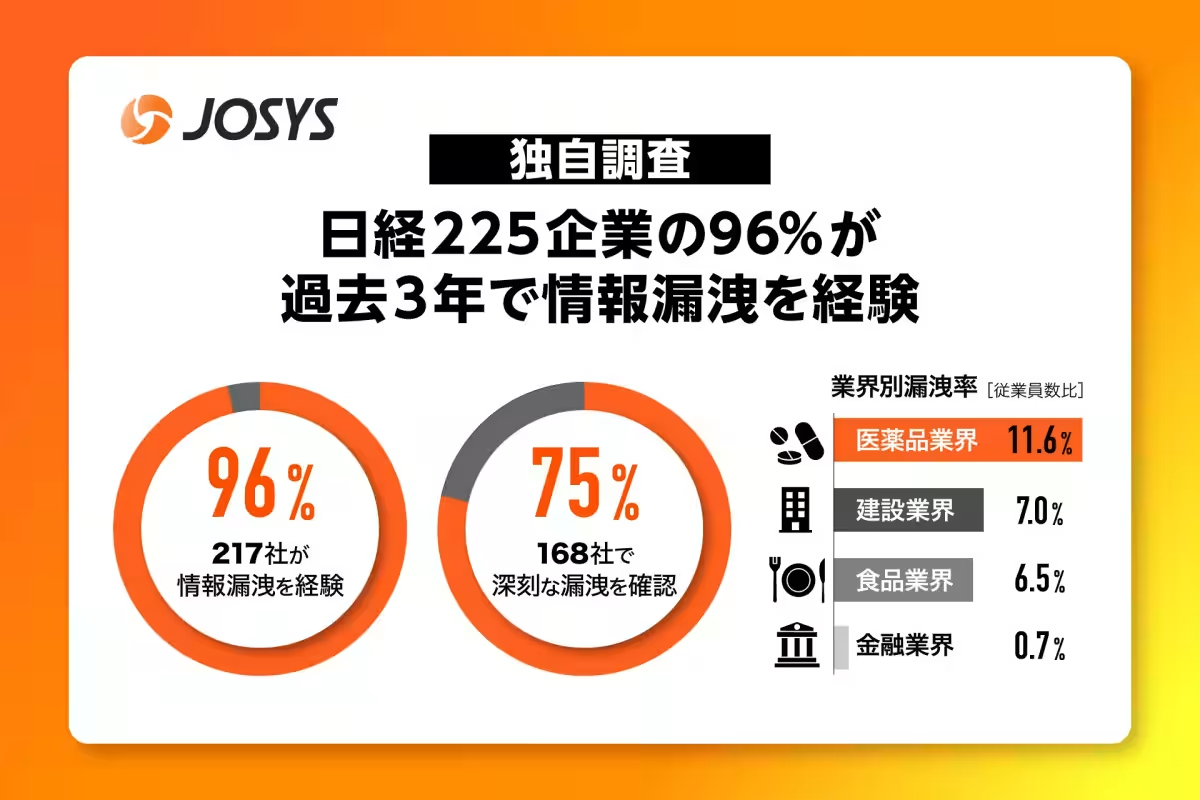
Josys targeted the constituent companies of the Nikkei 225 for this study, which shed light on the alarming statistics surrounding data breaches. Out of the 225 companies surveyed, 217 reported instances of information leaks, leading to a cumulative total of more than 279,000 reported breaches. With a ratio of approximately 2.9% of the total number of employees experiencing data leaks, the findings indicate a significant trend that can no longer be ignored.
A Closer Look at the Results
The survey results indicated that 168 companies, approximately 74.6% of the total surveyed, faced serious breaches that included critical authentication information, such as security credentials and customer management application data. Breaking these figures down further, the pharmaceuticals industry registered the highest information leak ratio at 11.6%, followed by the construction industry at 7.0% and the food sector at 6.5%. On the contrary, the banking sector exhibited the lowest leak ratio at 0.7%, with megabanks averaging even lower at about 0.5%. This discernible difference highlights the varying levels of cybersecurity maturity across different industries.
Understanding the Breach Implications
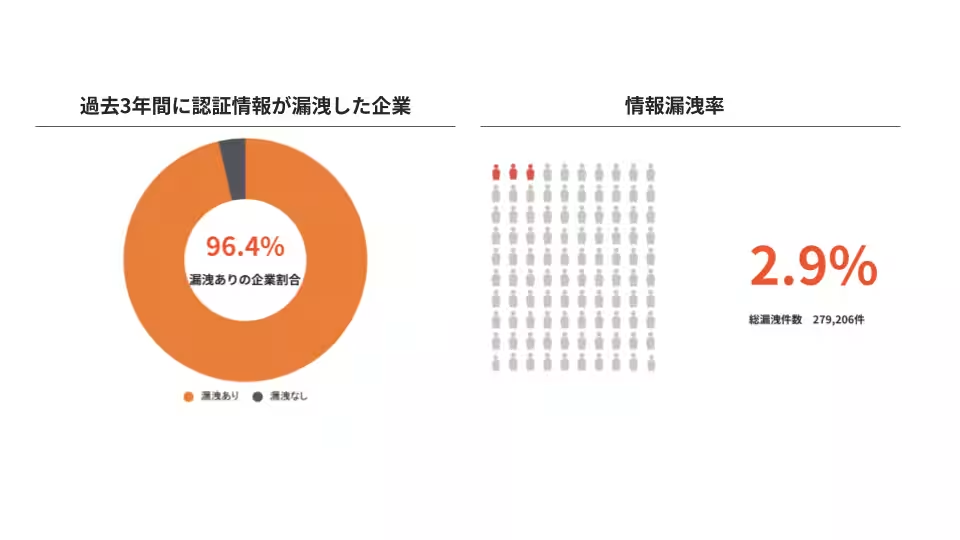
The reflection drawn from these statistics reveals that cybersecurity breaches are not phenomena limited to specific industries or company sizes. Instead, they represent a structural challenge faced by almost all major corporations in Japan. The leak ratio of 2.9% signifies that cybersecurity incidents are common risks within business operations, necessitating advanced proactive measures, including continuous monitoring and a culture of assuming breaches are possible.
Industry Comparisons
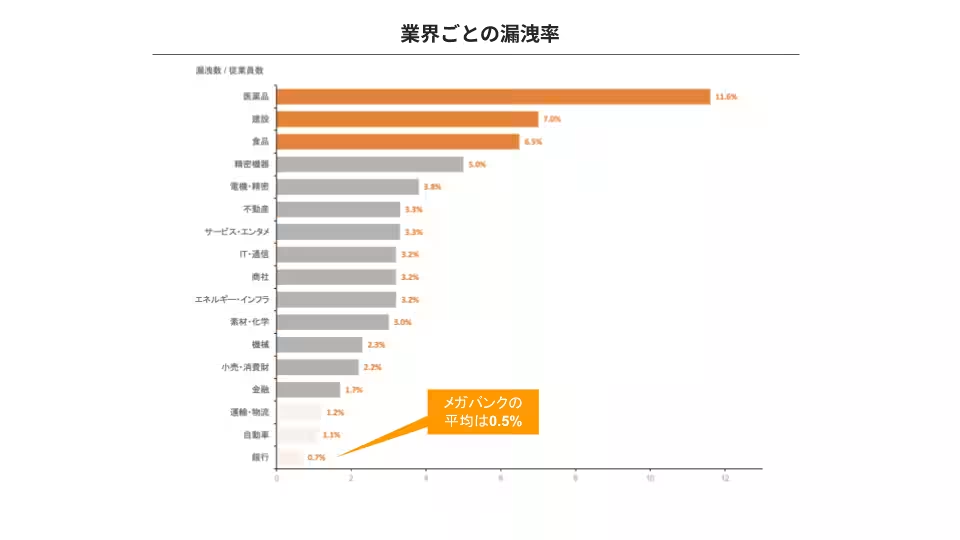
A closer industry analysis illustrated stark differences in leak rates. The pharmaceuticals industry, housing critical research and intellectual property, becomes an appealing target for attackers. The construction sector's susceptibility stems from handling sensitive geopolitical and economic data. The food industry's high leak rates could be attributed to insufficient investments in cybersecurity infrastructure. Conversely, the banking sector’s stringent adherence to regulatory compliance and robust security protocols showcases how high-risk sectors can successfully mitigate vulnerability.
Implementation of New Security Measures
In light of these findings, Josys has launched groundbreaking new functionalities to enhance ransomware defenses. These features include "Breach-Detection for Leaked Credentials," "AI Agent Detection and Management," and "Automated Policy Implementation via AI." Collectively, these tools aim to fortify cybersecurity for businesses, empowering them to protect against increasingly sophisticated cyber threats.
Conclusion
The outcomes of this study reflect an undeniable reality: cybersecurity incidents are a systemic issue faced by the majority of Japan's prominent companies. The dynamics of data leaks mean that organizations can no longer treat cybersecurity as a peripheral issue; rather, it must be integrated into the very fabric of corporate governance. The capability to scrutinize, manage, and defend access points to sensitive information is no longer solely the responsibility of security teams but should be a critical business priority at all levels of management.
As companies maneuver through the complexities of the digitized economy, investing in comprehensive identity security frameworks like Josys could very well be the key to ensuring safer business environments for the future.
Topics Consumer Technology)
【About Using Articles】
You can freely use the title and article content by linking to the page where the article is posted.
※ Images cannot be used.
【About Links】
Links are free to use.