



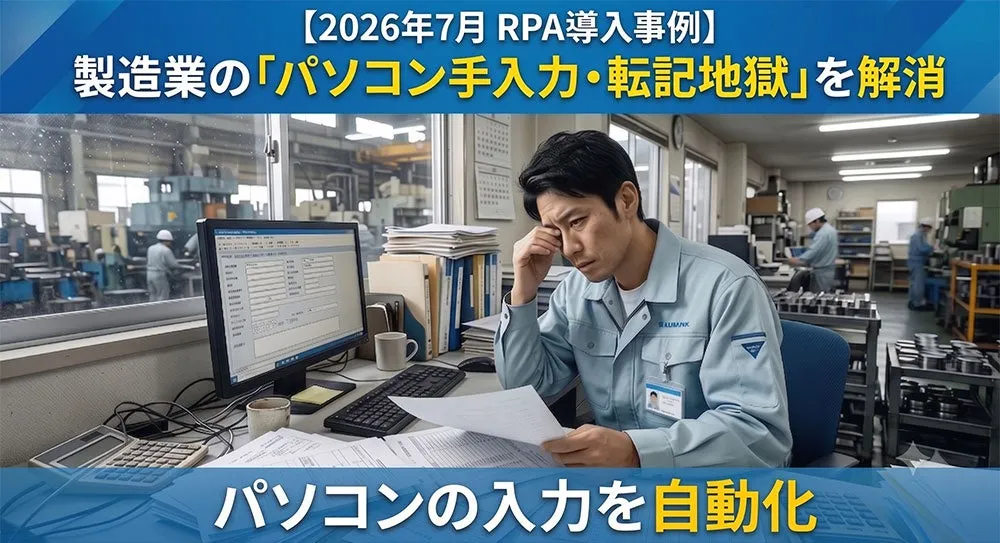
Eliminating the Manual Input Hell in Manufacturing with RPA Solutions
Overcoming Manual Input Challenges in the Manufacturing Industry with RPA
In the current landscape of manufacturing, the efficiency of factory operations often garners much attention. However, the unseen costs stemming from back-office operations and production management continue to strain management budgets significantly. To address chronic challenges faced by many in this sector, Replus Corporation has introduced their automation service, Good Hands-RPA. Here, we tackle pressing issues and provide real-world examples of how RPA can streamline processes in manufacturing.
Chronic Issues in Manufacturing Back Offices
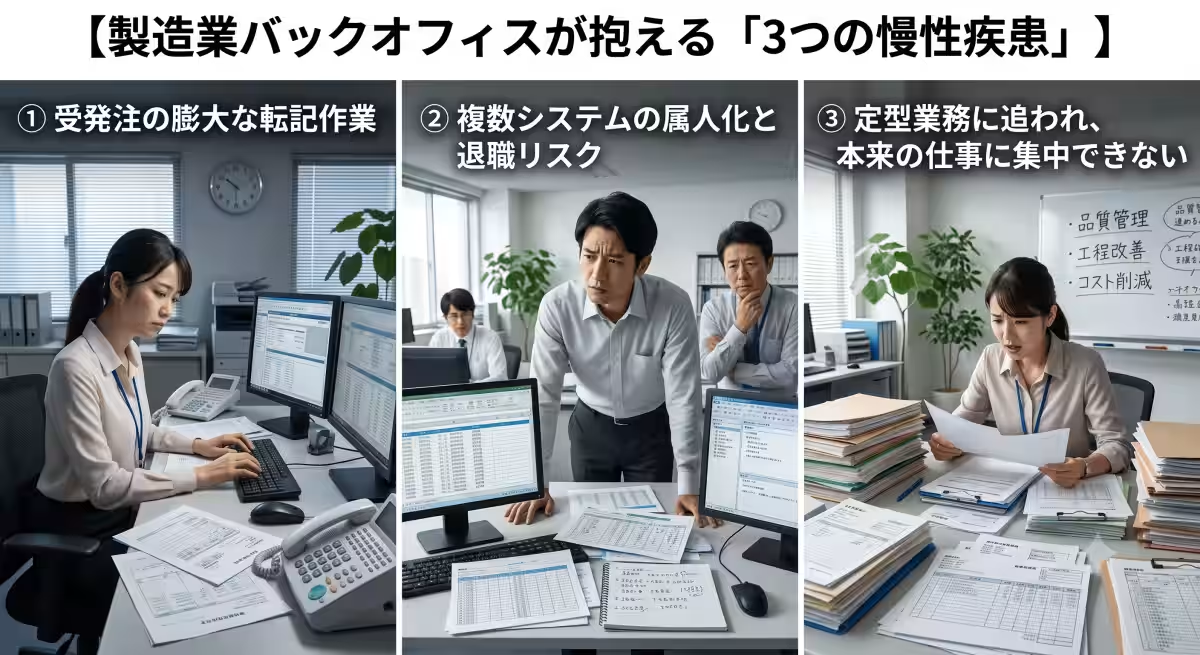
The following three challenges are common in manufacturing back offices and management departments:
1. Time-Consuming Data Entry:
Many companies are burdened by manual data entry tasks associated with order confirmations. On average, each order requires at least 10 minutes to input, leading to situations where employees can spend an entire half-day just transferring data.
2. Knowledge Reliance on Individuals:
The integration between various systems, including legacy systems, Excel, and ERP solutions, often exists solely in the minds of staff members. This situation poses significant risks as knowledge loss occurs when employees leave the company, increasing costs associated with knowledge transfer and the likelihood of errors in processes.
3. Focus on Routine Tasks:
Routine tasks such as invoice processing at month-end overshadow opportunities for improving quality control and production methodologies. Employees are often bogged down by tedious assignments rather than focusing on high-value areas of work.
Why RPA is Effective in Manufacturing
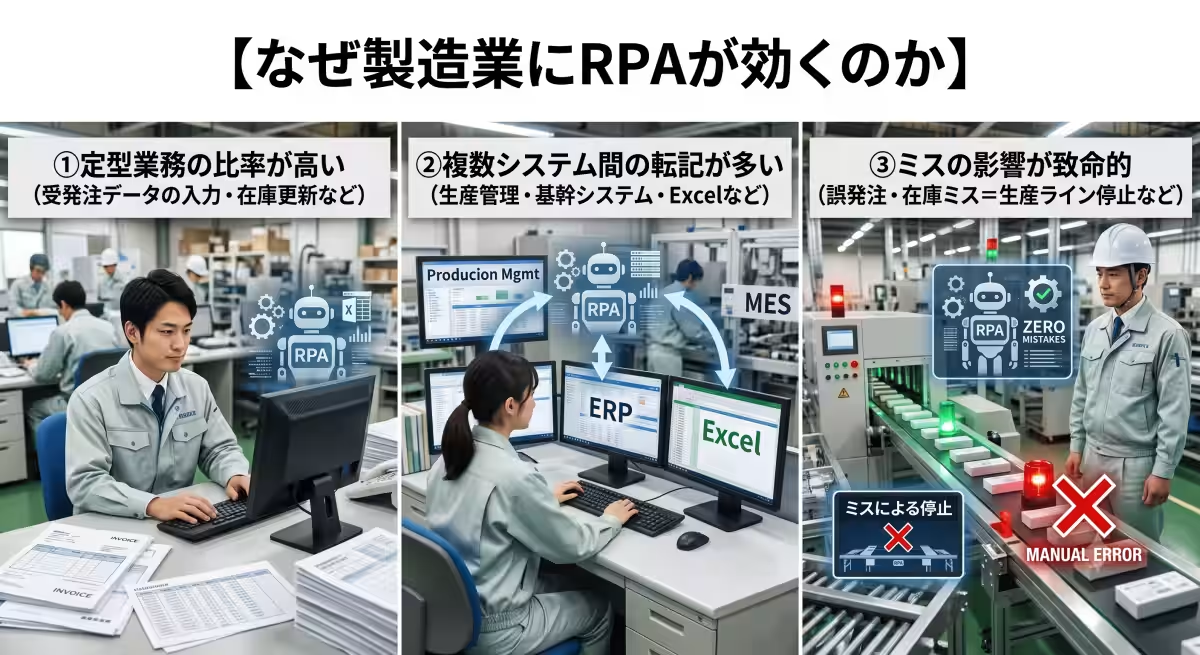
RPA (Robotic Process Automation) refers to the technology that allows software robots to perform routine tasks that would typically require human input on a computer. Here are three key reasons why RPA is particularly advantageous for the manufacturing sector:
1. High Proportion of Routine Work:
The nature of many tasks, such as order inputs and inventory updates, is straightforward, making them ideal candidates for automation.
2. Frequent Data Transfer Across Systems:
RPA excels in automating data transfers between different platforms, such as ERP systems, Excel, and production management applications.
3. Severe Impact of Errors:
Mistakes in order entry or inventory management can lead to critical production delays, heightening the demand for accurate, automated processes through RPA.
RPA-Powered Automation Use Cases in Manufacturing
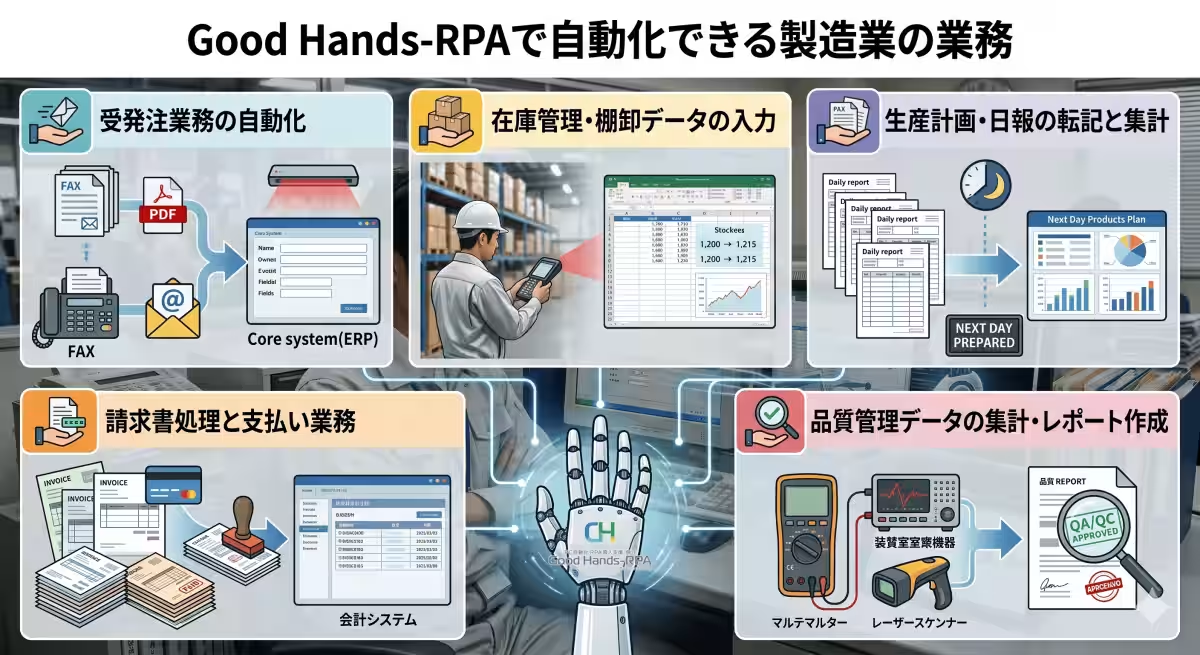
Good Hands-RPA can automate various essential functions in manufacturing:
- - Order Processing Automation:
- - Inventory Management Automation:
- - Production Reporting Automation:
- - Invoice and Payment Processing Automation:
- - Quality Management Report Automation:
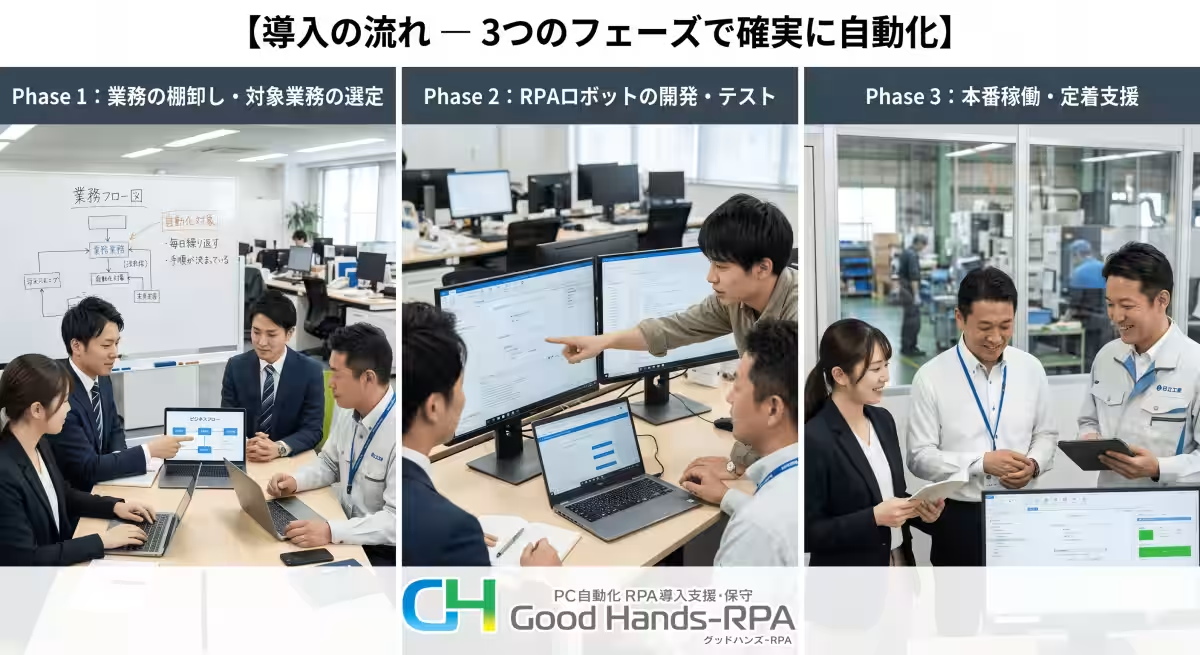
Implementation Process — Three Phases to Ensure Successful Automation
To implement Good Hands-RPA, businesses typically follow these three steps:
1. Business Inventory and Selection:
Evaluate current workflows and identify tasks ideal for automation, focusing on repetitive work with defined procedures.
2. Development and Testing of RPA Robots:
Develop tailored RPA solutions for selected tasks, undergoing rigorous testing to ensure accuracy before going live.
3. Live Launch and Ongoing Support:
After launching, continuous support ensures smooth operation even when business processes evolve.
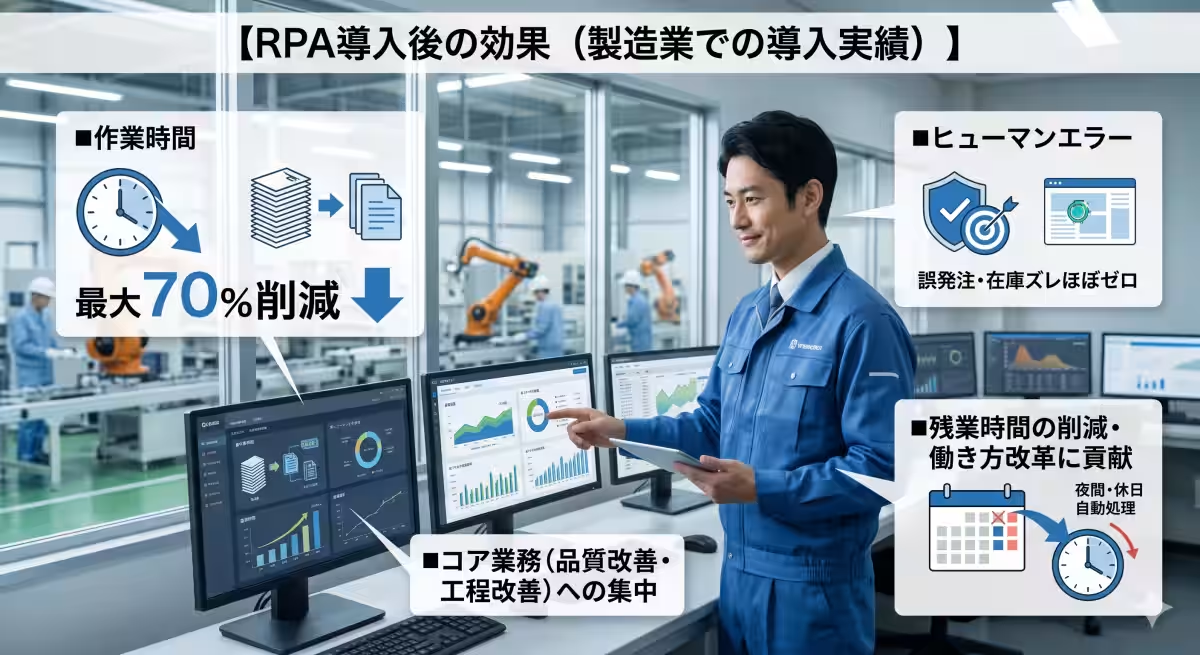
Anticipated Benefits After Adopting RPA
Following the integration of Good Hands-RPA, companies can expect:
- - Reduction in Task Times by up to 70%:
- - Minimized Human Errors:
- - Increased Focus on Core Functions:
- - Decreased Overtime:
Begin Your RPA Journey with Good Hands-RPA
Thinking about automating your processes? Getting started is easy with our complimentary online consultation. Simply fill in your company name, contact person, and email address on our form, and within minutes, you can set an appointment with one of our consultants.
Contact Information:
- - Replus Corporation
- - Official Website: Good Hands-RPA
- - Email or Online Consultation Request: Good Hands-RPA Form
Transform your business with RPA technology, ensuring a more efficient work environment for your manufacturing unit today!

Topics Consumer Technology)
【About Using Articles】
You can freely use the title and article content by linking to the page where the article is posted.
※ Images cannot be used.
【About Links】
Links are free to use.