



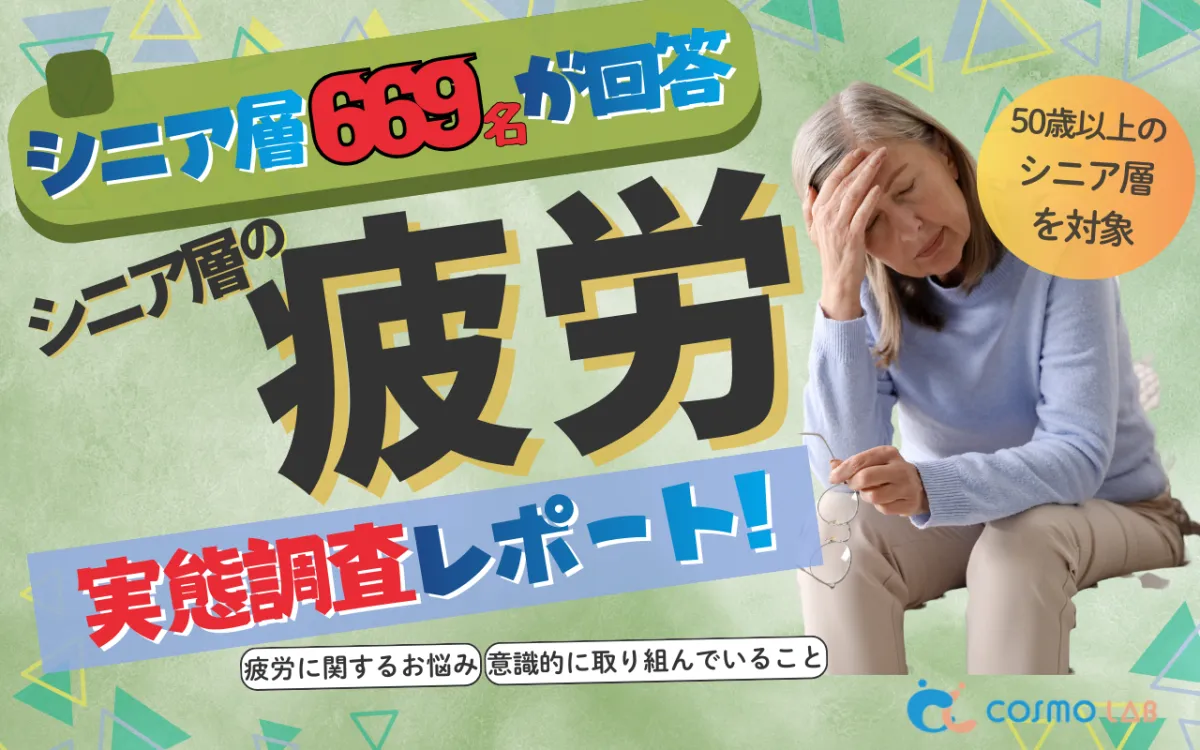
The Growing Need for Fatigue Recovery among Seniors: Insights from a Recent Survey
The Growing Need for Fatigue Recovery among Seniors
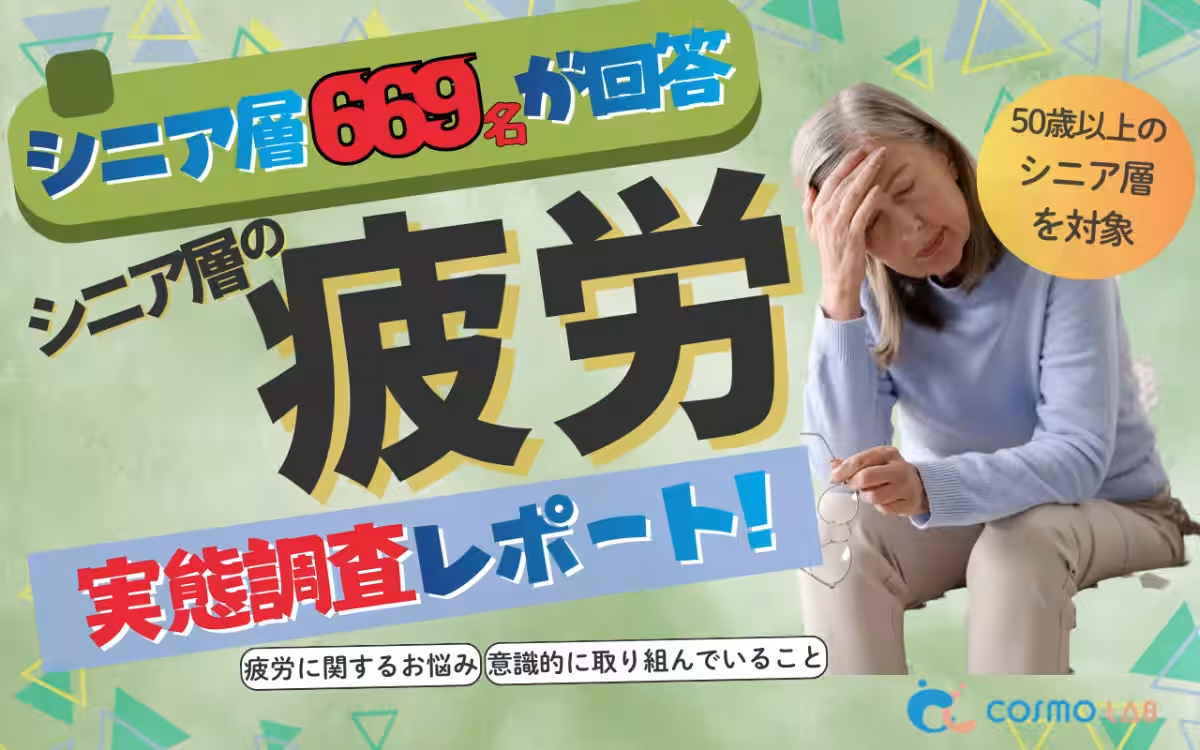
A recent research report released by Cosmo Lab, the marketing platform specializing in senior demographics, unveils a critical insight regarding fatigue among individuals aged 50 and above. This groundbreaking study surveyed 669 senior participants to explore their awareness of fatigue, the signs they observe, its impact on their daily activities, and the lifestyle habits they adopt for recovery.
Key Findings from the Survey
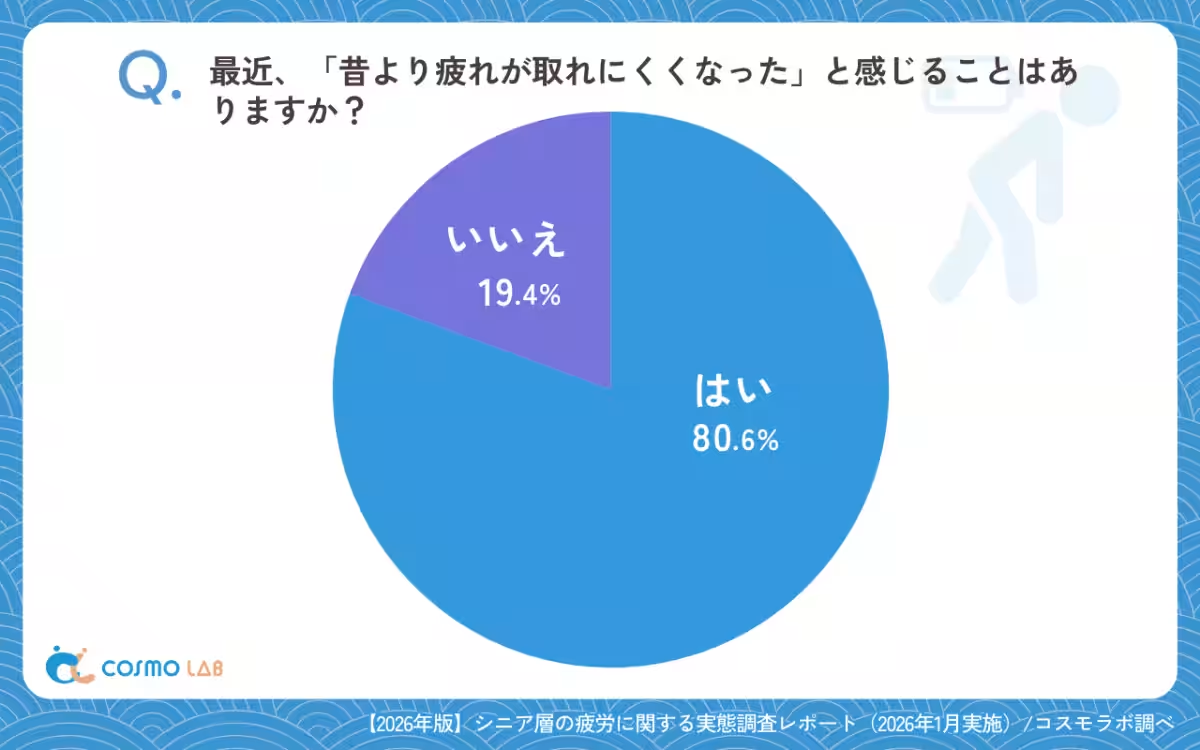
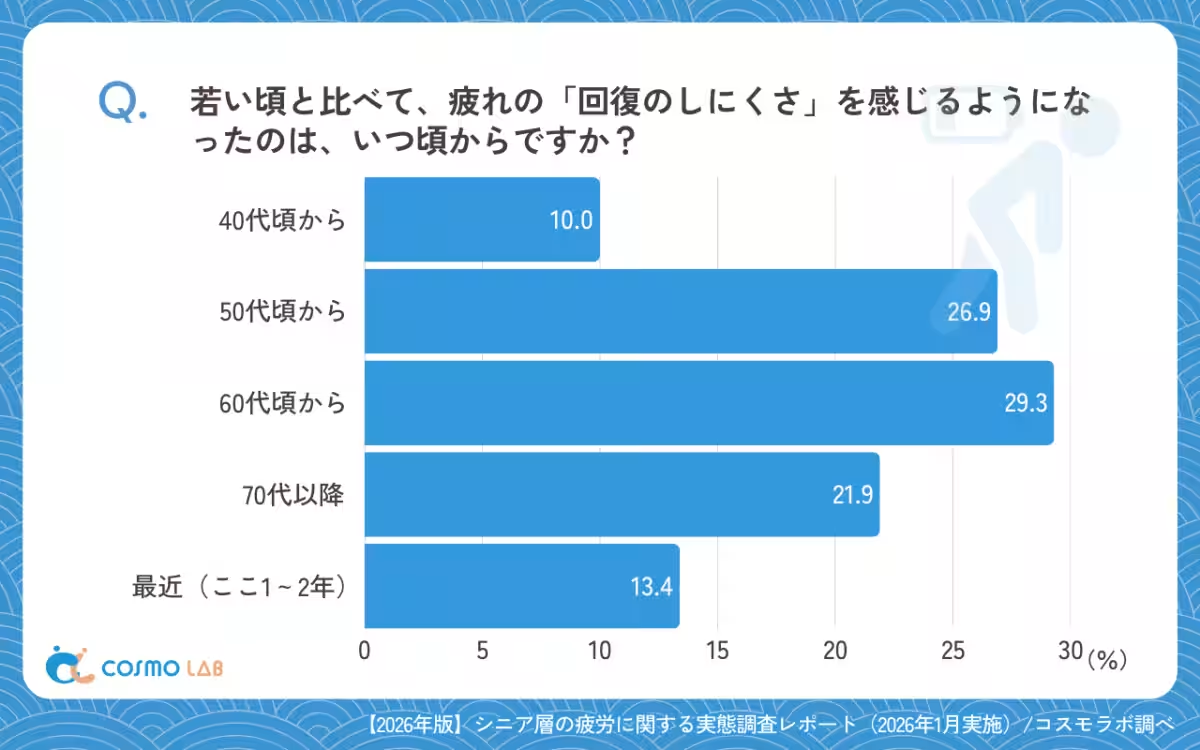
According to the survey, a staggering 80.6% of seniors reported that they find it more challenging to recover from fatigue compared to their younger years. When asked about when they first noticed this change, 29.3% of participants indicated that they began experiencing this shift around their 60s, closely followed by 26.9% who noticed it in their 50s. This paints a clearer picture of how age affects recovery capacities.
Signs of Fatigue
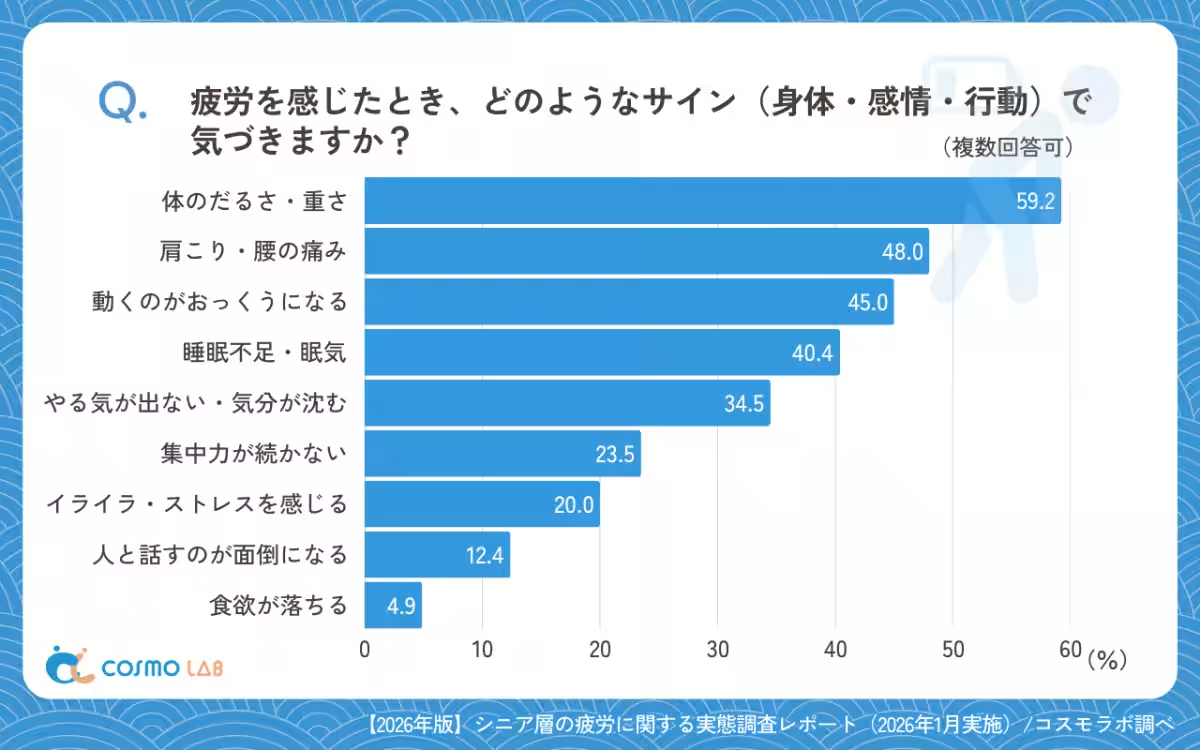
Participants identified several signs of fatigue, with 59.2% mentioning feelings of physical heaviness as the primary indication. Other reported signs included 48% experiencing neck or back pain and 45% feeling lethargic. Their responses suggest that many seniors are aware of fatigue not just as discomfort, but as a formidable barrier to their daily activities.
Preference for Recovery Tools
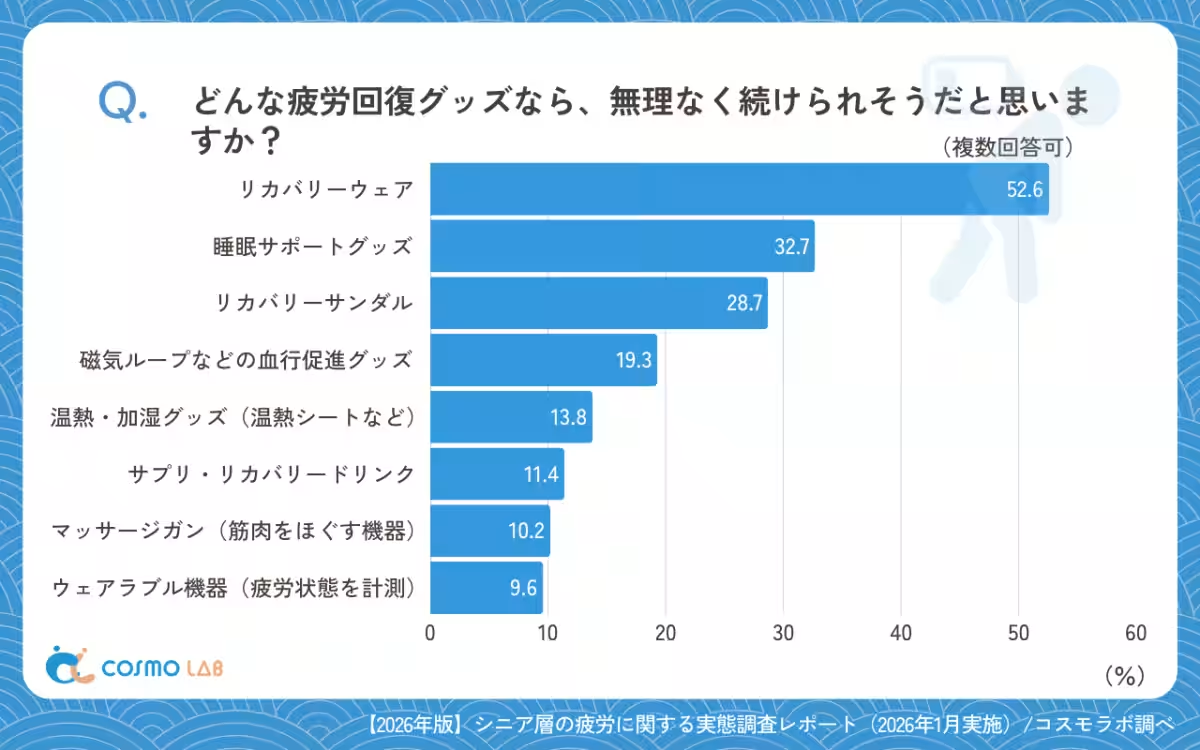
When discussing fatigue recovery tools, a significant 52.6% expressed a preference for “wearable recovery clothing,” which encompasses garments designed to help alleviate fatigue. This trend of choosing accessible and non-intrusive recovery methods hints at a growing market for products tailored to seniors' needs. Alongside recovery clothing, sleep-related items and recovery sandals also emerged as popular choices, suggesting that seniors prefer tools that integrate seamlessly into their daily lives.
Lifestyle Changes for Recovery
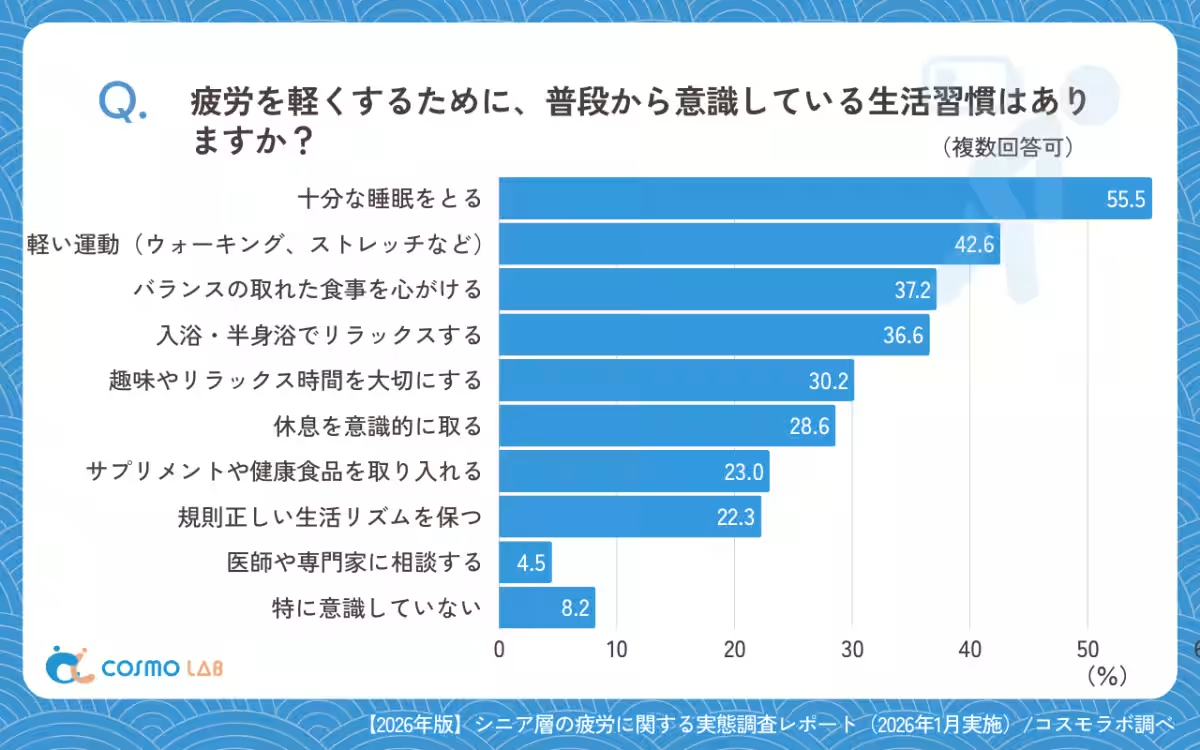
The survey revealed that the most common lifestyle practices promoted for combating fatigue include getting ample sleep (55.5%), engaging in light physical activity like walking or stretching (42.6%), and striving for balanced nutrition (37.2%). Additionally, 36.6% of participants emphasized the importance of relaxation through activities like baths to relieve fatigue, reflecting a traditional yet effective approach to self-care.
Impact of Fatigue on Daily Life
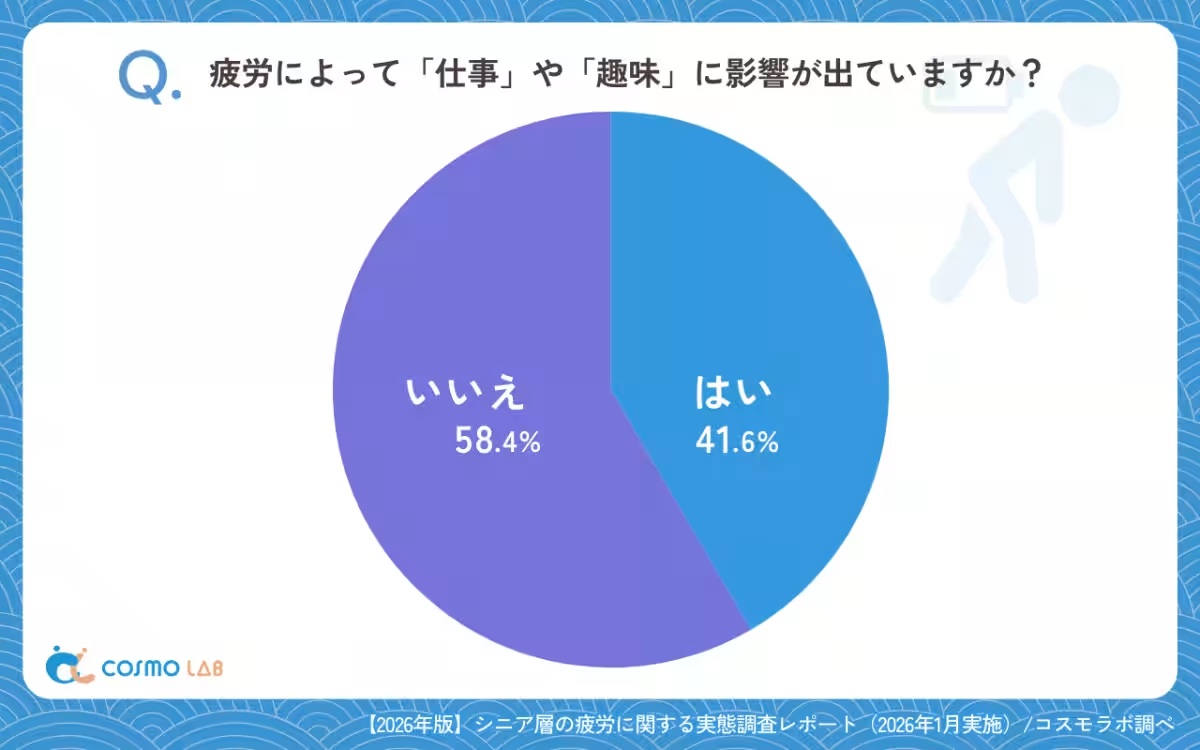
While 58.4% of respondents indicated that fatigue hadn’t significantly disrupted their work or hobbies, 41.6% acknowledged that it had affected them. This apparent division underscores the importance of addressing fatigue, as it can impact not only physical health but also emotional well-being and social engagement.
Interest in Recovery Wear
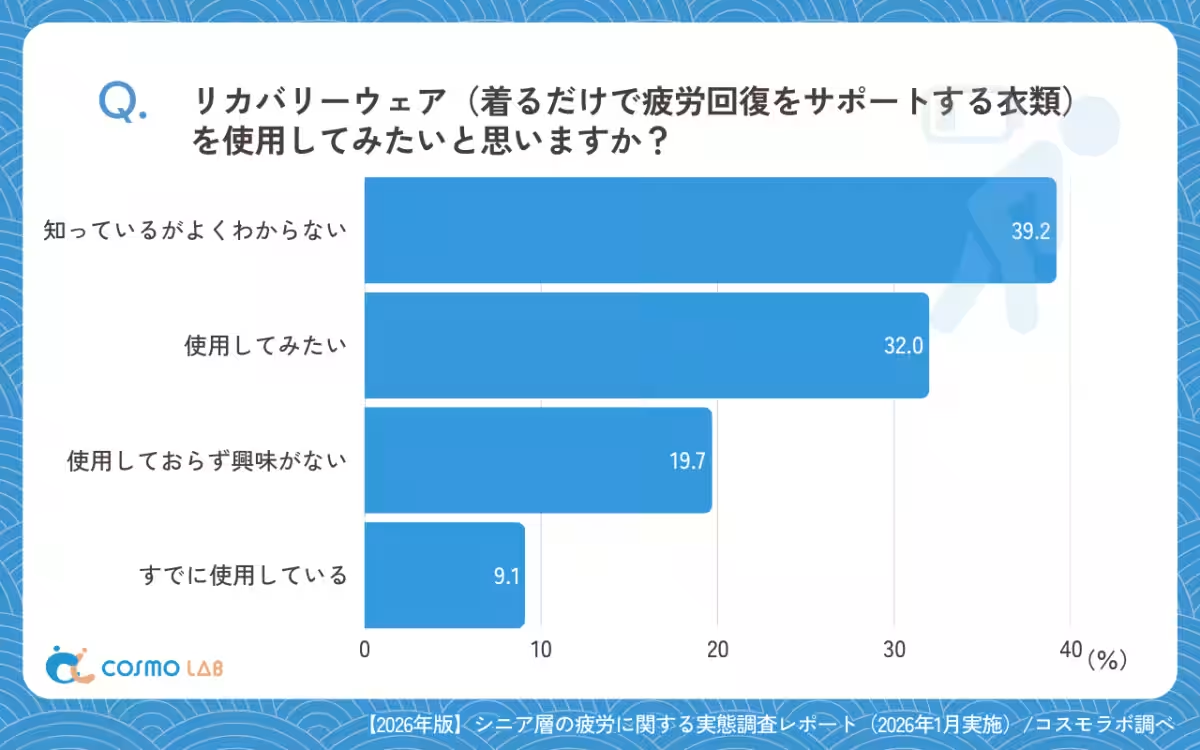
Interestingly, 39.2% of participants were aware of recovery wear but felt they didn't fully understand its benefits, with 32% expressing interest in trying it. This indicates a potential gap in knowledge and suggests that informative campaigns could enhance usage rates among seniors, promoting a deeper interest in health-conscious products.
Desired Effects of Recovery Tools
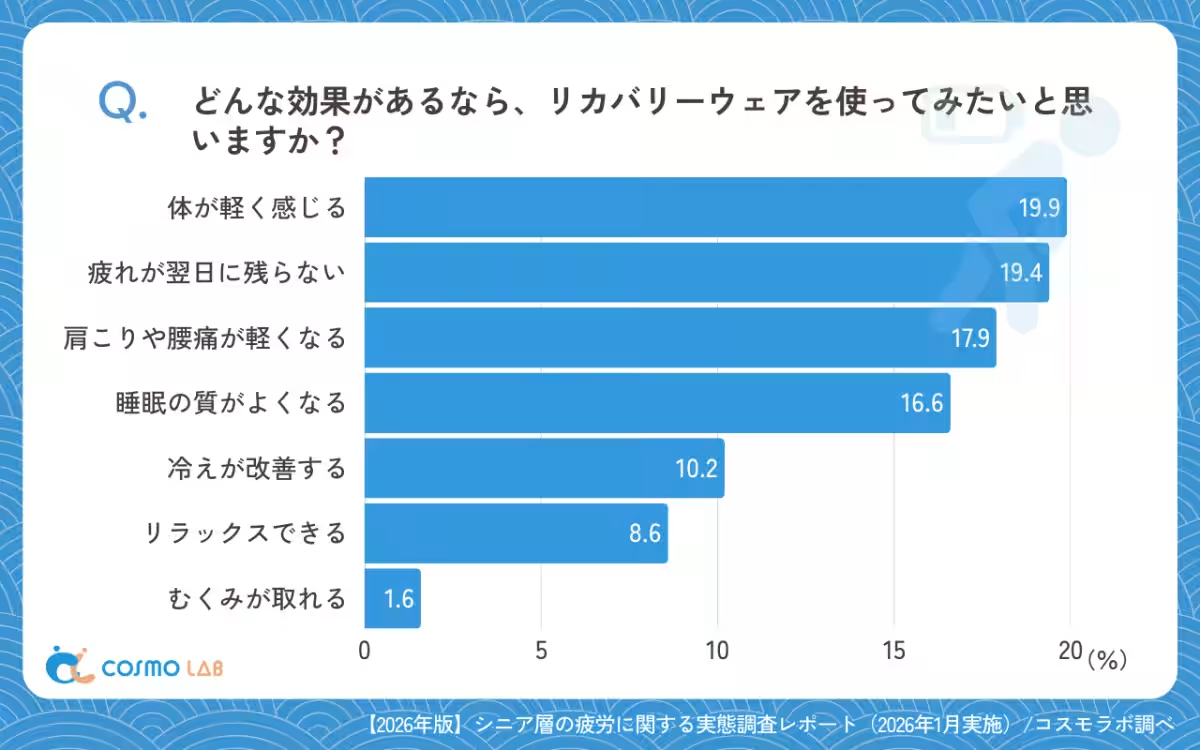
When queried about the benefits they would seek from recovery wear, the top responses included: feeling lighter (19.9%), preventing fatigue from lingering into the next day (19.4%), easing muscle soreness (17.9%), and improving sleep quality (16.6%). These results point toward a clear expectation for tangible results to encourage adoption.
Conclusion
The findings from this survey paint a compelling picture of fatigue among today's seniors. The need for effective recovery strategies is evident, especially as many report a decline in recovery capabilities starting around their 50s and 60s. Importantly, this indicates a health trend where support systems that fuse seamlessly into seniors' routines may see increased acceptance and success.
Through Cosmo Lab's ongoing research initiatives, the exploration of such themes continues. We delve into various aspects of the senior demographic to ensure that health, wellness, and lifestyle options are accessible and applicable. For further insights and data, visit the Cosmo Lab website.
Topics Health)
【About Using Articles】
You can freely use the title and article content by linking to the page where the article is posted.
※ Images cannot be used.
【About Links】
Links are free to use.