



Innovative Upcycled Paper Products Developed by Kanagawa University and Daiichi for Heat Mitigation
Innovative Heat Mitigation Products through Upcycled Paper Yarn
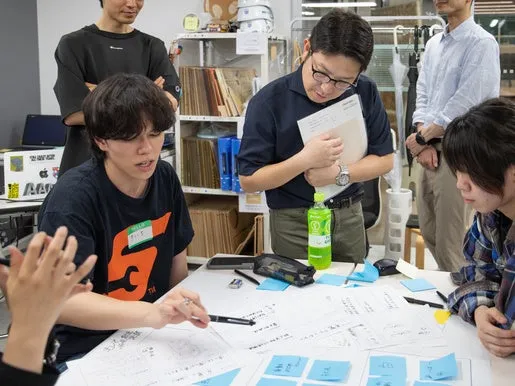
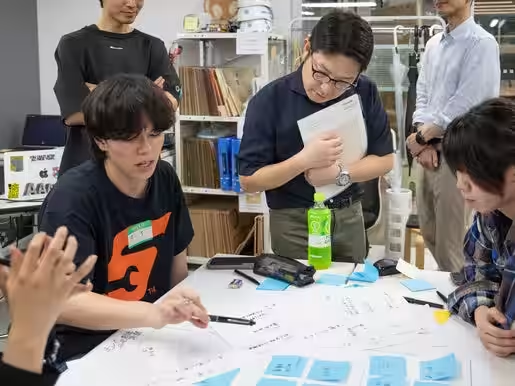
In light of the upcoming GREEN×EXPO 2027, the Yokohama Future Creation Conference has initiated a collaborative project aimed at fostering a sustainable society. This endeavor brings together promising students from Kanagawa University and Daiichi Corporation, a company based in Yokohama, to develop unique products that tackle extreme heat using upcycled paper yarn. This initiative not only highlights the importance of environmental sustainability but also emphasizes collaboration between academia and the industry.
Project Background
The collaboration was sparked by concerns over the rising temperatures that are expected to be a significant focus at the GREEN×EXPO 2027. By employing innovative strategies that utilize local resources, the project aims to address the challenges associated with heat adaptation.
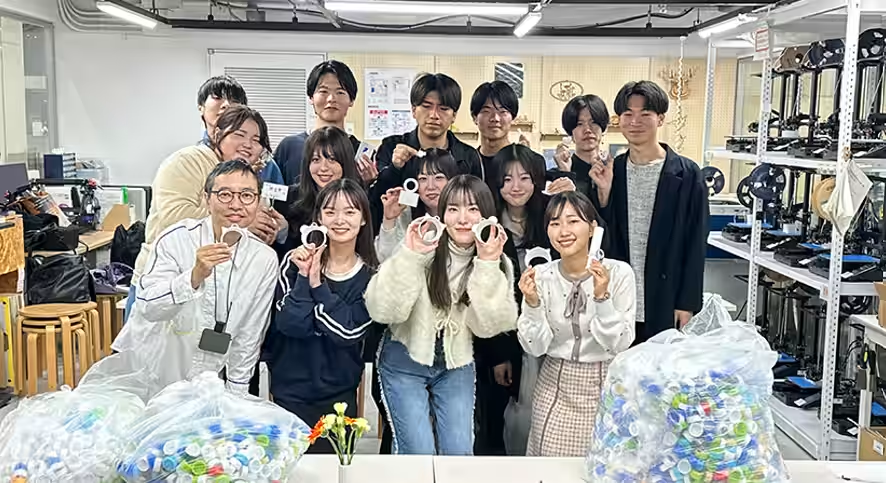
The Kanagawa University Doyou Seminar, which is known for its emphasis on sustainable design and creative thinking, along with Daiichi's expertise in material and technology, teamed up to explore practical applications of upcycled materials. This creative fusion, leveraging the unique characteristics of upcycled paper yarn, has led to the development of heat mitigation products that can significantly improve the comfort levels in high-temperature environments.
Development Process
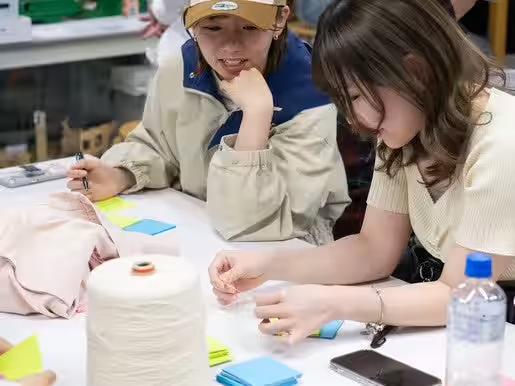
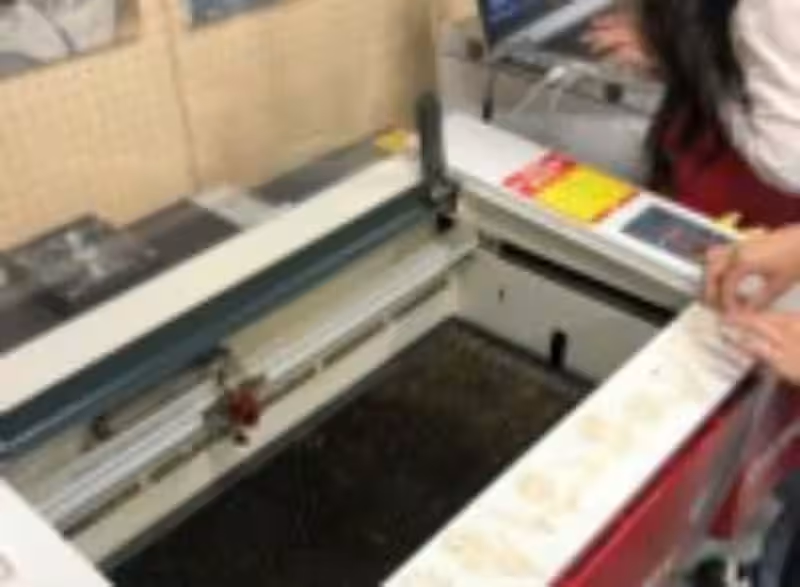
Over the course of four months, the students and Daiichi worked closely to develop products that not only meet the functional necessity of heat resistance but also incorporate vibrant designs that resonate with Yokohama's cultural identity. Through the use of digital devices like 3D printers, the team reimagined traditional forms of clothing and accessories into modern sustainable products.
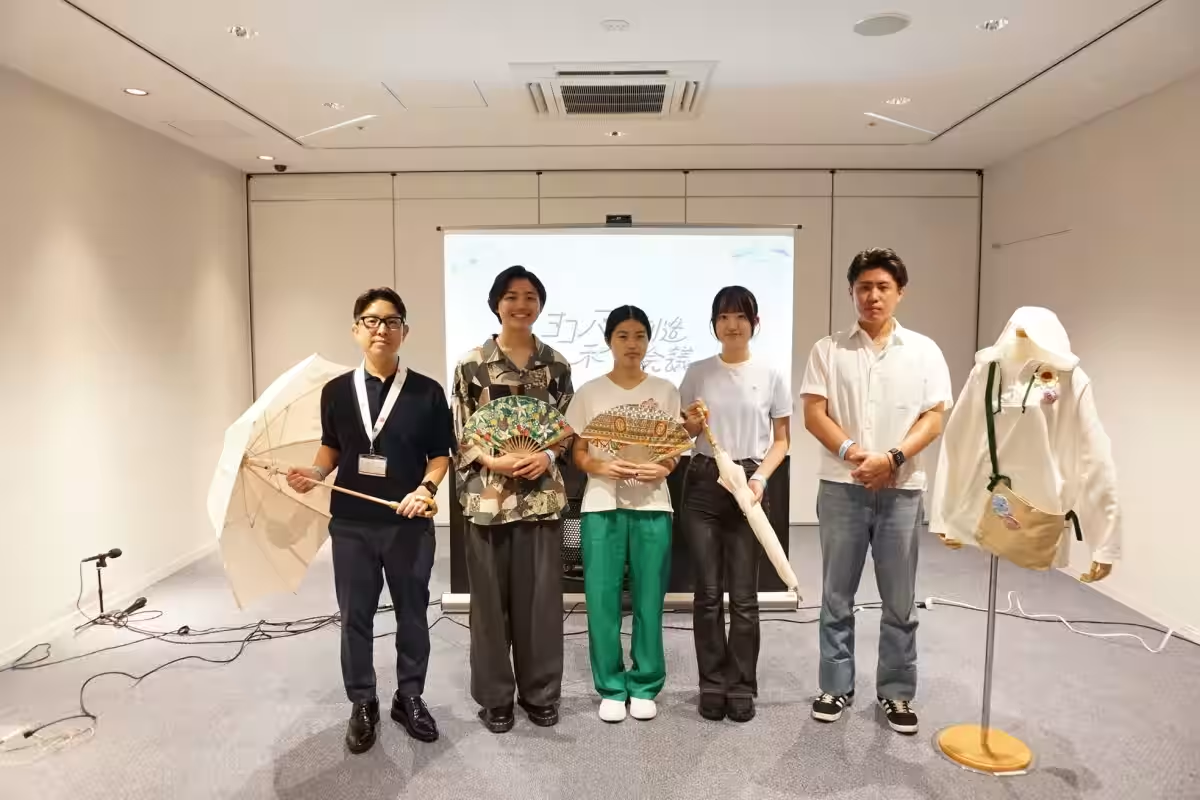
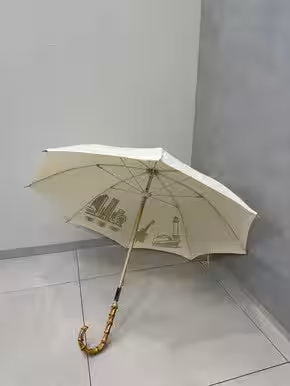
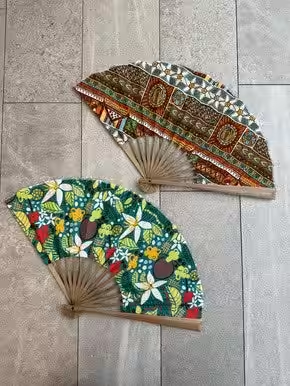
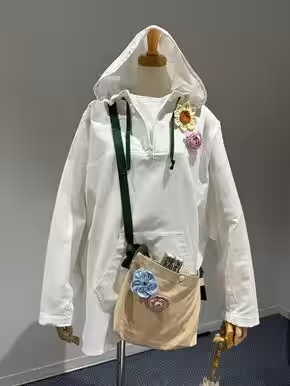
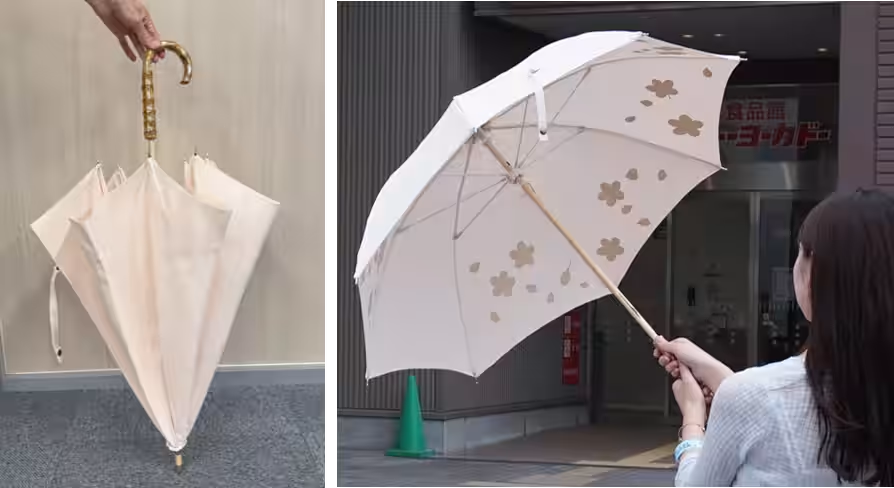
Among the creations are multifunctional items such as umbrellas that protect against both sun and rain, fans, and T-shirts with hoods for staff at the expo, all adorned with decorative motifs inspired by local flora. These products are carefully designed to deliver effectiveness while also appealing visually.
Product Features
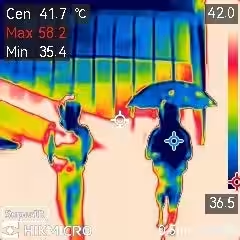
One of the standout products is the versatile umbrella, which has been rigorously tested using thermal cameras to verify its effectiveness. The results confirmed that temperatures under the umbrella were significantly lower than outside without it, demonstrating the product's capacity to combat extreme heat. This innovative approach to comfort and protection is set to revolutionize how individuals experience high temperatures during events like the GREEN×EXPO 2027.
Future Plans
Looking ahead, the team plans to integrate these umbrellas into a sharing service called “iKasa,” managed by Nature Innovation Group. This initiative will enable expo attendees and the general public to access sustainable shade conveniently. The umbrellas will appear at strategic locations, such as the main entrance of the event at Seyamachi Station, promoting a culture of sharing and sustainability.
Beyond umbrellas, other products are currently under enhancement to further improve their insulation properties and usability. Daiichi aims to expand these innovations into merchandises and uniforms, reinforcing the objective of creating a comprehensive sustainable product line.
Special Crafting with Local Resources
In a bid to honor local heritage, the project incorporates elements of community by using cherry trees from Kamiseya. Due to safety concerns, these trees were previously slated for removal, yet the project saw potential in them. By dyeing the fabrics a beautiful cherry blossom color and incorporating floral motifs, the students have ensured that these beloved trees continue to be part of the local landscape in a novel way.
Conclusion
This partnership exemplifies what can be achieved when young minds unite with industry veterans to tackle environmental issues creatively. The Yokohama Future Creation Conference continues to provide a platform for dialogue and innovation, driving forward the message of sustainability in every facet of life. As we move closer to 2027, such initiatives shine brightly as beacons of hope for a more sustainable and collaborative future.
For further insights:




Topics Environment)
【About Using Articles】
You can freely use the title and article content by linking to the page where the article is posted.
※ Images cannot be used.
【About Links】
Links are free to use.