



Groundbreaking Terahertz Communication with Autonomous Robots Pioneered by Dexerials
Historic Terahertz Communication with Autonomous Robots
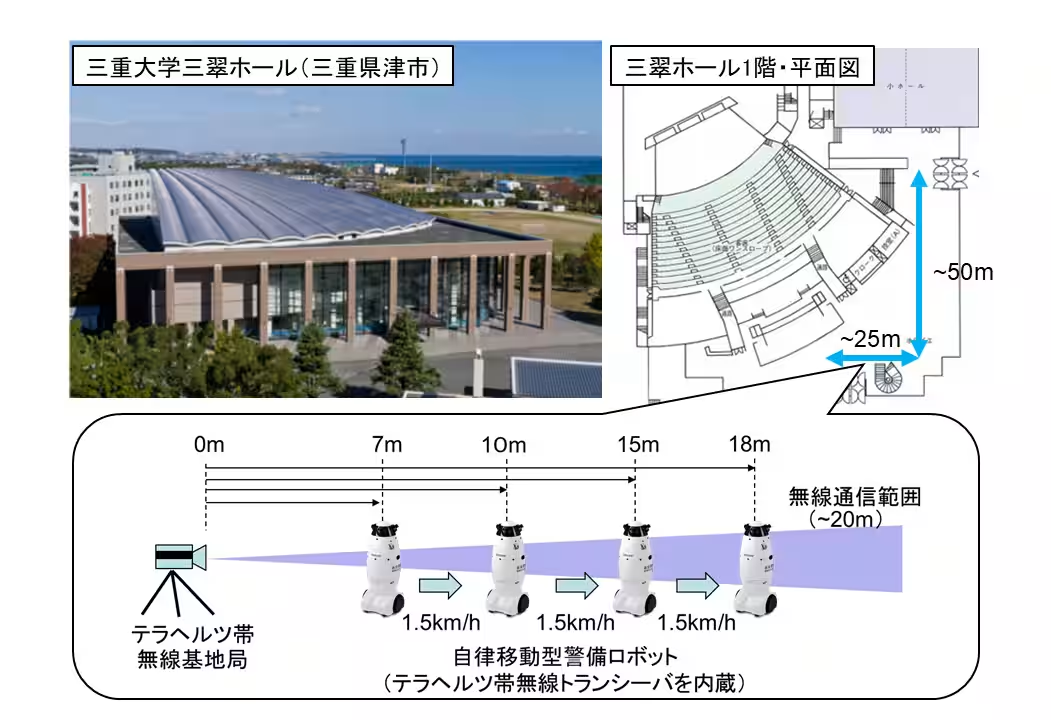
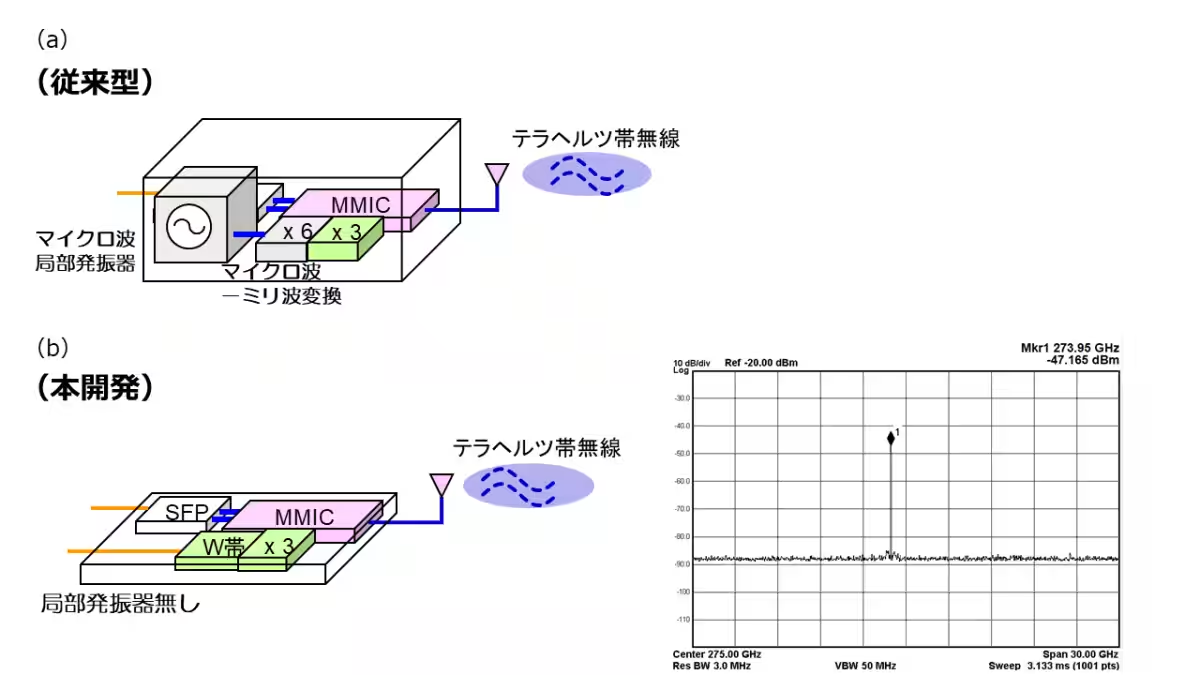
In a significant advancement in communication technology, Dexerials Photonics Solutions, in collaboration with various academic and industrial partners, has successfully demonstrated the world's first terahertz communication system with autonomous mobile security robots. This monumental achievement took place on February 19, 2025, at Mie University, Mie Prefecture, Japan, and involved high-speed data transmission of up to 4.54 Gbps using a custom-developed terahertz transceiver.
Innovative Project Collaboration
The initiative also included Mie University, International Electric Co. Ltd., KDDI Research Institute, and Toyo Electric Corporation. The project aims to bridge the advancements in wireless communication technology and deploy these innovative systems into real-world applications. The first field test focused on high-speed communication facilitated by a circuit designed to work in tandem with an autonomous mobile security robot produced by SEQSENSE Co., Ltd.
First Successful Test
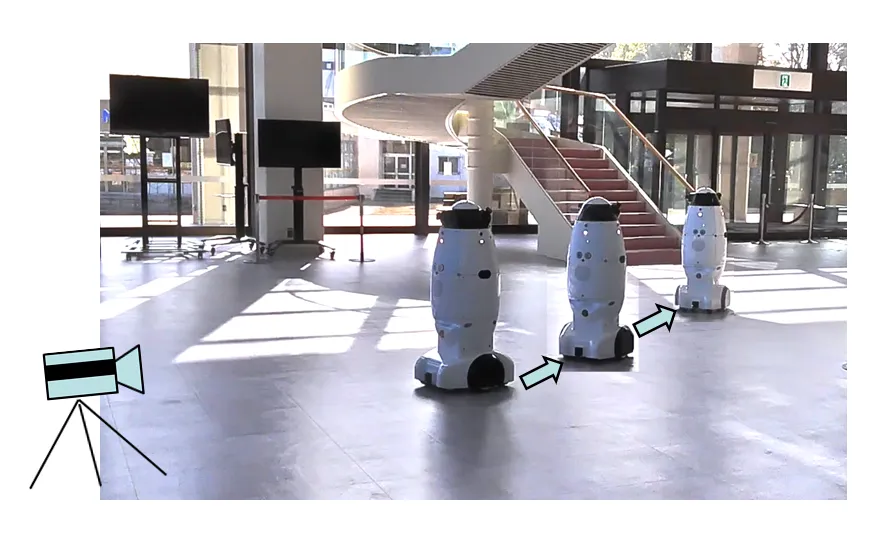
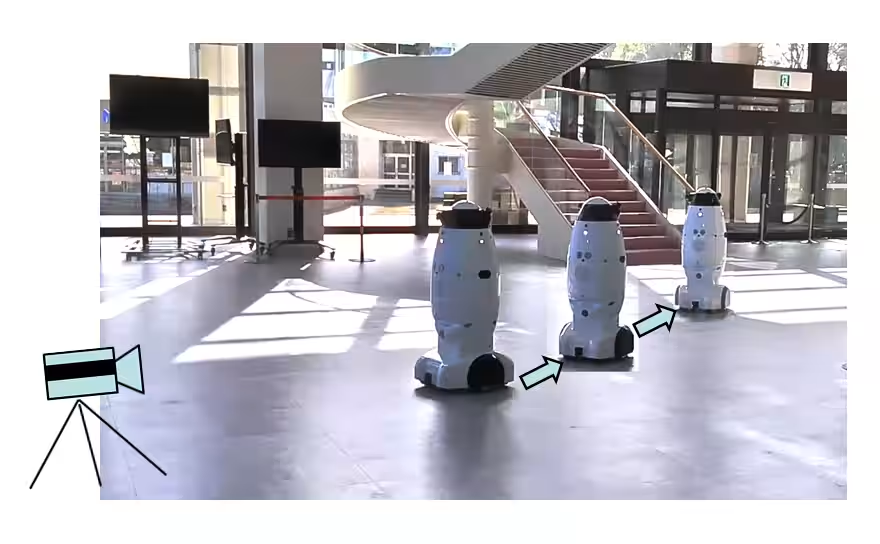
Using a proprietary terahertz-band transceiver, experiments were conducted to achieve bidirectional communication with the autonomous security robot, which was able to move across defined areas. With speeds reaching approximately 1.5 km/h, the robot communicated with a fixed base station, showcasing the potential for real-time data transmission in dynamic environments. This is a significant step in applying terahertz technology, previously restricted to fixed installations, in mobile settings.
The Second Successful Demonstration
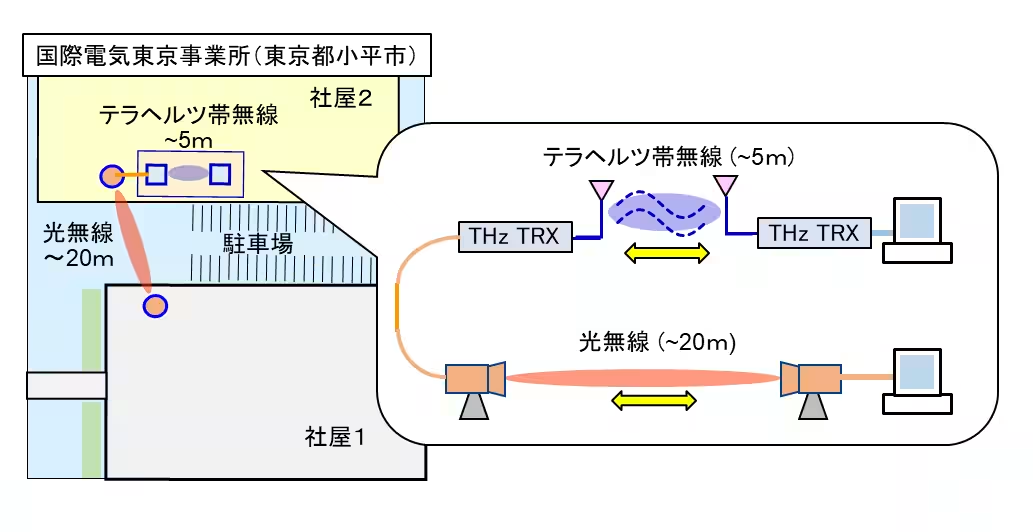
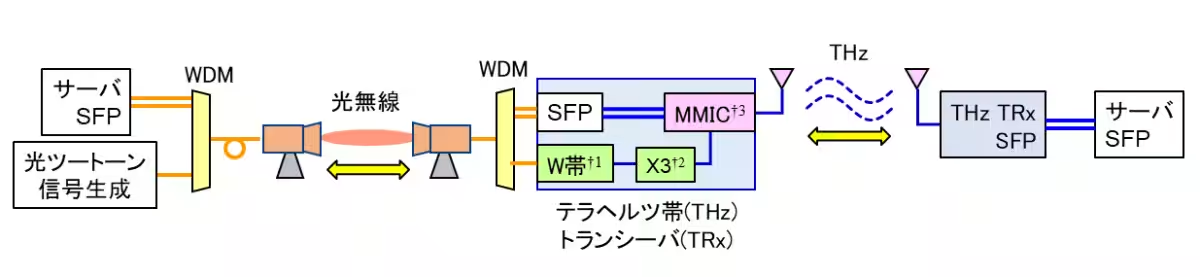
On April 22, 2025, a subsequent demonstration took place at the International Electric Tokyo facilities, specifically showcasing the capability of cascading terahertz communication with all-optical wireless systems. The successful fusion of these technologies illustrated not only the efficient transmission of large-scale data but also a new hybrid transmission system capable of combining the strengths of various technologies to enhance communication abilities.
New Applications on the Horizon
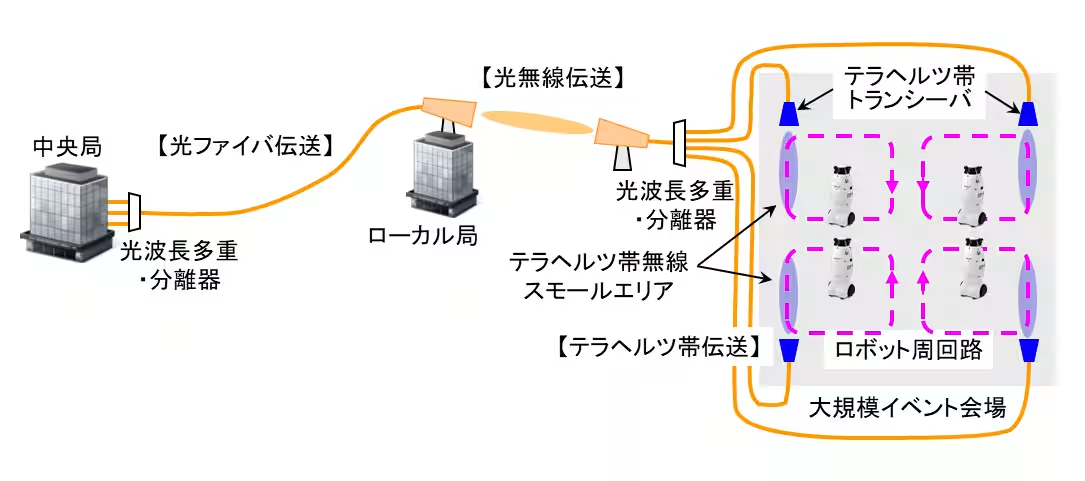
The breakthroughs achieved through these demonstrations pave the way for innovative applications in various settings, particularly in large-scale events. For instance, linking a data center to the event venue via fiber-optic communication, augmented by optical wireless technology to connect small terahertz coverage areas, could be implemented. This would facilitate high-speed transmission of vital data and ensure secure communications for operational needs without interference from public users.
Beyond 5G Research Initiative
These impressive results are part of the Beyond 5G research program commissioned by the National Institute of Information and Communications Technology (NICT) in Japan, which focuses on developing advanced integrated communication systems that meet the demands of future wireless standards, enabling ultra-high-speed, low-latency communication. The utilization of terahertz communication systems is especially pivotal, given their potential to transmit vast amounts of data at significantly higher rates than traditional microwave technologies.
Conclusion
The successful field trials conducted by Dexerials and its partners signify a turning point in the implementation of state-of-the-art terahertz communication technologies. By integrating these advancements, we can expect new use cases that revolutionize not just security measures but also myriad functions in communications, enhancing operational efficiency and responsiveness in varied applications.
The potential for autonomous mobile robots to engage in such high-speed communications could redefine how we approach security, safety, and data management across multiple platforms and industries.
For additional inquiries or further information on the project, Peter Johnson or Maria Tanaka can be contacted through Dexerials' official communication channels.
Topics Consumer Technology)
【About Using Articles】
You can freely use the title and article content by linking to the page where the article is posted.
※ Images cannot be used.
【About Links】
Links are free to use.