



Understanding the Hidden Risks of Sleep-Related Heart Issues During Summer Nights
Introduction
As summer nights grow increasingly warm, the risk of heat-related illnesses like night-time heatstroke is becoming a pressing issue. A survey conducted by Cocoromil, a Tokyo-based health tech startup, highlights a significant gap between experiencing discomfort during the night and recognizing the associated risks to heart health.
Survey Findings
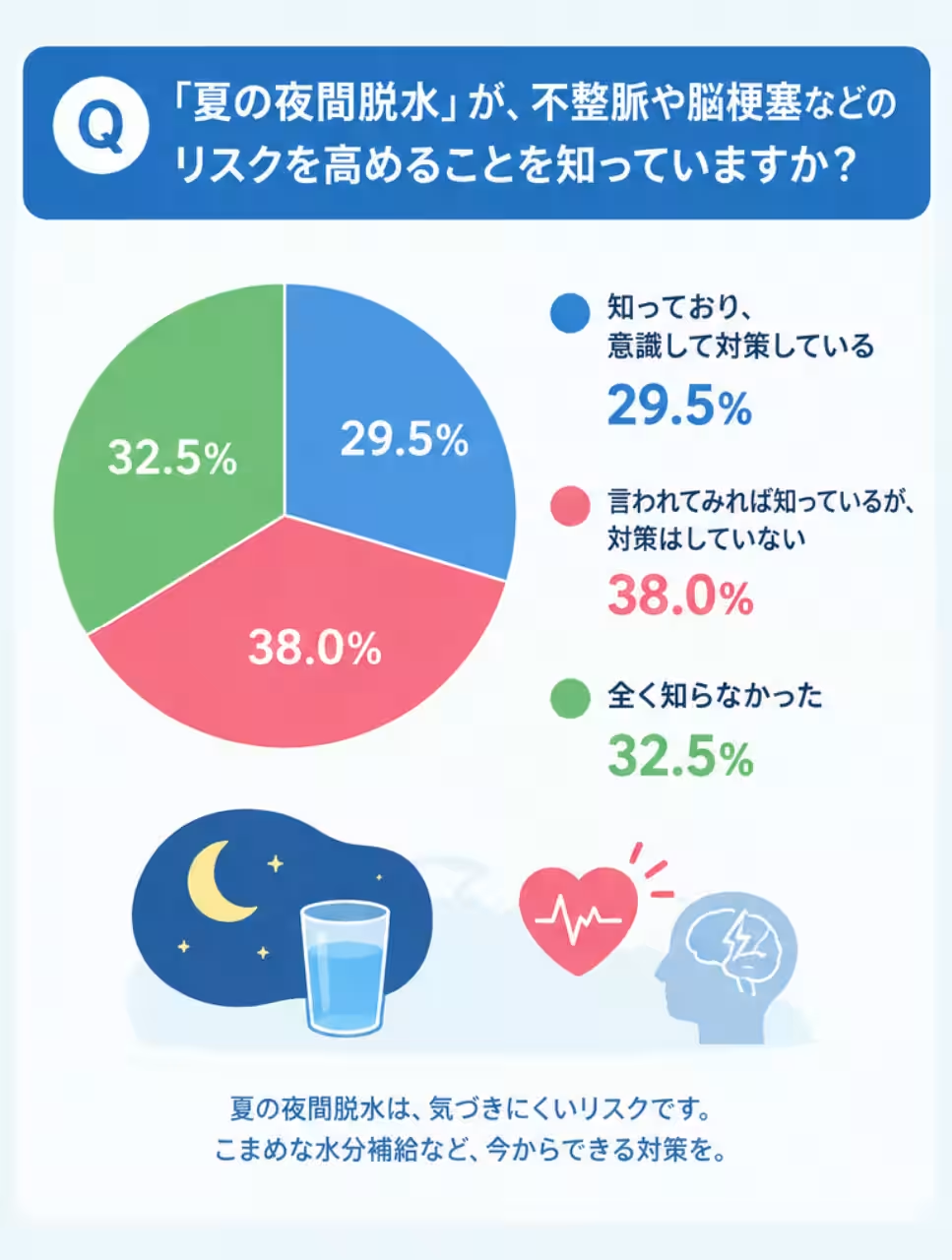
The survey targeted 329 individuals aged between 40 and 70, focusing on their experiences with health changes during sleep in the summer. Shockingly, 62% reported feeling some form of physical discomfort at night or upon awakening. Despite such a high percentage of respondents experiencing discomfort, less than 30% were aware of the increased risks of arrhythmia and stroke associated with dehydration during hot summer nights.
Key Survey Highlights
1. Health Changes: 62% of participants felt some form of discomfort during summer nights.
2. Awareness of Risks: 70.5% were unaware or did not take action regarding dehydration risks leading to arrhythmia or stroke.
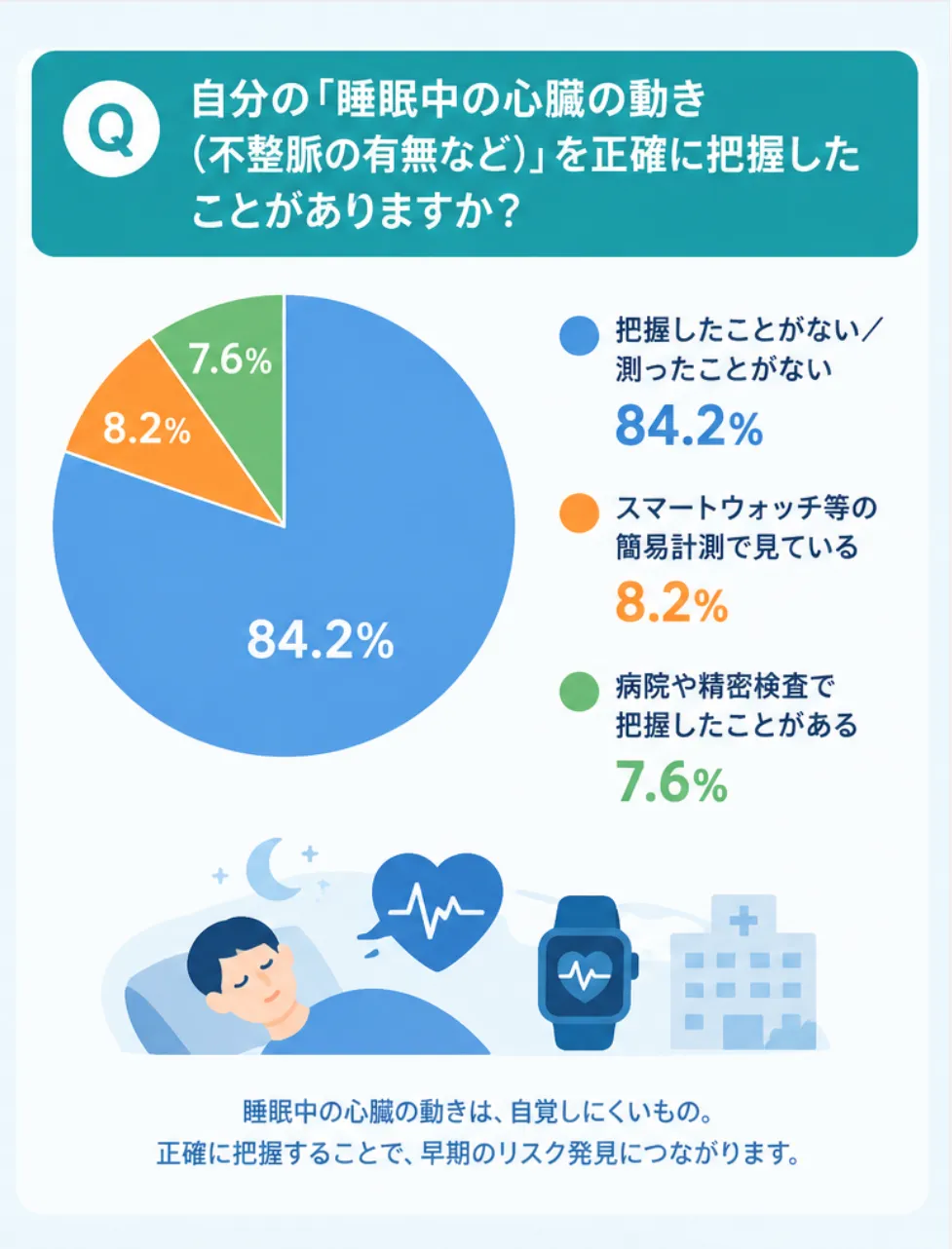
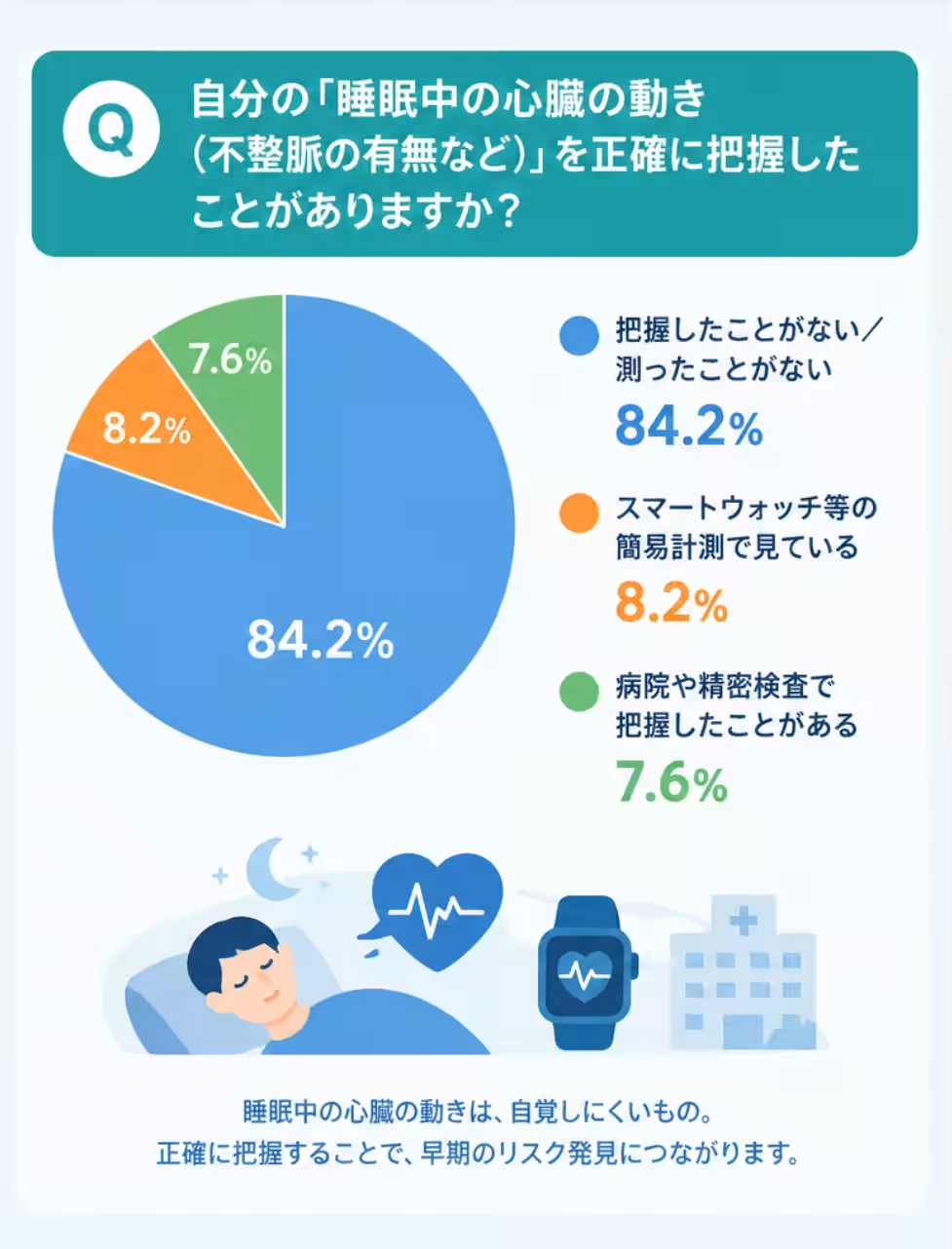
3. Lack of Monitoring: An overwhelming 92.4% had never monitored their heart activity during sleep through clinical assessment.
Common Symptoms Experienced
Participants reported a variety of discomforts during hot nights:
- - Dry mouth/throat: 35.0%
- - Muscle cramps: 18.5%
- - General fatigue: 17.6%
- - Night sweats: 14.3%
- - Dizziness: 9.4%
- - Headaches: 9.1%
- - Palpitations: 3.3%
These symptoms serve as indicators of significant health risks: dehydration can lead to increased blood viscosity, which exerts extra strain on the heart, possibly resulting in serious events like strokes.
The Medical Perspective
Understanding the Risks
Despite the common misconception that cardiovascular issues peak in winter, research shows that the incidence of strokes actually reaches its height in summer. The correlation lies in several factors:
1. Dehydration and Blood Viscosity: Increased sweating leads to a loss of water in the blood, making it thicker and promoting clot formation.
2. Elevated Stress Response: Heat causes the sympathetic nervous system to stay active, leaving the heart in a state of elevated readiness and stress throughout the night.
3. Silent Arrhythmia Risks: Individuals might have undetected arrhythmias that dehydration can exacerbate, leading to severe outcomes by the morning.
Bridging the Awareness Gap
Cocoromil's data shows that while awareness of these risks is crucial, the transition from knowledge to preventive action is lacking. Only 3 out of 10 respondents actively took steps to mitigate their risks despite experiencing night-time discomfort. This underscores the importance of fostering reliable preventive measures as a community to reduce incidences of cardiovascular events related to summer heat.
Actionable Steps for Prevention
1. Hydration Before and After Sleep
Encouraging a glass of water before bed and upon waking can counteract potential dehydration. Keeping water by the bedside can help lessen concerns about late-night trips to the bathroom.
2. Continuous Air Conditioning Usage
Setting the air conditioning to run continuously at a set temperature during the night can prevent dehydration brought on by rising indoor temperatures after turning it off.
3. Monitoring Heart Activity
Utilizing high-precision heart monitoring devices can help treat and monitor unseen arrhythmias. Many people have never had an accurate heart monitoring session, missing out on critical information that could safeguard their health.
Conclusion
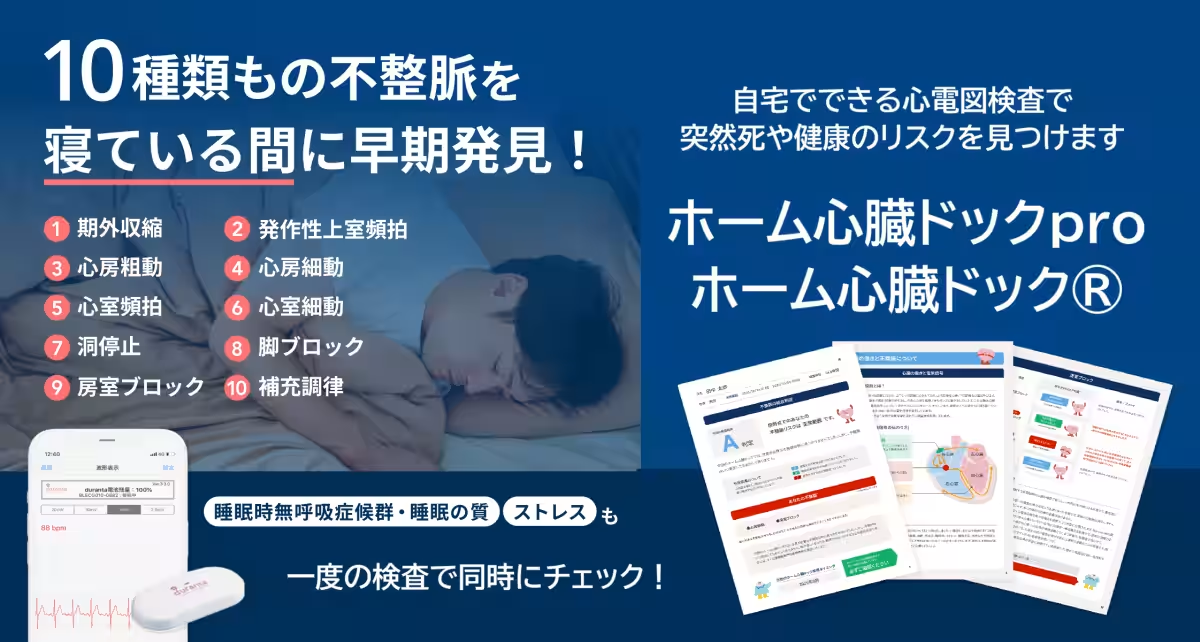
Cocoromil's CEO, Daiki Hayashi, notes the overlooked risks behind night-time heat effects on the heart. This summer, individuals should prioritize monitoring their heart health to visually identify potential risks and foster proactive health management. Cocoromil's wearable ECG service provides a convenient solution for individuals seeking to understand their night-time heart activity and mitigate these summer-related risks.
Call to Action for Media Professionals
Cocoromil encourages inquiries related to interviews, product experiences, and further data analysis. By collaborating, we can raise awareness about hidden health risks and empower more individuals to take proactive steps for their heart health this summer and beyond.


Topics Health)






【About Using Articles】
You can freely use the title and article content by linking to the page where the article is posted.
※ Images cannot be used.
【About Links】
Links are free to use.