



The Rising Trend of Using AI as Investment Advisors Among Individual Investors
The Advent of AI as Investment Companions for Individual Investors
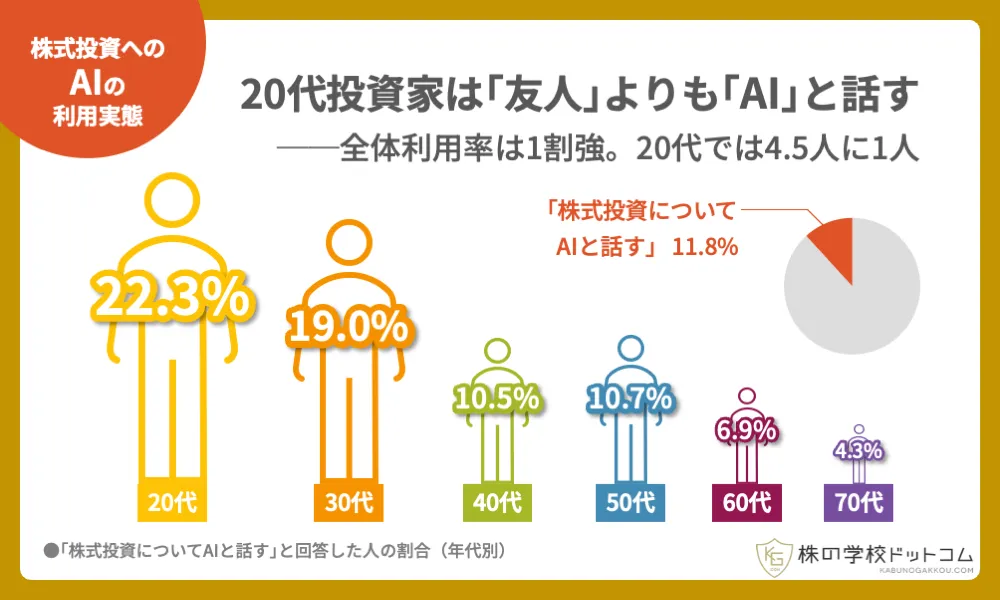
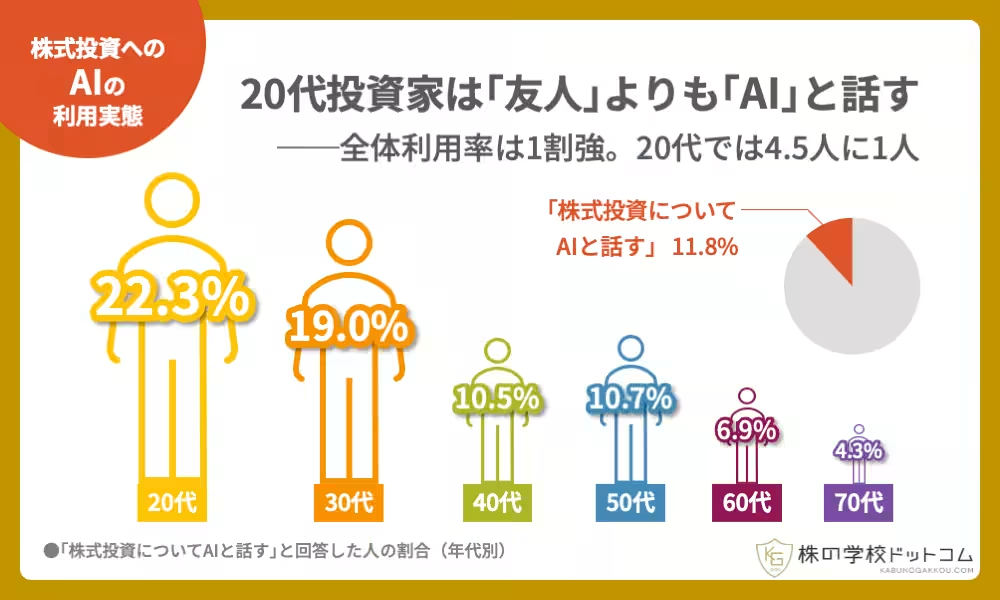
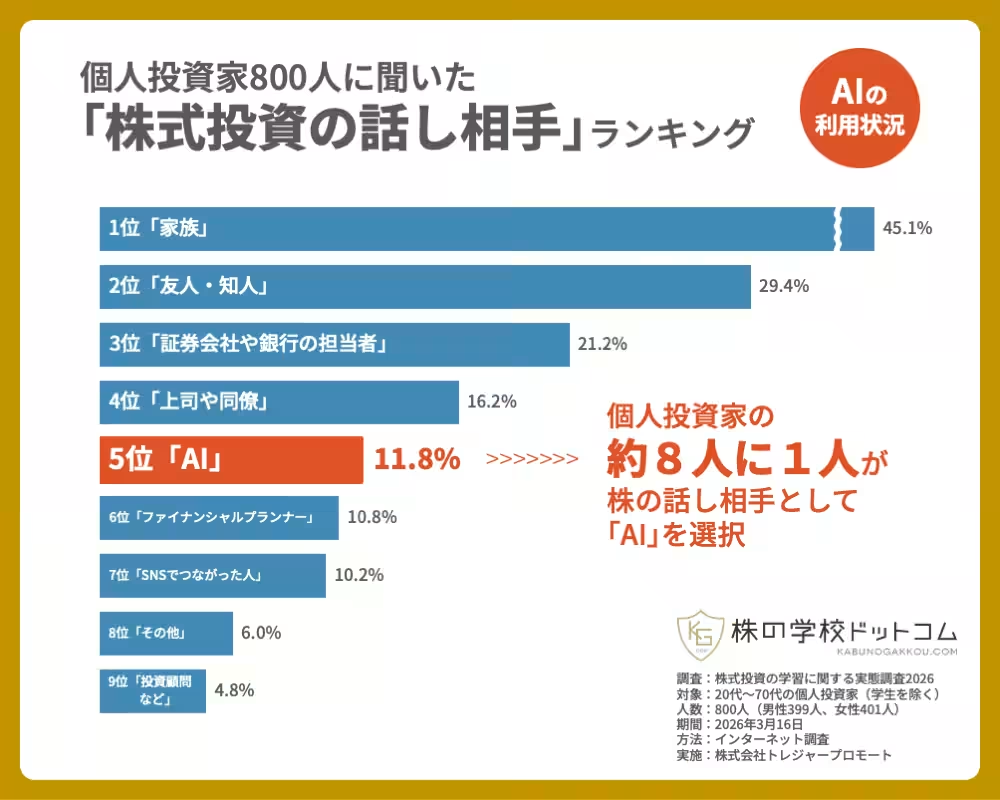
In the age of technology, artificial intelligence (AI) is increasingly becoming a go-to source for personal investment advice. A recent survey conducted by the online stock school "Kabunogakkou.com" revealed that approximately 11.8% of individual investors consult AI as a companion for stock investment discussions. This statistic signifies a noteworthy cultural shift, particularly among younger generations who are embracing digital solutions for financial inquiries.
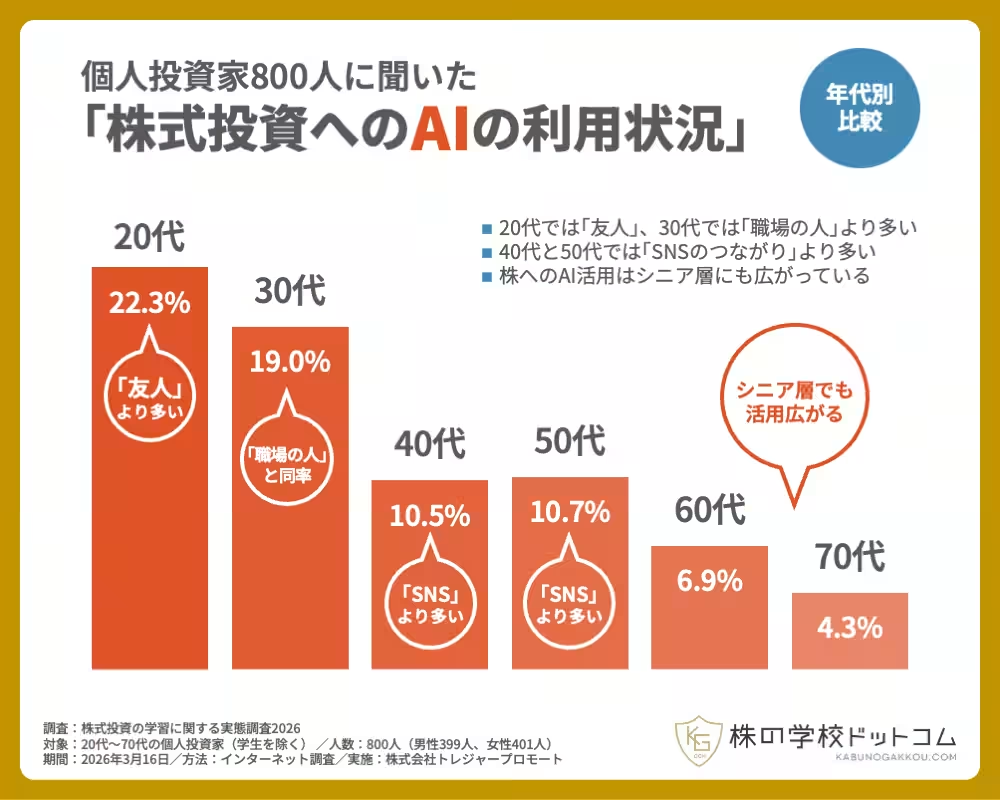
The survey, which included responses from 800 individual investors aged between 20s and 70s, elucidated that younger investors are more inclined to engage with AI rather than their friends or social circles. In fact, the survey indicated that in the 20s age bracket, 22.3% chose AI for investment discussions over the 21.4% who preferred human companions. More astonishingly, even among those in their 40s and 50s, the utilization of AI outperformed social media engagements, highlighting an evolving landscape in how individuals seek investment advice.
Breakdown of the Findings
1. AI as a Preferred Advisor: 11.8% of respondents favored AI over traditional conversational partners like financial planners (10.8%) or social media connections (10.2%). The majority still relies on family members, but the trend suggests a growing comfort with AI in investment discussions.
2. Generational Disparities: While AI is gaining traction across all age groups, it is the younger generations leading this trend. In the 60s and 70s age group, the percentage decreases but still reveals a notable adoption of AI guidance.
3. Questions and Concerns: AI is primarily consulted for current market analysis, future predictions, and foundational knowledge. Users expressed a desire for insights regarding stock performance and buying strategies, often specifying their needs in open-ended responses.
- For instance, one 58-year-old female participant noted using AI to decide when to exit a dropping stock position, emphasizing the invaluable analytical support AI can offer.
AI: A Safe Alternative?
The growing reliance on AI among individual investors may also suggest a desire for confidential advice on sensitive financial matters. The embarrassment or hesitation around discussing investments with friends or family has led some investors to consider AI a safer alternative. Given that around 5.6% of respondents indicated they prefer not to discuss investments with anyone at all, AI is increasingly viewed as a more approachable solution for financial queries.
Interestingly, AI’s role appears to be more than just a trend. Participants in their 30s showed equal reliance on AI as they did their direct colleagues, indicating a cultural shift from traditional narratives surrounding investment conversations.
The Role of AI in the Future of Investing
As the survey illustrated, personal investors are refocusing their dialogue from family and friends to AI-powered platforms for assistance. This transition reflects a broader trend of digital dependency permeating the investment world, as both knowledge acquisition and discussion move into virtual territories.
However, while AI tools can offer valuable insights and a non-judgmental space for discussion, investors must exercise caution. The risks associated with relying solely on AI for future asset management strategies cannot be overlooked. Investors need to cultivate a clear understanding of the essentials of stock investments to make informed decisions, rather than directly taking all AI-generated suggestions at face value.
To effectively leverage AI tools, a fundamental grasp of the investment landscape and personal goals in wealth management is critical. "Kabunogakkou.com" strives to empower investors with a robust educational framework alongside cutting-edge technology, fostering the development of sound judgment in stock investment practices.
As individual investors increasingly turn to AI for advice, it presents a unique opportunity for educational platforms to enhance their methodologies, ultimately enhancing financial literacy and investment acumen across generations.
The future of investing may well be shaped by this intersection of technology and traditional investing principles, paving the way for more informed and confident investors in the times to come.

Topics Financial Services & Investing)
【About Using Articles】
You can freely use the title and article content by linking to the page where the article is posted.
※ Images cannot be used.
【About Links】
Links are free to use.