



Impact of In-App Advertising on User Experience: Insights from a National Survey
Understanding the Impact of In-App Advertising on User Experience
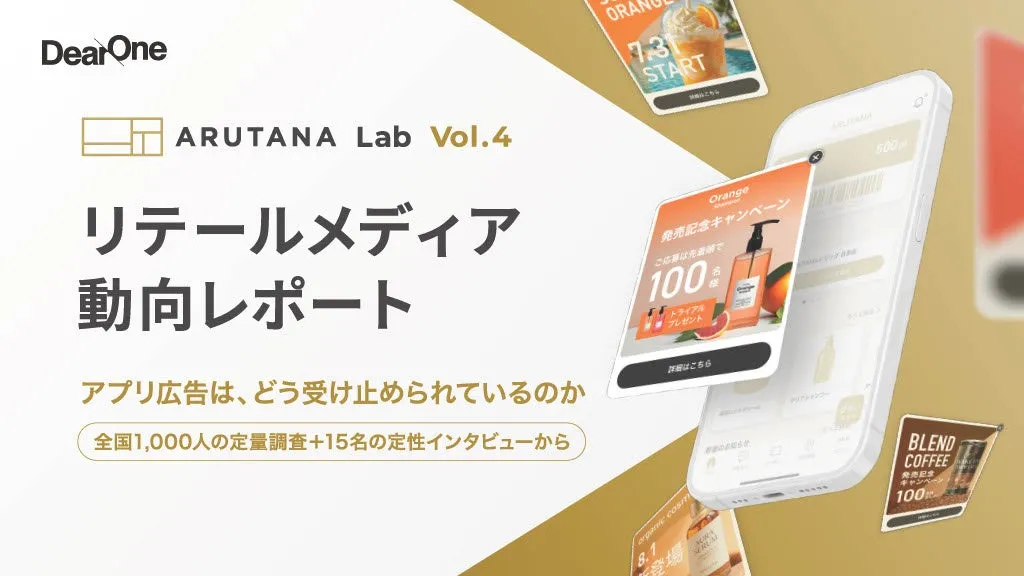
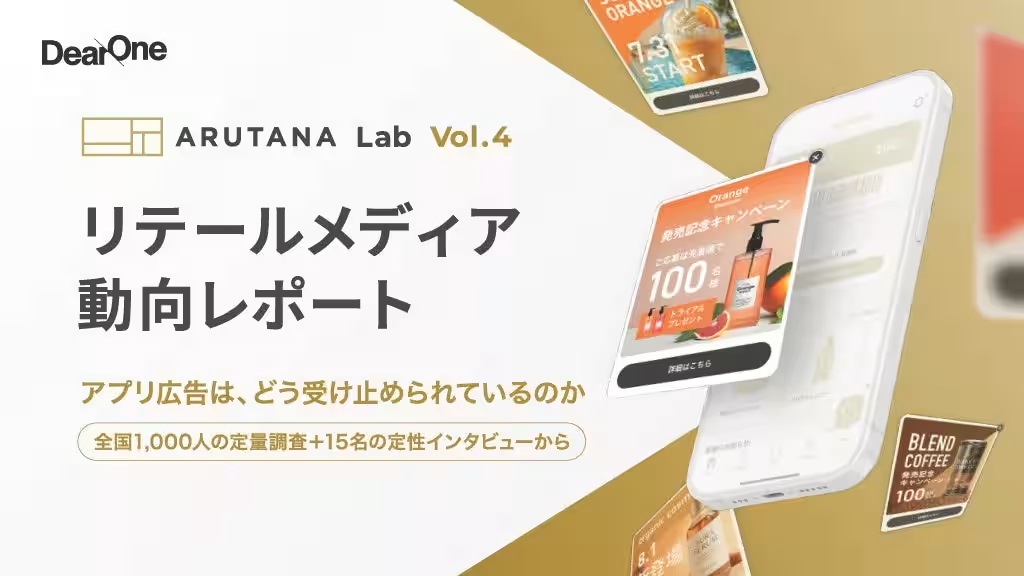
In an era where digital platforms play a crucial role in consumer behavior, the presence of advertisements within retail apps has sparked a debate on user experience (UX). A recent report titled "Retail Media Trends Report - ARUTANA Lab Vol. 4," released by DearOne—a subsidiary of NTT Docomo focused on marketing solutions—has provided valuable insights from a nationwide survey of 1,000 users. The objective of the research was to visualize consumer perceptions regarding advertising in retail official apps.
Background of the Report
The retail media advertising market in Japan is rapidly growing and is projected to reach approximately 606.6 billion yen by 2025. This expansion has prompted the industry to pay closer attention to how retail official apps, which serve as vital consumer touchpoints, can be leveraged for advertising and promotions. However, many have expressed concerns that integrating ads might detract from the overall user experience. With this backdrop, the report aimed to shed light on consumer viewpoints through a tiered approach that included quantitative surveys and qualitative interviews.
Key Findings
1. Influence of App Experience on Purchase Decisions
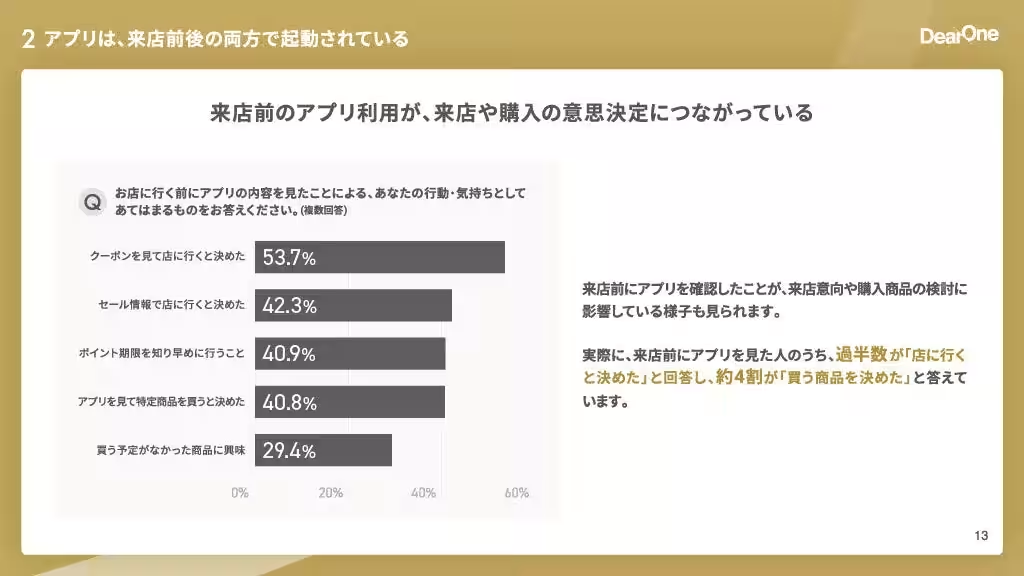
The research revealed that retail apps are frequently used not just at checkout but also before and after visiting stores, with approximately 88% activating the app before visiting and around 93.5% after. Notably, among those who viewed coupons on the app before their visit, a significant 53.7% indicated that the coupons influenced their decision to go shopping. This demonstrates how effectively these apps can impact customers’ purchasing behaviors.
2. Positive Reception of In-App Information
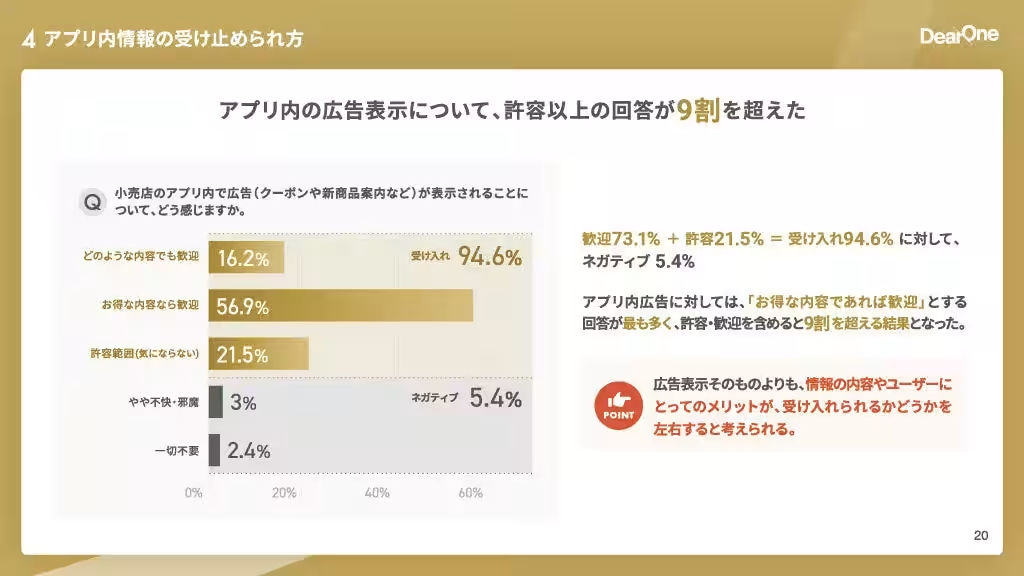
The results regarding in-app advertising were surprisingly favorable. More than 90% of respondents showed a willingness to accept ads within apps, with 16.2% stating they welcome any content, 56.9% preferring attractive deals, and 21.5% indicating that such ads were within an acceptable range. Retail advertisements were viewed as almost twice as trustworthy compared to online ads, suggesting that users are more inclined to see them as personalized offers rather than mere advertisements.
3. Factors Contributing to Advertisements' Displeasure
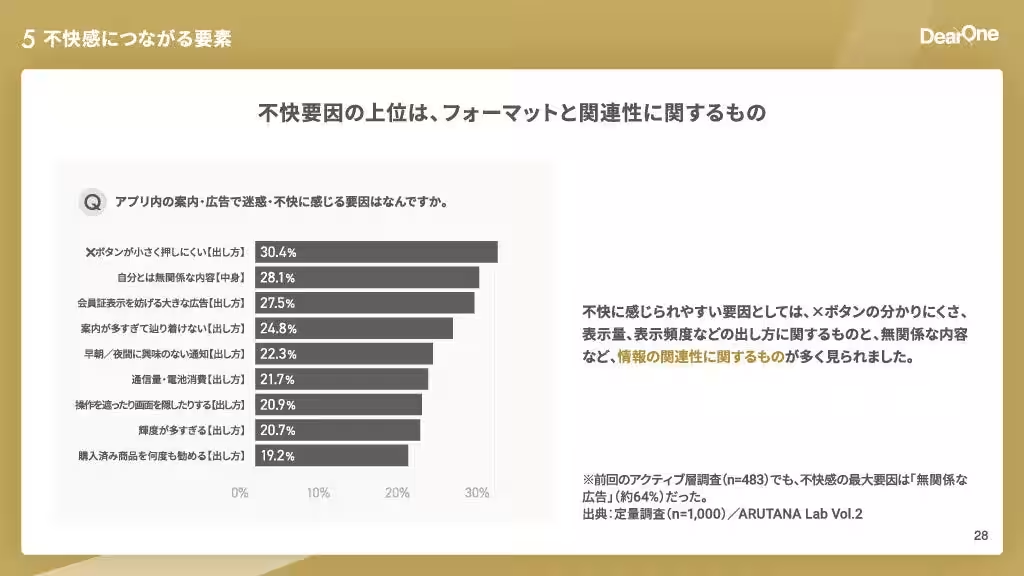
While the report highlighted a general acceptance of in-app advertisements, it also identified reasons for dissatisfaction. The factors causing discomfort were largely tied to the ads’ relevance and the user interface (UI) design. Many users pointed out issues such as the small size of close buttons (30.4%) and misaligned content (28.1%) as significant pain points. Therefore, it became clear that the manner in which ads are delivered—rather than just their presence—plays a pivotal role in maintaining a positive user experience.
Implications for Retailers
The report goes further to analyze how advertising revenues and excellent consumer experiences can co-exist. It poses essential questions regarding how merchants can harness advertising opportunities while respecting consumer engagement and experience. This finding is crucial for retail businesses aiming to integrate ads without sacrificing the usability of their apps.
Conclusion
As retail media continues to evolve, app developers and retailers must focus on user-centric design and contextually relevant advertising. The insights from this report serve as a guide for optimizing in-app advertising strategies effectively. For those interested in a deep dive, the complete report, inclusive of detailed graphs and analyses, is available for download here.
Ultimately, the successful integration of advertising strategies within retail applications may not only enhance revenue streams but also promote consumer satisfaction—provided that the user experience is prioritized throughout the process.
Topics Consumer Products & Retail)
【About Using Articles】
You can freely use the title and article content by linking to the page where the article is posted.
※ Images cannot be used.
【About Links】
Links are free to use.