



Explore Ghostly Artworks at the Unique Ghost Painting Exhibition
Unveiling the Ghost Painting Exhibition at Zenshoan
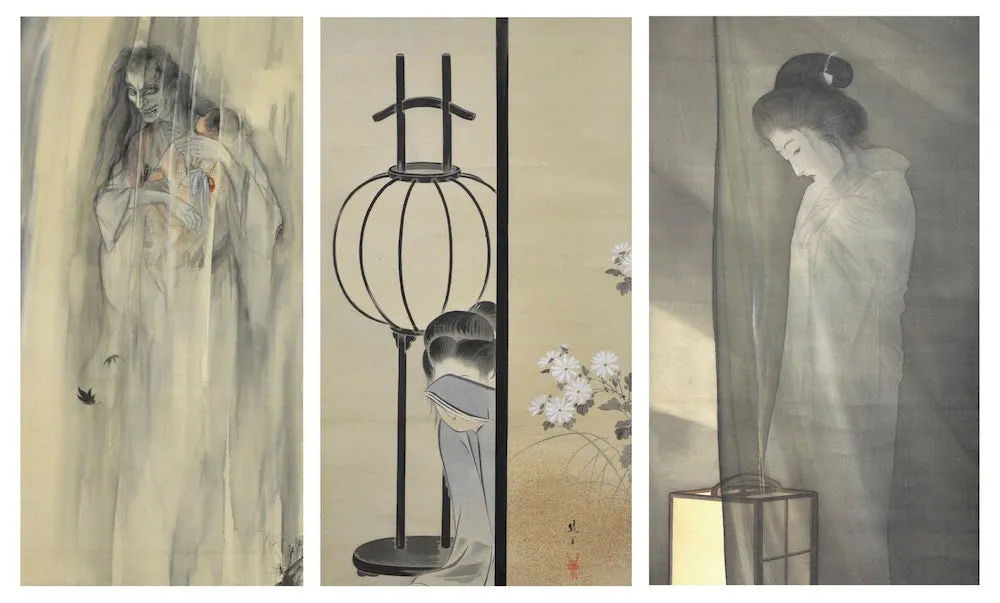
This August, the Zenshoan temple located in Ueno's Yanaka district will host a fascinating Ghost Painting Exhibition, celebrating the works related to the legendary rakugo master, San’yūtei Enchō. Active during the late Edo and early Meiji periods, Enchō was instrumental in shaping the contemporary rakugo storytelling art form, and he is widely revered for creating beloved ghost stories including 'Botan Dōrō' and 'Shinigami'. This exhibition aims to provide a glimpse into the rich artistic inspirations that fuelled Enchō's ghost tales.
Enchō’s Artistic Inspirations
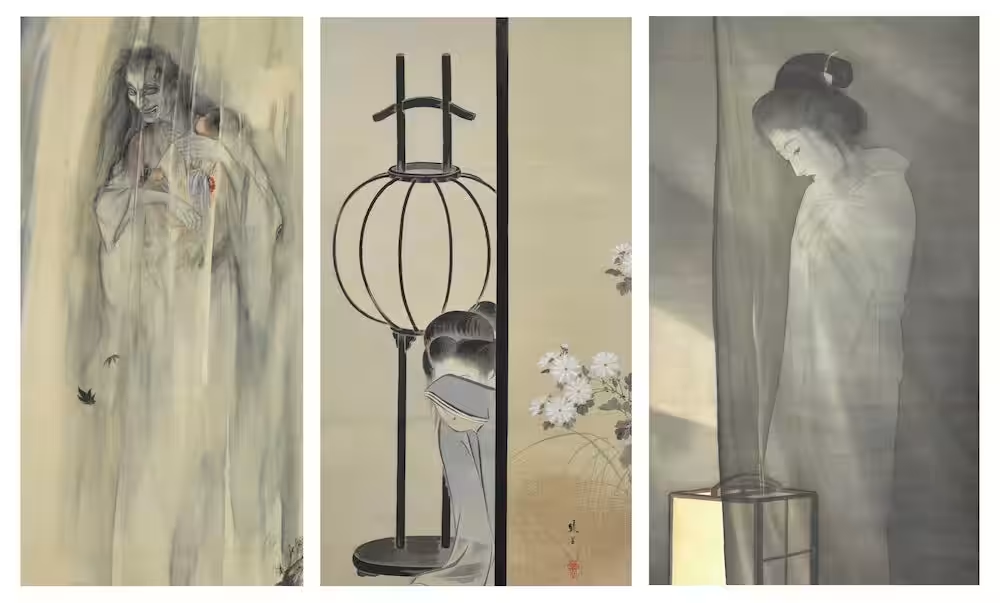
Enchō, who lived from 1839 to 1900, was not just a prominent figure in the rakugo world but also a notable collector of ghost paintings. His passion for eerie illustrations gave birth to numerous narratives that still resonate within Japanese culture today. The exhibition showcases ghost images from renowned artists such as Maruyama Ōkyo, Shibata Zeshin, Itō Seihō, and Kawanabe Kyōsai, among others. Each piece tells a unique story, taking visitors on a journey through Enchō's imaginative world and the historical context of Japan’s fascination with the supernatural.
Exhibition Details
The Ghost Painting Exhibition at Zenshoan runs throughout August. Visitors can view approximately thirty ghost paintings that Enchō favored, all displayed in an intimate setting at the temple. Here are the key details for those interested in visiting:
- - Location: Zenshoan, 5-4-7 Yanaka, Taito-ku, Tokyo
- - Dates: August 1 (Saturday) to August 31 (Monday), 2026
- - Opening Hours: 10:00 AM to 5:00 PM (last admission at 4:30 PM)
- - Admission Fee: 500 yen
- - Access: A 10-minute walk from Nippori Station (JR and Keisei), or a 5-minute walk from Sendagi Station (Tokyo Metro Chiyoda Line).
The Legacy of Enchō
Enchō's influence extends beyond storytelling; he is credited with fostering a deeper understanding of Zen among his contemporaries, thanks to his guidance by Zen master Yamaoka Tesshū. This spiritual undercurrent enriched not only his art but also his life philosophy. After Enchō's passing, his collection of ghost paintings was donated to Zenshoan by the Fujiura family, who sought to preserve Enchō's legacy. These pieces reflect the artistic styles of the late Edo to Meiji periods and showcase a blend of traditional and innovative techniques.
About Zenshoan
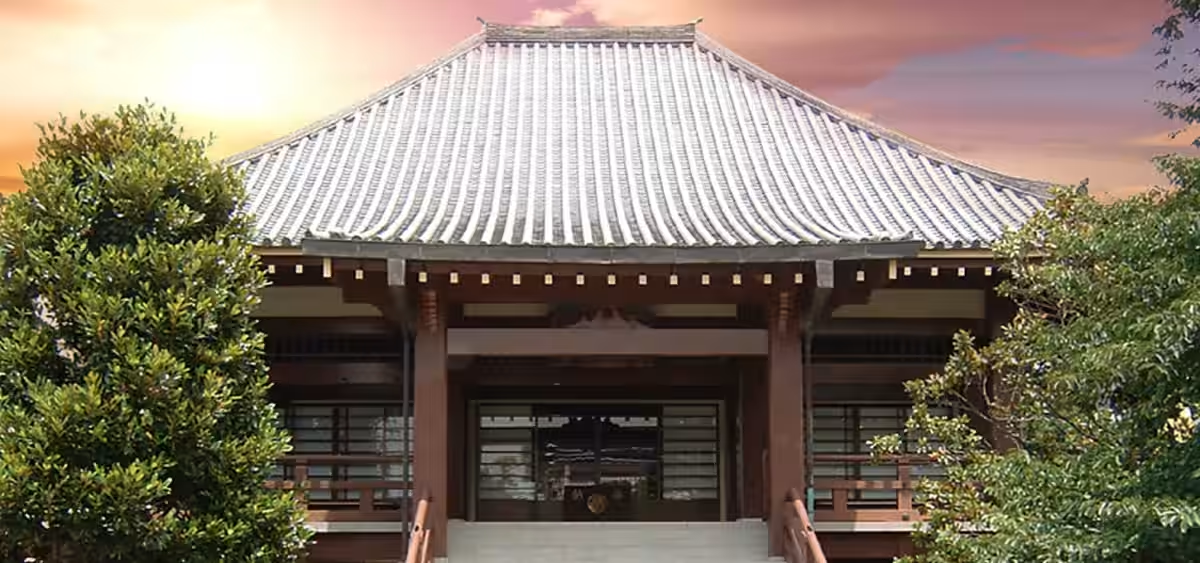
Established in 1883 by Yamaoka Tesshū, Zenshoan serves as a memorial for individuals who lost their lives during the tumultuous late Edo and Meiji periods. The temple houses the graves of notable figures such as Enchō and various other prominent personalities from that era. Zenshoan itself is a haven of reflection, meditation, and the arts, deeply rooted in the rich tapestry of Japanese history.
The Message from Zenshoan's Abbot
Shōshū Hirai, the seventh chief priest of Zenshoan, conveys a profound understanding of the samurai spirit and Zen teachings, interpreting them for contemporary audiences. His insights are not only inspirational for visiting patrons but also resonate through various domestic and corporate workshops that incorporate Zazen meditation and teachings focused on modern life.
Visit Zenshoan this August to dive into an enchanting world of ghostly narratives brought to life through exquisite artistry, and feel Enchō's enduring influence that continues to shape Japanese culture. Don't miss this rare opportunity to experience the sublime intersection of tradition and creativity at one of Tokyo's cherished cultural landmarks.
Topics Entertainment & Media)
【About Using Articles】
You can freely use the title and article content by linking to the page where the article is posted.
※ Images cannot be used.
【About Links】
Links are free to use.