



Preparing Your Skin for Wedding Events: The Essential Timeline and Risks
Understanding the Importance of Skin Preparation for Weddings
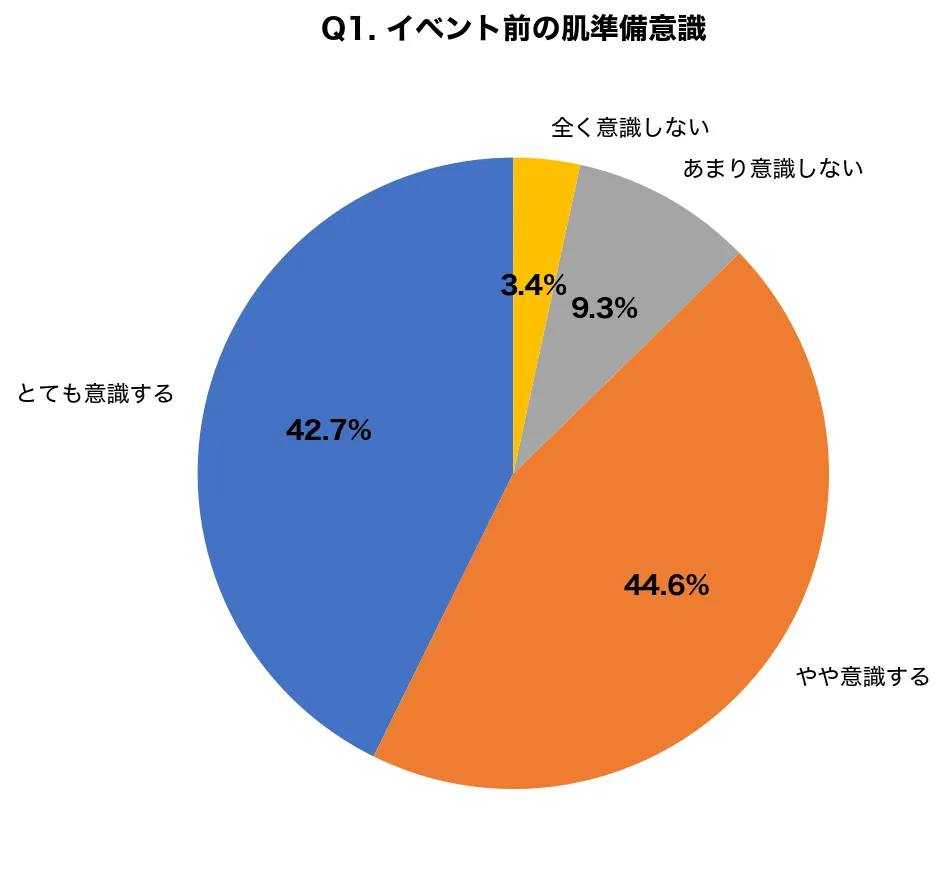
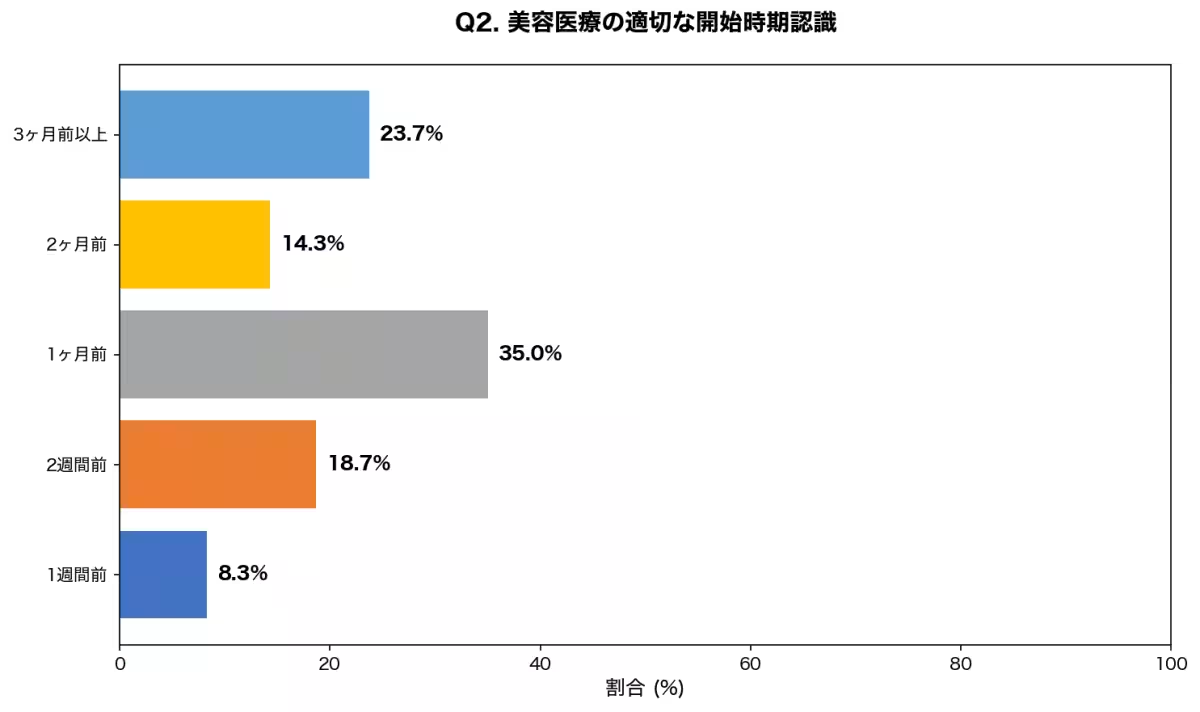
As wedding season peaks, emotional ties to looking great on the big day are higher than ever. Recently, a survey conducted by I.C. Clinic unveiled that a staggering 87.3% of wedding guests consciously consider their skin preparation before attending such events. Yet, only 23.7% of them know the optimal timeline for skincare procedures. Here’s a comprehensive guide to skin treatments leading up to weddings, along with risks associated with last-minute procedures.
Key Takeaways from Recent Survey
1. Optimal Timing for Treatments
The ideal approach to beauty treatments is starting around three months prior to the event. Laser treatments and chemical peels performed within the last week can potentially cause redness or pigmentation issues. For those looking to ensure their skin is in great shape for the event, iontophoresis can be safely performed up to two weeks before, while photo facials should begin about a month in advance.
2. Pre-Wedding Beauty Preparation and Misconceptions
A survey of 300 men and women aged 20-50 who have attended weddings or parties indicates a significant discrepancy between awareness and knowledge about beauty treatments. While many followers of beauty care are aware of the need for preparation, only a minority understand when to initiate treatments for optimal results. When asked when to start, most (35%) believed that one month prior was sufficient, neglecting the advice that suggests starting three months ahead for effective treatments.
3. Consequences of Shortcutting Skincare
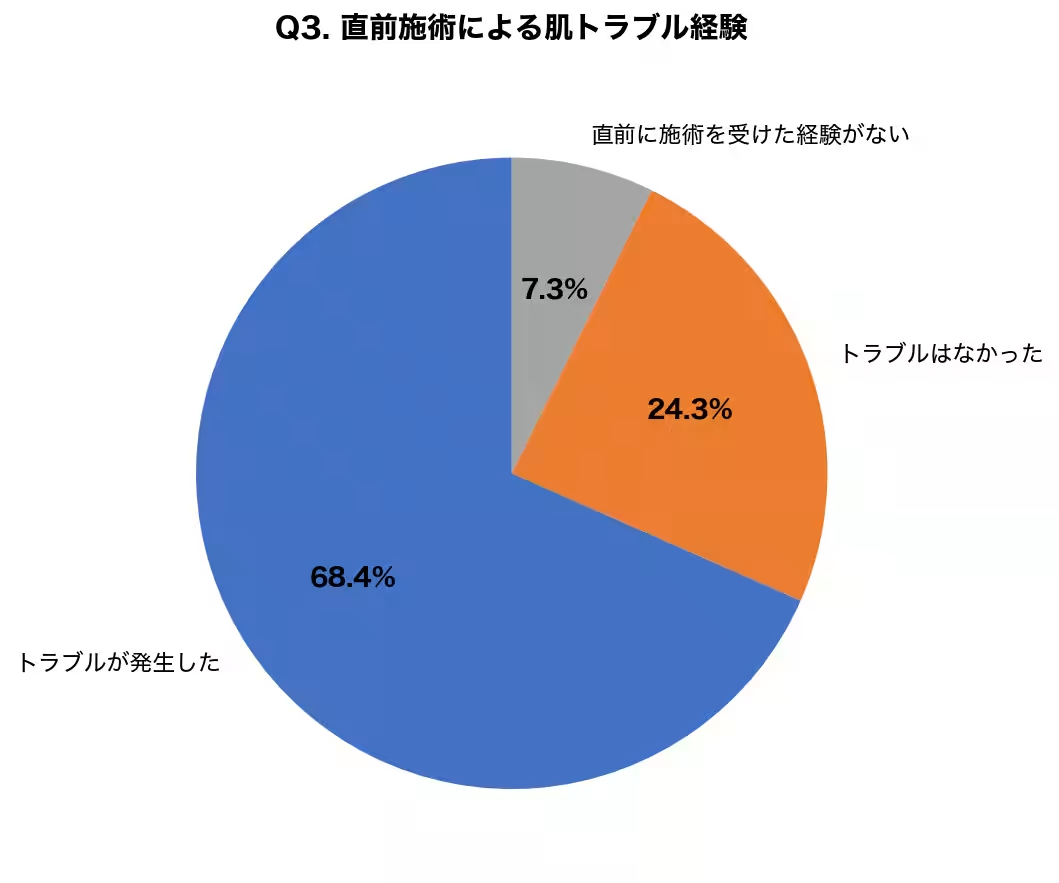
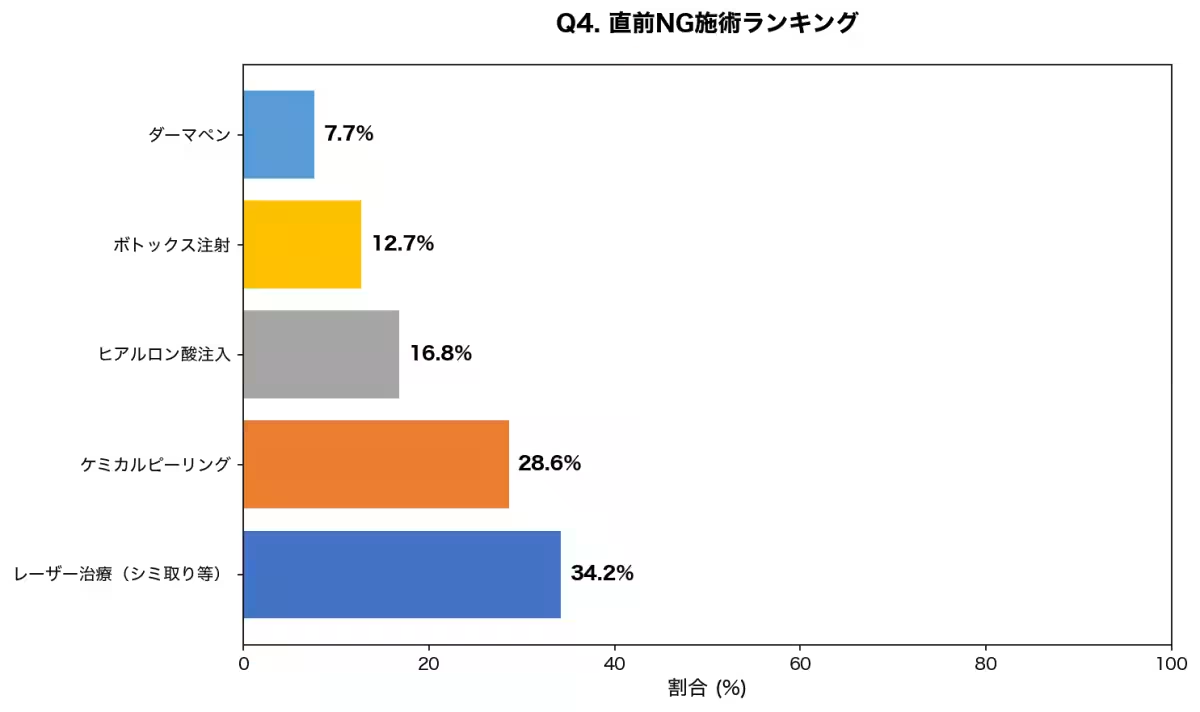
The consequences of last-minute treatments cannot be overstated. Of those who had such procedures within a week of an event, 68.4% reported encountering skin troubles on the day itself, confirming the need for effective planning. The most regrettable treatments included laser treatments (34.2% regret rate) and chemical peels (28.6% regret rate). These procedures not only have potential healing issues but can also complicate the desired outcome.
Dysfunctions Associated with Different Treatments
- Laser Treatments
Timing: Start three months in advance.
Downtime: 1-2 weeks.
Risk Level: High (redness and pigmentation issues).
- Chemical Peels
Timing: Complete at least two weeks prior.
Downtime: 3-7 days.
Risk Level: Moderate (peeling and dryness).
- Photo Facials (IPL)
Timing: Start a month prior.
Downtime: 1-3 days.
Risk Level: Moderate (light redness).
- Iontophoresis
Timing: Two weeks prior.
Downtime: Almost none.
Risk Level: Low.
- Botox Injections
Timing: Two weeks prior.
Downtime: 1-3 days.
Risk Level: Moderate (bruising, asymmetry).
- Hyaluronic Acid Injections
Timing: Start one month in advance.
Downtime: 3-7 days.
Risk Level: High (swelling, more bruising).
Strategies for Successful Skin Preparation
Based on clinical evidence and expert opinions, the sequence of treatments should be strategic. Start with laser treatments for deeper issues such as pigmentation or texture three months before. Gradually enhance the skin with photo facials a month in advance and focus on less invasive treatments, such as iontophoresis, in the final two weeks.
Dr. Kouta Takakuwa, a dermatologist with over 15 years of experience, emphasizes the critical thinking of planning based on the desired results. He advises beginning the skincare strategy well in advance of the big day to avoid possible complications.
Conclusion
The survey results indicate a clear need for education regarding the correlation between proper skincare timing and successful outcomes. The overwhelming majority of potential wedding attendees are indeed thinking about their beauty prep, yet the awareness of actual timelines is lacking. The best approach combines early planning with short downtime procedures as the date approaches. By prioritizing early preparations while avoiding high-risk treatments as the event nears, individuals can ensure they present their best selves on that highly anticipated day.
Topics Health)
【About Using Articles】
You can freely use the title and article content by linking to the page where the article is posted.
※ Images cannot be used.
【About Links】
Links are free to use.