



Discovering the Journey of Beginnings: Yohei Jimura's Solo Exhibition in Roppongi
The Journey of Beginnings: Yohei Jimura's Solo Exhibition
Art enthusiasts will get a unique glimpse into the creative world of Yohei Jimura during his solo exhibition, titled "It Is Again Before the Next Name," hosted at KOTARO NUKAGA Gallery in Roppongi from June 6 to July 18, 2026.
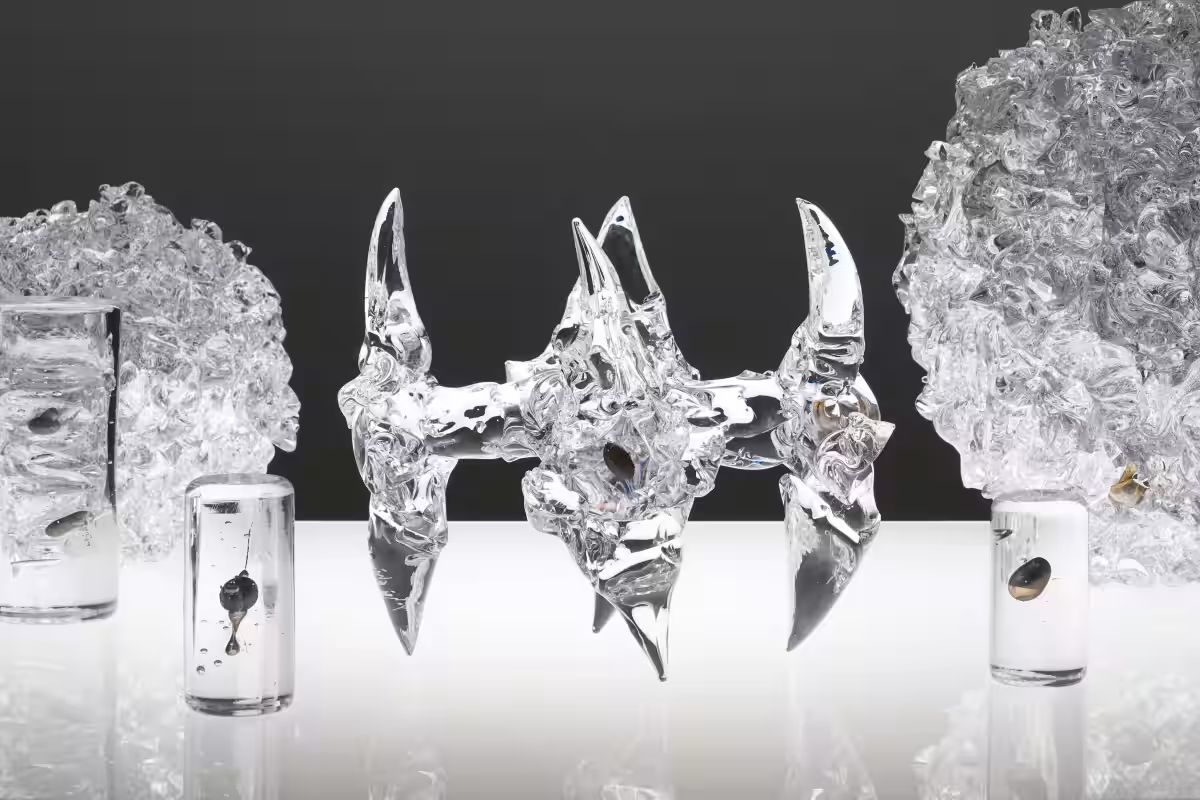
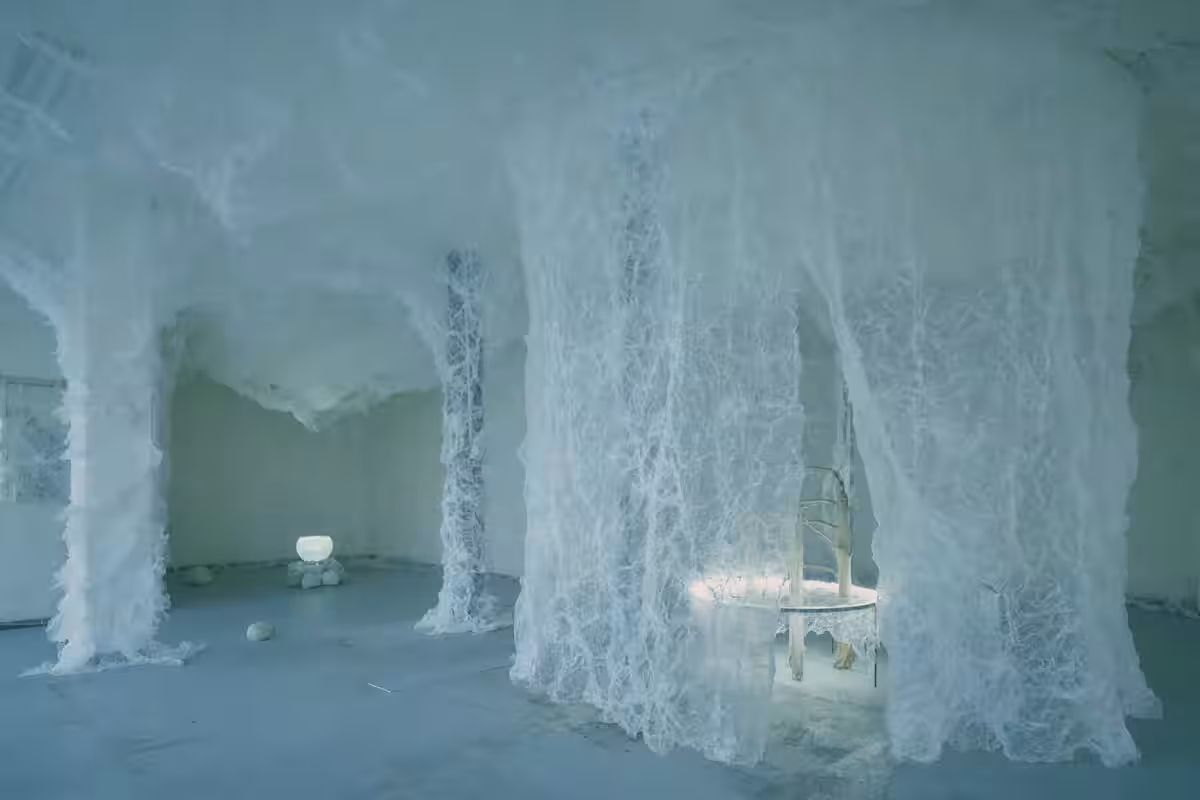
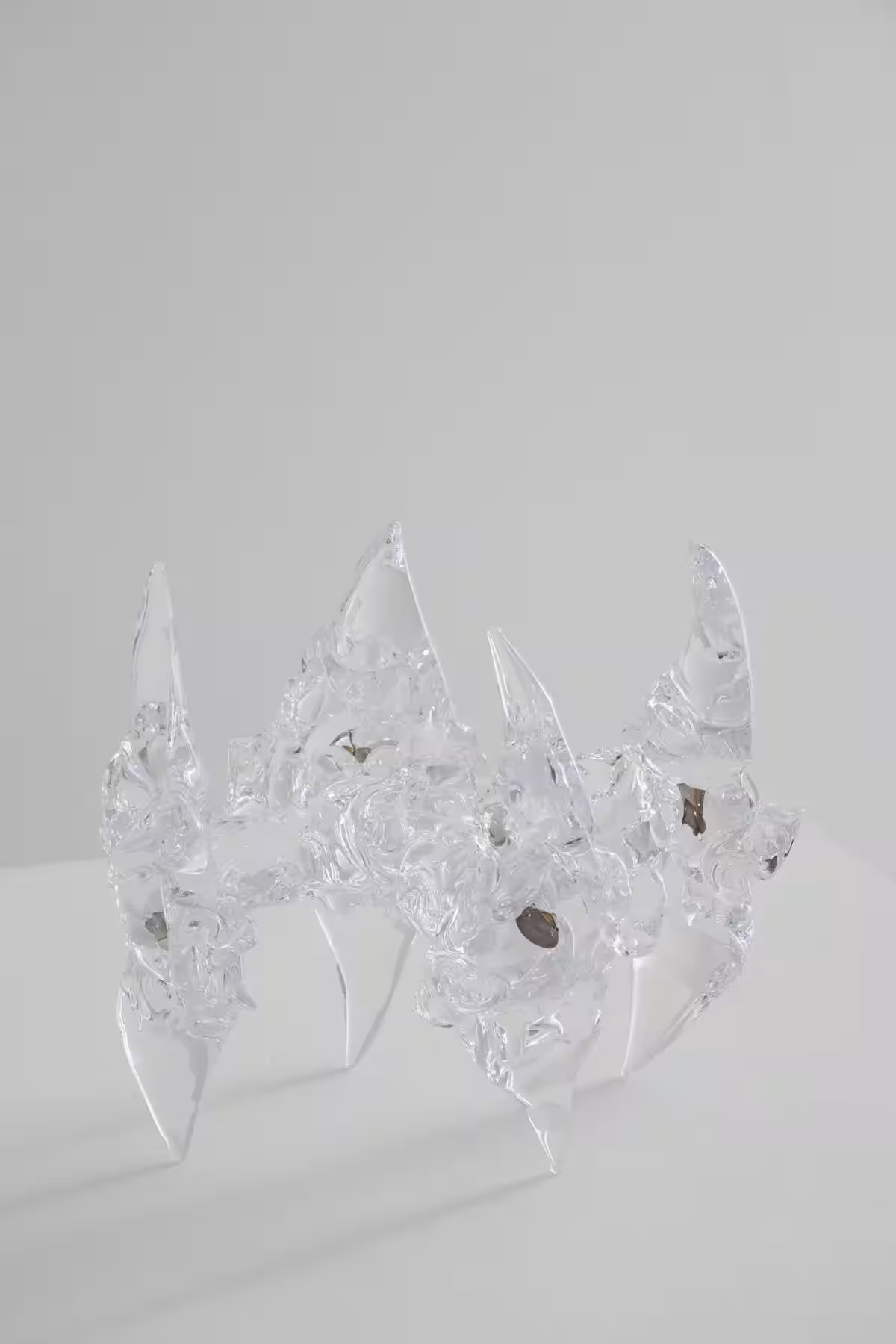
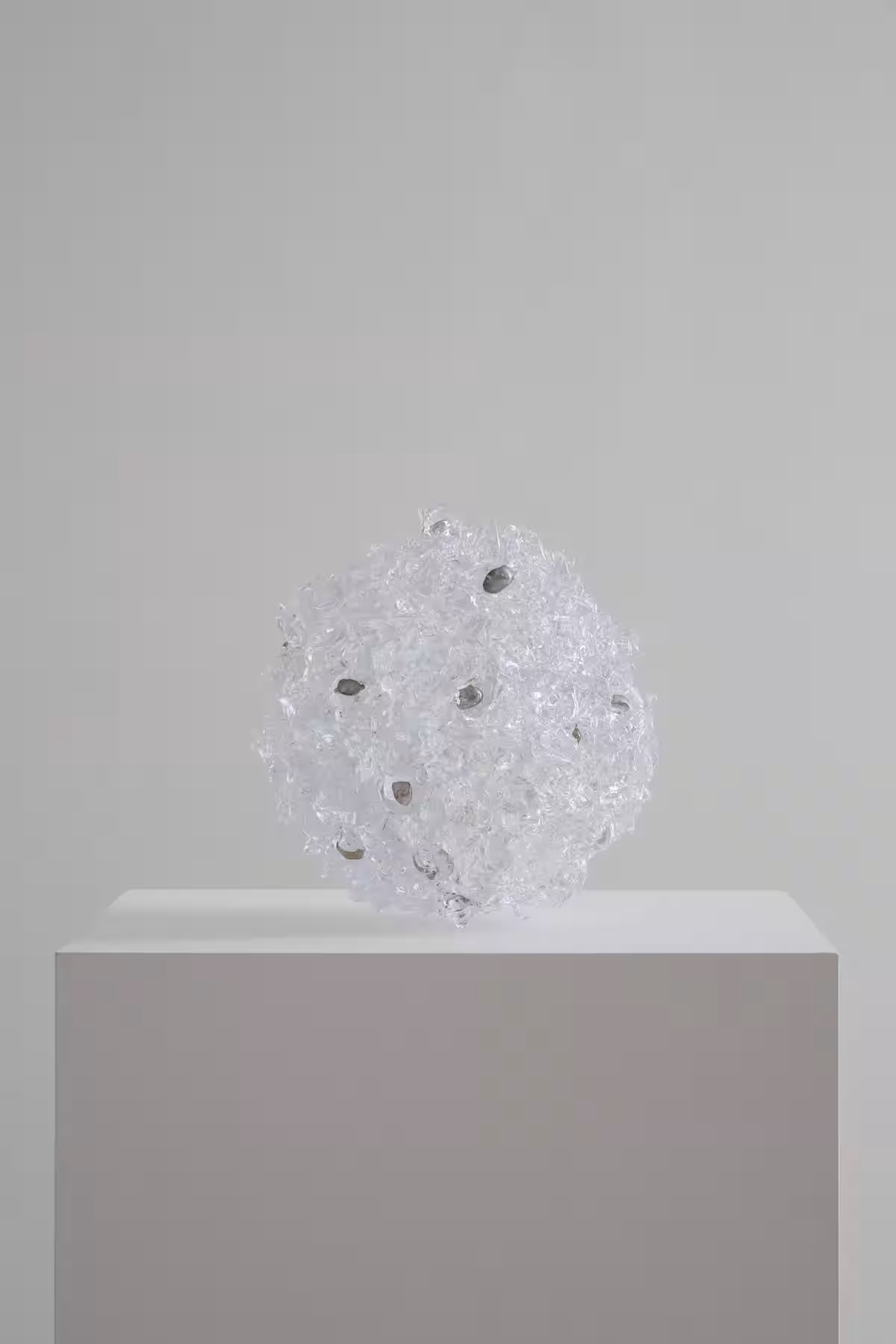
This exhibition promises to be a celebration of innovation as it features the latest works from Jimura’s acclaimed series, "Experiments of Beginnings," which incorporates tin encapsulated in transparent glass. Furthermore, a massive installation will transform the gallery space as it gets enveloped entirely in transparent vinyl, engaging visitors in an immersive experience.
Exhibition Details
- - Exhibition Period: June 6, 2026 (Saturday) – July 18, 2026 (Saturday)
- - Opening Hours: 11:30 AM - 6:00 PM (Tuesday to Saturday)
- - Closed: Sundays, Mondays, and public holidays
- - Opening Reception: June 6, 2026 (Saturday) from 4:00 PM to 6:00 PM, with the artist present.D
- - Venue: KOTARO NUKAGA, 2F, Piramide Building, 6-6-9 Roppongi, Minato-ku, Tokyo, 106-0032, Japan
Highlights of the Exhibition
1. A Critical Discrepancy Between Material Time and Human Time
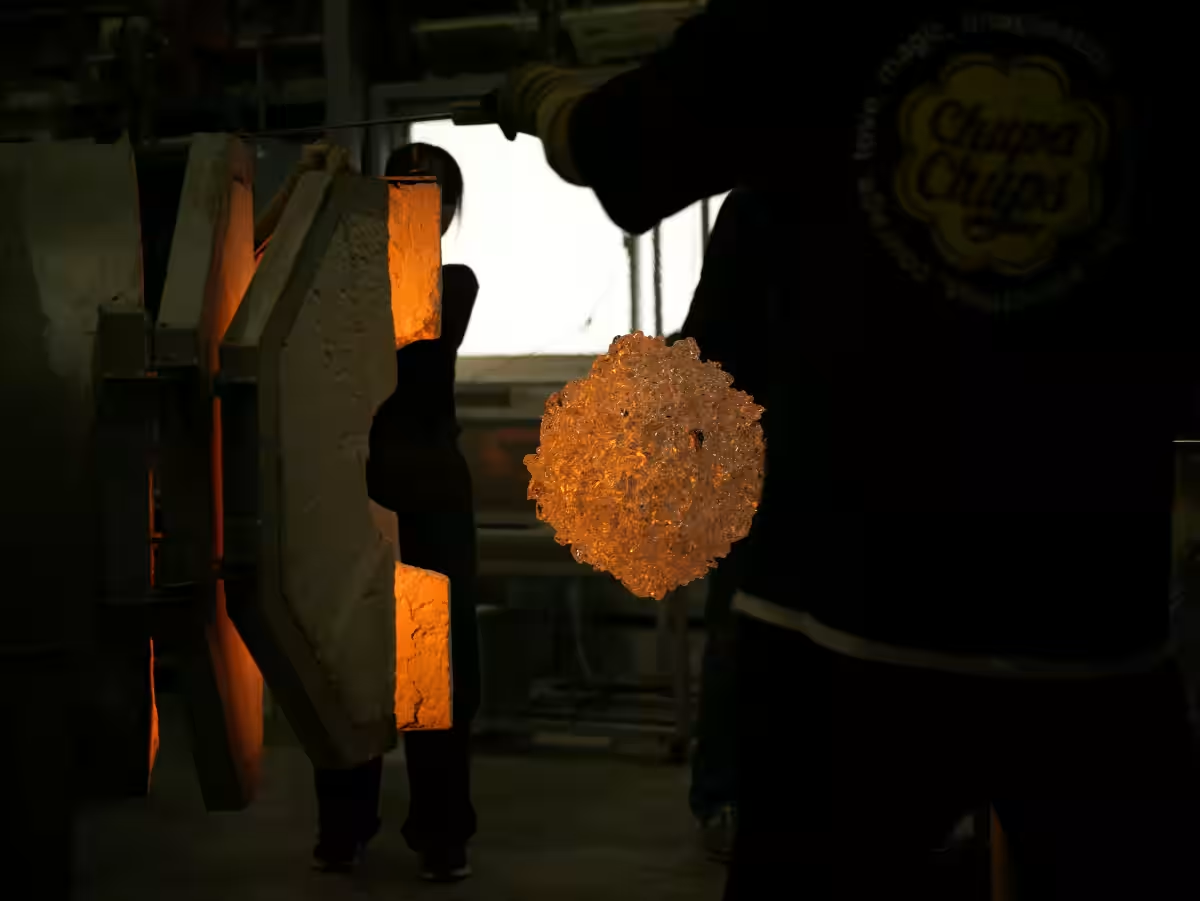
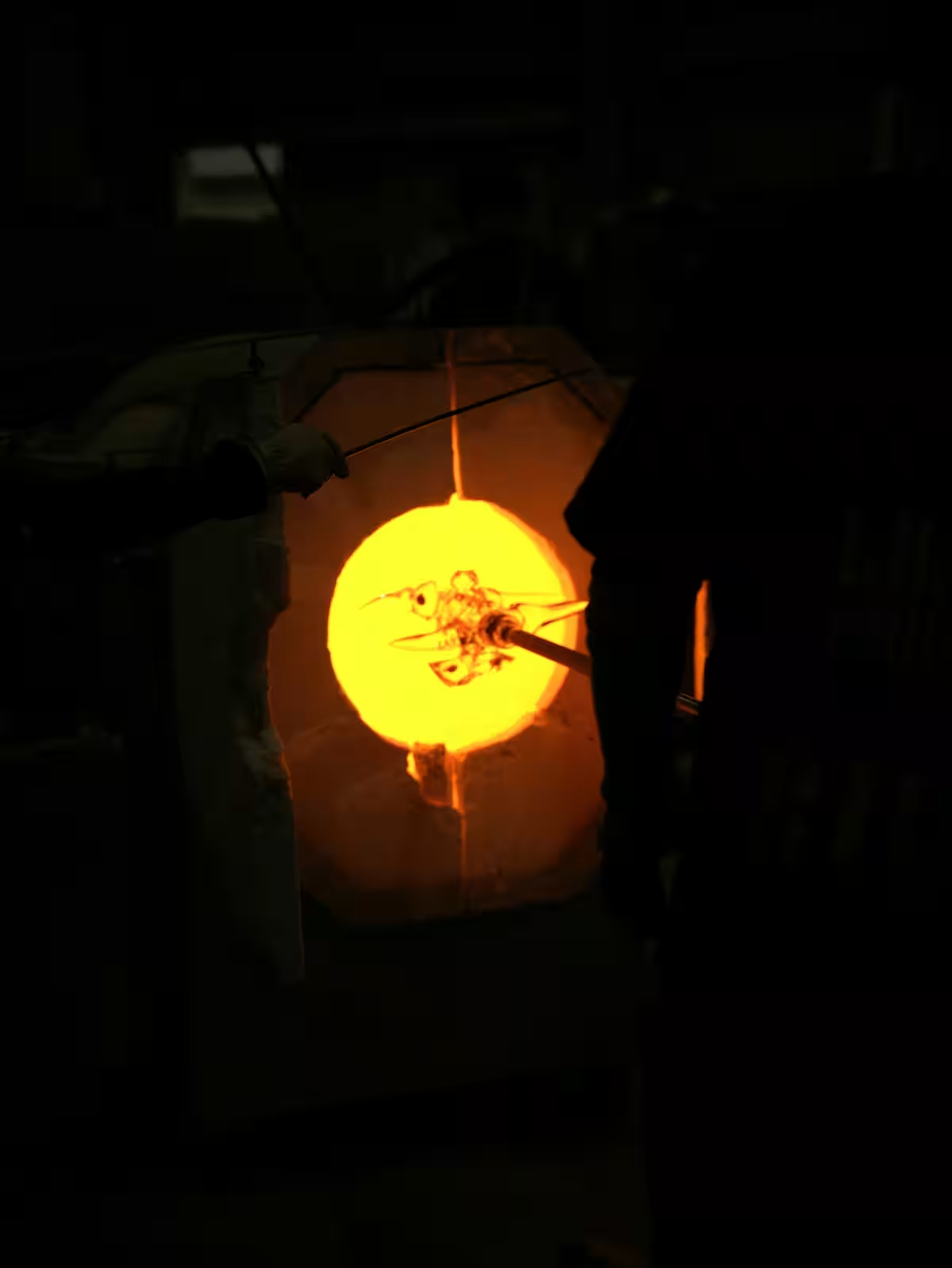
The heart of this exhibition lies in the "Experiments of Beginnings" series, known for its intricate fusion of tin and glass. Jimura’s works capture the fleeting moment when molten glass and tin meet—a process that inherently generates internal stress due to the differing expansion coefficients of the two materials. This tension reflects the energies at play, as observed in the scattered silver particles of tin suspended within the glass.
Both silicon, the primary component of glass, and tin originated within the cores of stars, released back into the cosmos upon their demise. After billions of years, these elemental substances converge anew in Jimura’s workshop—his works embody a timeline far beyond the human experience. While the concepts of 'glass' and 'creation' belong to human interpretation, Jimura’s pieces invite viewers to appreciate an intrinsic time that transcends mere human understanding. The exhibition offers a profound experience that allows observers to contemplate this divergence.
2. A New Skin Created by Transparent Vinyl
As visitors step into the gallery, they will find that the very architectural skeleton is cloaked in a transparent vinyl membrane, bestowing a transformation on the space that evokes the sensation of wearing "another skin." Like glass, vinyl shares the characteristic of reformation under heat, and Jimura treats this material with the same respect he accords glass, welcoming the forms it assumes in response to the applied heat.
The installation invites spectators to navigate a landscape dotted with past sculptural works, stimulating a sense of communion between the exhibited pieces, the space, and the audience—a blurring of the boundaries that typically separate them.
3. A Showcase of the Artist's Current Position
This exhibition marks Jimura’s first solo presentation at KOTARO NUKAGA, a milestone that highlights his evolution and current artistic trajectory. Born in Chiba in 1984, Jimura honed his craft at the Toyama Institute of Glass Art and later earned a doctorate in glass from the Tokyo University of the Arts. He has exhibited at prominent venues such as the 21st Century Museum of Contemporary Art in Kanazawa and the Toyama Glass Art Museum, and he will assume the position of associate professor in the Glass Art Studio at Tokyo University of the Arts starting in 2025.
While grounded in traditional techniques, Jimura's practice defies conventional craft frameworks—his works seek the moments of transformation that materials undergo. His exploration delves deep into the relationship between creation and destruction, nature and artifice, examining both the beauty and precariousness inherent in these processes. As visitors engage with his art, they embark on a journey of reflection regarding the ties that bind materials, environment, and humanity, making this exhibition one not to be missed.
In summary, Yohei Jimura's forthcoming exhibition at KOTARO NUKAGA invites patrons into a space that challenges their perceptions, urging them to reflect on deeper connections within the essence of materials and the human experience.

Topics Entertainment & Media)

【About Using Articles】
You can freely use the title and article content by linking to the page where the article is posted.
※ Images cannot be used.
【About Links】
Links are free to use.