



Computex 2026: SSSTC Enhances SSDs for Immersion Cooling in AI Data Centers
SSSTC's Innovative SSDs for AI Data Centers
At Computex 2026, Solid State Storage Technology Corporation (SSSTC), a subsidiary of Kioxia Corporation, is making waves by unveiling a new range of enterprise SSDs engineered for immersion cooling technology. This initiative is a response to the ever-increasing demands placed on data centers, especially those powered by artificial intelligence (AI). With generative AI and high-density computing at the forefront, effective thermal management has become more crucial than ever.
The Importance of Thermal Management
As data centers evolve and expand their capabilities, they generate substantial heat. Traditional cooling methods often struggle to keep up with this heat production. SSSTC understands this challenge and has developed SSDs specifically optimized for immersion cooling environments. These SSDs feature enhanced corrosion resistance through specialized materials and unique structural designs. The lineup includes the SATA ER3, ER4, and ER5 series, alongside the PCIe® U.2 PJ1 and EJ5 series.
Immersion cooling operates by submerging systems in non-conductive dielectric fluids, allowing for effective heat dissipation. This method takes advantage of the high heat capacity and convective properties of liquids, leading to improved Power Usage Effectiveness (PUE) and overall system reliability. By utilizing fluid circulation and heat exchange, data centers can enhance cooling efficiency significantly.
Versatile SSD Solutions for Different Needs
In addition to the immersion-cooling SSDs, SSSTC is also showcasing a diverse array of industrial and enterprise SSDs tailored for AI and edge applications. These SSDs support Edge AI and are built to withstand harsh environmental conditions, functioning effectively in temperatures ranging from -40 °C to 85 °C. Their designs include anti-vibration and shock resistance to cater to outdoor and industrial settings.
The pSLC architecture incorporated in these SSDs enhances endurance for sustained write-intensive workloads, ensuring reliable performance. Moreover, a multi-tier PLP (Power Loss Protection) framework that encompasses hardware PLP, firmware PLP, and PLN provides flexible data protection, further securing data integrity.
Enterprise eTLC SSDs, intended for AI workloads, promise stable performance across various intensities. They offer endurance options of 1 and 3 DWPD over a five-year span. Remarkably, these SSDs maintain more than 90% random IOPS consistency under sustained workloads, minimizing performance fluctuations — a crucial factor for data-intensive applications. Furthermore, the firmware is optimized for high-density computing, allowing for low latency operations and increased reliability in demanding environments.
SSSTC's Commitment to Quality and Innovation
With a track record of more than 18 years in in-house firmware development, SSSTC possesses extensive expertise that translates into their product offerings. Their commitment to meeting diverse storage needs is evident through flexible customization options available to clients. Features include configurable over-provisioning, lifespan and capacity optimization, performance tuning, and application-specific firmware development. This adaptive approach ensures that SSSTC supports clients in building stable, efficient, and sustainable AI storage infrastructures.
Conclusion
As SSSTC continues to expand its innovative HDD solutions, it represents a leap forward for data centers looking to enhance cooling efficiency amid growing demands from AI applications. The future of data storage is not only about capacity but also adaptability and resilience in face of technological advancements. For more detailed information, readers can visit SSSTC’s official website, where they can explore the full range of SSD offerings.
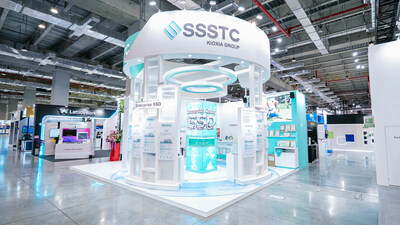
This moment not only signifies technological advancements in SSD design but also underscores SSSTC’s position as a frontrunner in the storage industry. For both current and prospective clients, the future looks promising with solutions engineered to meet the evolving challenges of AI data centers.
Topics Consumer Technology)
【About Using Articles】
You can freely use the title and article content by linking to the page where the article is posted.
※ Images cannot be used.
【About Links】
Links are free to use.