



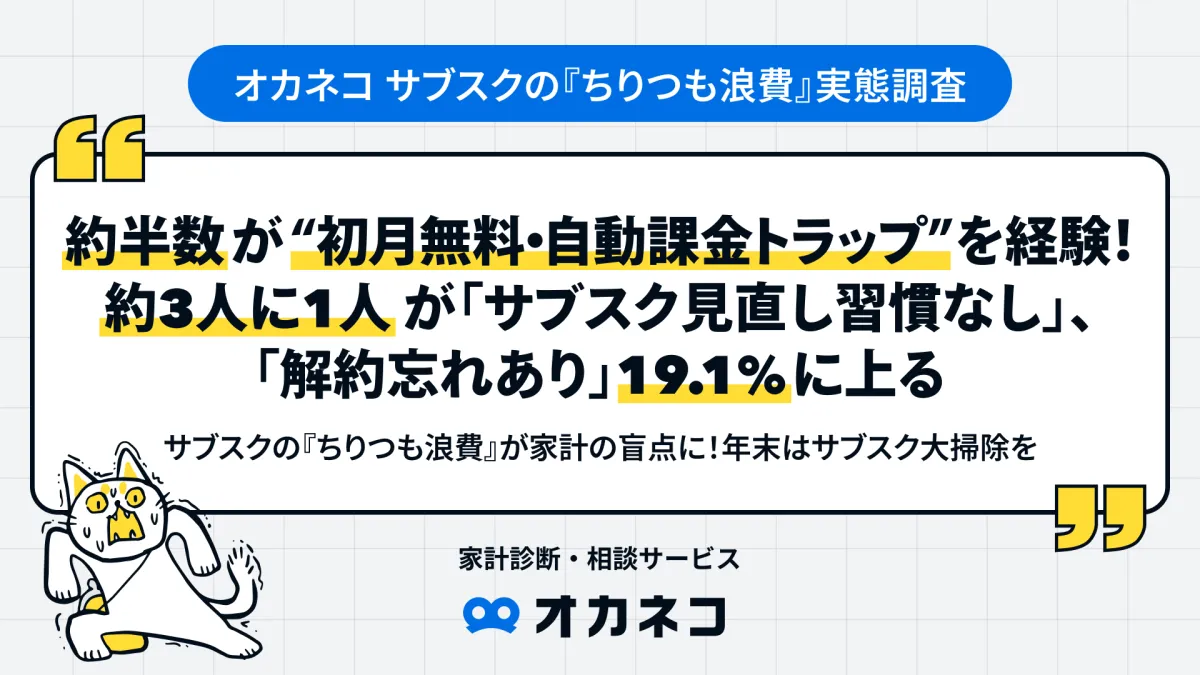
Understanding the Reality of 'Chiritsumo Waste' in Subscriptions: A Survey by Okane Co.
The Hidden Costs of Subscriptions: Insights from Okane Co.
In a remarkably revealing survey conducted by Okane Co., a financial diagnostic and consulting service provider based in Tokyo, findings indicate a growing concern for users of subscription services across Japan. The survey was aimed at uncovering the reality of what has been coining as the 'Chiritsumo Waste,' a term that refers to the gradual accumulation of small expenses that, while individually insignificant, can collectively strain one's finances. This term effectively captures the essence of subscription services that users often neglect, leading to unexpected financial burdens.
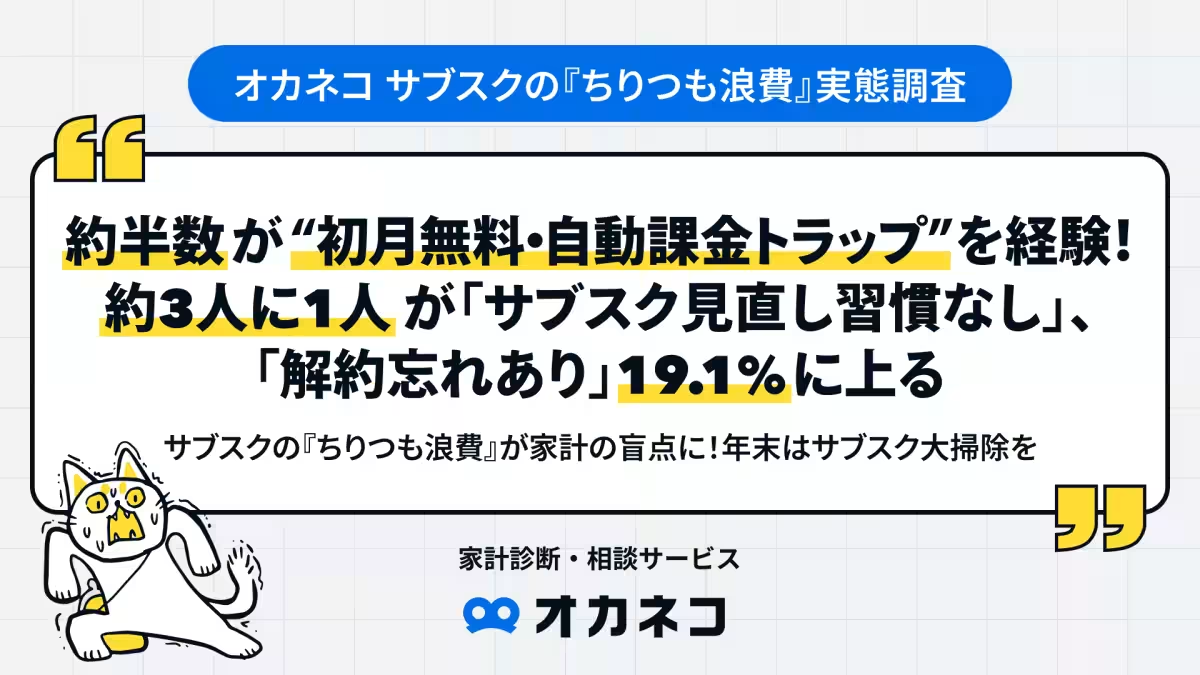
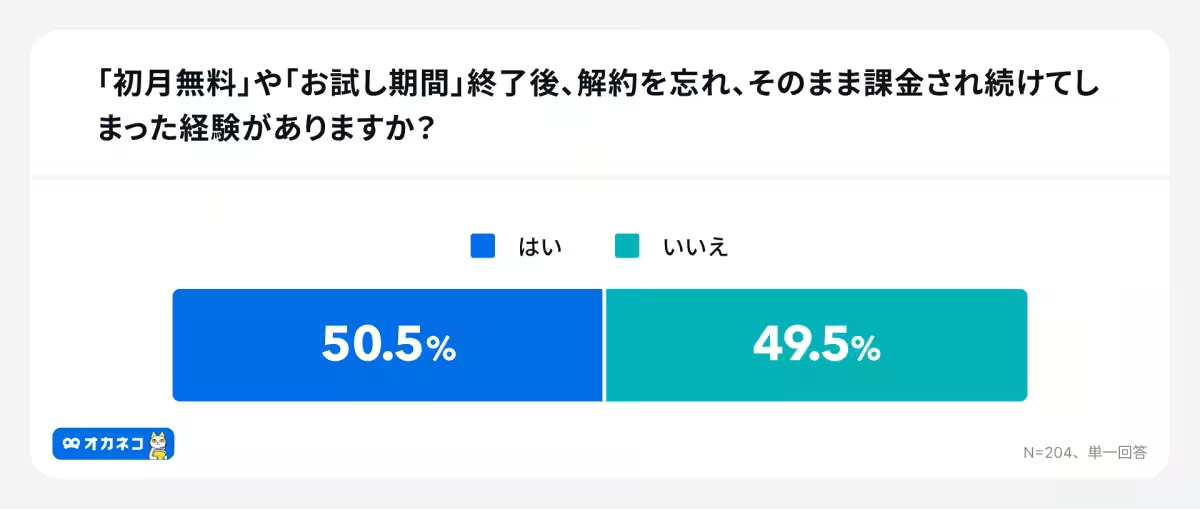
The survey, which included responses from 330 Okane Co. users, brought several alarming statistics to light. Half of the respondents (50.5%) admitted to forgetting to cancel their subscriptions following a free trial period, allowing for automatic payments to kick in. This indicates a widespread issue wherein users become entangled in subscription services that they do not actively utilize, suggesting a compelling need for new strategies to manage these financial obligations.
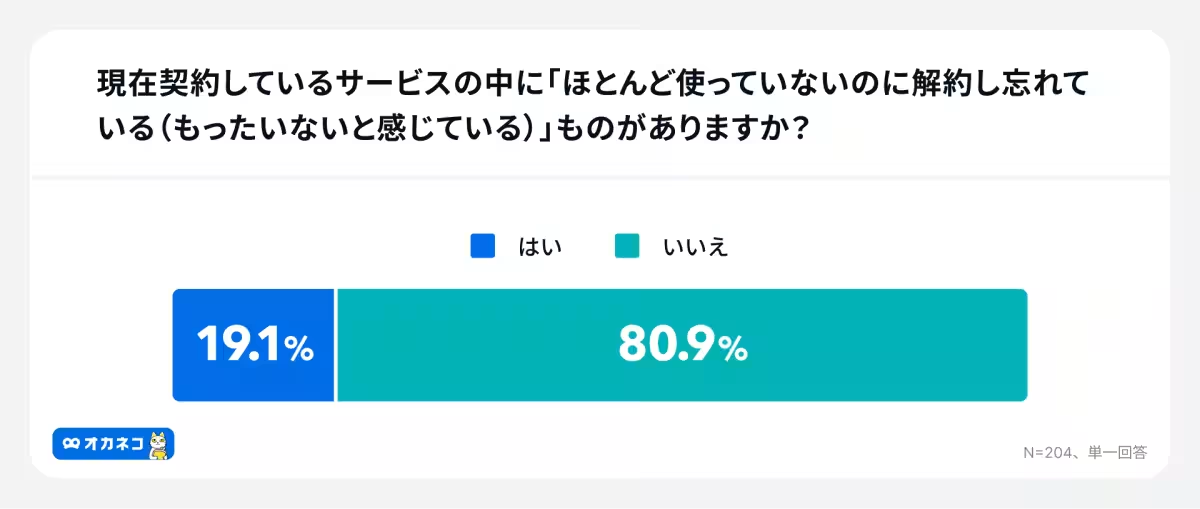
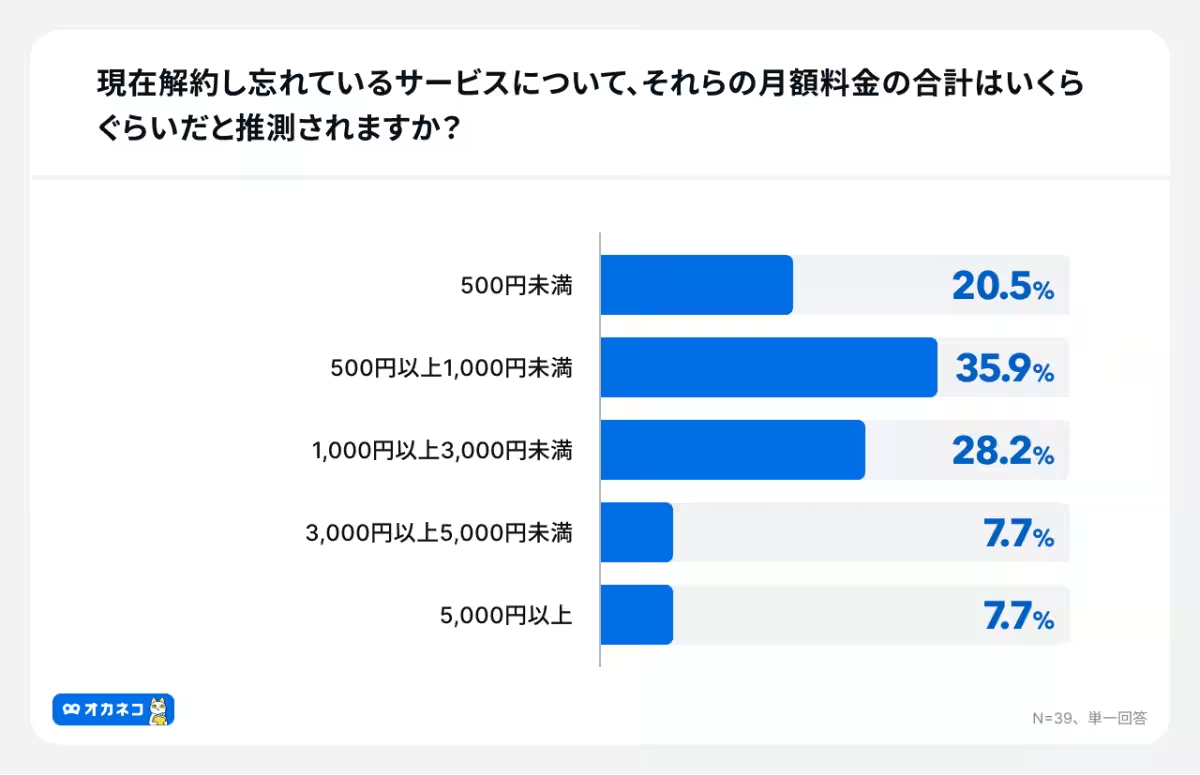
Moreover, according to 19.1% of subscription holders, they find themselves in a state where they have 'forgotten to cancel' services they rarely use but feel guilty about letting go. And concerningly, among this group, approximately 15% believed that they are potentially incurring losses exceeding 3,000 yen monthly due to these forgotten subscriptions. This phenomenon begs the question: how many more individuals are contributing to this silent yet impactful waste of resources?
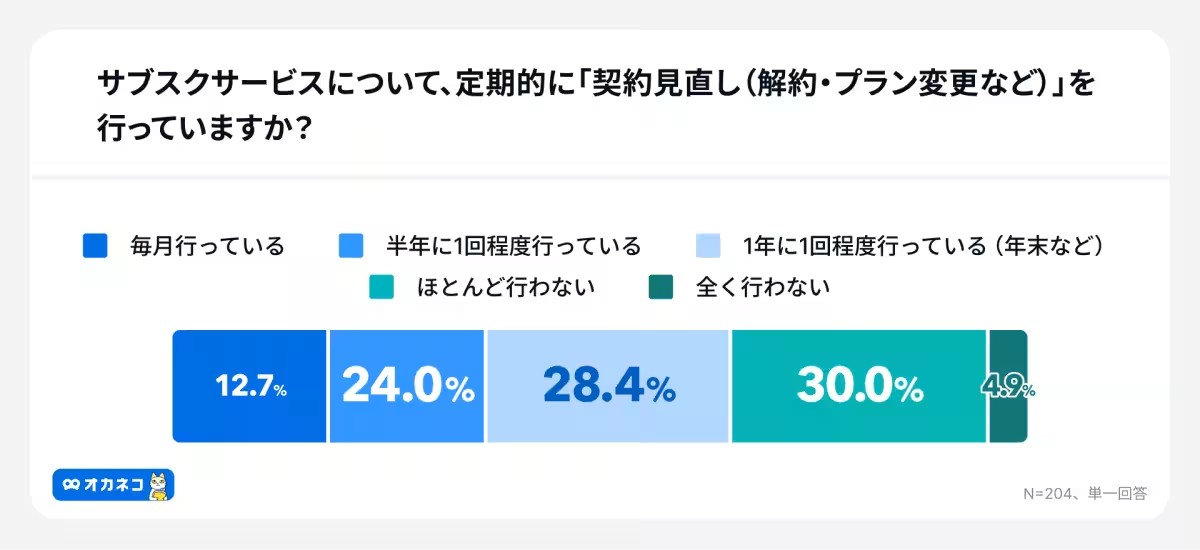
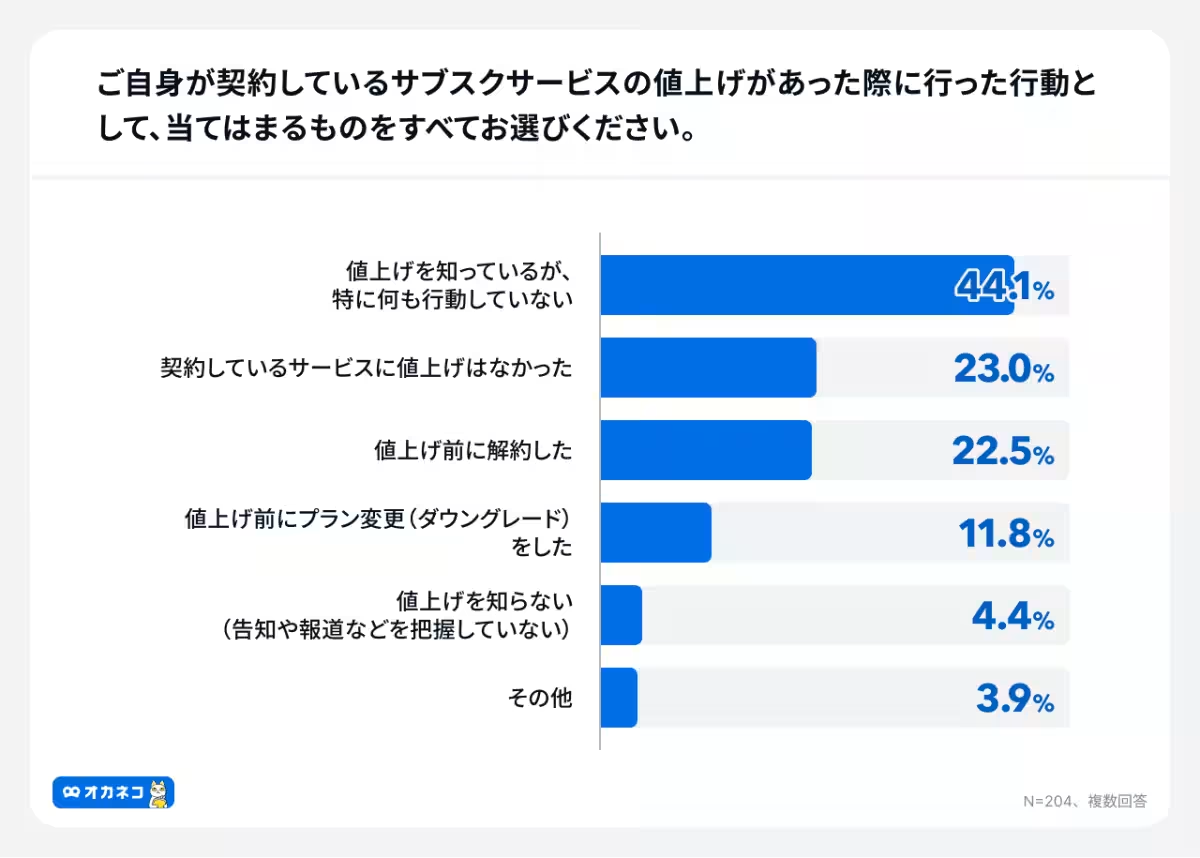
The implications of these findings extend beyond individual financial management; they point to a lack of overall awareness and willingness to reassess personal subscriptions. The survey further revealed that roughly a third of participants (34.9%) admitted to rarely or never reviewing their subscription plans—whether it be to cancel or adjust them according to changing needs. These statistics underline a crucial behavioral gap in subscription management, where a staggering 44.1% of users took no action in response to subscription price increases.
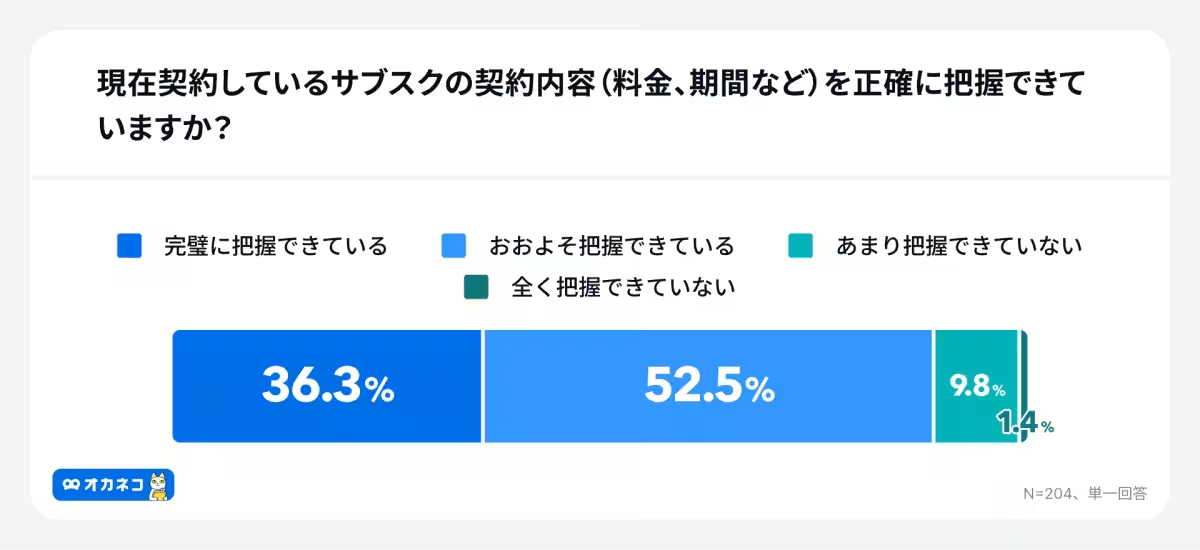
Interestingly, although many acknowledge the presence of these potential wastes, only 36.3% could state they had a precise grasp on their current subscription terms, with many others admitting that they either had a rough idea or were completely unaware. Such trends indicate a significant disconnect between users and the financial commitments they undertake, thus amplifying the urgency to establish better awareness practices around subscriptions.
As we approach the end of the year, many engage in a metaphorical 'digital spring cleaning'; these findings advocate for a proactive approach termed 'Digital Big Cleaning.' This entails compiling a list of all subscriptions, reviewing their necessity, and effectively decluttering financial commitments to alleviate ongoing expenses. Okane Co. underscores the importance of regularly assessing and minimizing these digital fixed costs as a practical means of maintaining fiscal health.
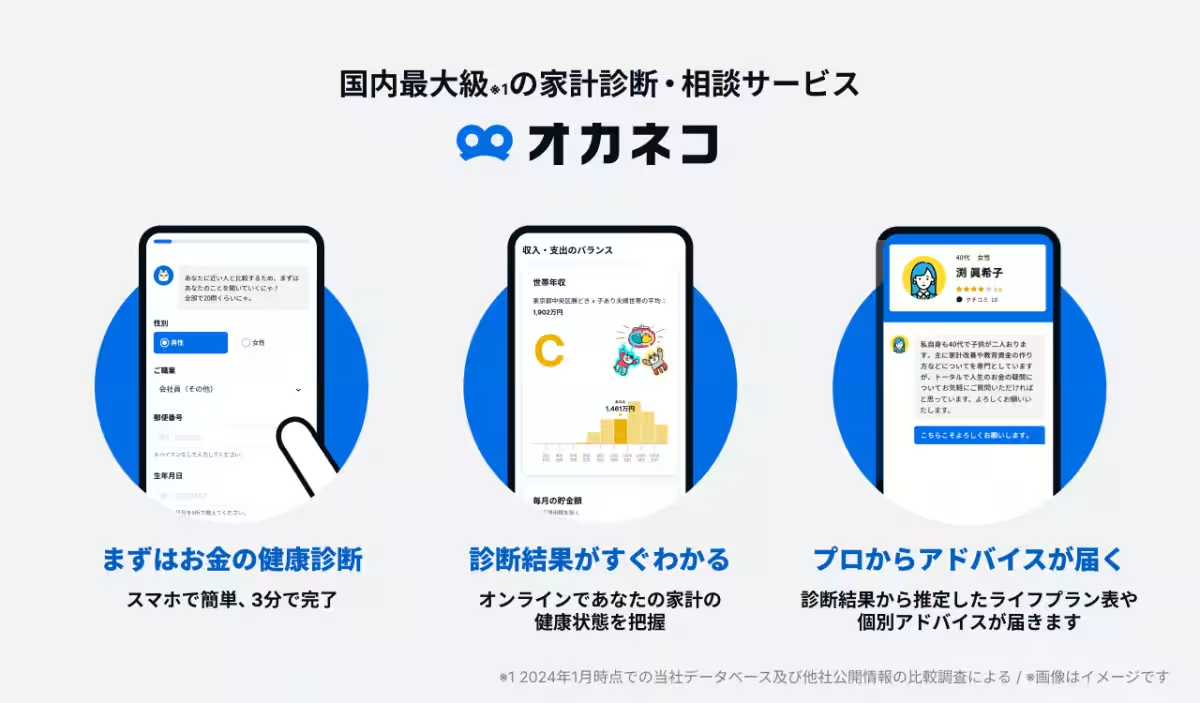
In conclusion, Okane Co. is committed to aiding users in understanding their financial landscape better via comprehensive diagnostics and professional advisory services. The potential for savings is rife, yet it requires active participation from individuals to recognize and act on these financial habits. As the awareness grows through initiatives like these surveys, it is hopeful that users will take control of their financial commitments, thus mitigating the tendencies towards 'Chiritsumo Waste.'
Survey Overview
- - Survey Name: Okane Co. Subscription 'Chiritsumo Waste' Reality Survey
- - Method: Online questionnaire
- - Duration: December 6-7, 2025
- - Participants: 330 Okane Co. users
- - Age Breakdown: 30s and younger (13.9%), 40s (26.4%), 50s (35.2%), 60s and older (24.5%)
- - Household Income: Less than 4 million yen (24.5%), 4-6 million (20%), 6-8 million (18.2%), 8-10 million (11.8%), 10-12 million (5.4%), more than 12 million (13.3%), unknown (6.8%)
By engaging with the data and insights like these, individuals can elevate their financial knowledge and make informed decisions, ultimately leading to improved financial health and stability.

Topics Financial Services & Investing)
【About Using Articles】
You can freely use the title and article content by linking to the page where the article is posted.
※ Images cannot be used.
【About Links】
Links are free to use.