



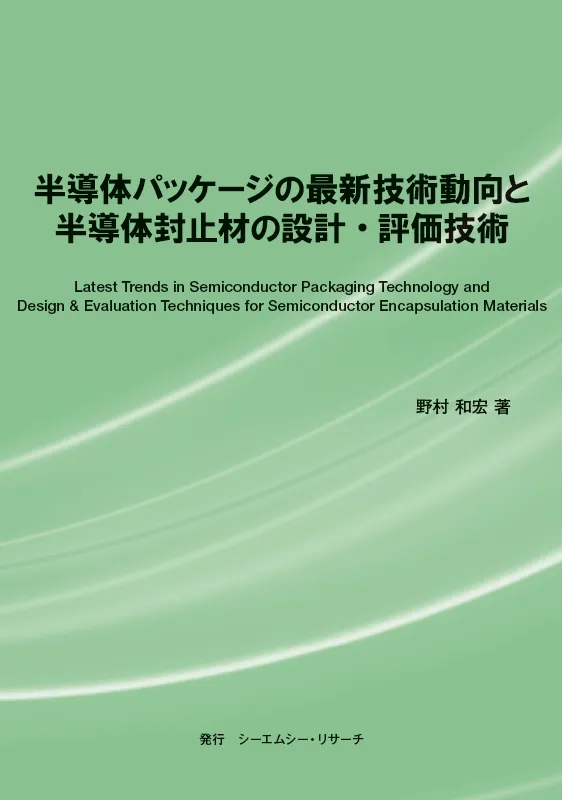
Exploring Semiconductor Packaging Innovations and Material Evaluation Techniques for Future Technologies
Introduction
The semiconductor is the backbone of modern technology, essential in devices from communication tools to automobiles and medical equipment. As these devices must perform reliably over extended periods in harsh environments, semiconductor encapsulation materials are indispensable. They protect semiconductor chips from external factors, provide mechanical strength, and maintain electrical properties. The quality of these materials significantly affects the overall reliability of semiconductor devices.
As we transition into an age dominated by 5G communication, electric vehicles, and AI chips, semiconductor encapsulation materials must adapt to a slew of new requirements, including increased heat resistance, reduced stress, and lower dielectric constants. This book aims to provide a comprehensive understanding of both fundamental concepts and the latest technological trends in encapsulation materials.
Book Overview
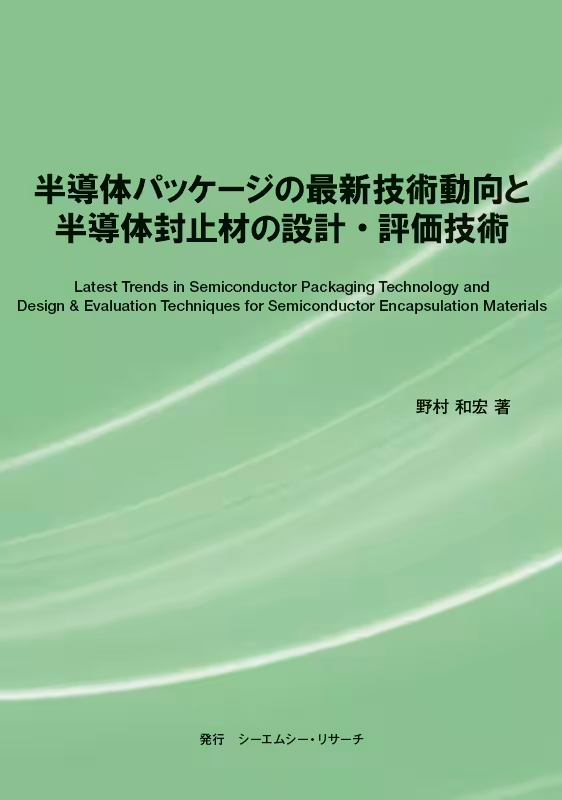
The publication features thorough explanations from the basic foundations of semiconductor encapsulation materials to modern trends and innovations. Topics such as epoxy resin and hardeners, formulation design, manufacturing processes, reliability assessments, quality control, and emerging packaging trends are all covered in detail. Furthermore, the book presents practical insights drawn from the author's extensive experience in the field, which includes both successes and challenges. Whether you are a student aspiring to learn about semiconductor packaging technology or a seasoned researcher, this book offers valuable information that is accessible and easy to understand.
Contents
Chapter 1: Semiconductor Devices
- - Integration Circuits (IC): Logic, Memory, and Analog
- - Non-ICs: Optics, Power, and Sensors
Chapter 2: Semiconductor Packaging
- - IC packaging essentials, materials for device mounting
- - Various IC packaging molding methods
- - Evolution of IC packaging
Chapter 3: Semiconductor Encapsulation Materials
- - Raw materials: Epoxy resins, hardeners, and additives
- - Desired characteristics of encapsulation materials
- - Design considerations
Chapter 4: Evaluation of Encapsulation Materials
- - Aesthetic and operational features such as viscosity and gel time
- - Thermal, humidity, mechanical, and electrical properties
Chapter 5: Future Trends in Encapsulation Materials
- - Cutting-edge packaging technologies
- - Solutions for high-frequency applications
- - Innovations in heat management and energy efficiency
Conclusion
Semiconductor technology is continually evolving, and the encapsulation materials must keep pace. The book hopes to serve as a fundamental resource for professionals and students alike, contributing to the ongoing development of semiconductor encapsulation technologies. The author expresses immense gratitude to all contributors, including Kawasaki Techno Research and CMC Research, for their invaluable supports during the creation of this comprehensive guide.
Published on January 30, 2026, this book is a must-have for anyone involved in semiconductor research and development, ensuring you have access to the latest innovative techniques and theoretical foundations in the field.

Topics Consumer Technology)
【About Using Articles】
You can freely use the title and article content by linking to the page where the article is posted.
※ Images cannot be used.
【About Links】
Links are free to use.