


LeanDNA Introduces New Demand Scenario Modeling for Enhanced Supply Chain Planning
LeanDNA Introduces Demand Scenario Modeling in APEX
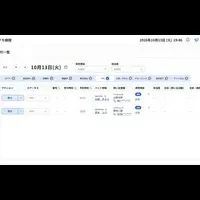
LeanDNA, a key player in intelligent supply chain execution, has rolled out its latest feature known as Demand Scenario Modeling (DSM) within the APEX platform. This significant update solves long-standing issues related to supply chain planning, enabling production planners to evaluate demand changes seamlessly, without relying on traditional spreadsheet tools.
As production environments face increasing unpredictability, planners often find themselves overwhelmed by manual processes. Historically, spreadsheets have been the go-to solution, but they come with risks such as data inconsistency and time-consuming exports from ERP systems. With the introduction of Demand Scenario Modeling, LeanDNA brings a refreshingly efficient approach that merges real-time production feasibility with user-friendly functionality.
What is Demand Scenario Modeling?
DSM empowers production teams, including planners and supply chain managers, to assess various demand scenarios against live supply and Bill of Materials (BOM) data swiftly. The newly integrated tool allows users to instantly view how changes in demand impact production capabilities, listing out potential constraints while offering clarity on shortage risks.
Before DSM, planners had to manually export ERP data, flatten BOM structures, and reconcile numerous factors, creating a lengthy and often erroneous validation process just to answer the critical question: Can we build this? DSM eliminates this convoluted methodology by incorporating a real-time what-if analysis directly into the APEX platform. This transition not only drastically reduces the time required for analysis—historically hours—down to mere minutes, but also enhances accuracy by relying on up-to-date system data.
Key Benefits of This New Feature
One of the most notable aspects of DSM is its operational safety. Since it operates within a controlled sandbox environment while connected to live data, planners can delve into multiple scenario analyses without triggering changes to live system records or jeopardizing current operations. This safe testing ground enables systematic comparisons of varying demand levels, letting users tweak quantities and timelines on the fly, and immediately see the repercussions.
Andy Ellenthal, CEO of LeanDNA, captures the essence of this feature succinctly: “Production planners shouldn’t have to choose between speed and safety when testing a demand change. Demand Scenario Modeling provides both answers in a matter of minutes, grounded in the same supply and BOM data driving their factory while never impacting live ERP records.”
The tool's design has been strategically oriented toward tactical to mid-term planning (one to twelve months ahead), precisely fitting into the operational landscape where production teams frequently transform demand inquiries into solid production commitments.
LeanDNA’s Ongoing Commitment to Innovation
LeanDNA continues to stand out in the landscape of discrete manufacturing supply chain management. Its commitment to providing a single source of truth for factory-first supply planning, materials management, and inventory optimization has proven beneficial across various industries including aerospace, automotive, HVAC, and medical manufacturing.
By utilizing APEX, which employs AI capabilities for optimized decisions and actions, LeanDNA has enabled manufacturers such as Caterpillar, Siemens, and Daikin Applied to enhance visibility over materials, collaborate effectively with suppliers, and meet inventory goals.
In summary, the launch of Demand Scenario Modeling within the APEX platform represents a leap forward in supply chain execution, giving manufacturers the tools they need to navigate complexities with confidence. As industries evolve, solutions like LeanDNA’s DSM will undoubtedly play a pivotal role in ensuring efficient and accurate production planning, ultimately aligning with the demands of today’s fast-paced manufacturing environment.
For more information about LeanDNA and its offerings, visit LeanDNA.com.
Topics Consumer Technology)

【About Using Articles】
You can freely use the title and article content by linking to the page where the article is posted.
※ Images cannot be used.
【About Links】
Links are free to use.