



Youthful Innovators Shine in Red Bull Basement Japan Final 2026
Unveiling the Future: Red Bull Basement Japan Final 2026
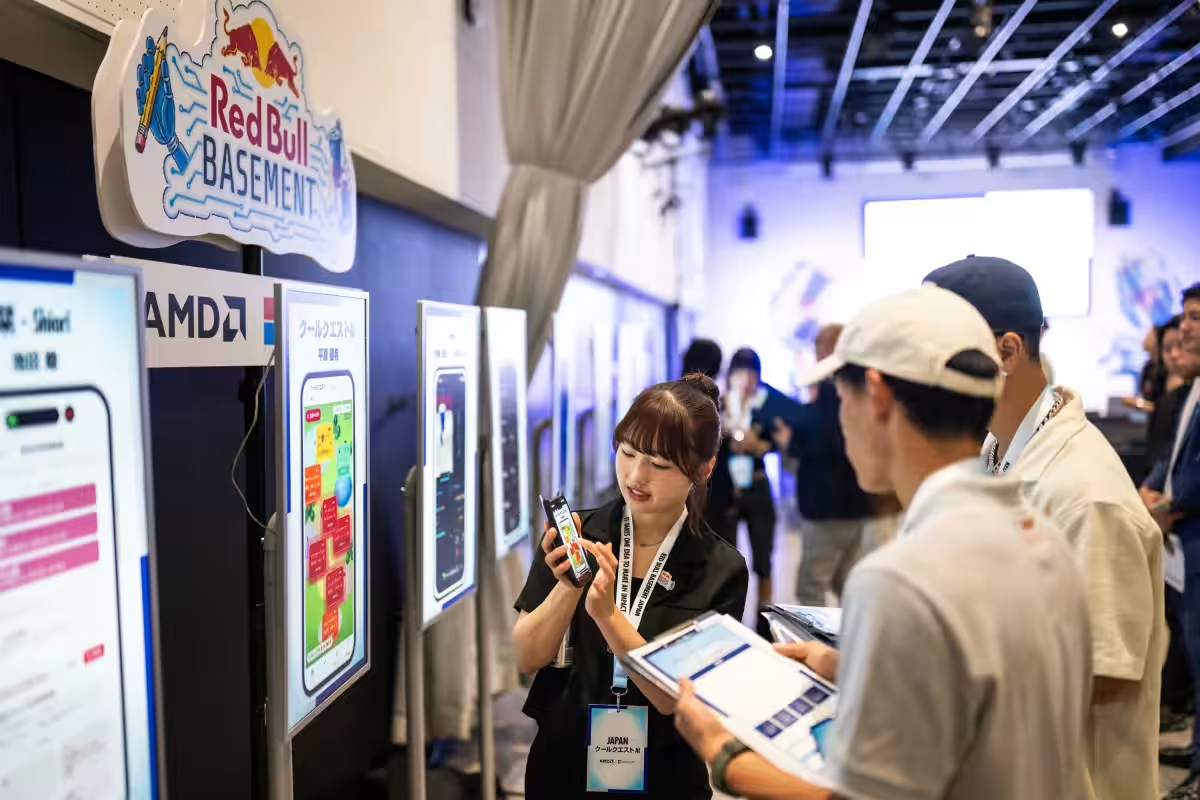
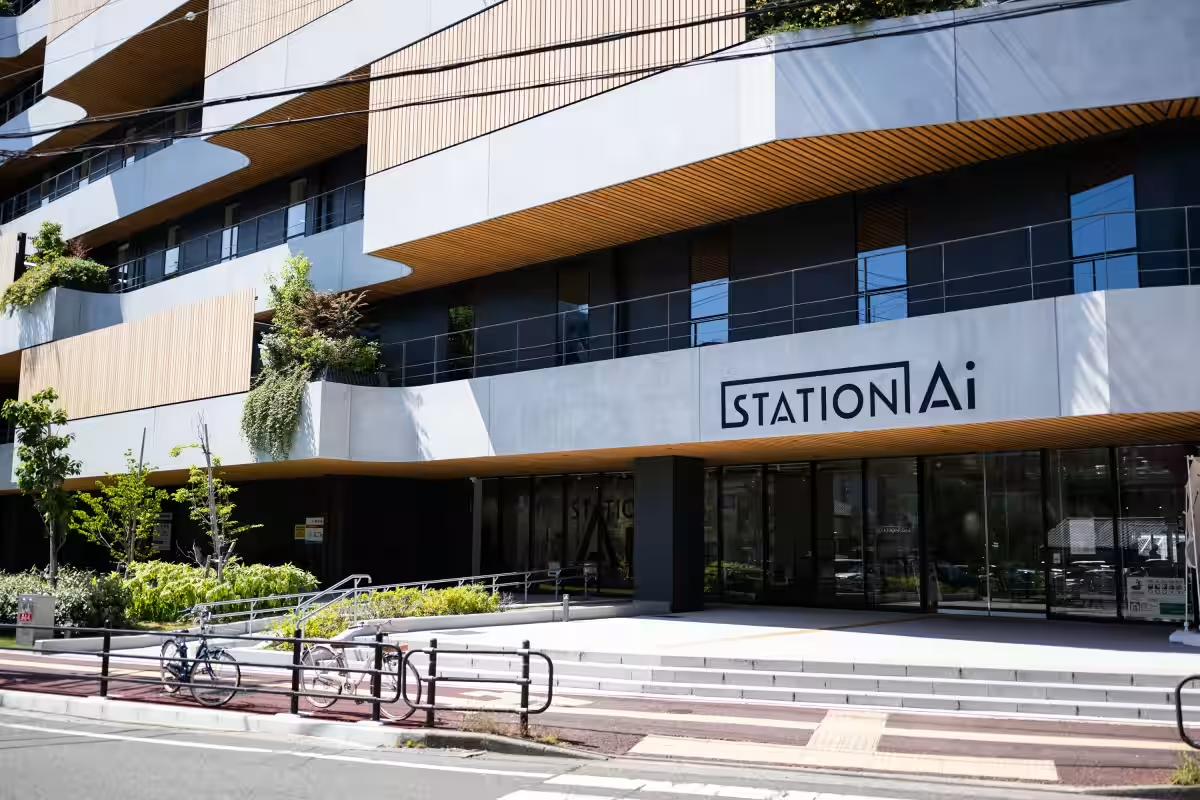
On May 17, 2026, the Red Bull Basement Japan Final took place at STATION Ai, a leading open innovation hub located in Nagoya, Aichi Prefecture. This significant event featured an impressive array of groundbreaking ideas, marking a new high with 3,020 submissions from aspiring students and first-time entrepreneurs. Compared to previous years, this figure is nearly three times higher than the 1,191 ideas collected for the last competition in 2024. Globally, the participation is soaring, with an expected 110,000 to 130,000 entries.
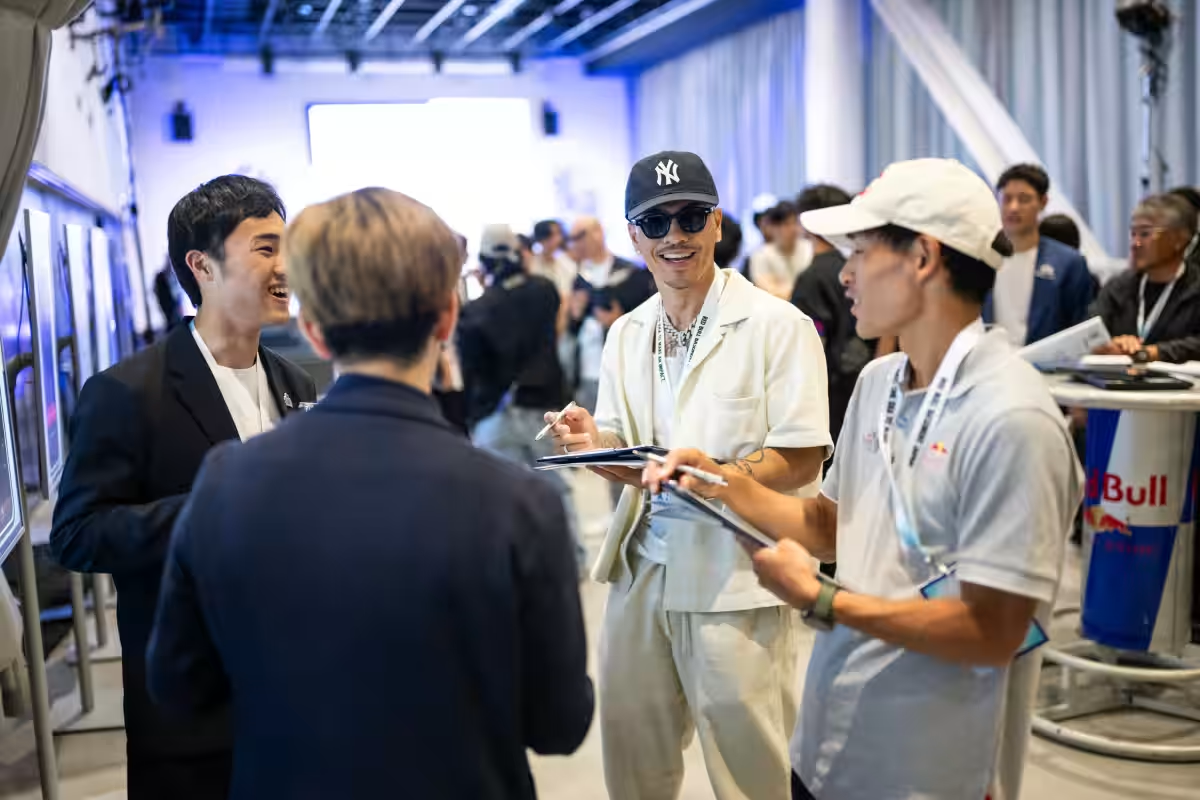
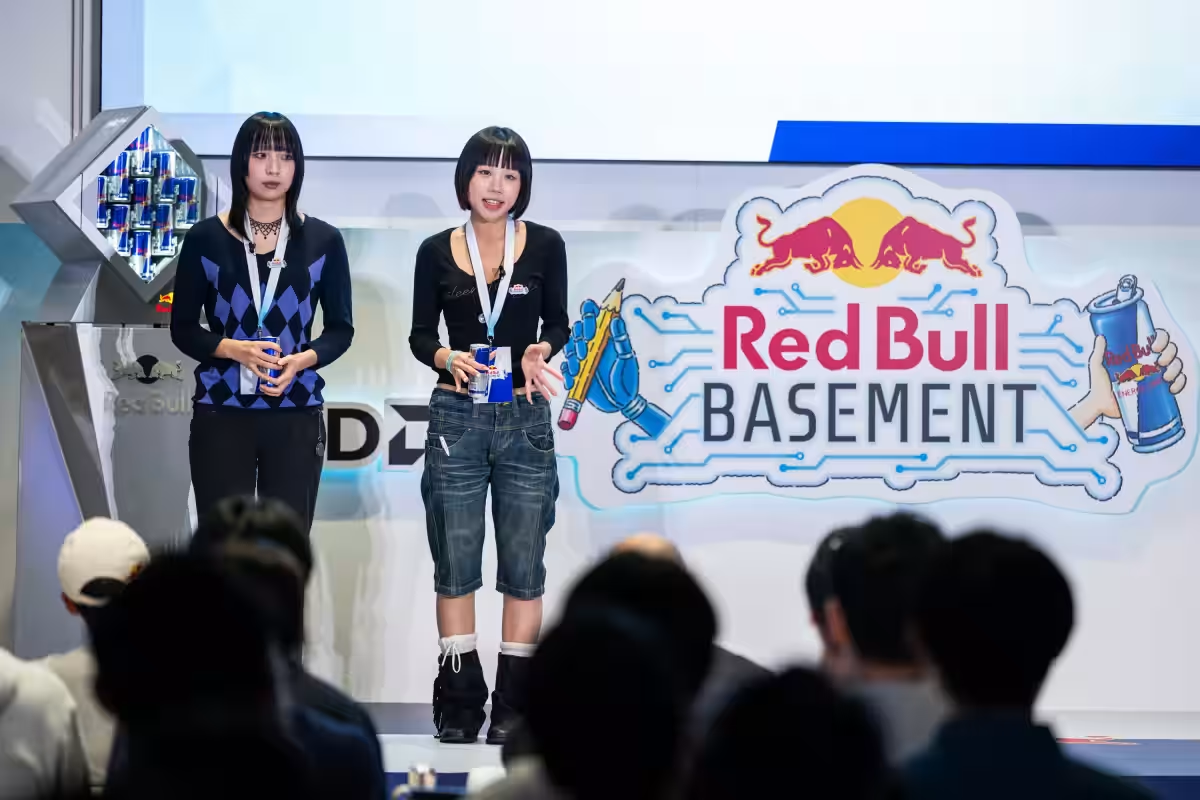
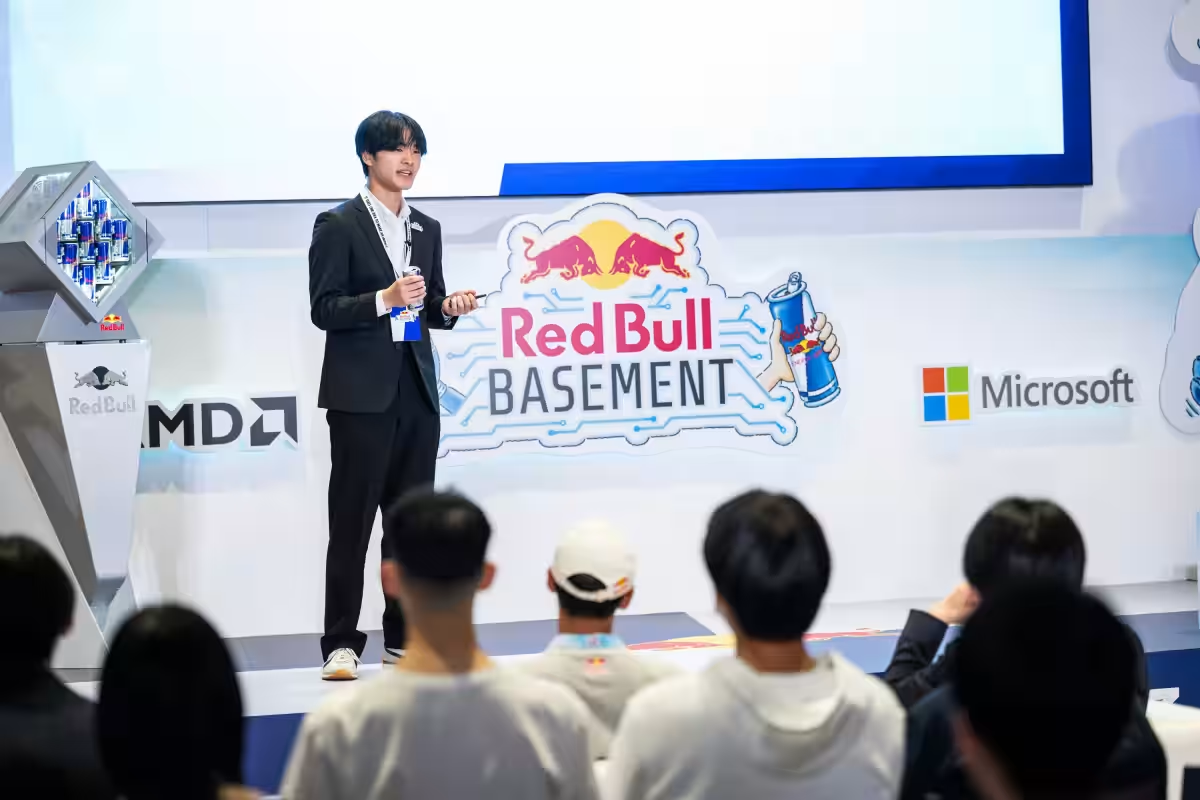
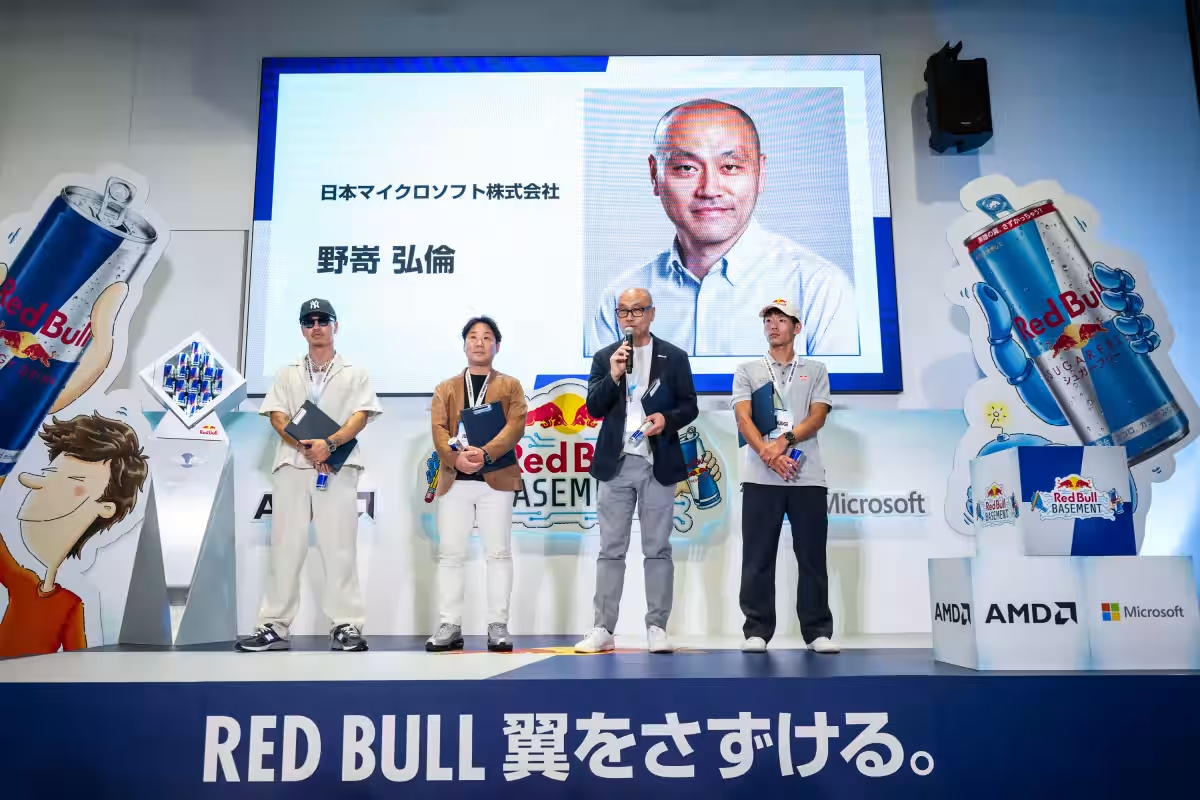
The top ten teams that reached the Japan final presented a diverse spectrum of innovative concepts to a panel of four esteemed judges. This panel included Hirotaka Nozaki, CTO of Microsoft Japan, Masato Sekine, Sales Engineering Manager at AMD Japan, AK-69, a renowned hip-hop artist and entrepreneur, and Rui Ueda, a Red Bull athlete and entrepreneur. The teams delivered passionate pitches that resonated deeply with the audience and judges alike.
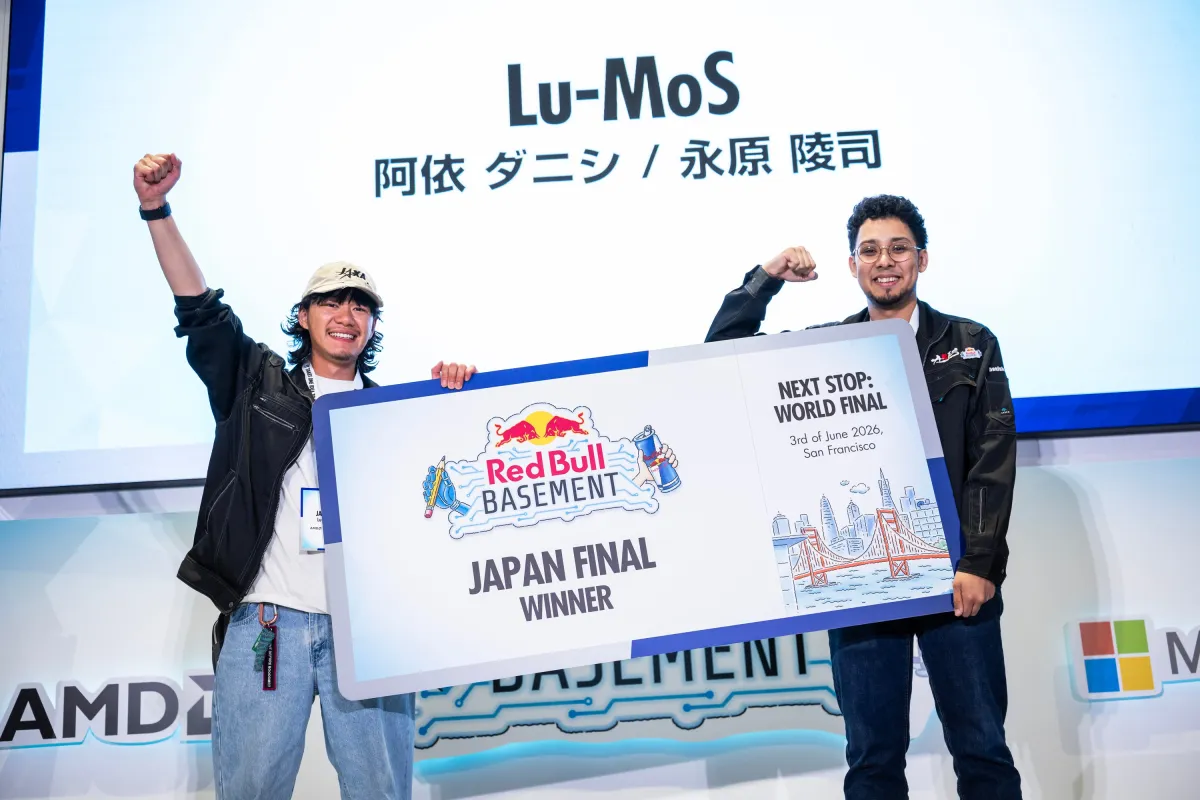
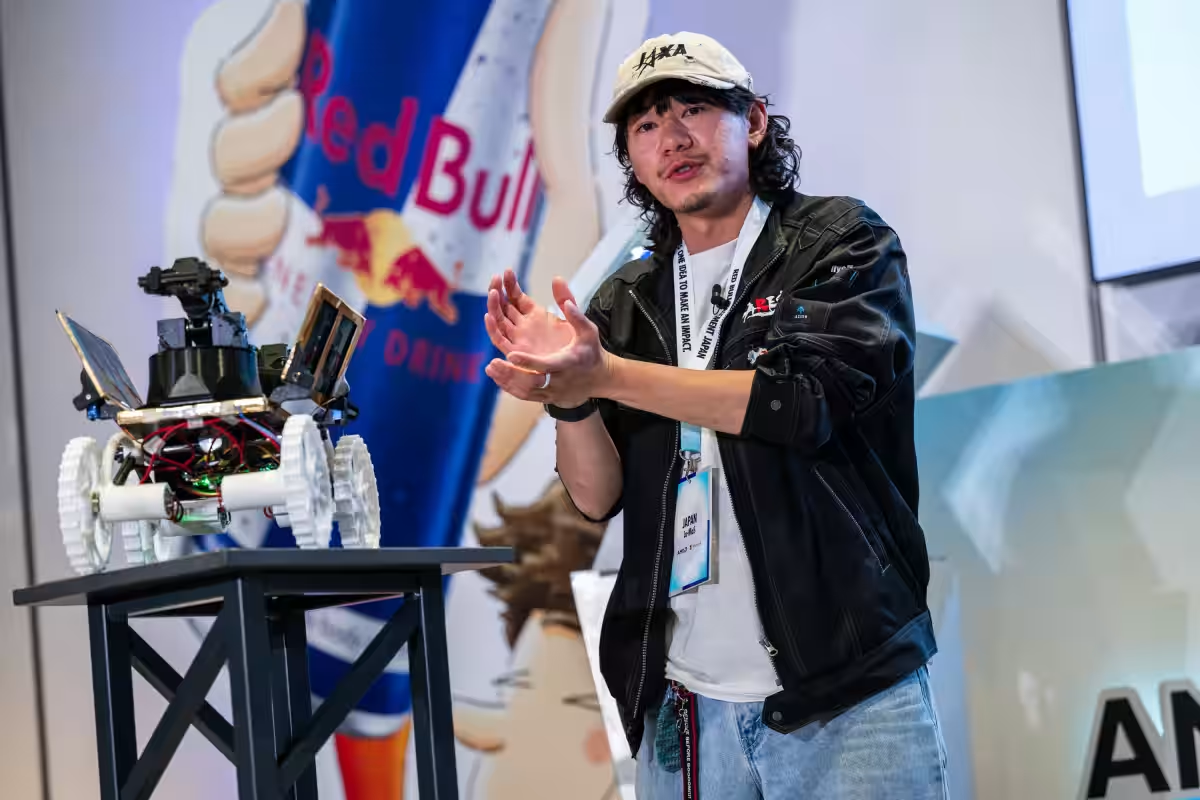
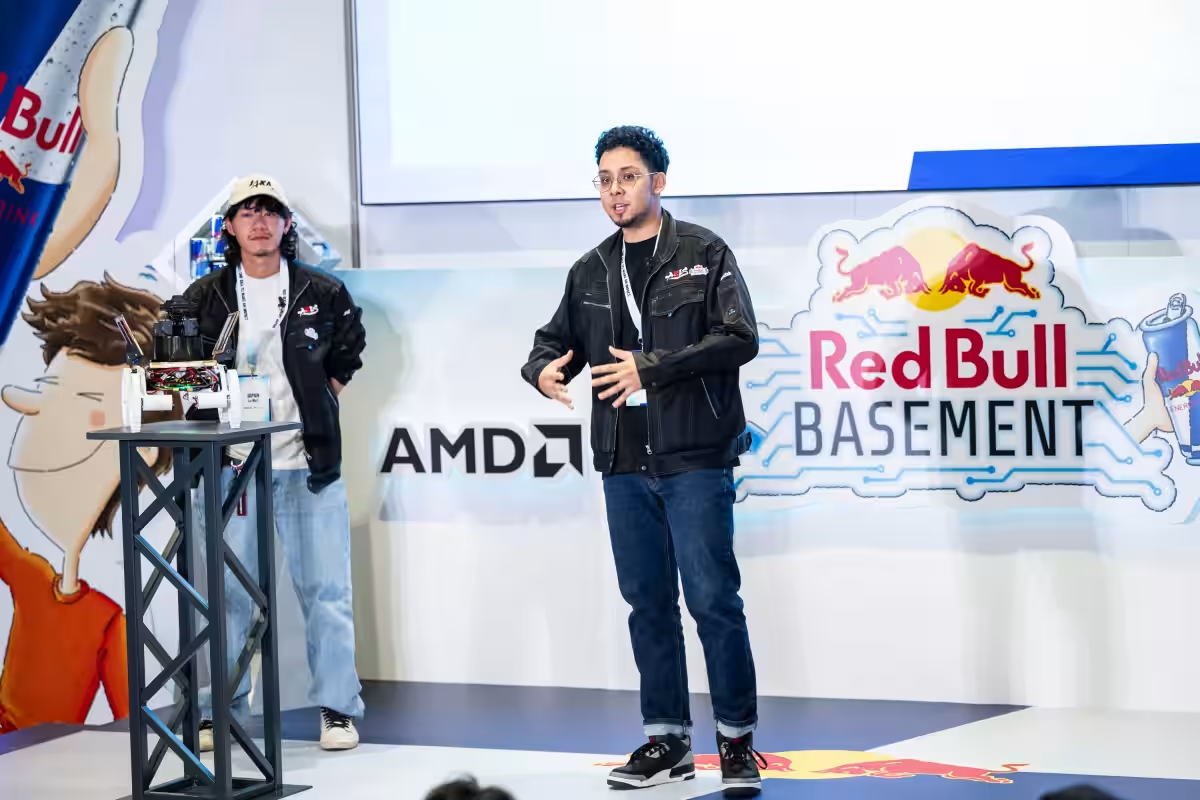
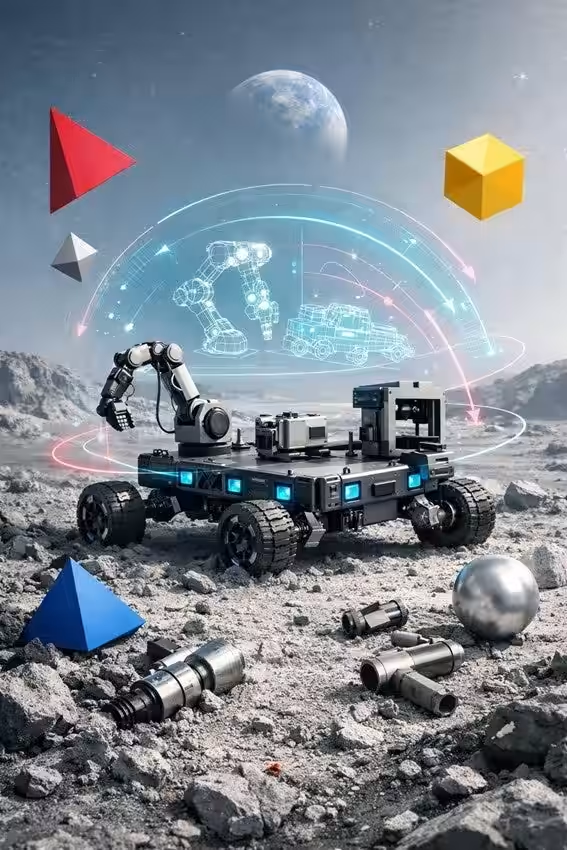
Among them, the standout winners were Danishi Aiyu from Tohoku University and Ryōji Nagahara from Keio University, who developed a unique operational system named 'Lu-MoS' (Lunar Mobility Operating System). This system aims to tackle the high costs traditionally associated with lunar rover operations by utilizing AI. Their innovation not only offers a potential solution to the challenges of developing lunar exploration equipment but also positions them to represent Japan at the upcoming Red Bull Basement World Final 2026 in San Francisco from June 1-3.
An Inspiring Journey
During the competition, Aiyu expressed his deep gratitude, emphasizing the importance of connecting with other passionate participants: “Seeing everyone channel their ideas into how to improve the world was incredibly inspiring. This contest was more than just a competition; it was a catalyst for introspection about the challenges in space exploration.” Aiyu views their victory as just the beginning, noting the critical journey ahead and the urgency to make a lasting impact on global space development.
Nagahara shared his own emotional journey throughout the competition, reflecting on his childhood passion for creating and building robots. He highlighted the financial barriers in hardware development and how supportive figures fueled his confidence. “Realizing that we have a community that believes in us truly empowers us to persevere,” he stated, focusing on their commitment to excel in the forthcoming World Final.
The Idea Behind Lu-MoS
The 'Lu-MoS' framework is designed to address the escalating demand for operational modules needed as lunar bases are established. Traditional rovers have been hobbled by their dependency on high-cost, specialized development. The proposed system allows developers to input their equipment data, which AI uses to propose optimal designs and control mechanisms tailored to the lunar environment. By establishing Lu-MoS as a foundational operating system, they aim to democratize lunar exploration, enabling anyone to bring their technology to the moon.
The judges were exceptionally impressed by the quality of ideas presented. Hirotaka Nozaki praised the participants for their commitment to addressing significant challenges through innovative thinking. He remarked, “The ambition and clarity of purpose in tackling meaningful issues were palpable, especially in the case of Lu-MoS with its bold vision.”
Masato Sekine echoed this sentiment, expressing excitement about the potential behind the Lu-MoS project, stating, “If realized in the coming years, it could represent a monumental leap in lunar exploration technology.”
AK-69 highlighted the duo's authenticity and fervent desire to fulfill childhood dreams of creating innovative technologies, saying, “Their commitment to seeing their visions realized speaks volumes about their potential.”
Moving Forward: World Final Ambitions
Looking ahead to the World Final, both Aiyu and Nagahara have outlined their goals. They intend to enhance their prototype, adding critical functionalities like robotic arms to optimize lunar rover operations. “Time is limited but fueled by Red Bull, we’re determined to give it our all,” Nagahara affirmed.
Aiyu set a clear ambition for the World Final: victory. “We don’t just want to participate, but to showcase our idea as a competitive force on a global stage,” he asserted. He views the trip to San Francisco as a valuable opportunity to gain insights from the Silicon Valley tech community and hopes to one day collaborate with Red Bull in space explorations.
Amidst the excitement, they acknowledged the support of Red Bull and the empowering role of the program which has enabled them to reach this pivotal stage.
Conclusion
The Red Bull Basement Japan Final not only presented remarkable inventions but also embodied the spirit of entrepreneurship and innovation among Japan's youth. It highlighted a growing movement to embrace technology in promoting positive change, making way for a future where creative ideas can take flight. As these innovators prepare for the World Final, all eyes will be on them to see how Japan’s brightest minds aim to transform the challenge of lunar exploration into a remarkable reality.
For more information on the Red Bull Basement program, visit their official page here.


Topics Entertainment & Media)




【About Using Articles】
You can freely use the title and article content by linking to the page where the article is posted.
※ Images cannot be used.
【About Links】
Links are free to use.