



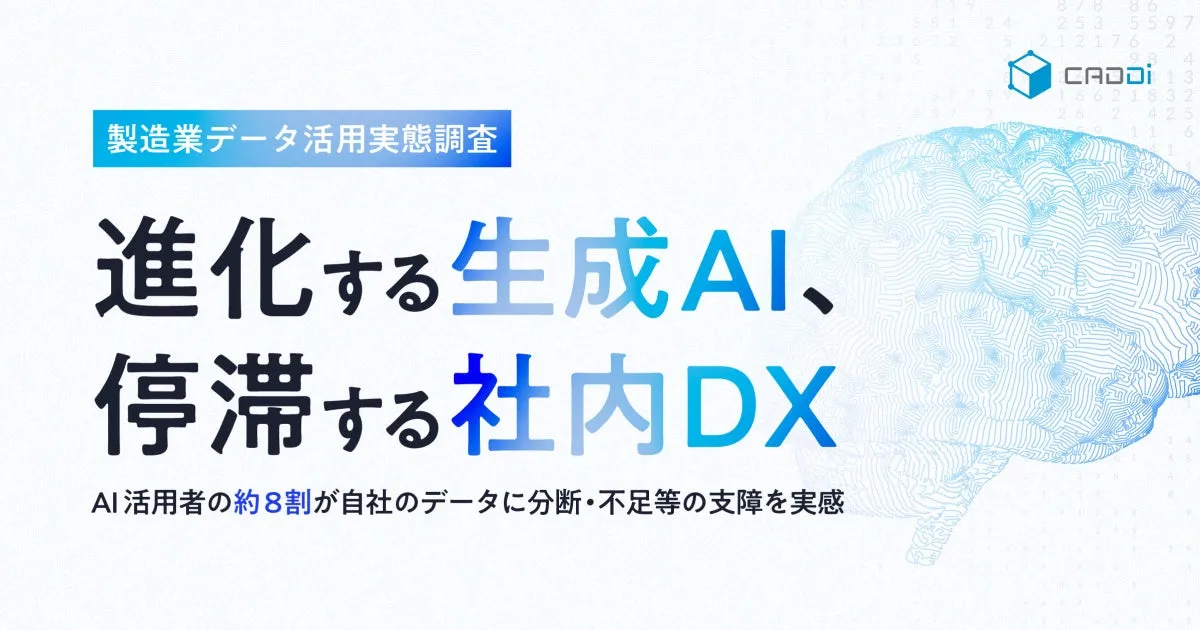
Innovations and Challenges in Utilizing AI for the Manufacturing Sector: Insights from a Recent Survey
Understanding AI Utilization in the Manufacturing Sector
In a world increasingly influenced by technology, CADDi, a Tokyo-based startup, has conducted a significant survey exploring the utilization of AI within the manufacturing sector. This survey involved 200 professionals and aimed to examine how AI and digital transformation (DX) initiatives are impacting individual and corporate levels.
Background
As we approach 2025, the year previously highlighted by the Japanese Ministry of Economy, Trade and Industry as a potential 'cliff' for companies failing to embrace digital transformation, the survey sheds light on ongoing challenges facing the manufacturing industry. While AI technology, particularly generative AI, has advanced considerably over the last couple of years, many companies still rely on outdated systems and processes, creating a notable gap between individual tech adoption and organizational progress.
Key Findings
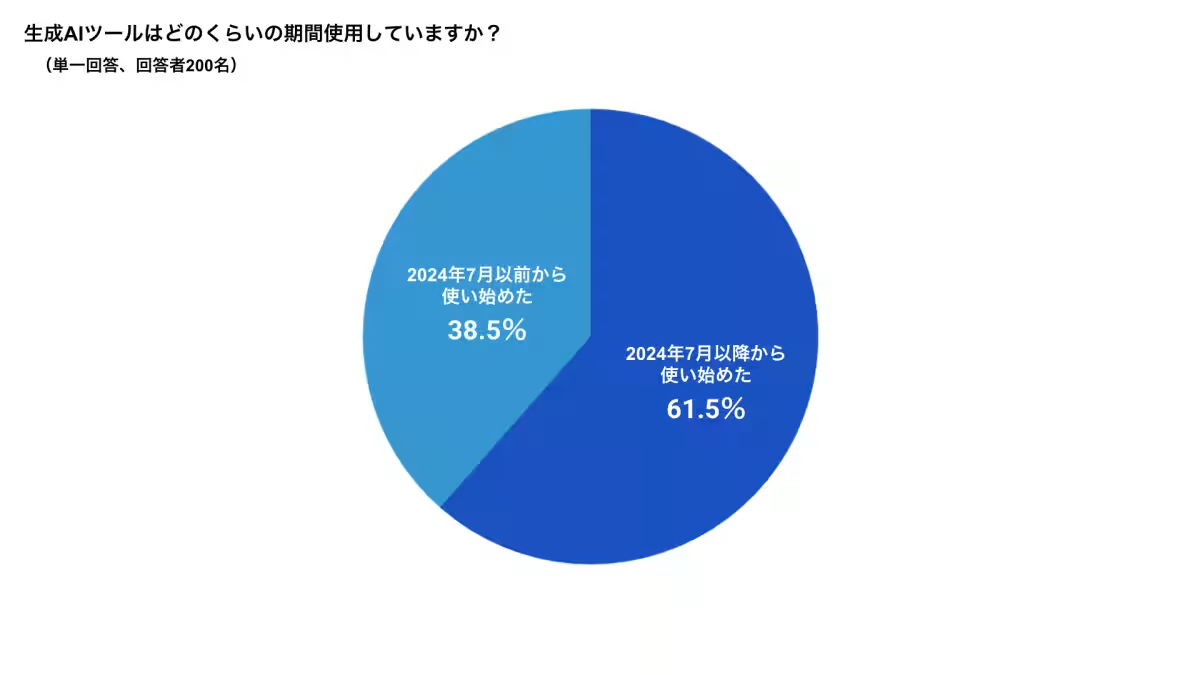
1. Rapid Adoption of Generative AI: Approximately 61.5% of respondents began using generative AI after July 2024, indicating a swift penetration of AI technology at the individual level within the last year.
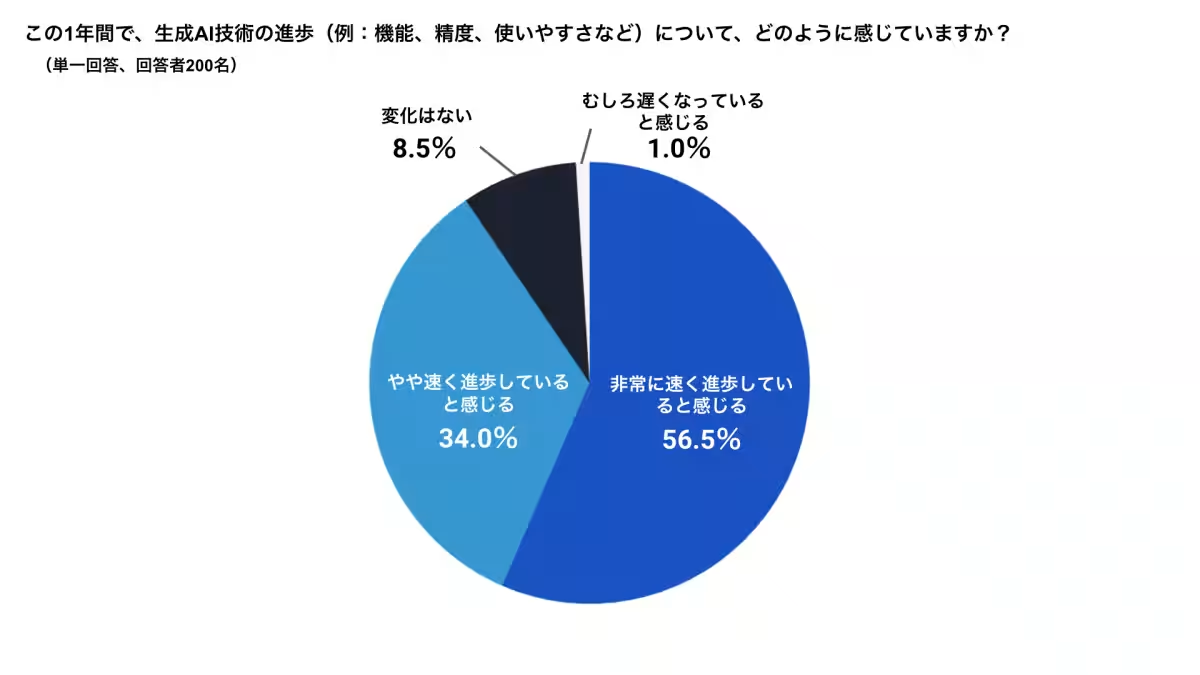
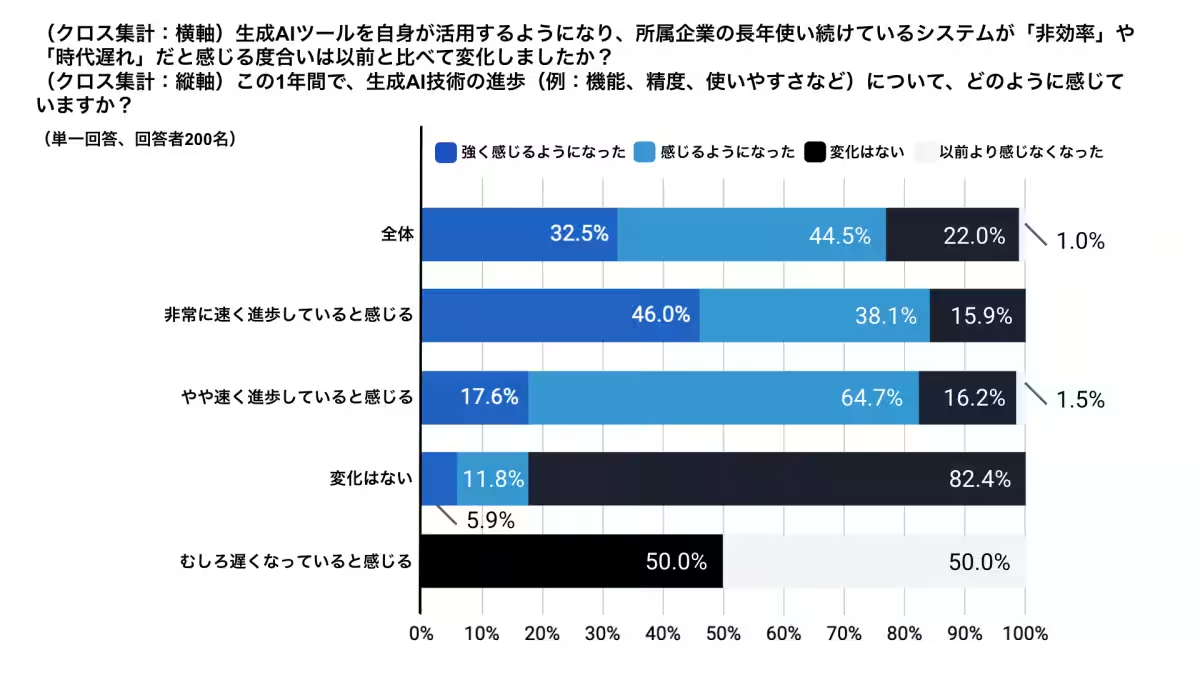
2. Perception of AI's Progress: A striking 90.5% of generative AI users feel that the advancement of AI technology has been rapid. This is reflected in their everyday experiences, suggesting that many have experienced substantial improvements in functionality and usability.
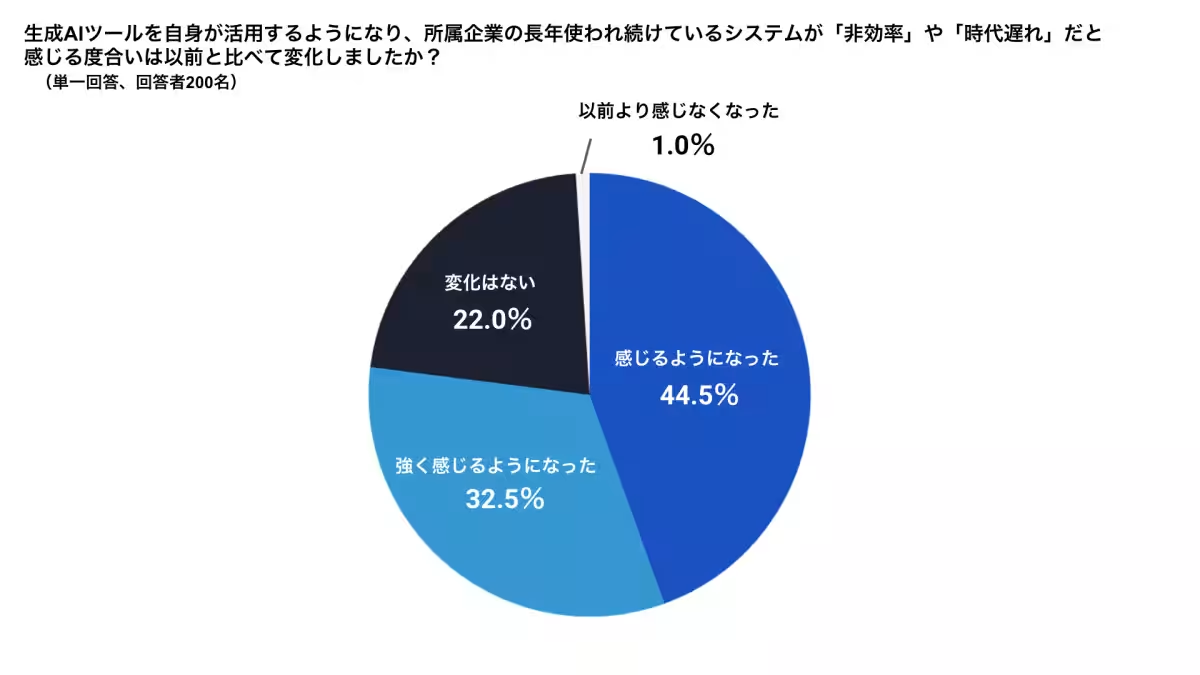
3. Awareness of Inefficiencies: Eight out of ten respondents indicated that their long-standing corporate systems feel inefficient and outdated since adopting generative AI. This points toward a growing realization that legacy systems are hindering their ability to leverage data effectively.
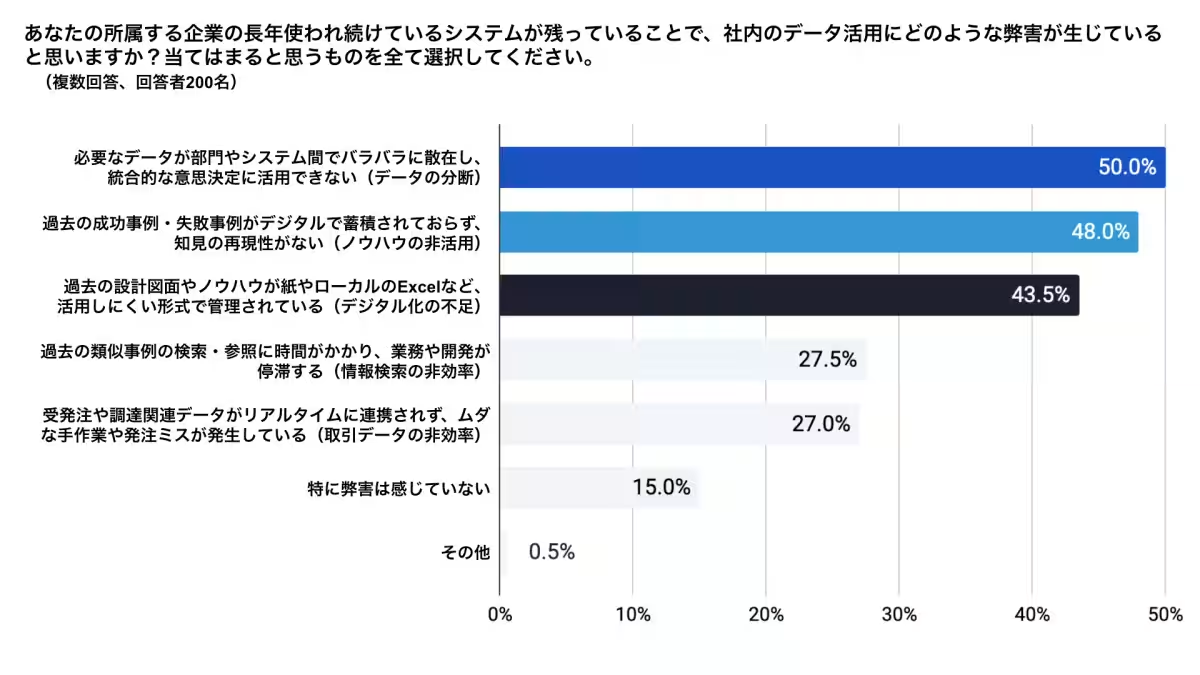
4. Data Utilization Challenges: A staggering 85% of survey participants noted that the legacy systems are causing disruptions in data utilization. Common issues include fragmented data across systems (50%) and the poor reusability of knowledge (48%), indicating clear barriers to effective data integration.
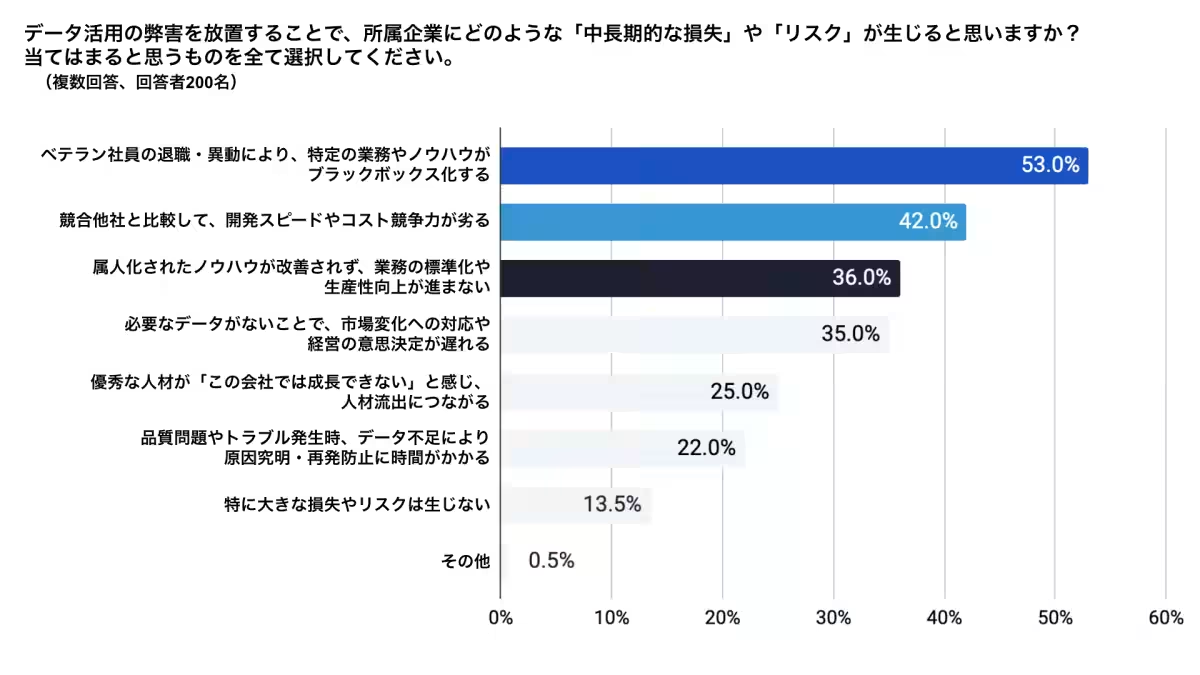
5. Long-Term Risks: When asked about potential long-term consequences of these data challenges, the majority expressed concerns. A significant 53% feel that the departure of veteran employees could lead to the 'black box' phenomenon, where vital knowledge becomes inaccessible and proprietary.
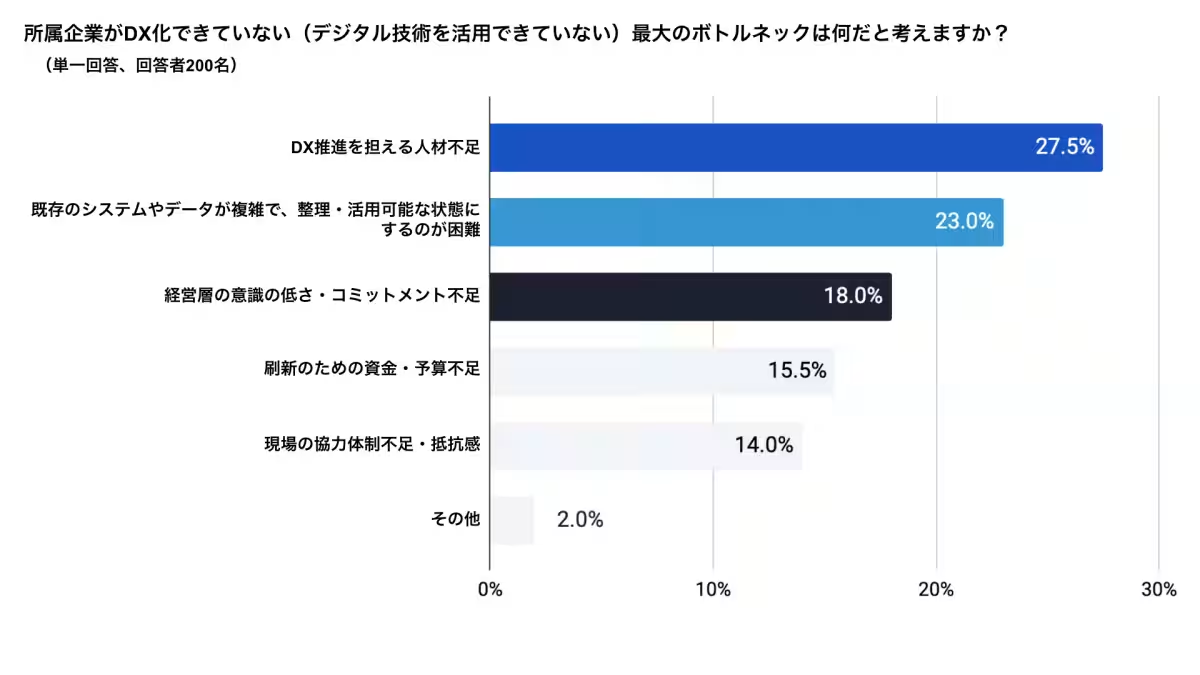
6. Barriers to DX: Respondents also highlighted that a shortage of personnel capable of driving DX initiatives (27.5%) and the complexity of existing systems (23.0%) are key obstructions to implementing effective transformation strategies. Where ambition exists, often the necessary resources and structures to catalyze that ambition are lacking.
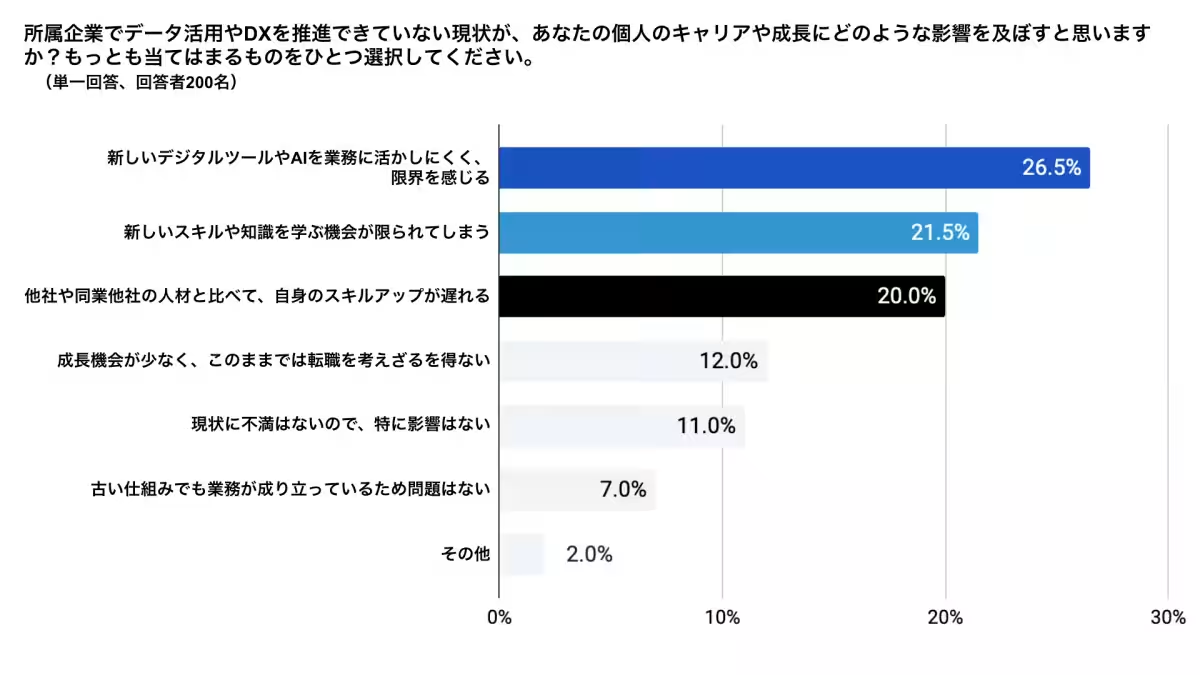
7. Impact on Career Growth: Over 80% of respondents acknowledged feeling limited in their career development due to their organization’s stagnant DX. Many believe that their ability to learn new tools or skills is compromised, and 20% reported lagging behind their peers in skills advancement.
Analysis
The survey highlights a notable discrepancy between individual engagement with AI technologies and the sluggish pace of corporate adaptation to digital transformation. Employees familiar with generative AI are acutely aware of how their company’s legacy infrastructures hinder efficiency and productivity. In many cases, their frustrations and insights signal a call to action for organizations.
The risk stemming from these inefficiencies not only includes the potential loss of critical knowledge due to workforce turnover but also extends to broader concerns regarding competition and technological capability. Companies that fail to address these challenges may find themselves lagging behind their competitors when it comes to development speed and operational cost-effectiveness.
Conclusion
To navigate these obstacles effectively, organizations should foster partnerships with technology providers that can aid in distinguishing and implementing practical solutions to their unique challenges. Moreover, nurturing a culture that embraces both individual and organizational transformation is crucial for sustainable growth. Given the rapid advancements in generative AI, the integration of such technologies into more strategic frameworks could bridge the current gap between individual capabilities and corporate execution. As we move forward, embracing flexibility and innovation within the manufacturing sector will be key to unlocking its full potential and ensuring its robustness in an increasingly competitive landscape.

Topics Consumer Technology)
【About Using Articles】
You can freely use the title and article content by linking to the page where the article is posted.
※ Images cannot be used.
【About Links】
Links are free to use.