




Potential Benefits of Yellow Pea-Based Gluten-Free Foods on Digestive Discomfort
Exploring the Abdominal Relief from Yellow Pea-Based Gluten-Free Foods
In a world increasingly cautious of gluten, ZENB JAPAN and Mizkan Holdings Central Research Institute have conducted pivotal research into the digestive benefits of yellow pea-based gluten-free foods. This study shines a light on how these alternatives can aid individuals who experience discomfort from consuming wheat products.
Background and Intentions
As bread and pasta dominate diets due to their convenience and taste, many individuals unknowingly suffer from Non-Celiac Gluten Sensitivity (NCGS). Symptoms such as bloating, abdominal pain, and bowel irregularities are common despite their everyday consumption of wheat products. It’s estimated that a significant number of people experience these discomforts yet remain undiagnosed and continue to consume gluten-rich foods.
While gluten-free diets are known to alleviate these gastrointestinal issues, there is a risk of insufficient dietary fiber intake, which can disrupt the gut microbiome. Previous studies indicated that yellow pea foods are high in fiber and can positively influence gut health. This research aimed to explore whether incorporating these products into a gluten-reduced diet could mitigate abdominal symptoms without upsetting the gut’s bacterial balance.
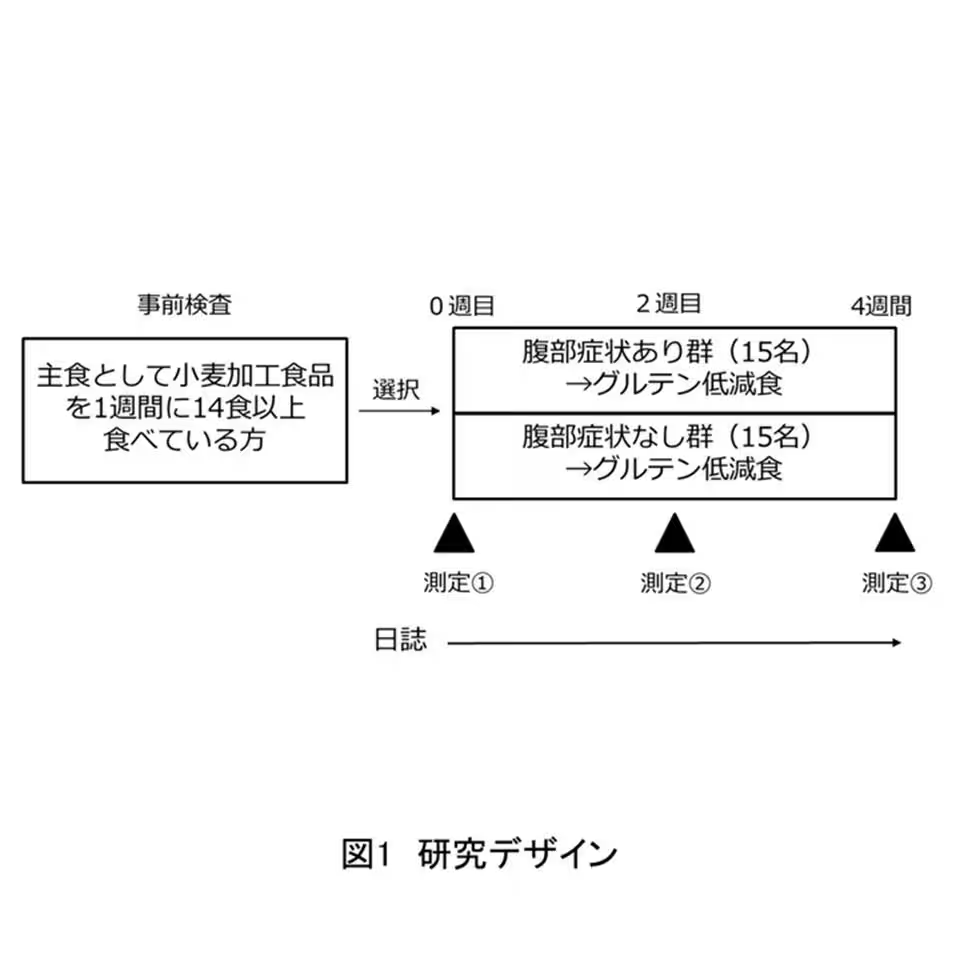
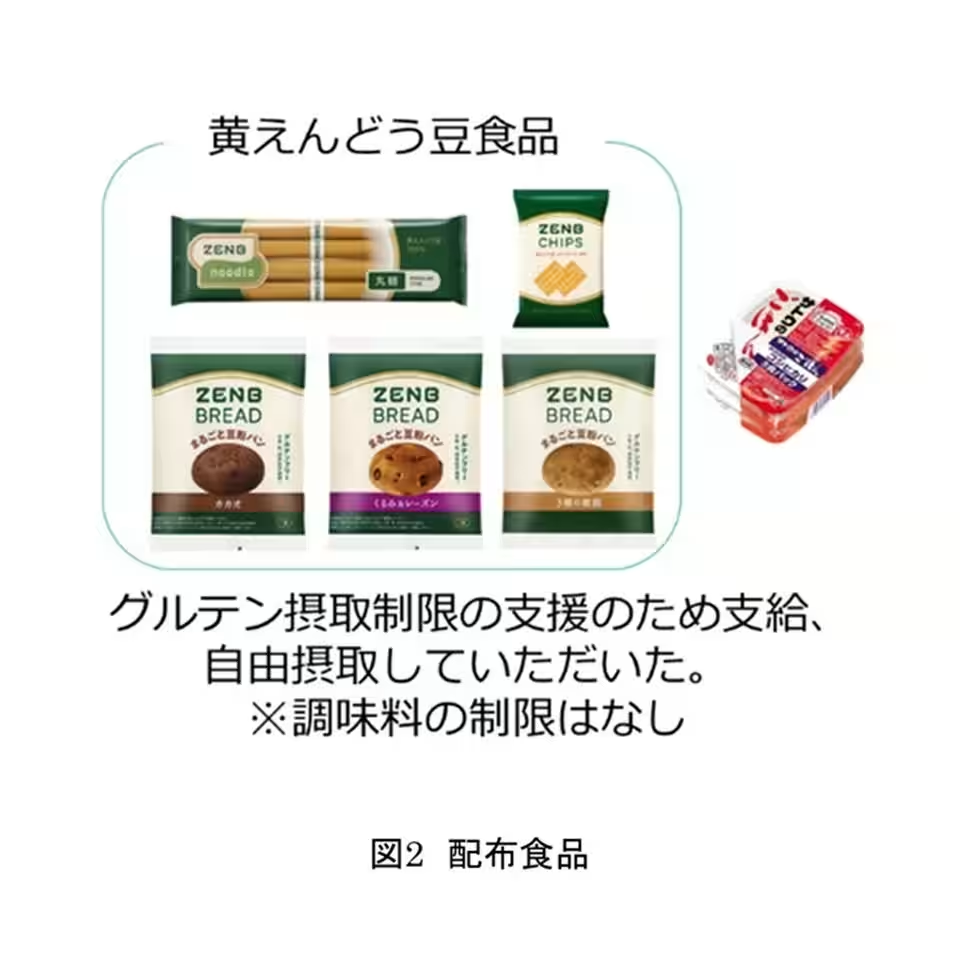
To this end, a four-week study was executed focusing on healthy adults who regularly consume wheat. Participants were split into two groups: one group without abdominal symptoms and another that reported relevant discomfort. Both groups were advised to eliminate wheat from their diets and were provided with yellow pea-based alternatives like pasta, bread, and snacks.
Study Overview
The trial enlisted 30 adult participants, aged 18 to 64, each consuming wheat-based foods more than 14 times a week. They were closely monitored for changes in abdominal symptoms, lifestyle quality (QOL), and gut microbiota throughout the study.
A qualitative evaluation was conducted using The Salerno Experts’ Criteria to gauge symptom severity, supported by the well-regarded SF-36 v2 survey to assess QOL. Additionally, physiological metrics such as serum cytokine levels, an inflammation indicator, were measured, and gut analysis was facilitated through 16S rRNA gene sequencing.
Findings
Abdominal Symptoms
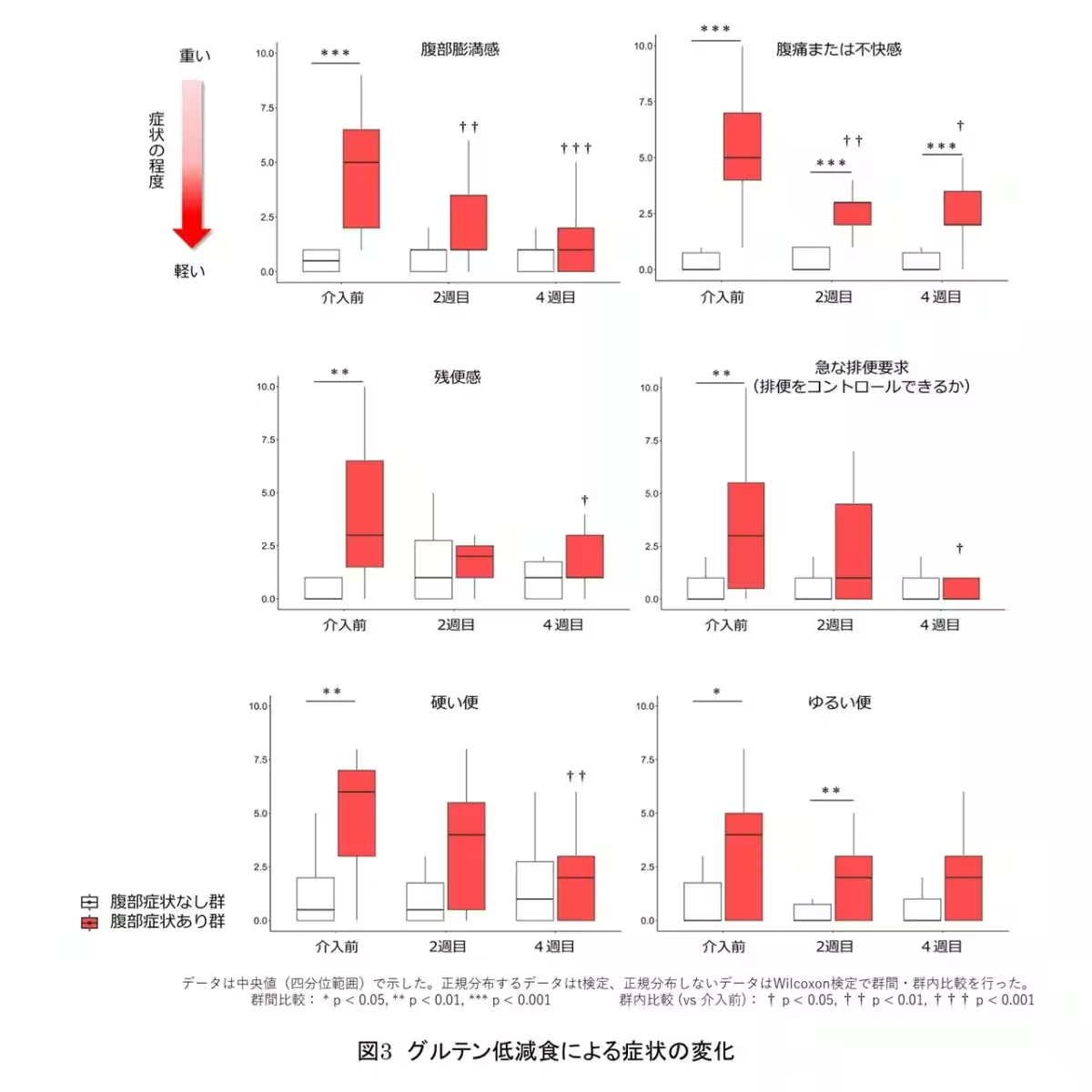
The gluten-reduction strategy revealed significant improvements in the symptom group, specifically in five areas: abdominal bloating, pain or discomfort, residual feeling after defecation, urgency, and stool hardness. Notably, there was also a trend of improvement regarding loose stools.
Quality of Life Enhancements
Before the intervention, participants with abdominal pain reported lower QOL in mental health, overall wellness, social functioning, and emotional wellbeing compared to their symptom-free counterparts. However, following the gluten-reduced diet, these disparities notably diminished.
Gut Microbiome Analysis
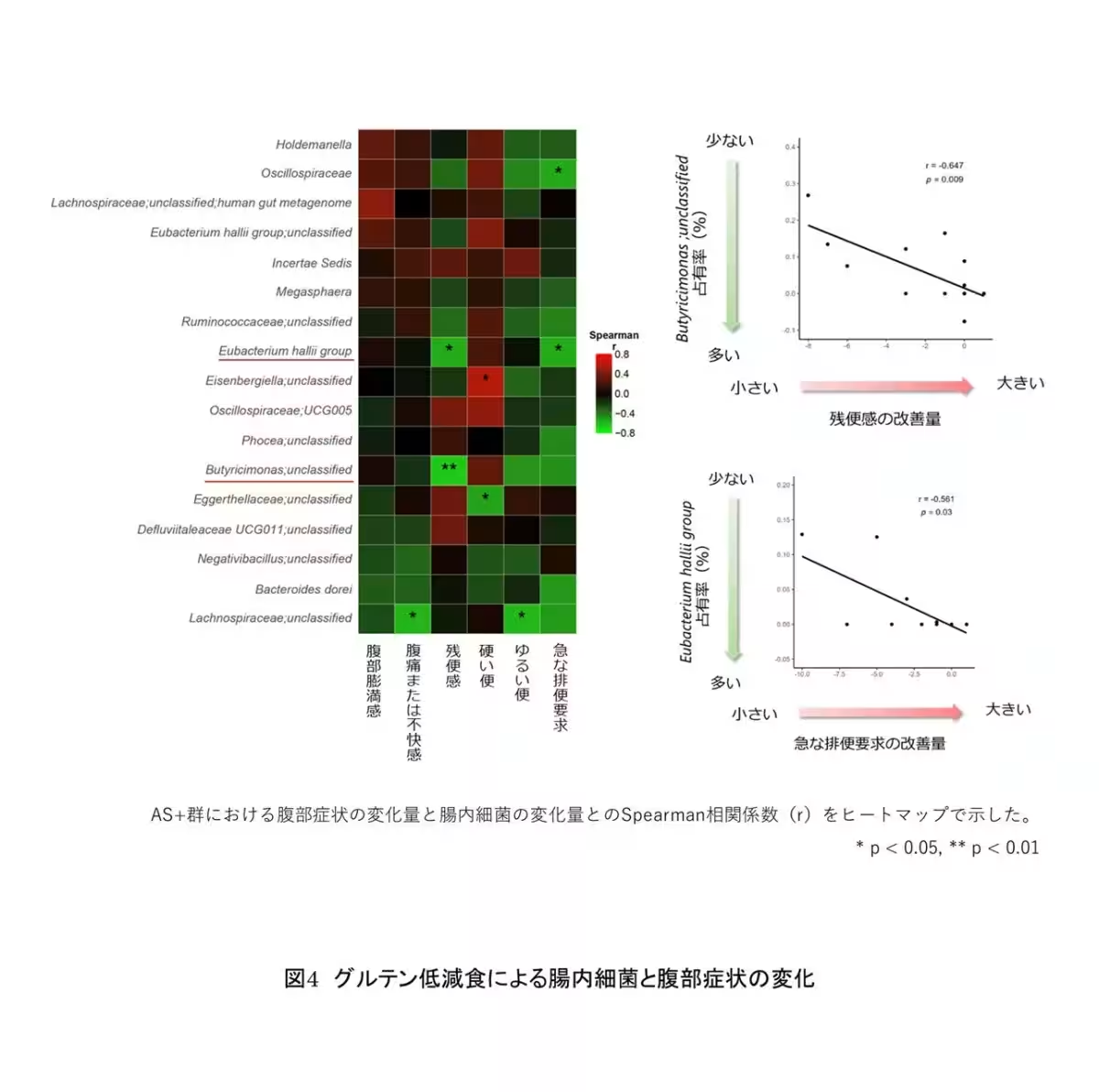
Analyses of gut bacteria in symptomatic participants indicated a correlation between symptom relief and the presence of six specific gut bacteria. Among these were beneficial strains like Butyricimonas unclassified and Eubacterium hallii group that are recognized for their roles in promoting gut health. This improvement in microbiota was likely instrumental in the observed enhancements in abdominal comfort and overall quality of life.
Expert Commentary
Professor Akiko Yagami, a leading voice in allergy research, commented on the significance of these findings. Those consuming large amounts of wheat and experiencing discomfort may find relief by substituting traditional grains with yellow pea-based products. This shift not only enhances gut health but also provides objective evidence of internal changes in inflammation and gut bacteria counts.
She emphasized how this research outlines a new approach for everyday dietary choices, proposing scientifically-backed options that support health.
About ZENB
ZENB promotes a dietary lifestyle that leverages whole plants, including vegetables and beans. Their products embody health without compromising flavor, emphasizing sustainability devoid of animal-based ingredients and minimizing additives. Ranging from ZENB Noodles and Bread to the usage of traditionally discarded parts in products like ZENB Curry and Soup, they embody a commitment to green eating.
For further information, explore their official website ZENB and their social media for updates.
Conclusion
The evidence presented not only supports the viability of yellow pea-based gluten-free products in reducing abdominal discomfort but suggests a broader shift towards healthier, sustainable eating practices. As consumers grow more conscious of food impacts on health, studies like these pave the way for informed dietary changes that benefit both individuals and the planet.


Topics Consumer Products & Retail)
【About Using Articles】
You can freely use the title and article content by linking to the page where the article is posted.
※ Images cannot be used.
【About Links】
Links are free to use.