



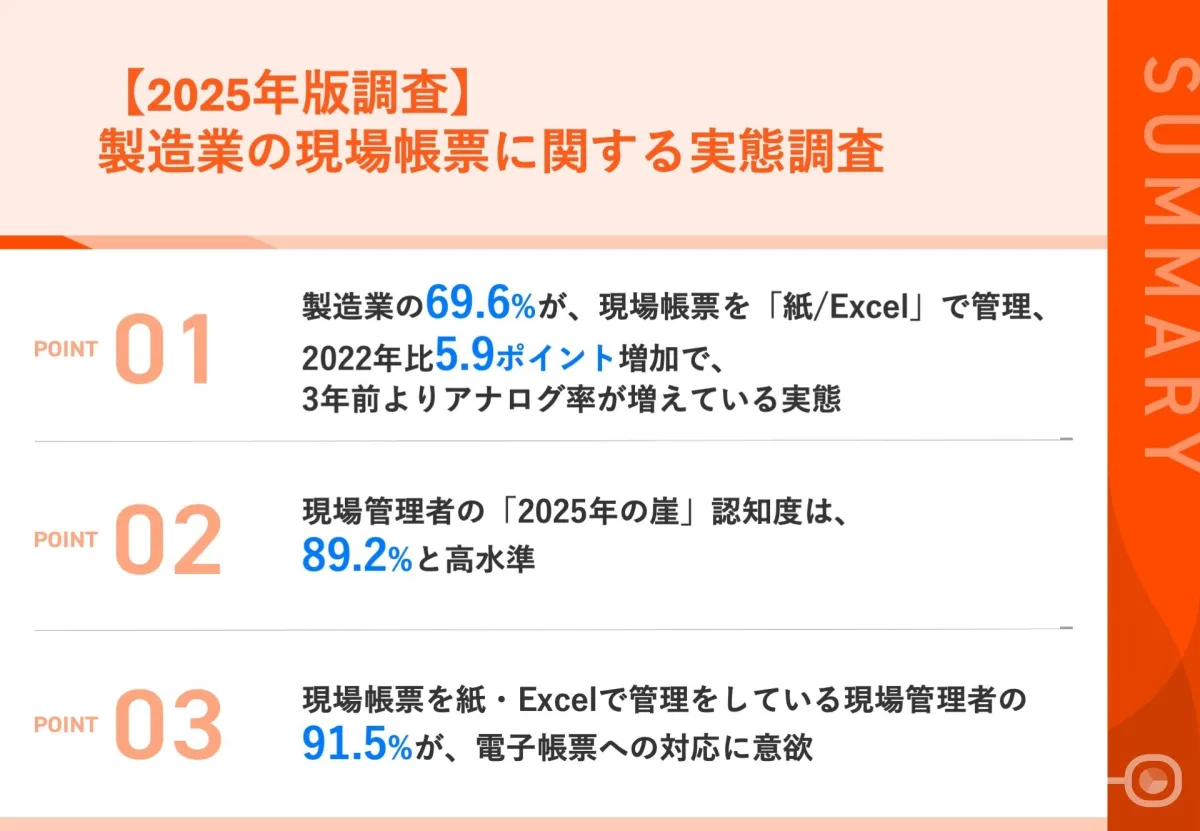
The Rise of Generative AI Adoption in Manufacturing: Insights from a 2025 Survey
The Rise of Generative AI Adoption in Manufacturing: Insights from a 2025 Survey
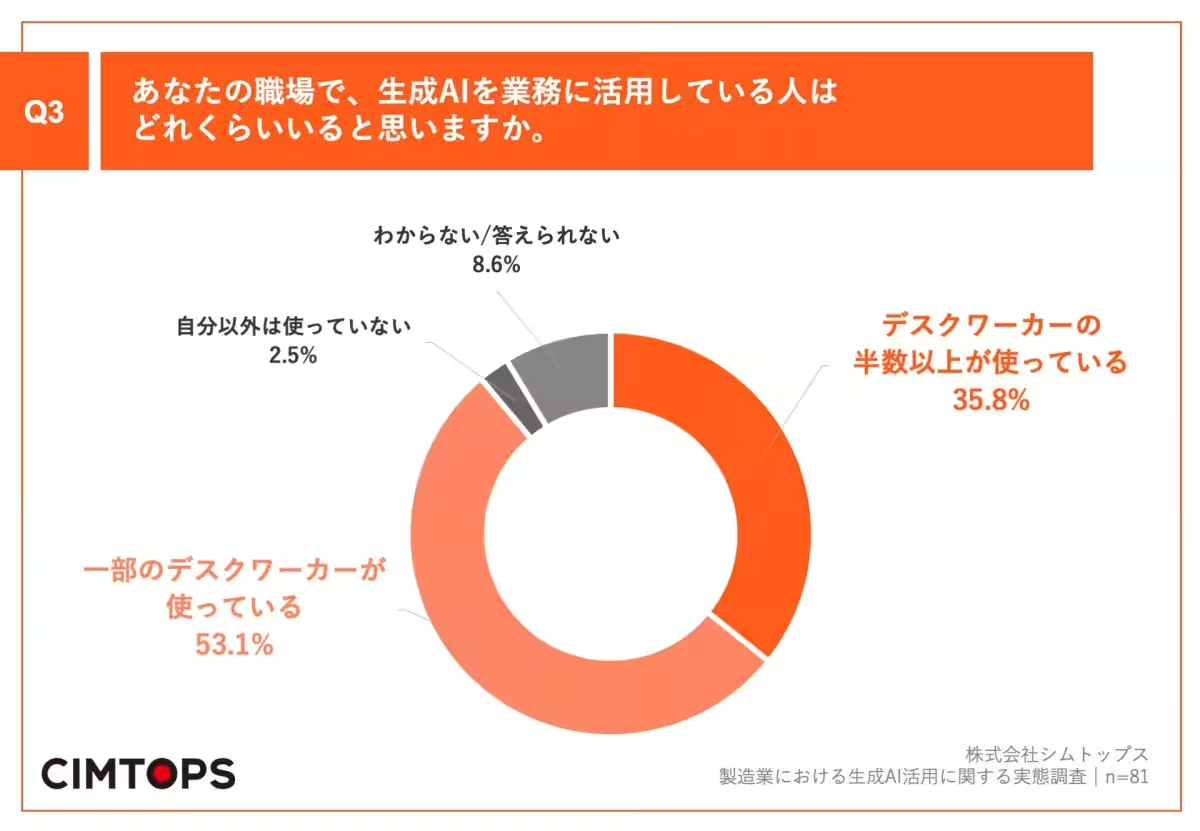
In recent years, the manufacturing sector has witnessed a significant shift towards the integration of generative AI technologies in their operations. According to a recent survey conducted by Simtops, a leading provider of workplace documentation solutions in Japan, an impressive 74.1% of manufacturing desk workers are now employing generative AI tools in their daily tasks. This article explores the findings of the survey and its implications for the future of the industry.
Key Findings
The survey targeted a sample of 109 desk workers in the manufacturing industry, focusing on their usage and perceptions regarding generative AI. Here are some of the standout findings from the research:
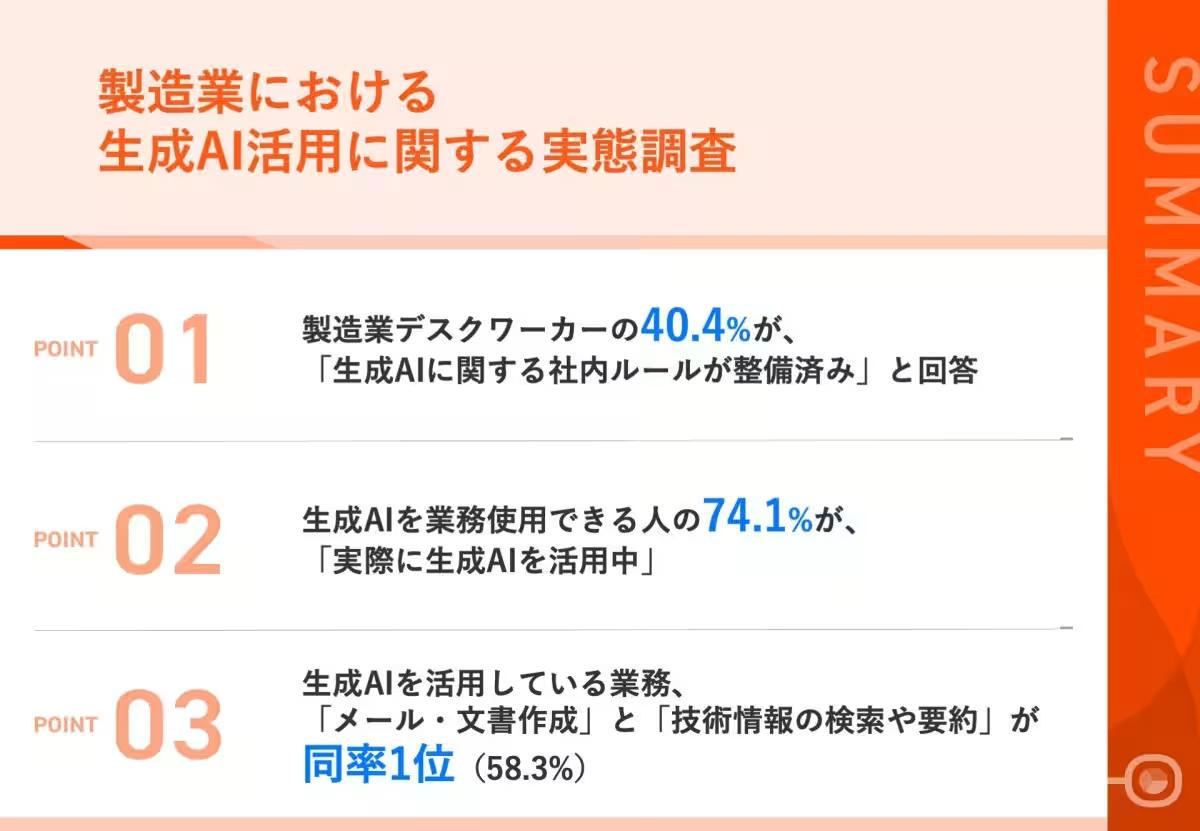
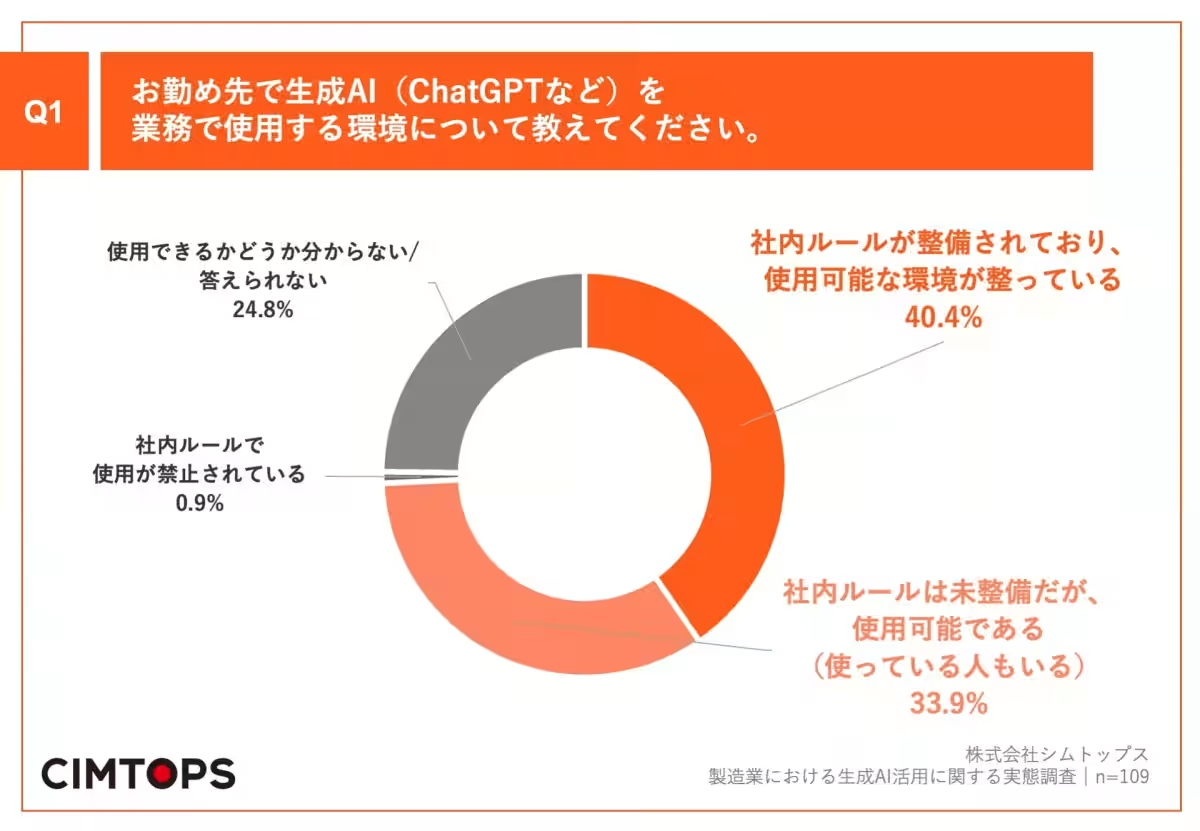
1. Internal Policies: When asked about the internal regulations surrounding the use of generative AI, 40.4% of respondents indicated that their companies have established rules allowing for its use. In contrast, 33.9% acknowledged that while such rules are not yet in place, the technology is still being utilized by some employees.
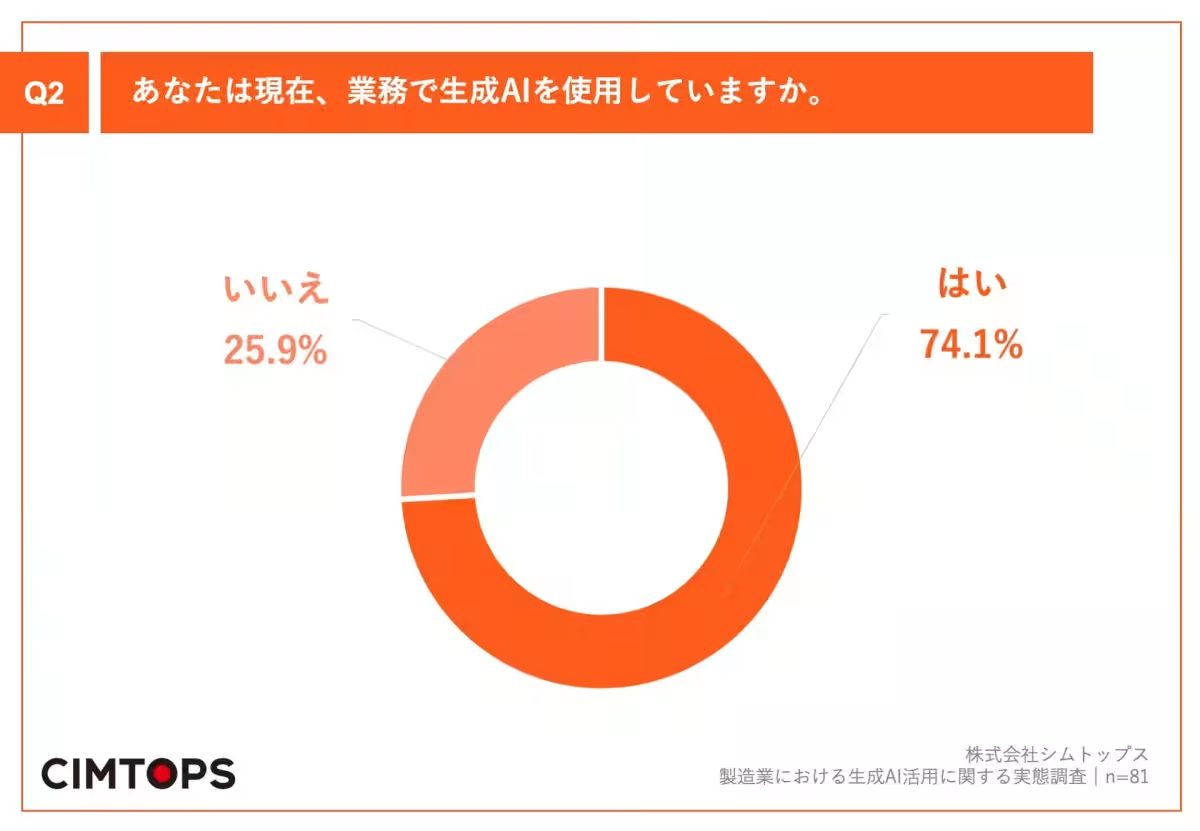
2. Active Utilization: Among those who are permitted to use generative AI, an astounding 74.1% reported actively deploying these tools in their workflows. This highlights a significant level of comfort and trust in the technology across the sector.
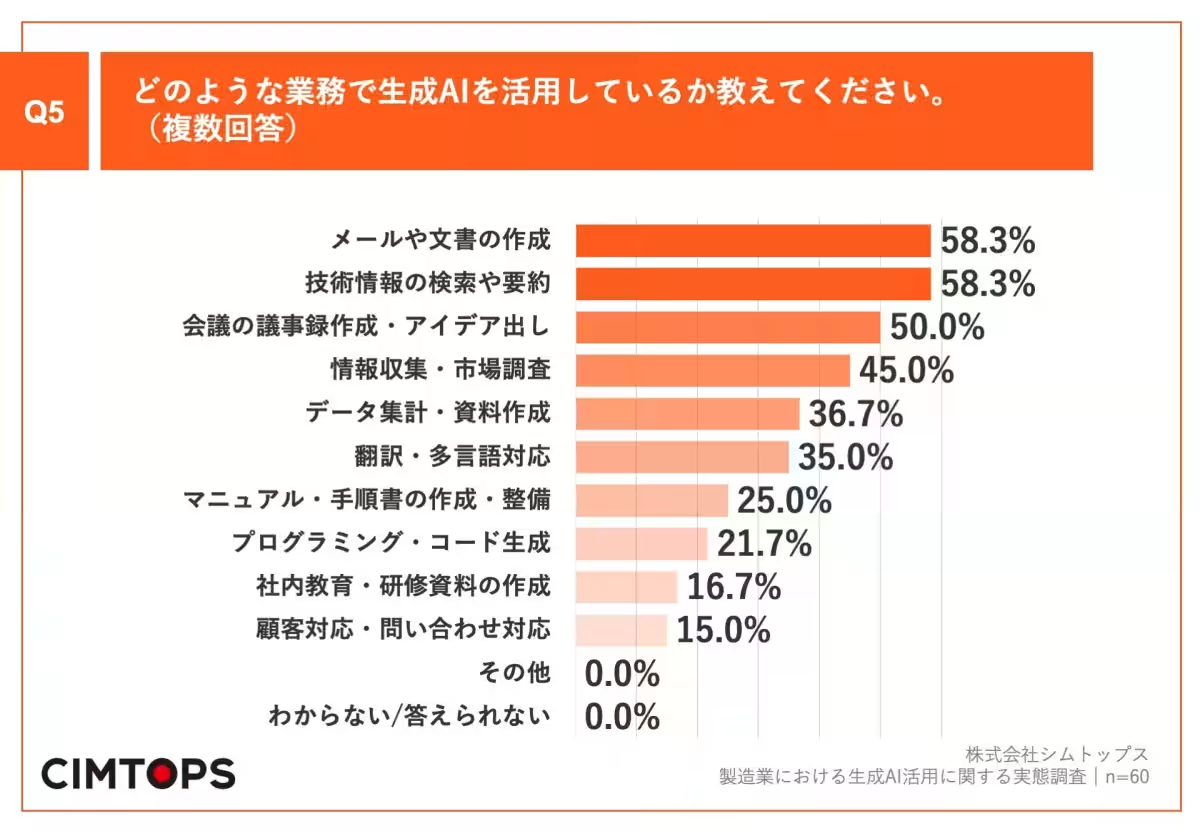
3. Primary Applications: Respondents identified the most common applications of generative AI in their work. Email and document creation, along with searching for and summarizing technical information, tied for the top positions, each utilized by 58.3% of the respondents. Other applications included meeting minutes creation and idea generation.
Survey Methodology
The survey, titled 'Actual Survey on the Utilization of Generative AI in Manufacturing,' was conducted from July 1 to 2, 2025, using the IDEATECH researching tool 'Resapee.' Valid responses came from 109 desk workers primarily engaged in computer-centered tasks within the manufacturing sector. The results are indicative of a growing trend towards AI integration in traditional industries.
Challenges and Concerns
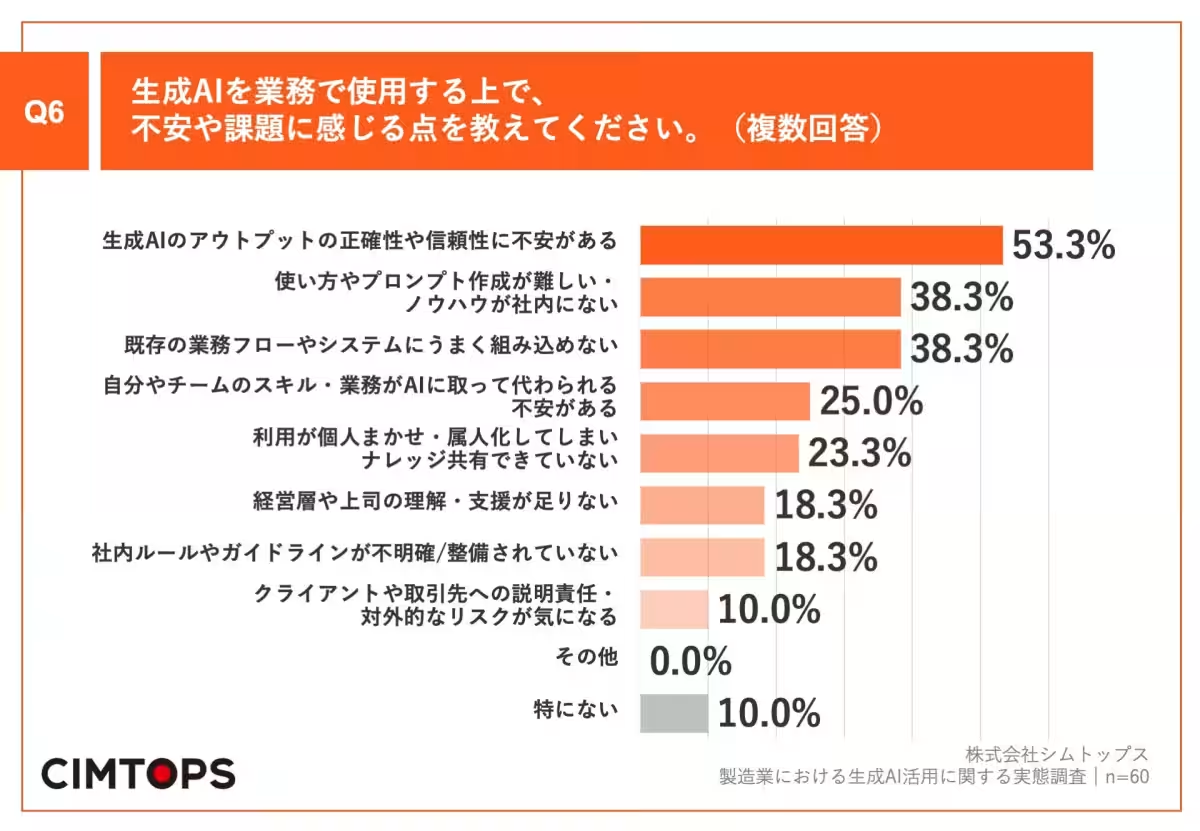
Despite the enthusiastic adoption, challenges remain. A significant 53.3% of respondents expressed concerns about the accuracy and reliability of AI-generated outputs. Furthermore, issues relating to the complexity of using generative AI and the absence of comprehensive guidelines were highlighted by 38.3% of participants. These challenges suggest that while the integration of AI is advancing, organizations must address these concerns to fully leverage the technology's potential.
Future Outlook
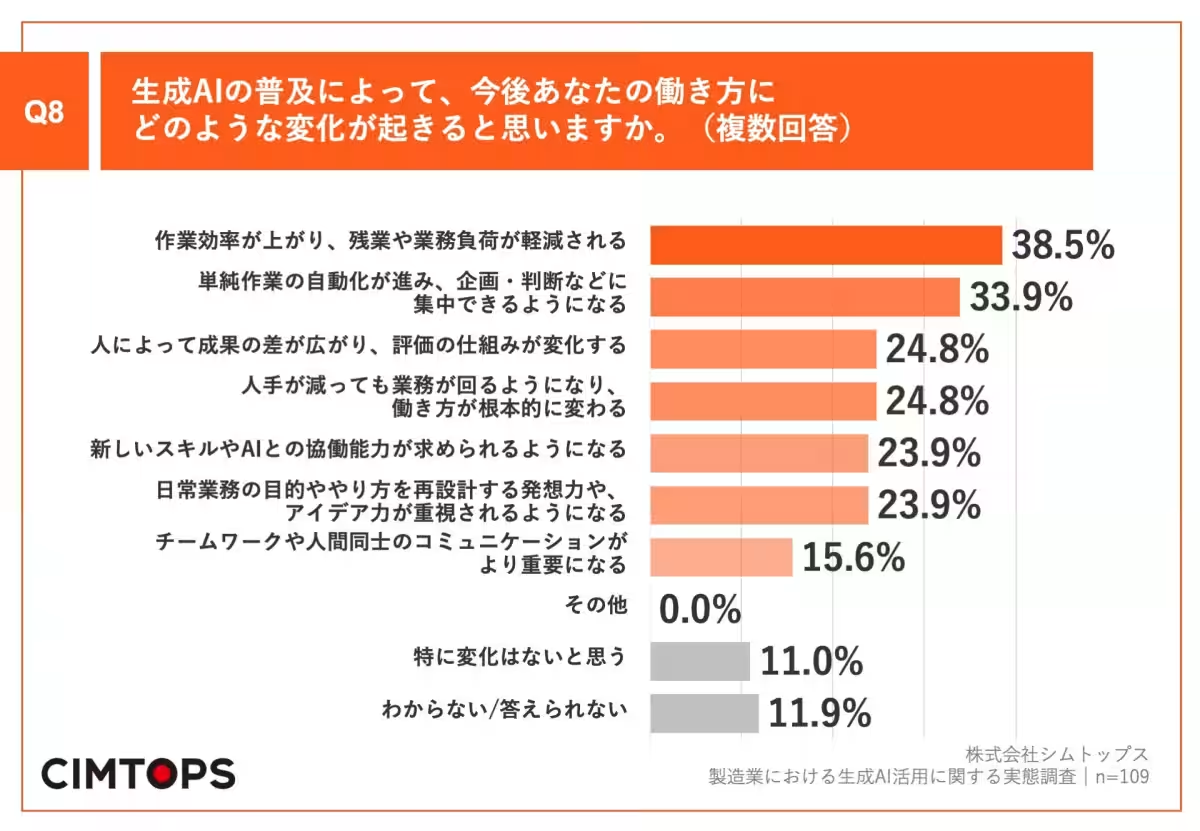
Looking ahead, the survey indicates a strong anticipation for generative AI to drive changes in work practices. About 38.5% of respondents expect improvements in work efficiency and a reduction in workload, including overtime. Additionally, many believe that the automation of simple tasks will allow them to focus more on strategic decision-making and creativity.
The implications for the manufacturing sector are profound. With a persistent labor shortage exacerbating existing challenges, generative AI may serve as a critical tool in alleviating some of these pressures, particularly in knowledge-intensive tasks like report writing and data analysis.
Conclusion
In conclusion, the findings from Simtops' survey reveal an exciting transformation within the manufacturing industry as generative AI becomes increasingly integrated into daily operations. As the industry moves toward digital transformation, it will be crucial for organizations to develop guidelines, address usability concerns, and foster an environment conducive to AI adoption.
For more details and to download the complete survey results, visit i-Reporter.
About i-Reporter
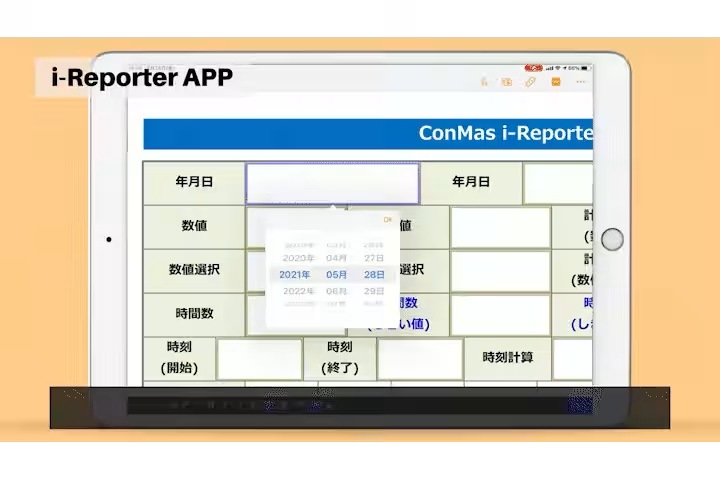
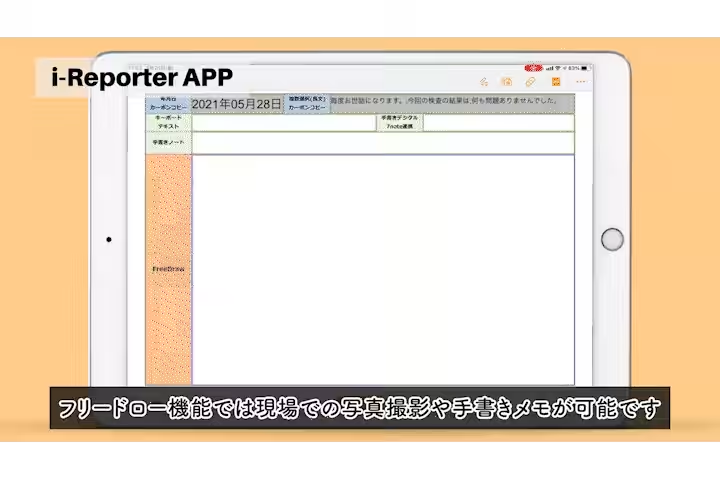
i-Reporter is Japan's leading workplace documentation system, utilized by over 4000 companies with more than 210,000 users. Their platform supports the digital transformation efforts of the manufacturing industry while providing essential data collection and analysis capabilities needed for successful generative AI integration.
Visit i-Reporter for further information.


Topics Consumer Products & Retail)
【About Using Articles】
You can freely use the title and article content by linking to the page where the article is posted.
※ Images cannot be used.
【About Links】
Links are free to use.