



Understanding the COVID-19 Situation and Healthcare Framework in Okayama Prefecture as of February 2026
Analyzing the COVID-19 Situation in Okayama Prefecture
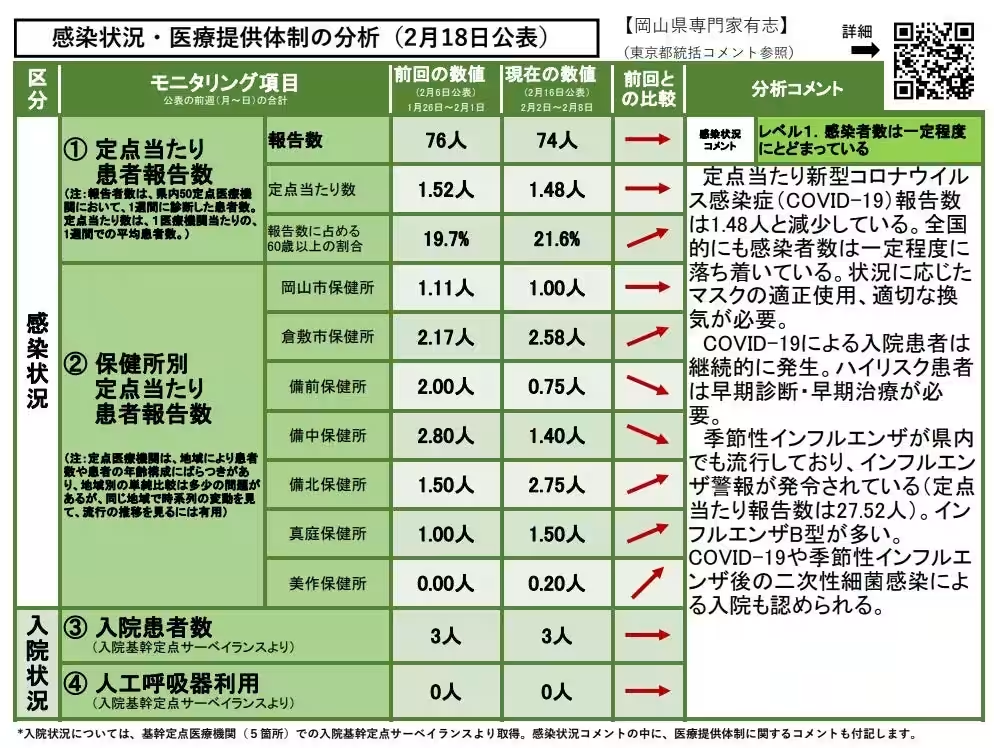
In light of the recent updates regarding the COVID-19 infection rates and healthcare systems in Okayama Prefecture, we delve into the data collected by Okayama University and local health authorities. As of February 20, 2026, the situation indicates a stable infection rate, with a significant drop in cases to 1.48 per monitored site, demonstrating a general trend of decreased COVID-19 cases across the nation.
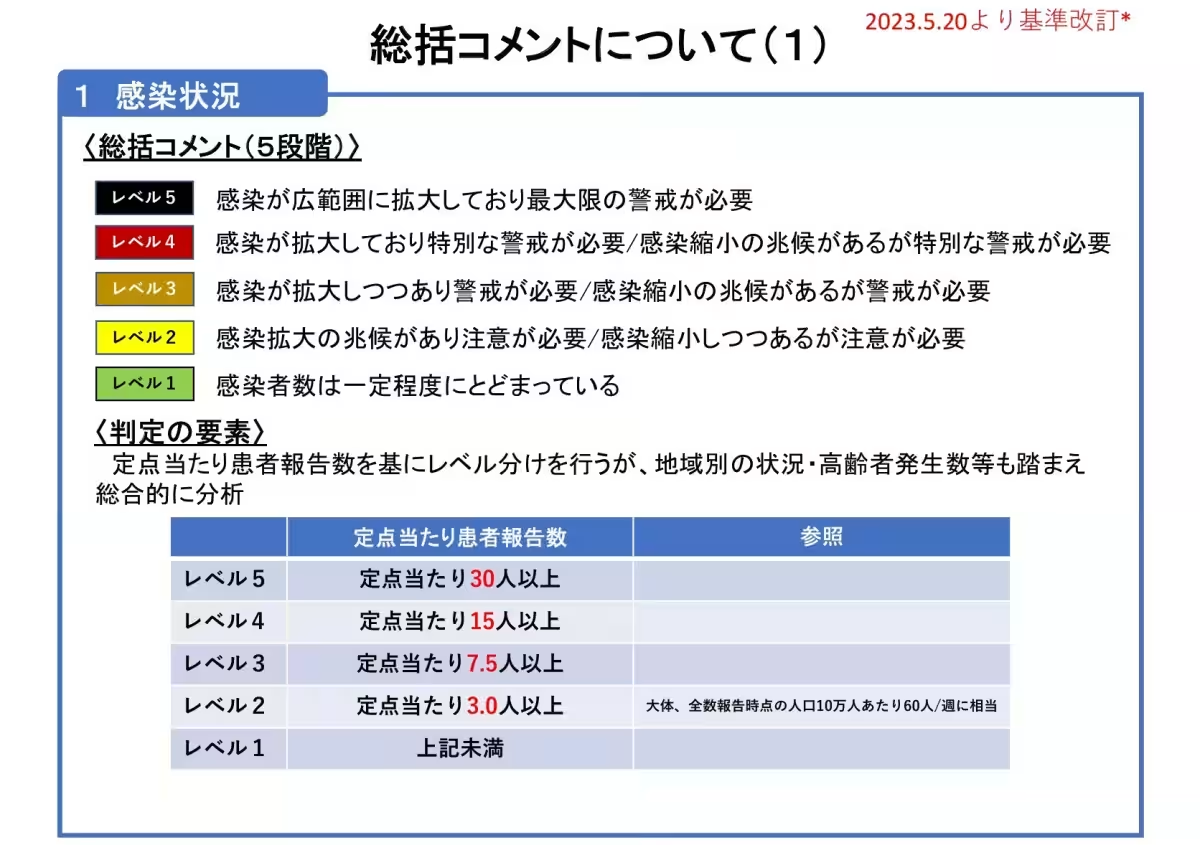
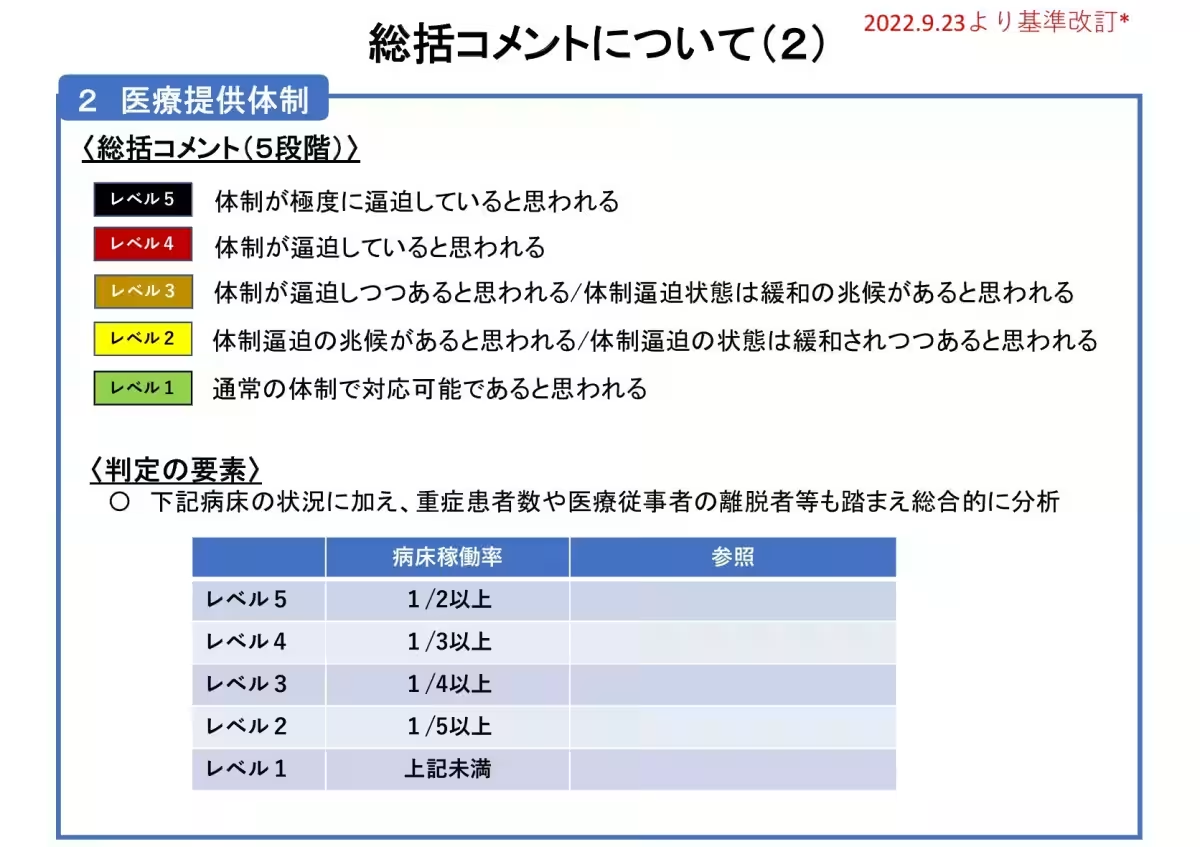
The analysis, prepared by experts from Okayama University, suggests that the region is currently at level 1, indicating a continued control over new infections. This level also necessitates the ongoing appropriate use of masks and adequate ventilation in public spaces to further mitigate risks.
Despite the decline in COVID-19 cases, the report highlights that there are still hospitalizations attributed to the virus, especially among high-risk groups, thus emphasizing the need for early diagnosis and treatment for these populations. Additionally, the flu season is currently impacting Okayama, with an influenza B outbreak prompting healthcare officials to issue a warning, as the reported rate stands at 27.52 per monitored site.
Background and Ongoing Efforts
As the COVID-19 pandemic was declared over by the World Health Organization, Japan is experiencing a return to pre-pandemic life. However, the analysis acts as a crucial resource, helping the public understand both current healthcare frameworks and preventative measures in daily life.
Healthcare professionals, including epidemiologists and infectious disease specialists from Okayama University and associated hospitals, will continue to provide updates on these statistics weekly. Their insights not only inform the community about infection trends but also provide guidelines designed to protect public health in an evolving landscape.
Ongoing Monitoring and Expert Recommendations
The situation remains dynamic, requiring constant evaluation and adjustive strategies. Experts urge residents to maintain vigilance through mask-wearing in crowded environments, maintaining hygiene protocols, and being aware of the symptoms related to COVID-19 and seasonal flu.
Collaborative efforts between local health authorities and educational institutions like Okayama University have proven essential in monitoring and disseminating information that aids in the management of health crises. This proactive approach is instrumental in ensuring that healthcare resources are allocated efficiently and that the community is well-informed of any changes in guidelines or health advisories.
Conclusion
The collaborative work led by Okayama University specialists and local health professionals emphasizes the shared responsibility in managing public health, particularly in the face of an ever-evolving pandemic landscape. Their efforts not only provide a sense of security to Okayama residents but also represent a significant step towards recovery post-COVID-19. Continuous updates and analyses like these will be critical in guiding communities through this transitional phase towards normalcy while safeguarding health and wellbeing. As the situation progresses, the community is invited to remain engaged and informed through regular updates from local health officials and academic institutions.
Stay tuned for upcoming weekly reports as we continue to monitor and respond to the COVID-19 situation in Okayama Prefecture.

Topics Health)
【About Using Articles】
You can freely use the title and article content by linking to the page where the article is posted.
※ Images cannot be used.
【About Links】
Links are free to use.