


Discover Your Inner Builder: A Guide to the Mecha Jellyfish from BLDB
Unveiling the Mecha Jellyfish: Your Essential Buying Guide
In the realm of mechanical models and intricate designs, BLDB (Building Block) brings forth an exciting project through the platform Makuake, featuring the stunning Mecha Jellyfish. This model is not merely a product to display, but a journey of assembly that allows enthusiasts to create their own art piece. Here’s what you need to know before diving into this compelling offering.
Understanding the Mecha Jellyfish
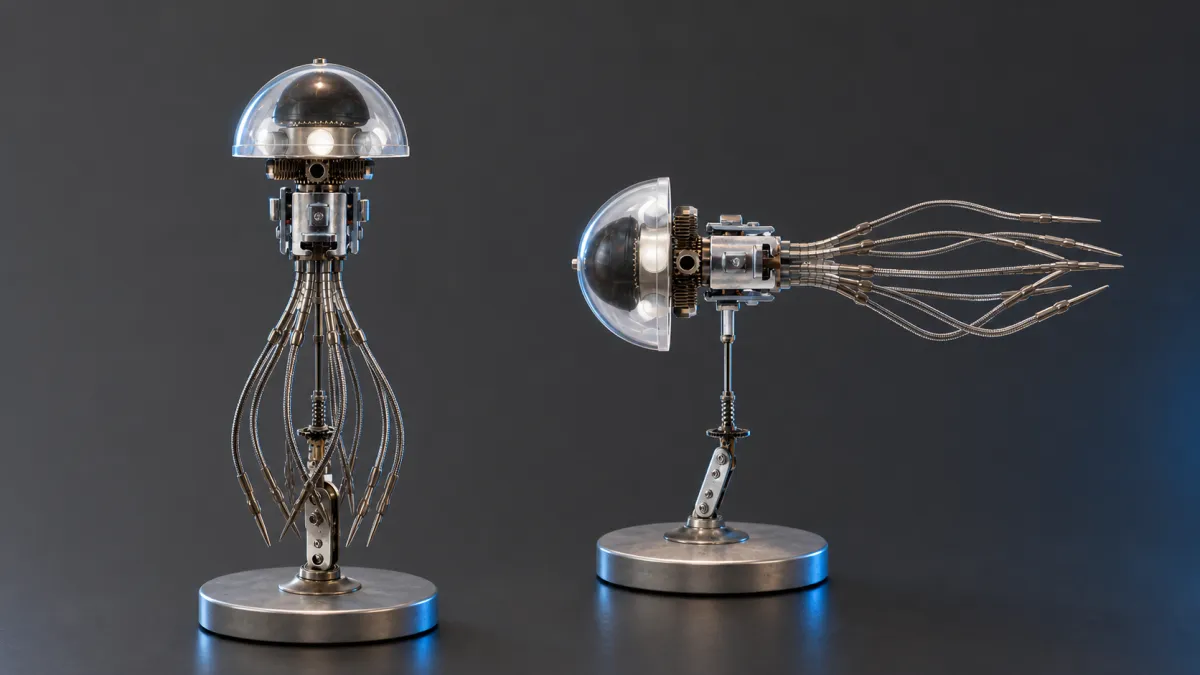
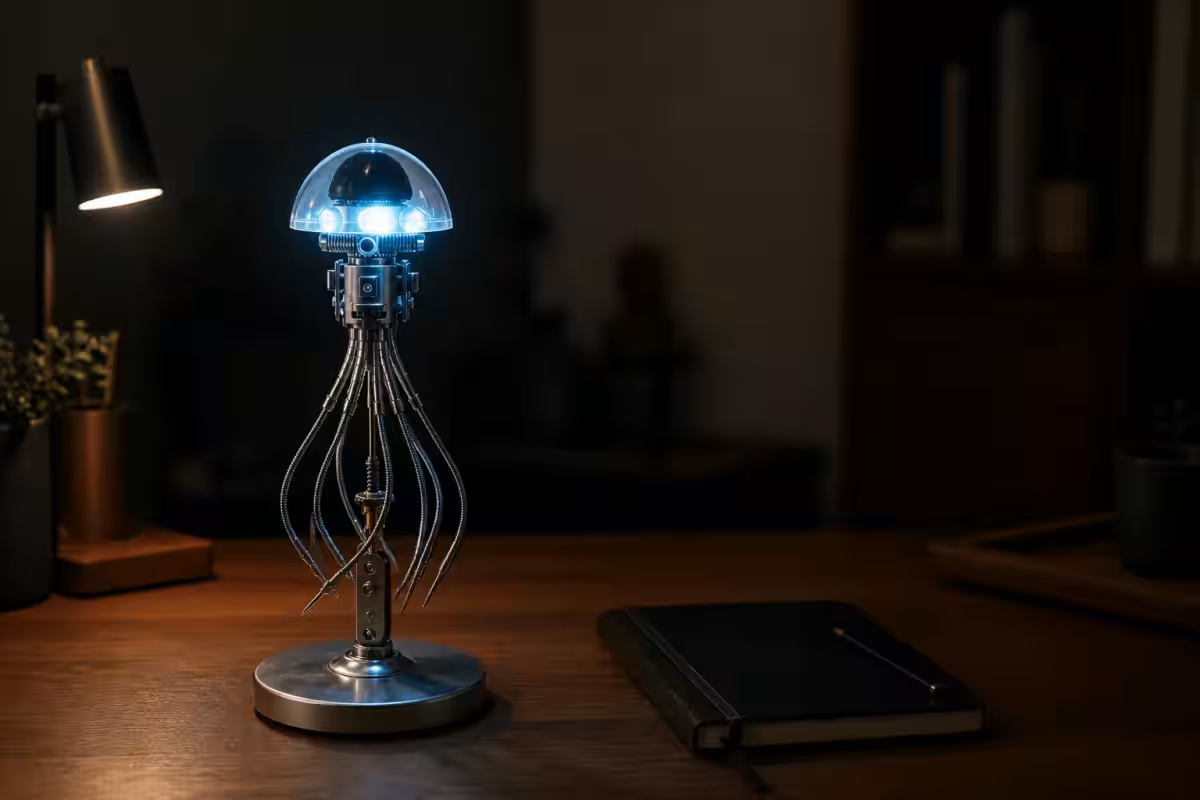
The Mecha Jellyfish is an engaging, hands-on product inspired by the ethereal jellyfish, complete with eight elegant tentacles, a metallic body, a transparent dome, six illuminating units, and a custom stand. Unlike a pre-assembled item, this model arrives in components, ensuring that buyers engage with each aspect of the build.
Key Features:
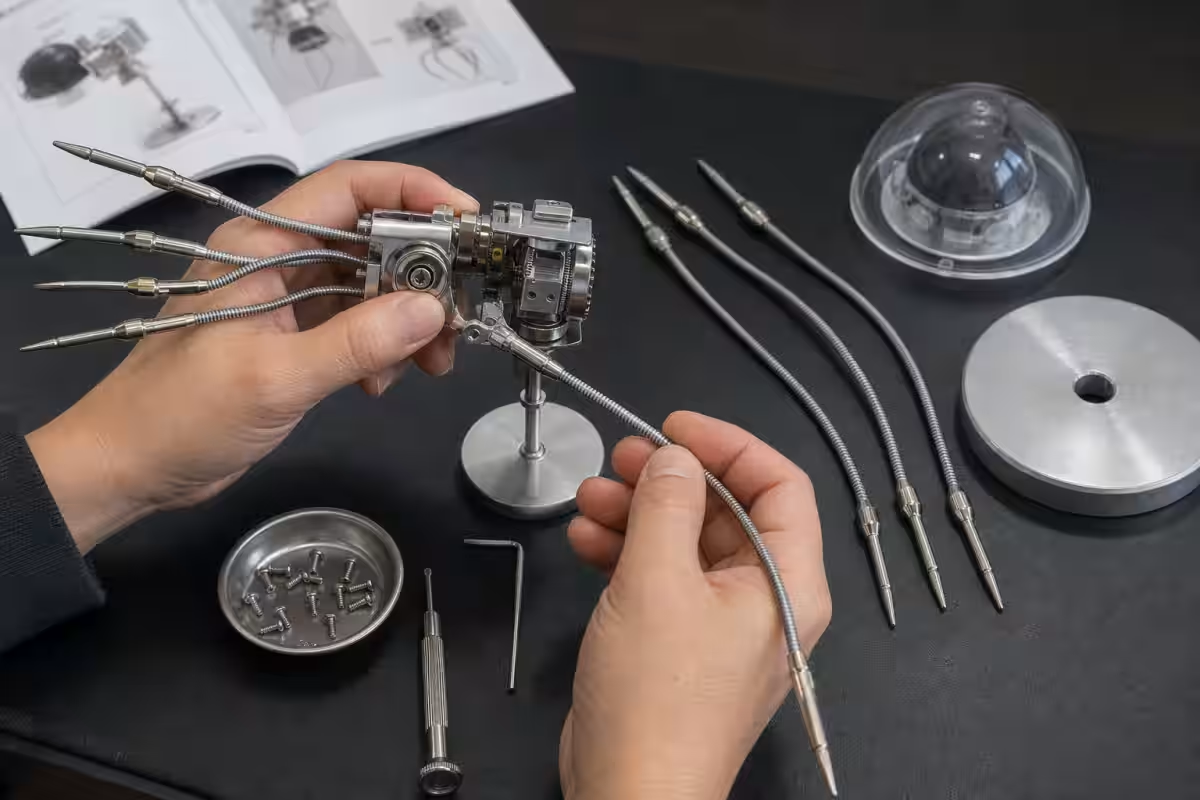
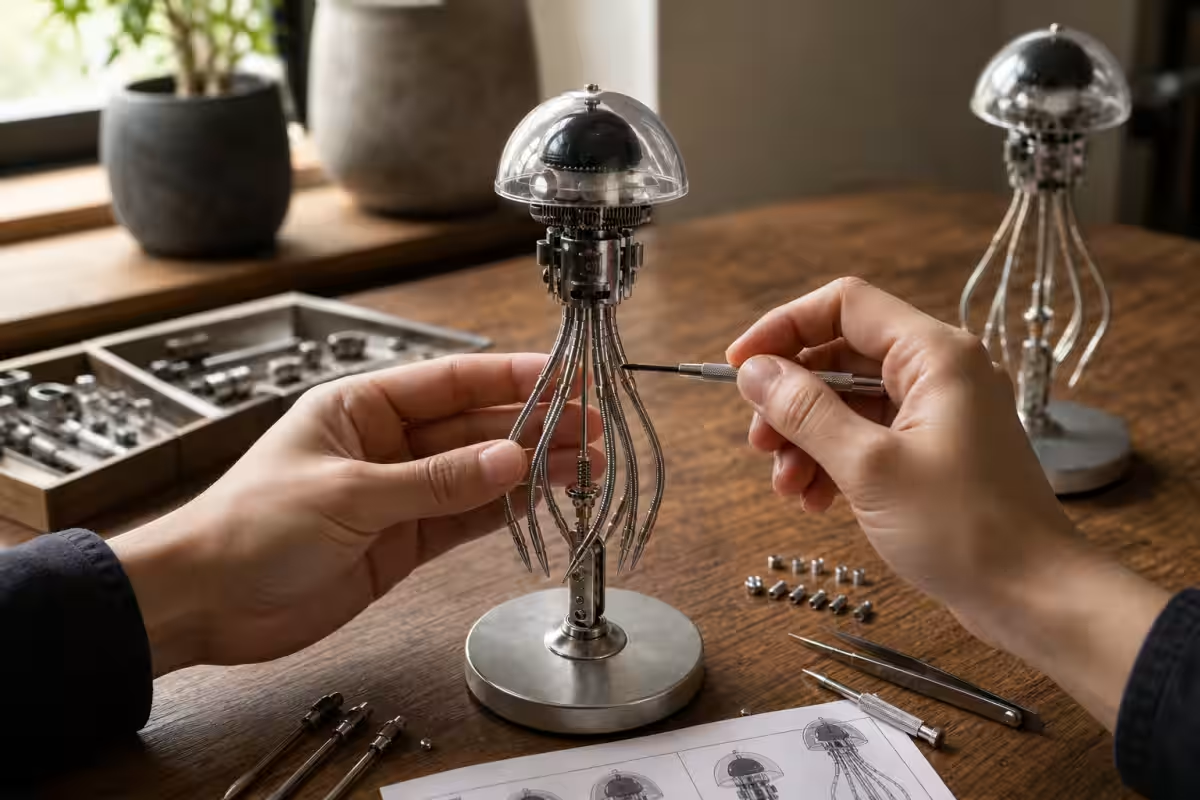
1. Not a Ready-to-Display Product: Upon delivery, buyers will find their model in multiple parts, including the body, tentacles, illumination units, and the dome. Assembly involves reading instructions, using tools to connect pieces, and crafting the final jellyfish design. This process is integral to the product, designed for those who relish hands-on creativity rather than those seeking immediate gratification.
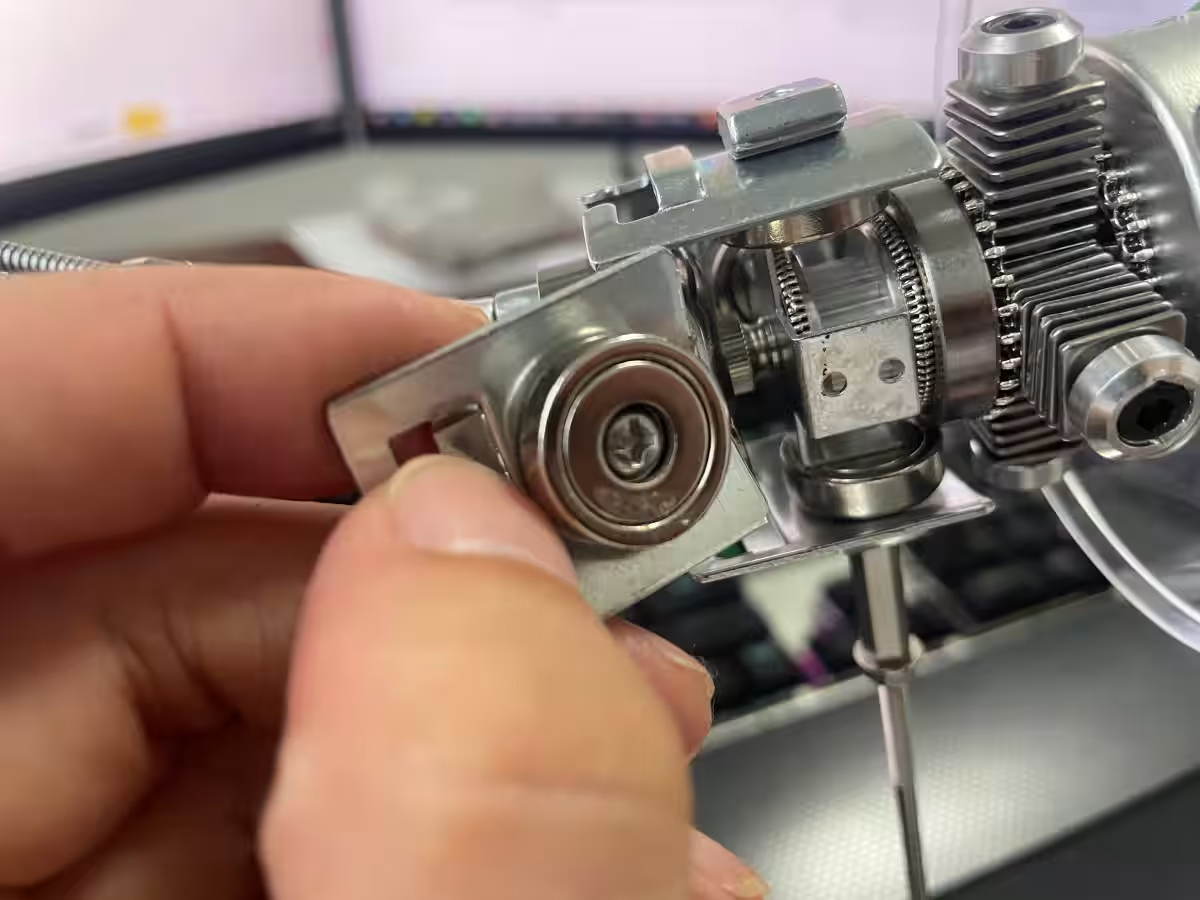
2. Precision and Patience Required: The assembly requires handling tiny screws, nuts, and other minute parts. Each of the eight tentacles is not a single cast but rather involves connecting several parts to create a flexible structure. Due to the task's intricate nature, the model is suitable for ages 14 and up, and it should be used in a safe environment away from young children or pets.
3. Organized Work Environment Necessary: To facilitate assembly, a spacious and well-lit area is essential. Buyers are advised to organize parts with trays or mats to minimize the risk of losing small components. It’s also prudent to open one bag of parts at a time, following the instructions to prevent confusion among similar-looking items.
4. Comprehensive Assembly Manual: A detailed 54-page assembly guide in Japanese accompanies the kit. It provides step-by-step instructions, illustrating parts, their positioning, and assembly tips through visuals. However, it is crucial to note that the presence of a manual does not equate to a quick assembly process.
5. Illumination for Aesthetics, Not Functionality: The model features illumination units designed for enhancing its display, not for general lighting purposes. This function allows users to appreciate the model’s metallic textures and structures’ interplay under different light settings, aimed at a more aesthetic experience rather than utility.
6. Static Model: While the design is inspired by swimming jellyfish, the Mecha Jellyfish does not possess automated swimming features or moving tentacles. It is a tabletop assembly model meant to provide visual stimulation rather than motion, emphasizing the creation of a stunning centerpiece.
7. Display Versatility: After assembly, the model can be positioned vertically or horizontally via an adjustable stand, allowing it to adapt to various spaces, whether it be on a desk, shelf, or within a display case, with specific dimensions to consider.
Who Is This Model For?
The Mecha Jellyfish appeals to:
- - Creators who enjoy the process of building.
- - Fans of intricate mechanical constructions.
- - Hobbyists with interests in metal models and mechanical designs.
Conversely, individuals seeking a pre-fabricated decorative item or those wishing to evade complex assembly work may find this model unsuitable.
Conclusion
With its unique blend of creativity, assembly, and detailed craftsmanship, the Mecha Jellyfish from BLDB promises a fulfilling experience for the right audience. The launch on Makuake is set between August 5, 2026, to September 29, 2026, with a special price starting from 16,580 yen (tax included). The figure’s dimensions and weight make it a suitable addition to any enthusiast's collection, but remember, this is a project to build, not just a product to own.
For further information and to explore this enthralling project, check the Makuake project page.

Topics Consumer Products & Retail)


【About Using Articles】
You can freely use the title and article content by linking to the page where the article is posted.
※ Images cannot be used.
【About Links】
Links are free to use.