



The India Smart Kitchen Appliances Market: A Surge Towards USD 2.99 Billion by 2032
Overview of India's Smart Kitchen Appliances Market
The India Smart Kitchen Appliances Market is on a trajectory of remarkable growth, with projections indicating an increase to USD 2.99 billion by 2032. A recent report from MarkNtel Advisors highlights significant trends contributing to this expansion, forecasted to grow at approximately 25% CAGR from 2026 to 2032. This growth is largely fueled by the rising adoption of smart home technologies and consumer preferences leaning towards convenience and efficiency in kitchen management.
Driving Factors Behind Market Growth
Increasing Adoption of Smart Home Ecosystems
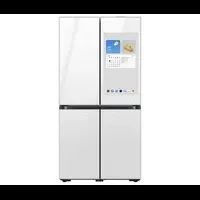
The burgeoning popularity of smart home ecosystems serves as a primary catalyst for the demand for connected kitchen appliances. As households move towards integrated systems for centralized control through smartphones and voice assistants, smart appliances such as refrigerators, ovens, and dishwashers are becoming essential for modern kitchens. These innovations are ensuring enhanced convenience, improved efficiency, and a seamless user experience.
Rising Demand for Convenience
With lifestyles becoming busier and a growing number of households with dual incomes, convenience-driven appliances are becoming more desirable. Consumers are now prioritizing kitchen appliances that simplify meal preparation and kitchen management. Smart devices equipped with features like pre-programmed cooking modes or remote monitoring have garnered increasing attention, particularly among urban dwellers seeking efficiency and user-friendly solutions.
E-commerce Growth
The rapid rise of e-commerce platforms significantly enhances the accessibility and availability of smart kitchen appliances. With detailed product comparisons and customer reviews available at their fingertips, consumers can make more informed decisions. This digital retail landscape encourages manufacturers to improve their online presence, further aiding market penetration and direct consumer engagement.
The Impact of Technological Advancements
Technological innovation is central to the evolution of the smart kitchen appliance market. Manufacturers are keen on integrating features such as IoT, artificial intelligence, and voice control within their products, which significantly enhances functionality and creates a competitive landscape. For instance, real-time cooking assistance and energy consumption tracking are becoming standard in modern appliances, aligning with consumer demands for smart home compatibility.
Market Analysis by Product and Connectivity
In 2026, cooking appliances accounted for nearly 48% of the overall market share, driven by the increasing consumer interest in smart ovens, induction cooktops, and air fryers known for their efficiency. Additionally, wireless internet connectivity captured around 60% of market share in 2026, reflecting a preference for Wi-Fi-enabled appliances that allow for remote operation and monitoring.
Challenges Facing the Smart Kitchen Market
Despite the optimistic outlook, barriers such as the high initial cost of smart appliances may hinder broader adoption, especially in semi-urban and rural sectors where price sensitivity is pronounced. Though advancements in technology are expected to make these appliances more affordable in the future, pricing remains a key restriction on market growth.
Conclusion: The Future of Smart Kitchens in India
The India Smart Kitchen Appliances Market is poised for a significant transformation driven by accelerating advancements in technology and an evolving consumer mindset focused on convenience and connectivity. Key players in the market, including LG Electronics, Samsung, and Whirlpool, are continuously innovating to meet these demands, and their efforts signal a bright future for smart kitchens in India. As the market matures, the integration of advanced technologies with practical usability will be crucial in driving wider consumer acceptance and ensuring the industry's sustained growth over the coming years.
Topics Consumer Products & Retail)


【About Using Articles】
You can freely use the title and article content by linking to the page where the article is posted.
※ Images cannot be used.
【About Links】
Links are free to use.