



Exploring the Essence of Minerals Through Culinary Innovation at 'Eatable Mineral Research Institute'
Discovering Minerals Through Culinary Experience
In a groundbreaking endeavor, the company KURUMU is set to launch the 'Eatable Mineral Research Institute' on September 1, 2025, in Yamagata Prefecture. With its roots in the principles of sustainability and health, this institute aims to delve into the world of minerals, particularly those derived from montmorillonite clay, and explore their potential from a culinary perspective.
A Dream to Bring Minerals to the Table
KURUMU, based in Edogawa, Tokyo, is a trailblazer in the skincare industry, focusing on products made from montmorillonite. Aligning with the spirit of 'April Dream', a project that encourages companies to share their aspirations on April 1st, KURUMU envisions a world where minerals significantly contribute to our wellness. This dream encompasses not only skincare but extends to a holistic culinary experience centered around the benefits of minerals, which have been underestimated on modern dining tables.
Why Focus on Eating Minerals?
Historically, minerals have been integral to life, originating from the earth’s crust and the oceans. Essential minerals such as calcium, magnesium, and zinc play crucial roles in bodily functions. However, contemporary diets often lack sufficient mineral intake due to degraded soil and farming practices. Animals instinctively consume clay to obtain these vital minerals, as seen in species like elephants and wild boars.
Recognizing this lost connection between minerals and dietary practices, KURUMU's research facility will serve as a collaborative space to create, query, and reinvent how we perceive and consume minerals through food.
The Concept of the Eatable Mineral Research Institute
The institute, true to its name, will be both a dining venue and a collaborative research space. Chefs, agricultural experts, and nutritionists will partner to explore the intersection of clay and food from three aspects: culinary material, source of minerals, and terrestrial foundation.
Course Meal Featuring Vegetables Grown in Clay
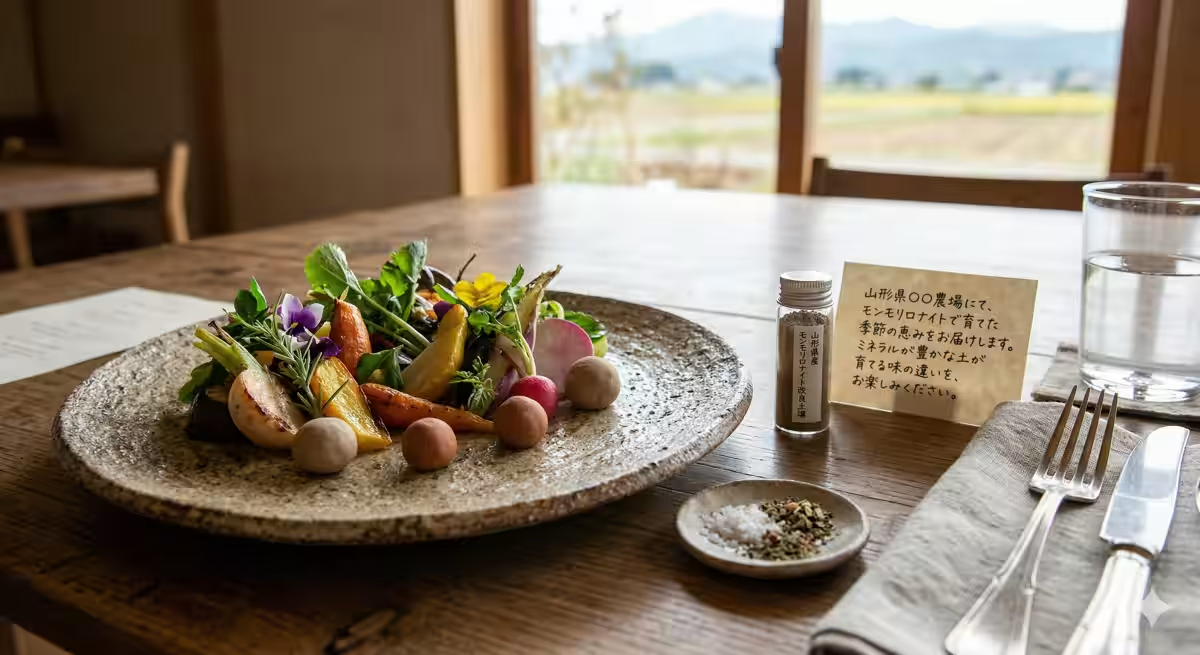
One of the institute's highlights will be seasonal course meals made with vegetables cultivated in soil enriched with montmorillonite. This partnership with local Yamagata farmers aims to showcase how rich minerals enhance the flavors and nutritional value of produce.
'Tasting Clay' Experience Menu
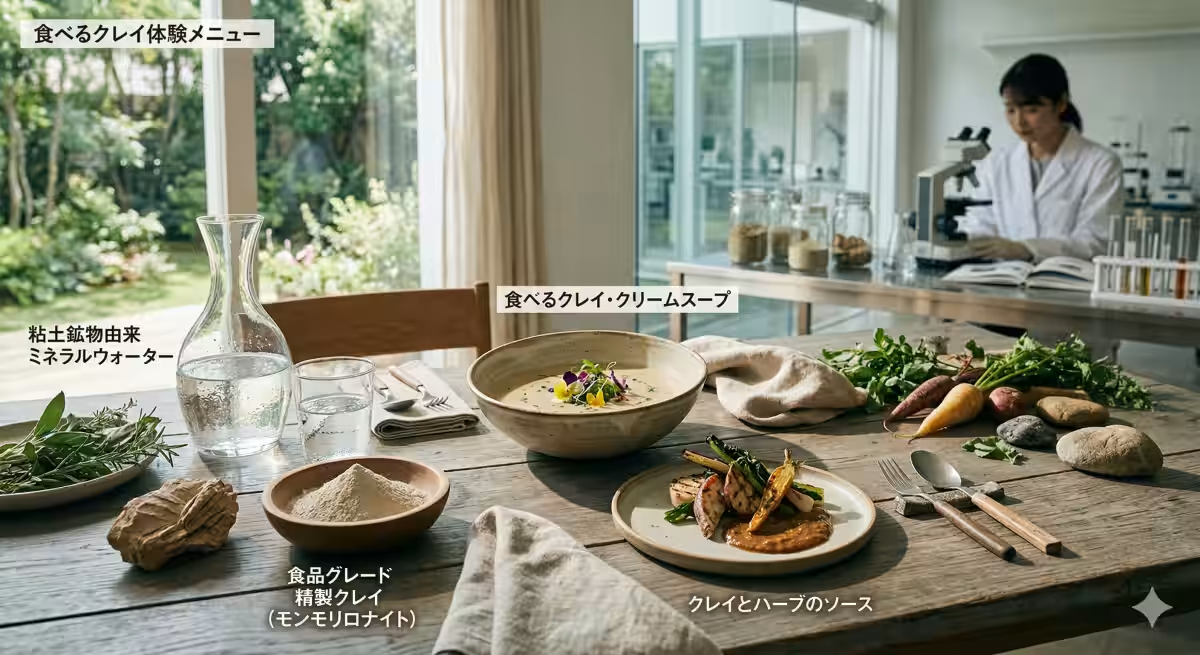
A unique feature will include dishes incorporating food-grade clay, such as soups and sauces, designed to introduce clay's nutricultural benefits safely. The aim is to educate diners on how minerals can be integrated into daily meals.
Eating from Mineral-based Vessels
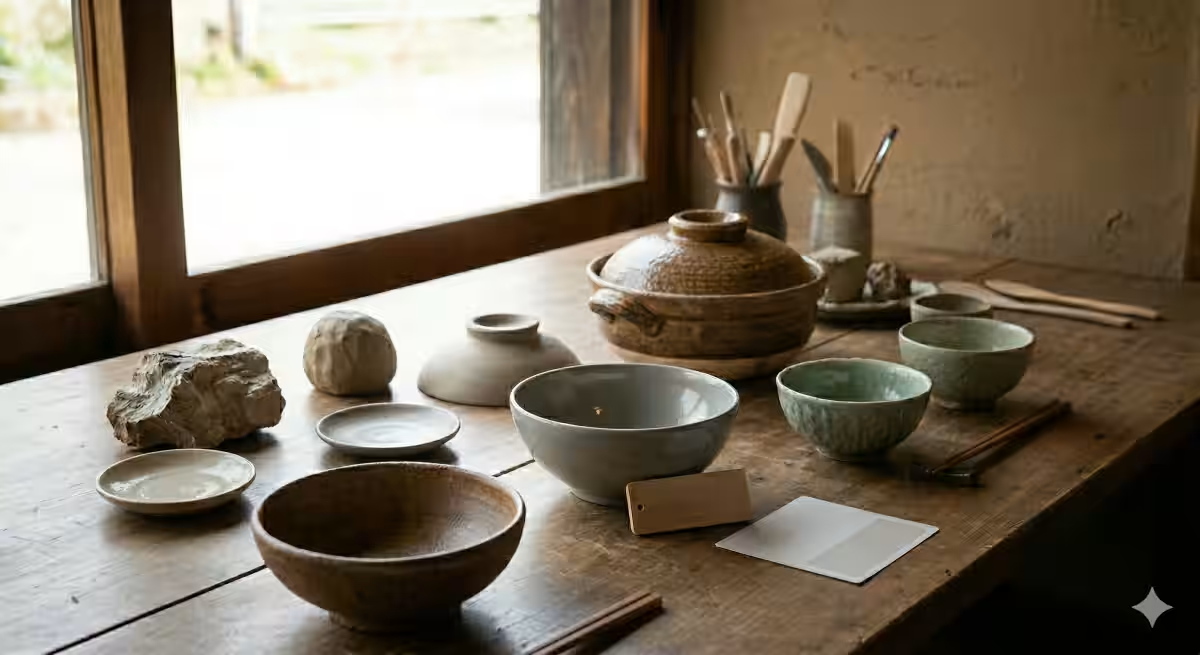
Moreover, the institute will utilize pottery and clay pots sourced from the same minerals that make these dishes healthy. By using original tableware made from montmorillonite, diners will experience a deeper connection with their food and the minerals it contains.
Mineral Pairing
Guests will be presented with cards detailing the mineral profiles of each dish, enabling them to learn about the relationship between clay-derived minerals and bodily health, enhancing their dining experience.
Why Yamagata?
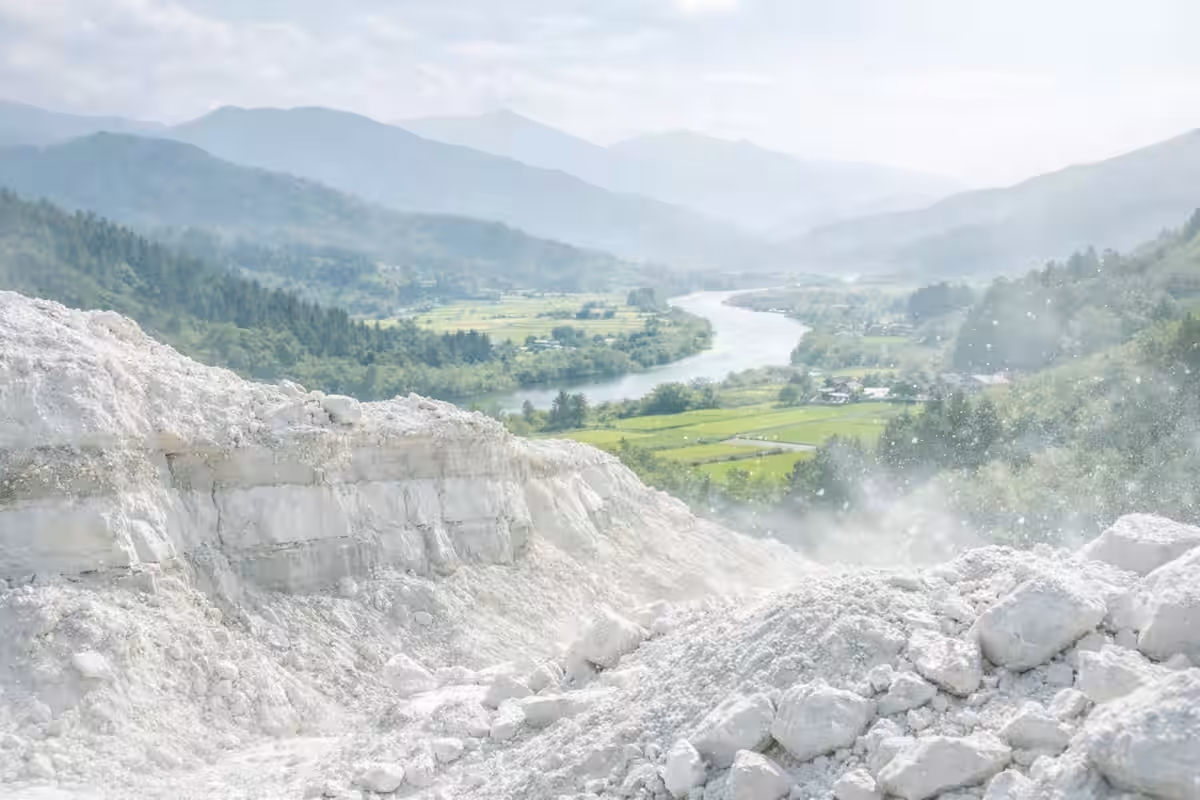
Yamagata Prefecture is renowned for its high-quality montmorillonite deposits, making it an ideal location for the Eatable Mineral Research Institute. The geological characteristics and agricultural heritage of Yamagata align perfectly with KURUMU's mission to educate and engage individuals in understanding the essential role that minerals play in our ecosystem and health.
KURUMU's Ongoing Commitment to Minerals
With previous initiatives like the 'CLAYTOPIA' festival and the NENTOHI hotel designed to immerse guests in a lifestyle integrated with clay, KURUMU is dedicated to revolutionizing how society perceives clay.
This upcoming institute represents the pinnacle of KURUMU's vision to champion a healthier lifestyle through food enriched with essential minerals, highlighting clay's multifaceted benefits.
More About Clay
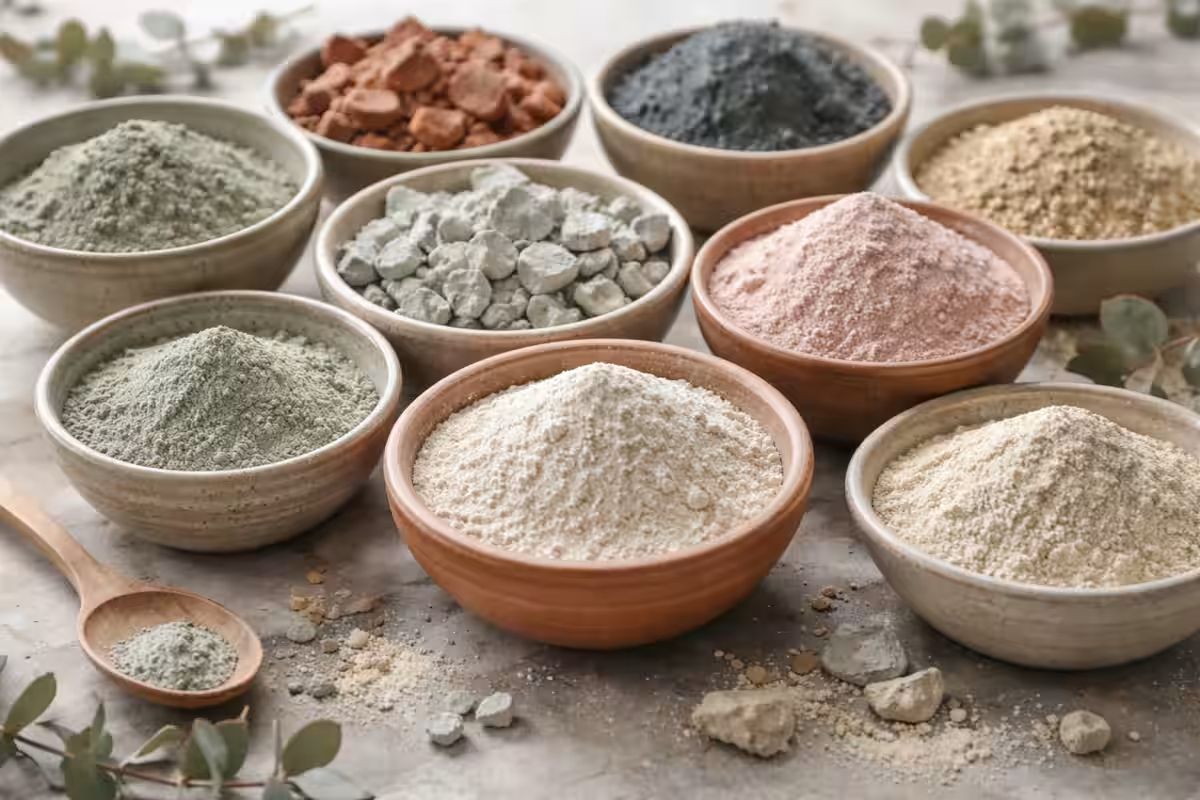
Clay, a form of mineral made from finely striated particles, is capable of detoxifying due to its natural absorbent properties. Historically, it has been lauded for its medicinal and cosmetic uses, including famous figures like Cleopatra who regaled in its beauty treatments. Its applications span correcting soil deficiencies to environmental remediation, making it a versatile and sustainable resource.
This interdisciplinary approach embodies not only a passion for culinary excellence but also a commitment to sustainability, health, and education, paving the way for a richer understanding of the relationship between food and the nutrients embedded in nature itself.
In conclusion, the Eatable Mineral Research Institute promises to be a revolutionary concept in Yamagata that intertwines tradition with innovation. As KURUMU embarks on this journey, they reaffirm their dedication to a future where minerals remain a vital part of our daily lives, both in health and nutrition. Join them in this exciting exploration of the delicious possibilities minerals have to offer.




Topics Consumer Products & Retail)


【About Using Articles】
You can freely use the title and article content by linking to the page where the article is posted.
※ Images cannot be used.
【About Links】
Links are free to use.