



Recent Survey Reveals Insights from Foreign Workers in Japan on Employment and Living Conditions
Insights from Recent Survey on Foreign Workers in Japan
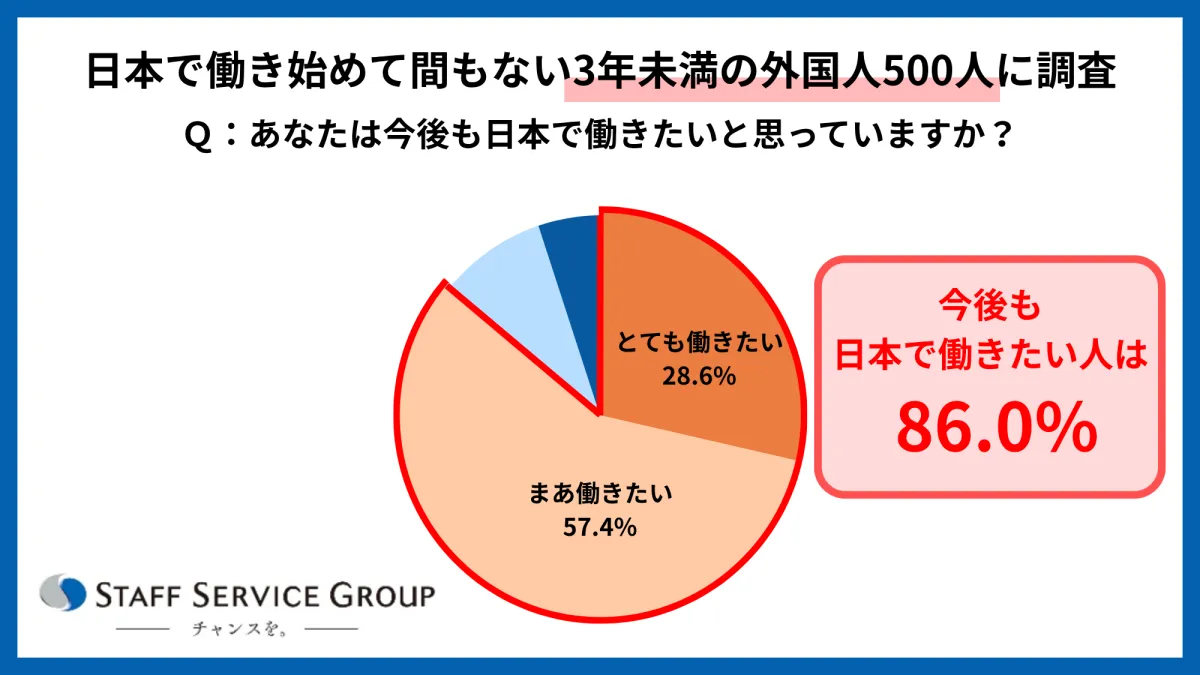
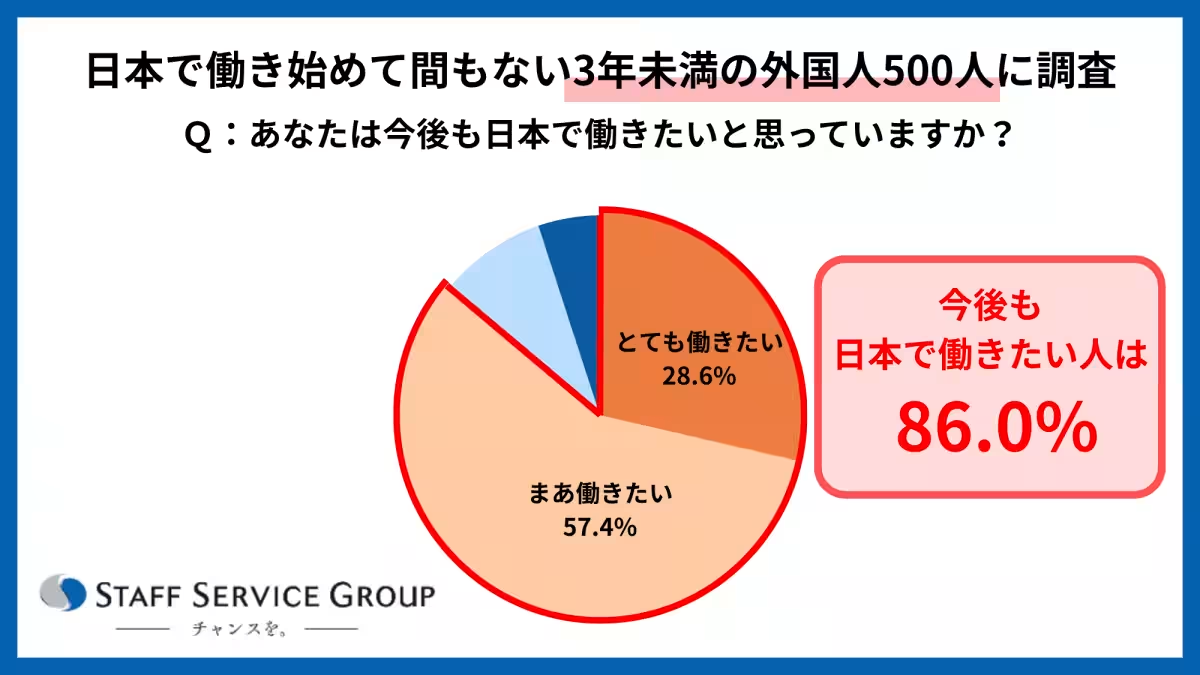
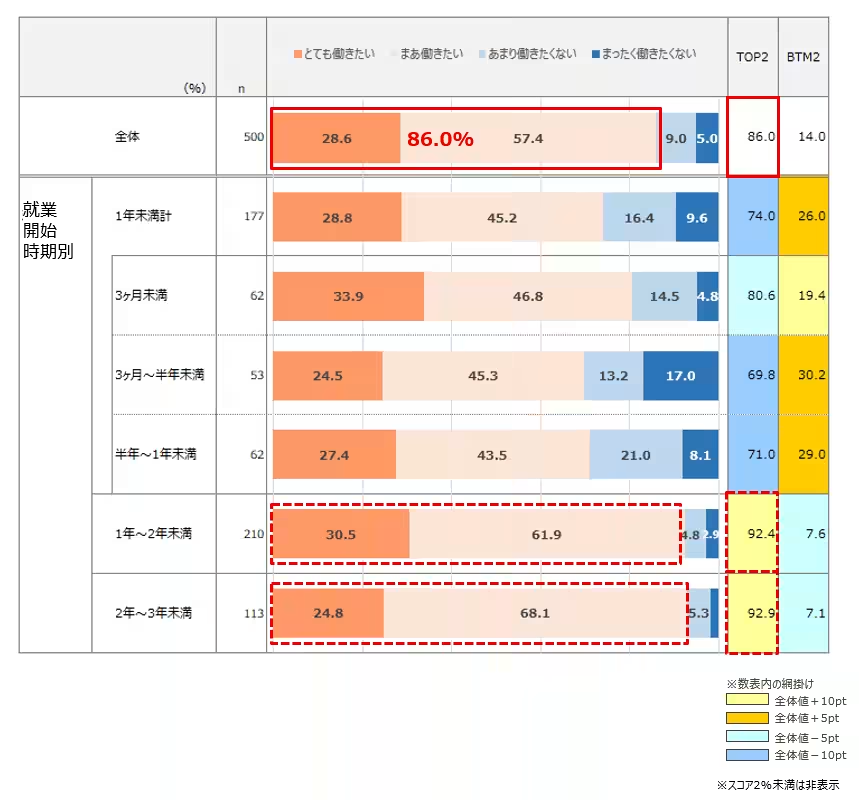
A recent survey conducted by Staff Service Holdings, a leading recruitment agency in Japan, sheds light on the work perspectives and challenges faced by foreign employees who have been in Japan for less than three years. The study surveyed 500 individuals aged 18 to 59 and revealed that a significant 86% of them wish to continue working in Japan.
Key Findings
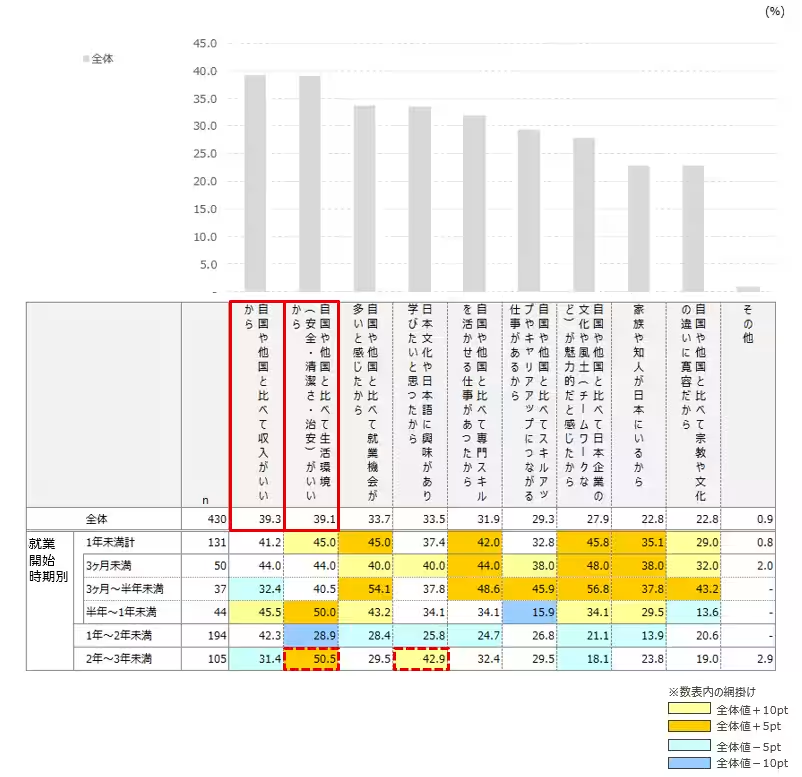
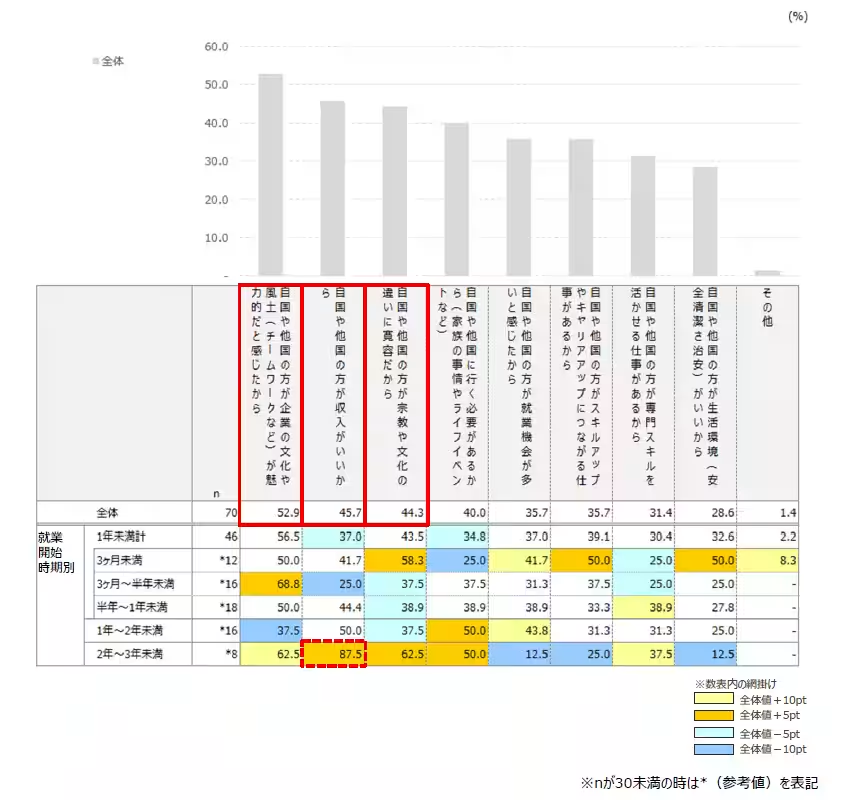
The primary reasons for the desire to stay are competitive salaries and favorable living conditions. Specifically, 39.3% cite high income as a reason to remain, while 39.1% appreciate the quality of life. A strong sense of job availability is also prevalent, with 33.7% acknowledging the multiple career opportunities Japan offers.
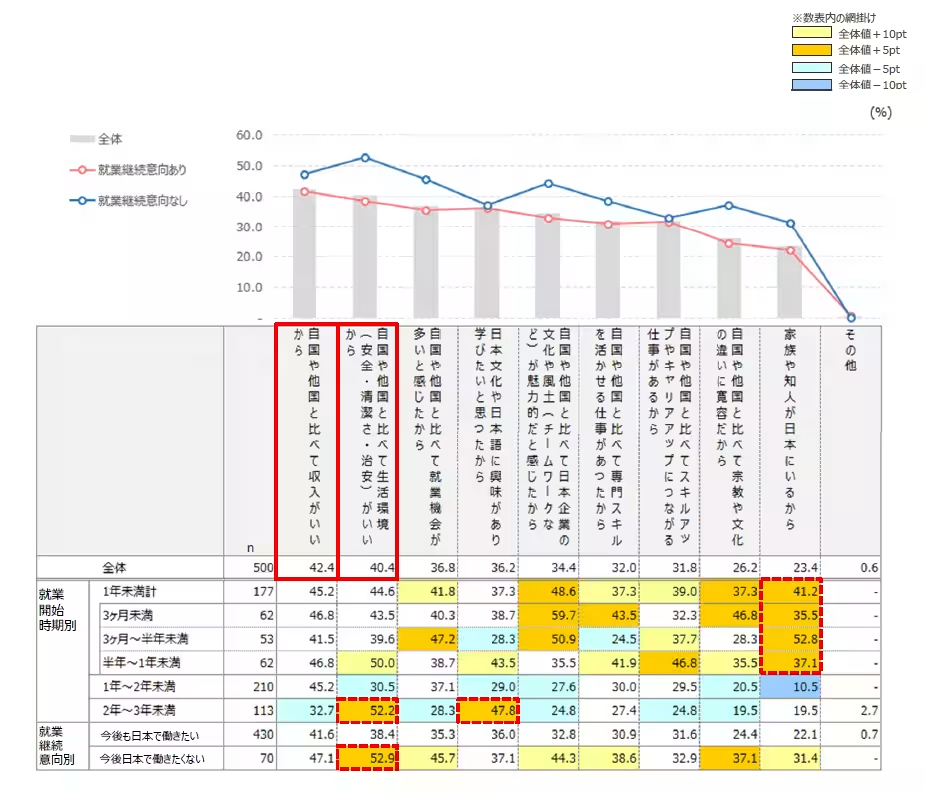
Moreover, around 42.4% of participants stated that their main motivation for working in Japan is the attractive income, emphasizing the economic benefits of employment in the country compared to their home nations. Over time, clearer appreciation for Japan's living environment and cultural richness grows, especially as individuals gain more experience in the workplace.
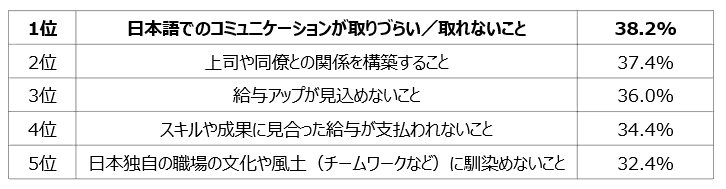
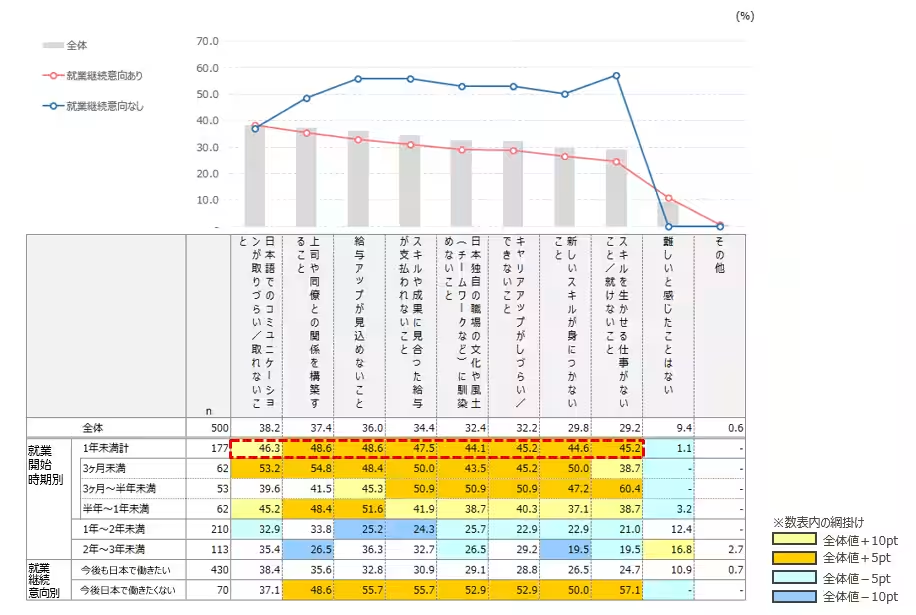
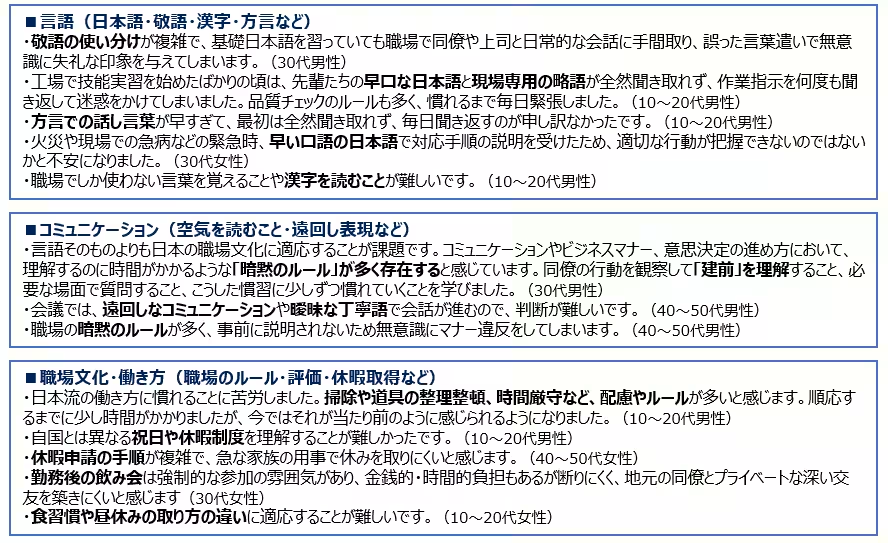
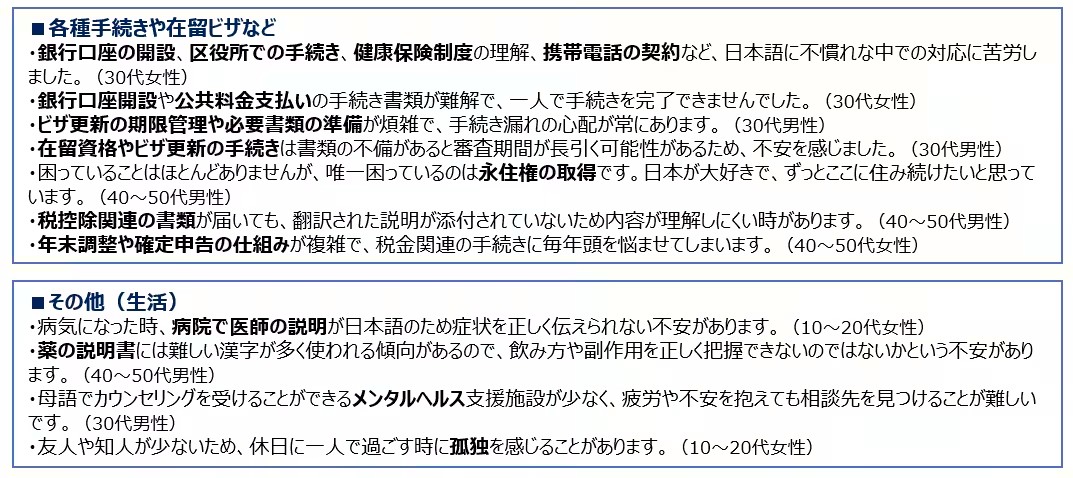
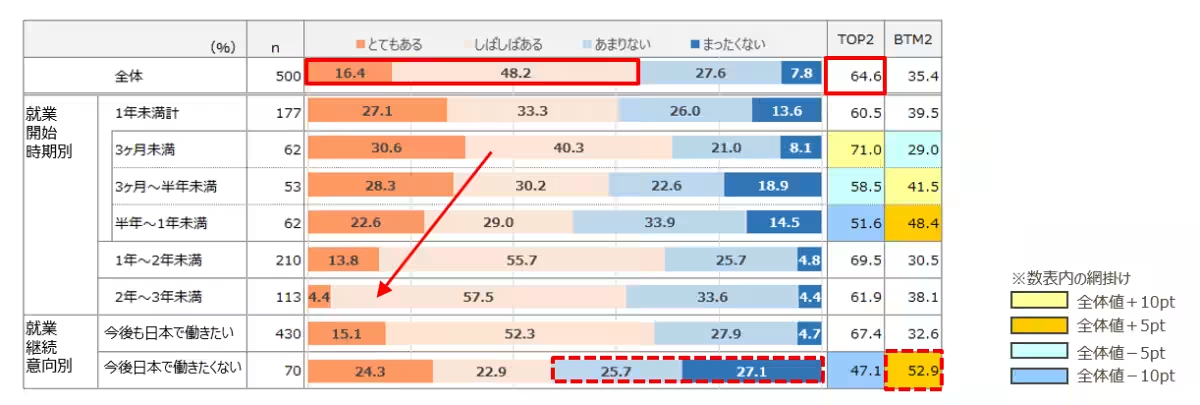
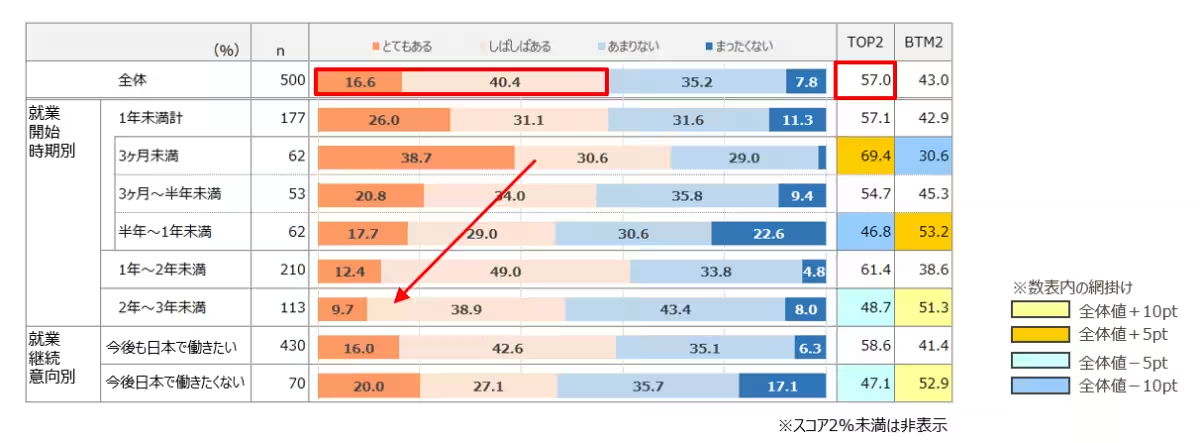
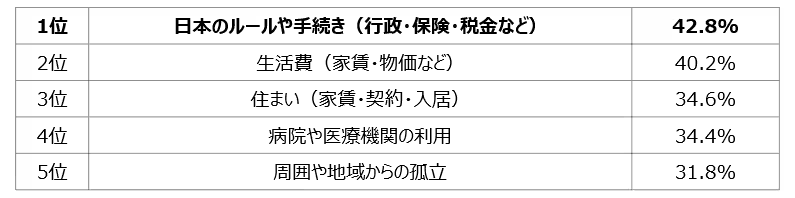
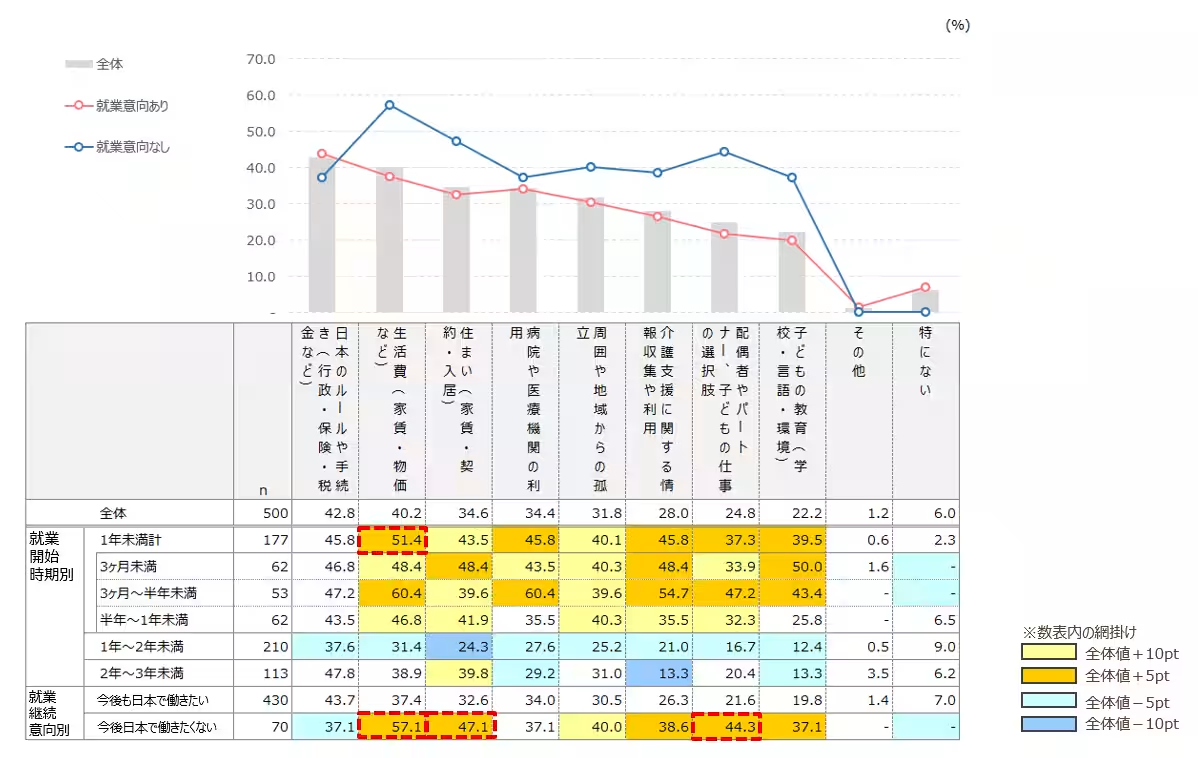
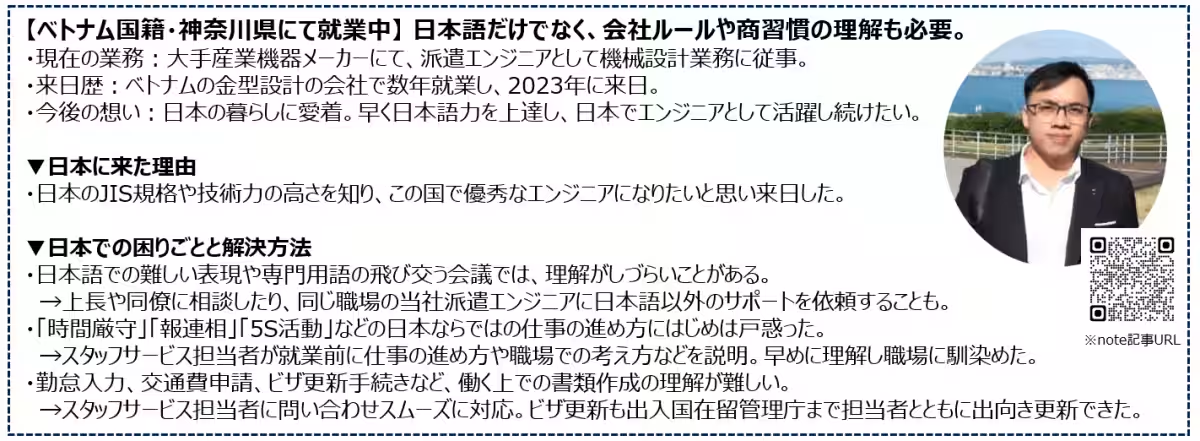
However, the survey also highlighted several challenges faced by these foreign workers. A notable 38.2% reported difficulties in communicating in Japanese, which can hinder relationship-building with colleagues and superiors. Additionally, 42.8% expressed complications with Japanese rules and procedures related to government, insurance, and taxes. This speaks to a gap in understanding that can be crucial for a fulfilling work-life balance.
Support and Opportunities for Growth
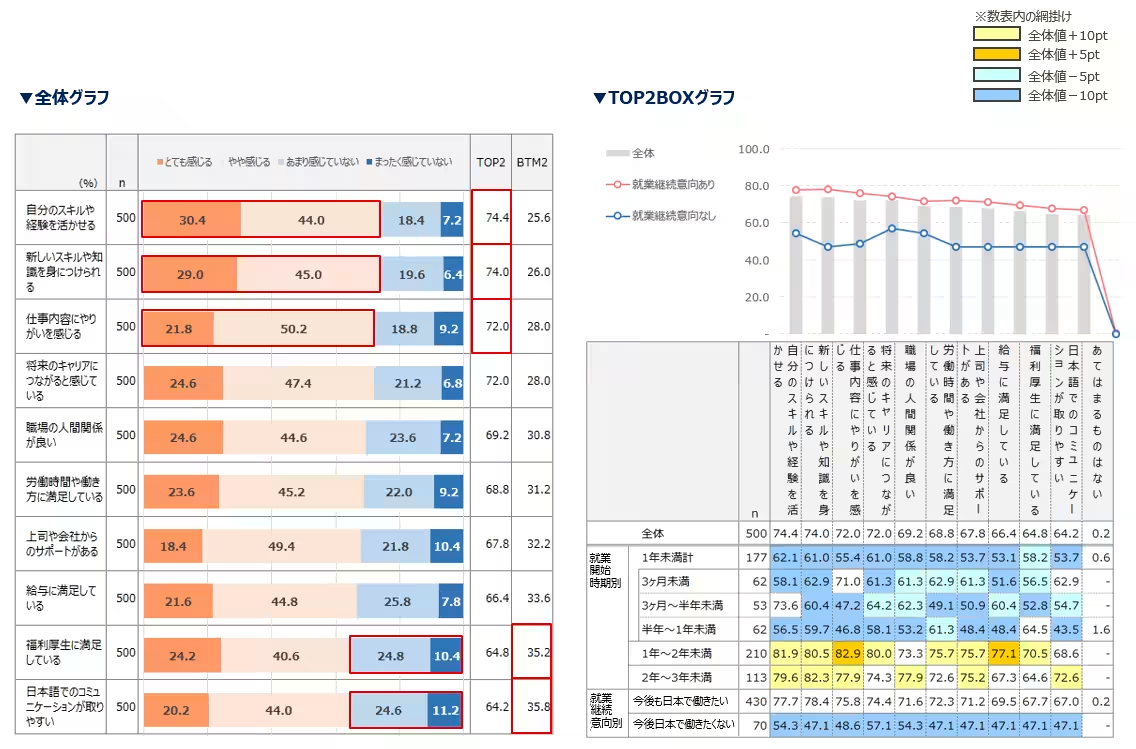
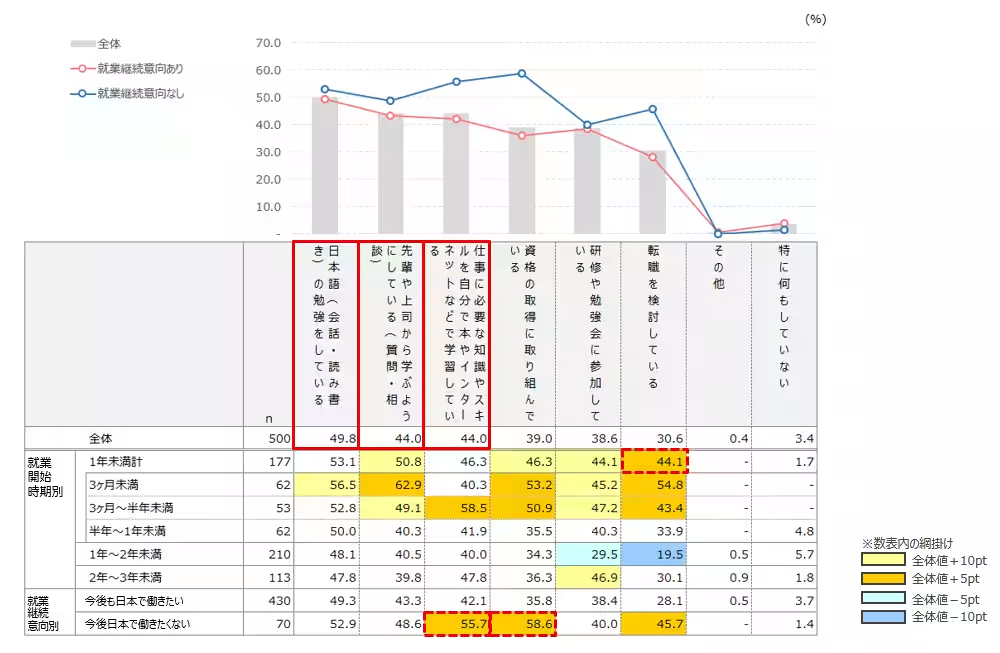
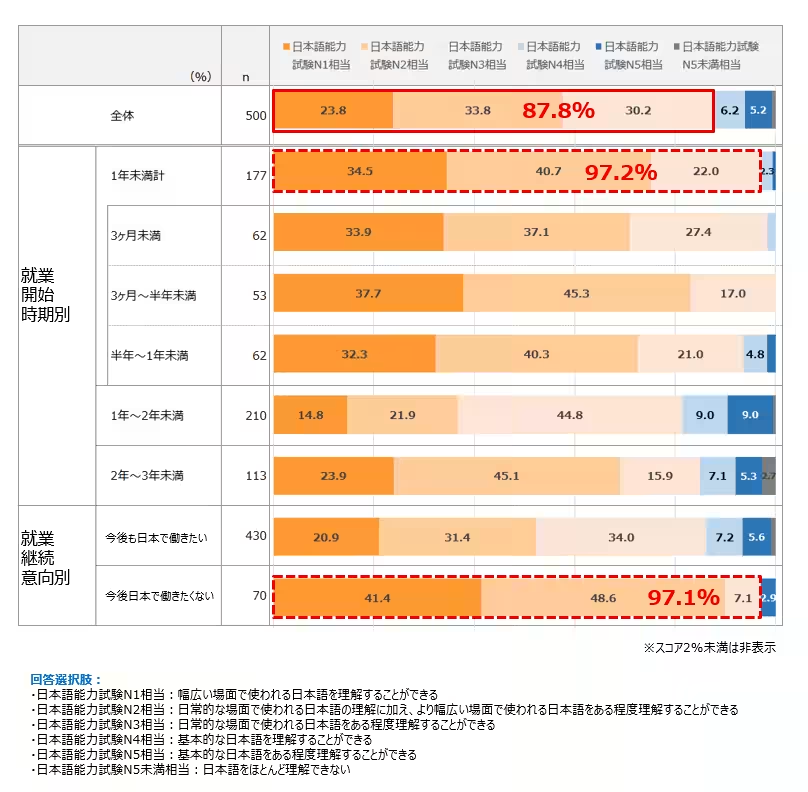
Encouragingly, the overwhelming majority, 96.6%, of respondents are taking proactive measures to improve their skills. About half of them are engaged in Japanese language studies, while 87.8% hold a proficiency level sufficient for everyday communication (N3 level). This determination showcases a commitment to adapting to their new environment, a beneficial trait for both the individuals and the overall workforce.
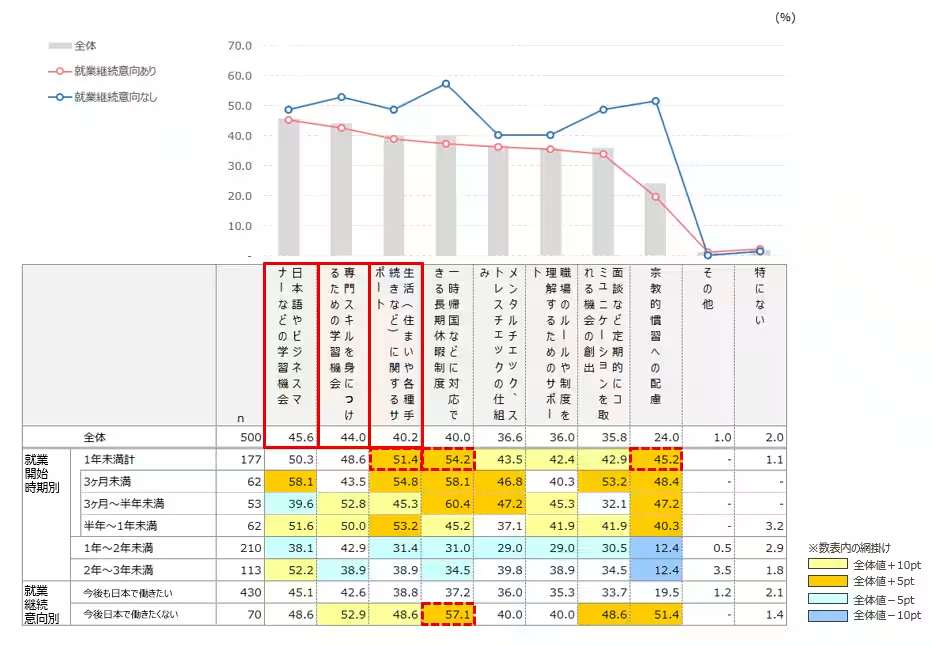
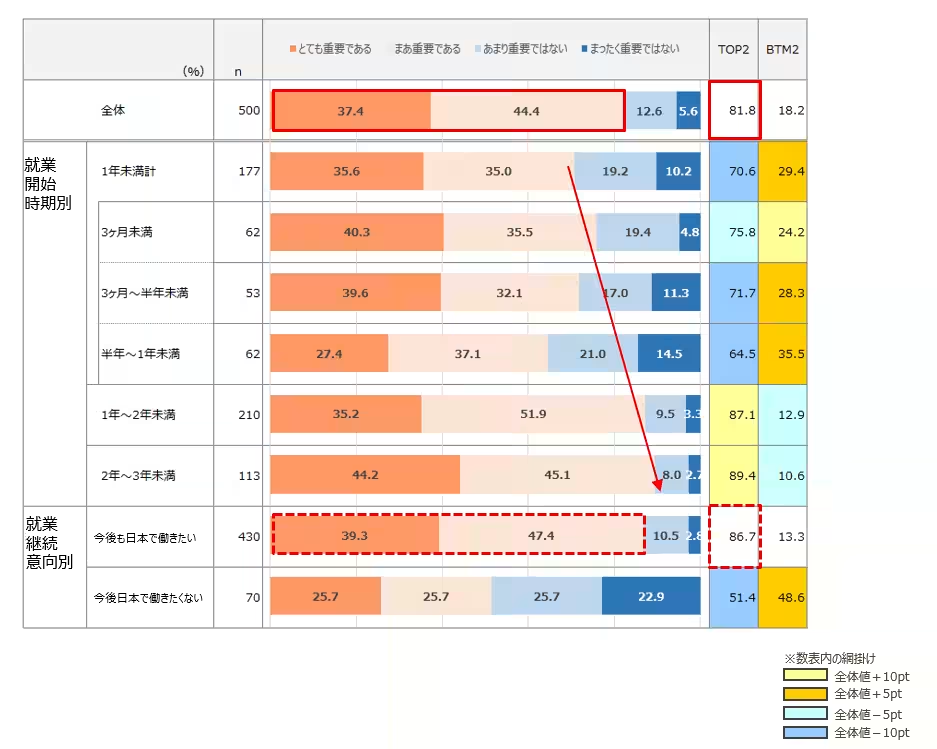
The respondents expressed a strong need for comprehensive support within their workplaces, with 45.6% emphasizing the importance of learning opportunities related to language and business etiquette. This suggests that companies could do much more to facilitate a smoother transition and a sense of belonging for foreign employees.
When looking at differences based on work tenure, newer hires indicated more communication challenges, while those with longer experience reported decreased difficulties, indicating a learning curve associated with integration into the Japanese workplace culture.
Cultural Nuances and the Path Forward
As Japan grapples with labor shortages, foreign workers are becoming increasingly integral to various industries. Addressing their unique concerns is crucial not only for enhancing worker satisfaction but also for driving productivity and innovation within companies. The insights gained from this survey can help organizations develop targeted programs that not only support language and skill development but also enhance understanding of Japanese customs and practices.
Ultimately, fostering an inclusive environment in the workplace will not only benefit foreign workers but also enrich the corporate culture as a whole. This is something that the Staff Service Group is committed to, as they strive to facilitate diverse talent in Japan’s labor market.
Topics Business Technology)









【About Using Articles】
You can freely use the title and article content by linking to the page where the article is posted.
※ Images cannot be used.
【About Links】
Links are free to use.