



Managing Multiple Communication Tools in the Workplace: A Necessity for Efficiency
Managing Multiple Communication Tools: A Challenge in Today's Work Environment
In an extensive survey conducted by Foonz, Inc., over 1,000 employees revealed a concerning trend regarding the use of various communication tools in the workplace. As remote work becomes increasingly common and digitalization expands, individuals are commonly using multiple communication platforms, such as email, phone calls, and chat applications. Despite these tools becoming more integrated into everyday work life, the study uncovered significant inefficiencies arising from their usage.
Survey Insights
Tools Disparity
The survey, titled "Inefficiencies Caused by 'Tool Divide' in the Workplace," took place from August 12 to August 13, 2025, targeting employees who regularly use various communication tools, including email, phone, and chat. The results clearly indicated a challenge: while many employees find value in these tools, they also experience frustration due to their fragmented nature.
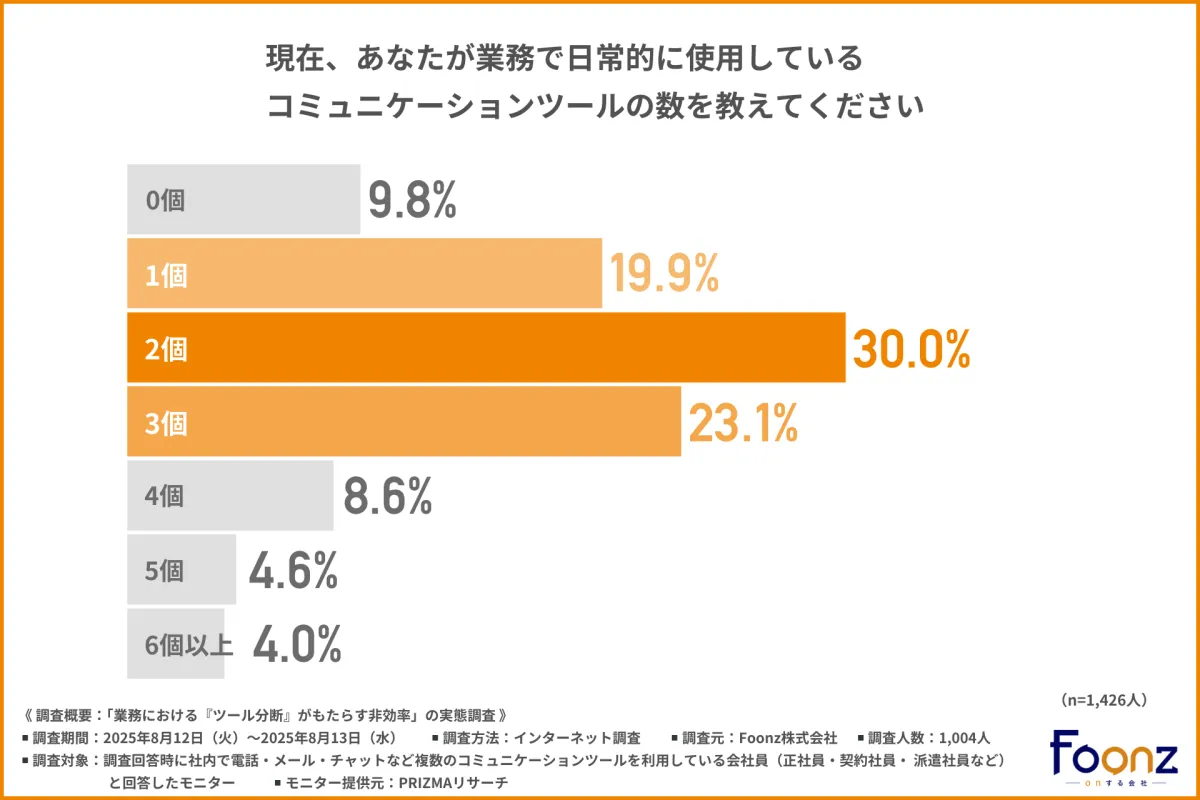
A breakdown of workers’ responses regarding the number of tools used revealed that around lengthy 50% rely on just two to three tools, and about 30% of the respondents use two tools. Notably, only 4% reported using six or more, signaling that many still navigate a limited toolkit. However, nearly 30% of participants indicated using either no tools or just one.
Primary Communication Tools
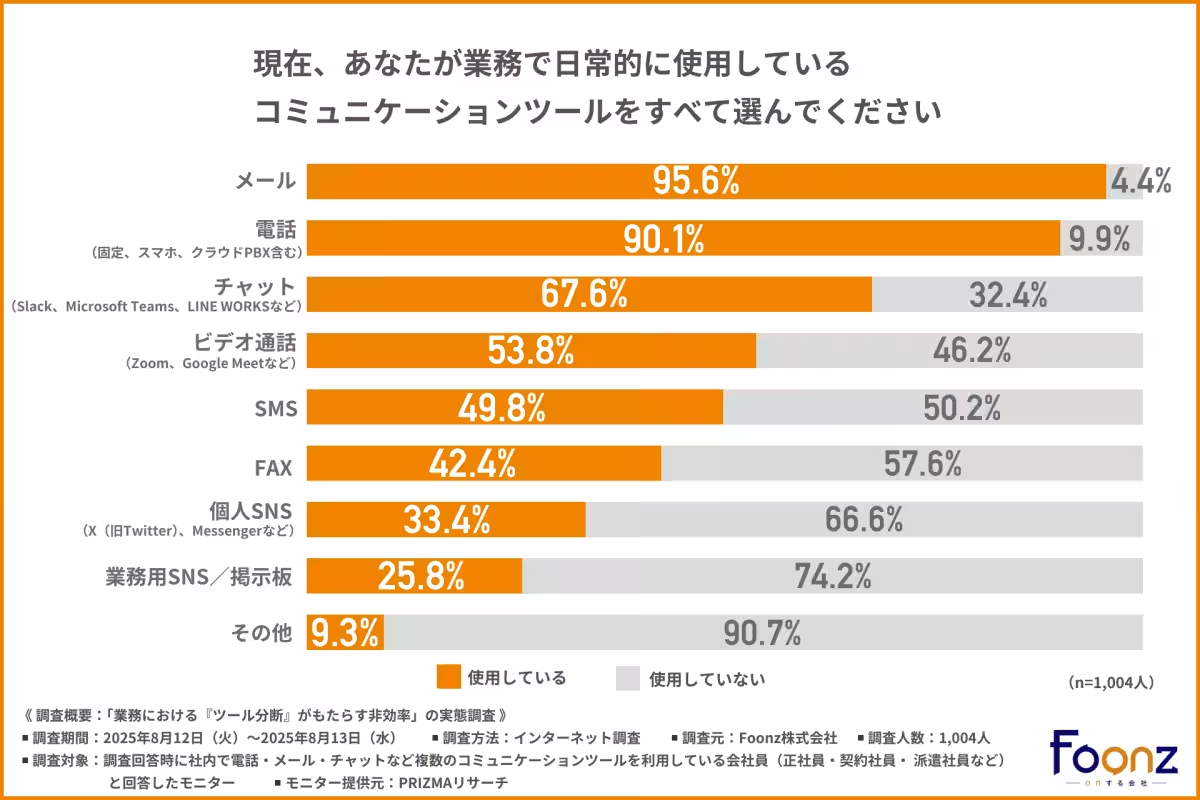
When asked about the specific tools employed, an overwhelming 95.6% reported using email, and 90.1% utilized phones (including fixed phones, smartphones, and cloud PBX). Interestingly, about 67.6% relied on chat applications such as Slack and Microsoft Teams for communication.
On the flip side, certain tools fell out of favor. About 74.2% did not use professional SNS or bulletin boards, and 57.6% did not use fax machines, indicating that these tools do not integrate easily into modern work communication. However, 30% admitted to using personal SNS, which raises concerns about data privacy and security.
Perception of Strain
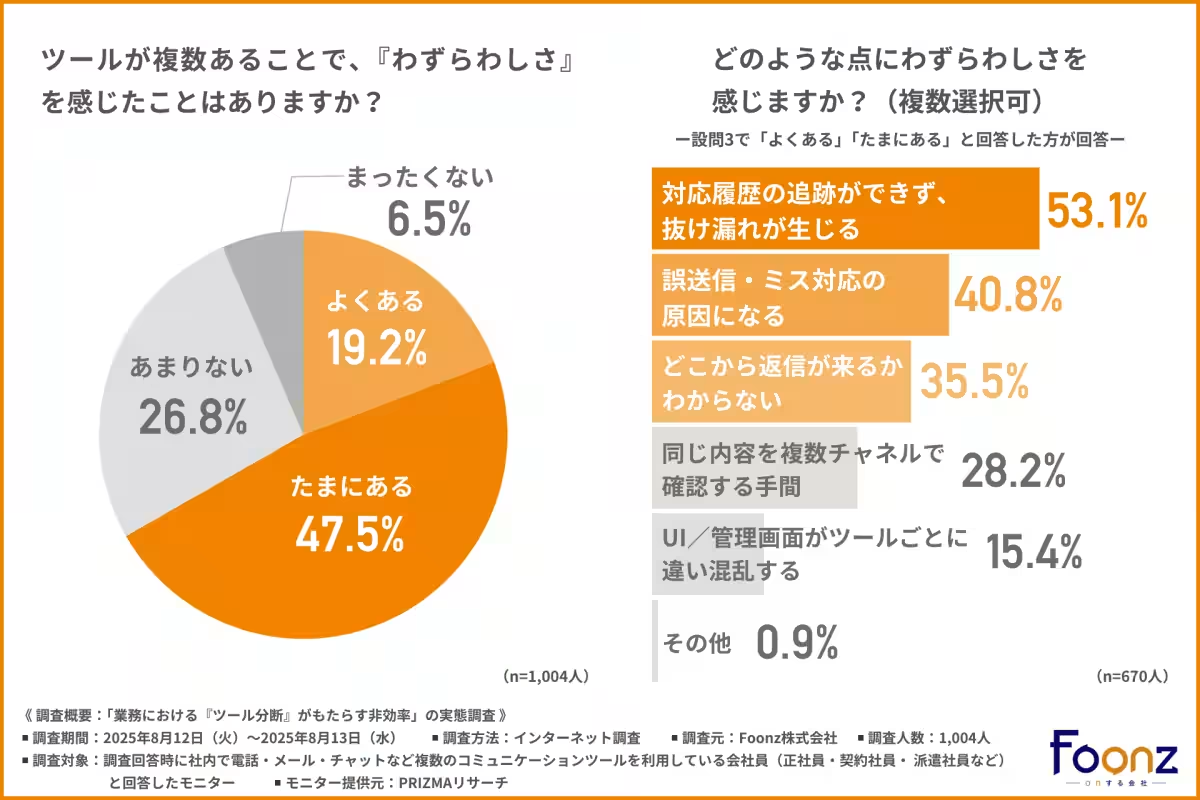
When queried about feelings of overwhelm from managing multiple platforms, a staggering 66% reported feeling this 'burden' either often or occasionally. Reasons cited included:
- - Difficulty tracking response histories (53.1%)
- - Causes for erroneous sending or handling (40.8%)
- - Uncertainty of where responses might originate (35.5%)
These results underscore a prevalent sense of disarray. Workers often struggle with overlapping communication processes, leading to missed connections and inefficient operations.
Time Consumption
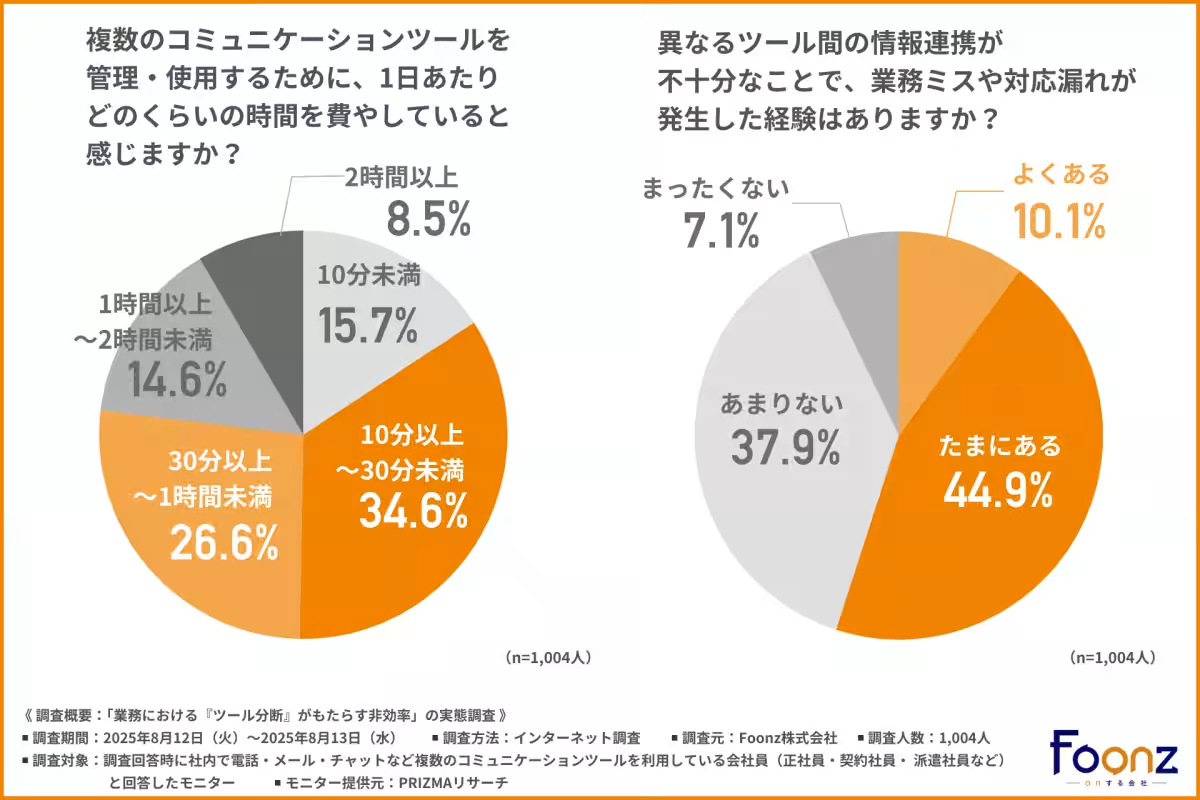
Delving into how much time employees spend managing these communication tools daily revealed additional insights. Around 60% reported spending 10 minutes to 1 hour each day managing communications, further illustrating a substantial time cost that could be channeled towards productivity. Specifically:
- - 34.6% spend 10 to 30 minutes
- - 26.6% spend 30 minutes to 1 hour
These repeated transitions between platforms likely contribute to decreased productivity and distracted focus.
Furthermore, when asked about disruptions due to insufficient coordination between tools, nearly 55% admitted experiencing lapses in handling or responsiveness correlating with these divisions.
Customer Response and Internal Challenges
A related concern emerged regarding customer satisfaction. About 30% of the participants noted that slow response times linked to climbing tool numbers led to client complaints or departmental discontent. The stakes rise when inefficiencies impact both customer satisfaction and internal trust.
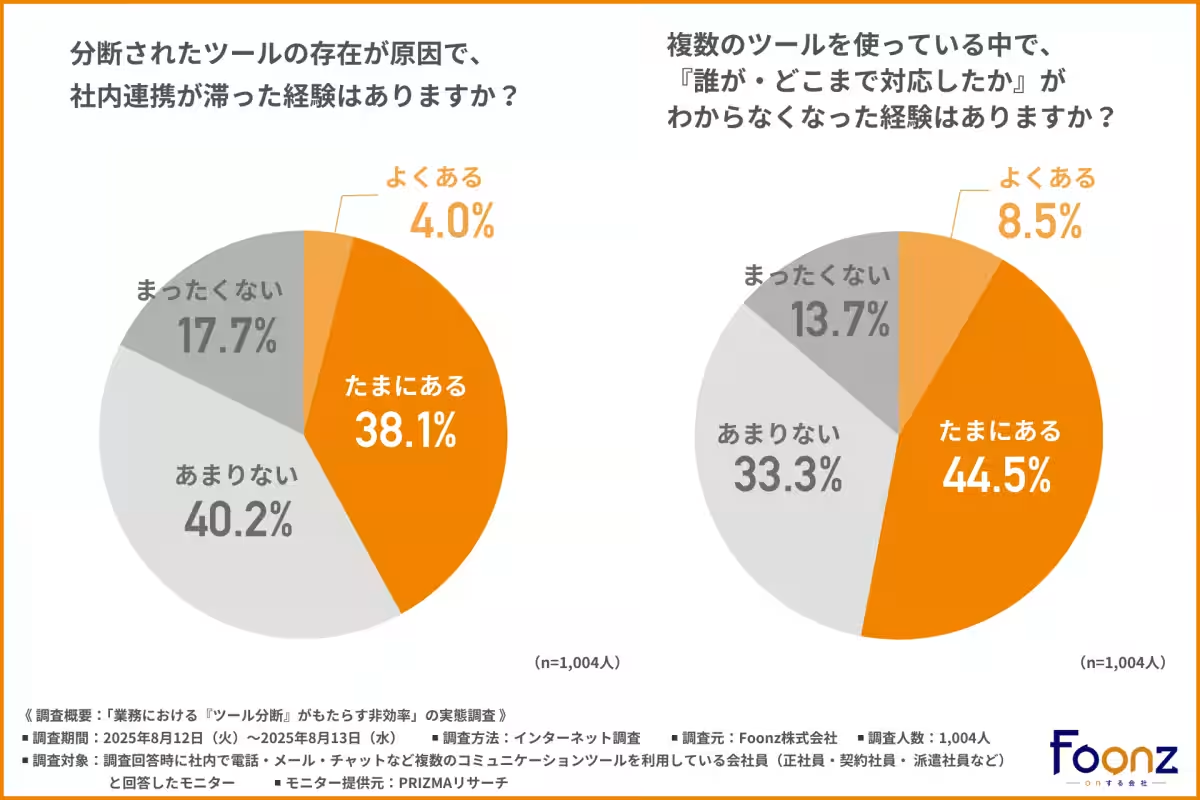
Roughly 40% expressed that segmented tool use hindered internal collaboration, showing how diverse platforms can complicate team coordination. Compounding this issue, about 50% reported instances where unclear accountability led to confusion about who completed certain tasks.
A Call for Integration
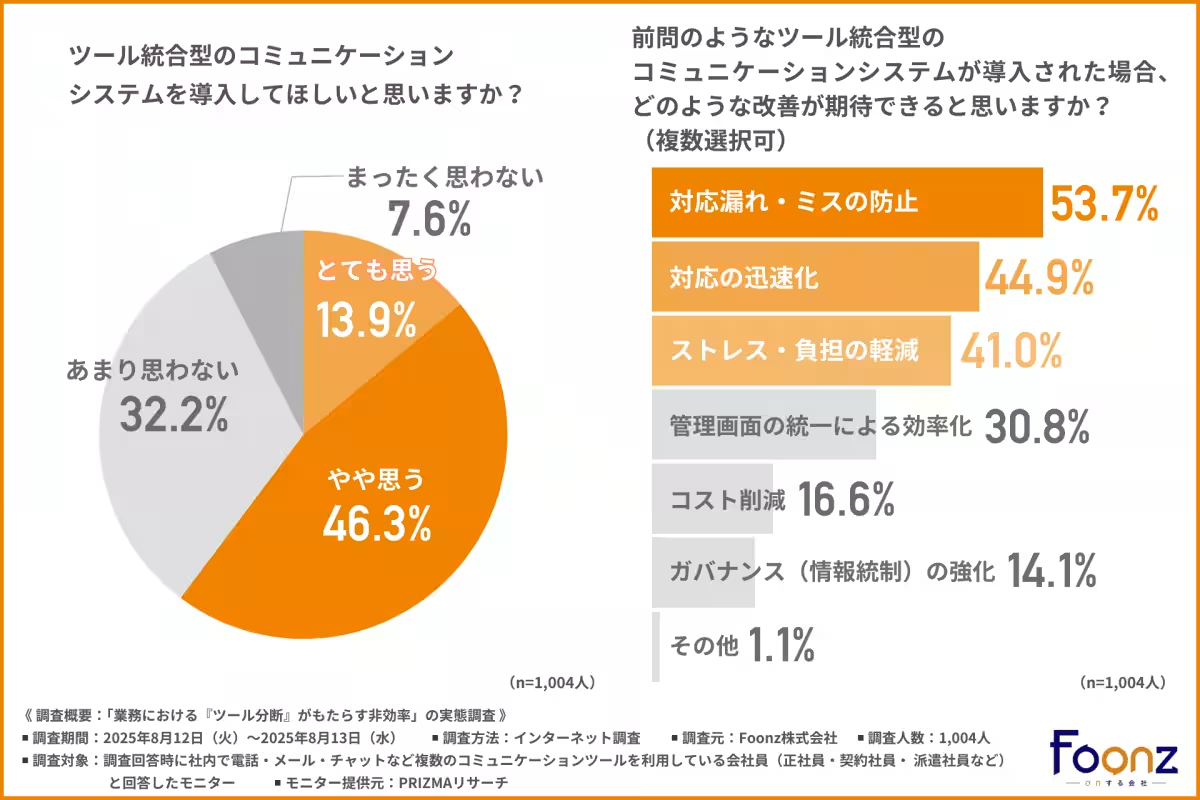
The pressing necessity for a cohesive communication solution became evident, with around 60% of participants favoring the implementation of a tool-integrated communication system that facilitates unified management, combining essential features such as calls, emails, and chats. The anticipated outcomes include:
- - Prevention of missed communications (53.7%)
- - Quicker response capabilities (44.9%)
- - Lessened employee strain (41%)
As shown, the integration may foster better efficiency and enhance workplace environments.
Conclusion
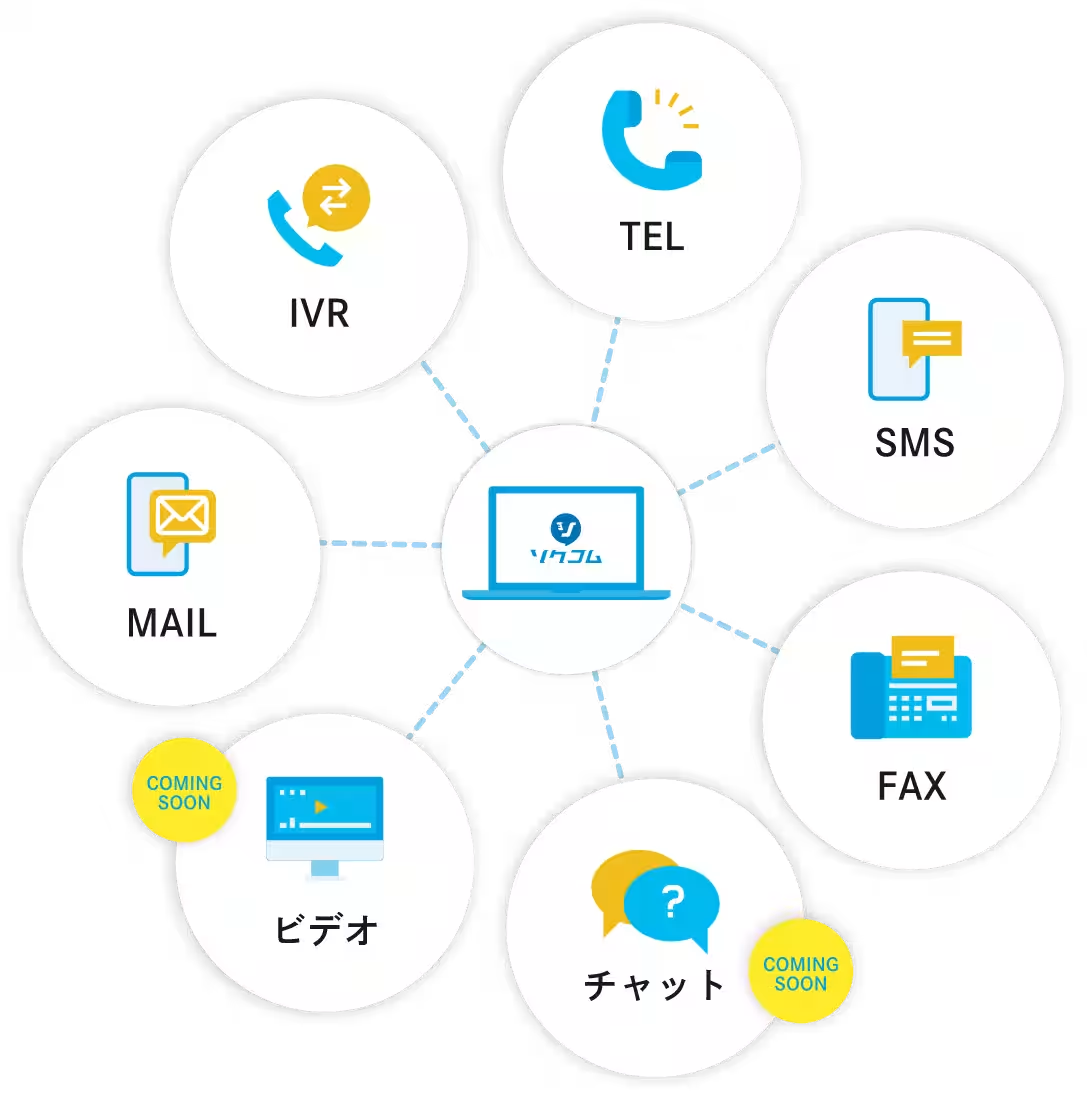
This thorough investigation into communication practices highlights the pressing challenges and benefits associated with the multifaceted usage of communication tools. An integration solution could remarkably lessen the burdens employees face, urging companies like Foonz, Inc. to explore and adopt platforms such as Sokucom, which provides a singular space for managing customer interactions effectively.
As the demand for streamlined communication increases, companies can expect greater productivity and engagement from their employees, setting a new standard for workplace communication efficiency.







Topics Consumer Technology)
【About Using Articles】
You can freely use the title and article content by linking to the page where the article is posted.
※ Images cannot be used.
【About Links】
Links are free to use.