



How Search Engines Are Still Vital in the Age of Generative AI
The Importance of Search Engines in the Age of Generative AI
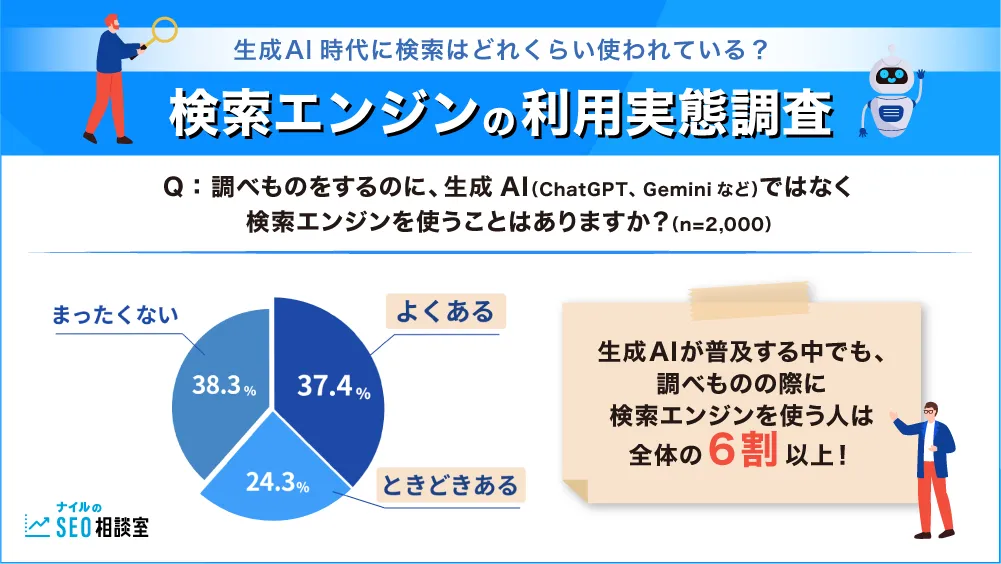
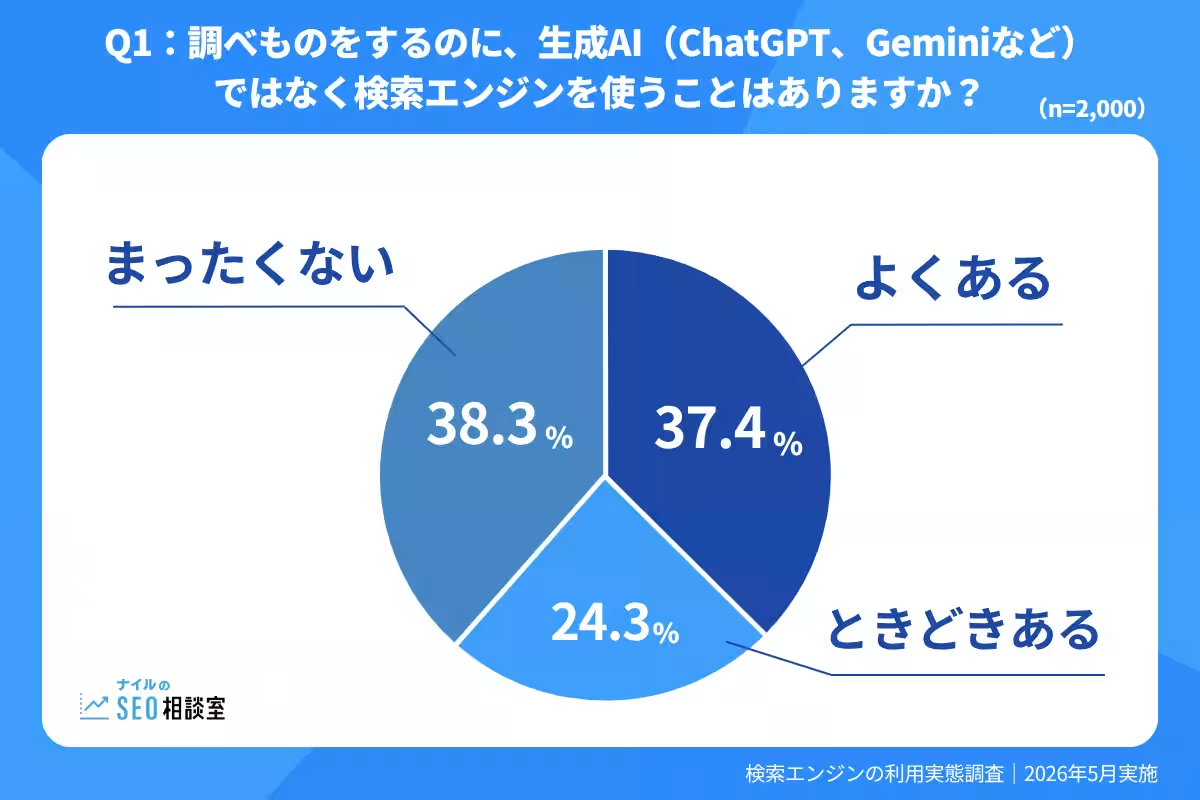
In a world increasingly dominated by generative AI technologies such as ChatGPT and Gemini, one might assume that traditional search engines would become obsolete. However, a recent study conducted by Nile Corporation reveals that more than 60% of users continue to rely on search engines for their information needs amidst the proliferation of AI tools. The survey included 2,000 participants from across Japan, aged between 20 and 60, highlighting the ongoing relevance of search engines in our digital lives.
Key Findings of the Survey
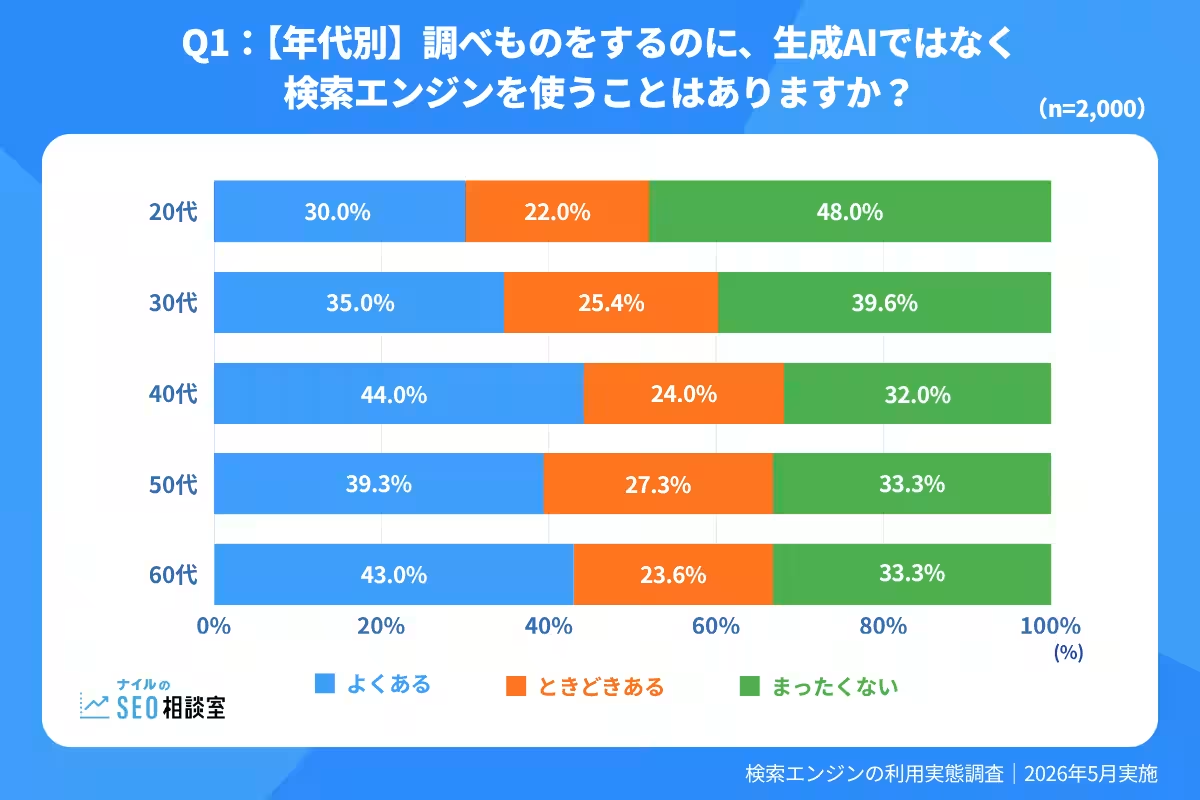
The survey, carried out over a two-day period in early May 2026, reveals several insightful trends. Firstly, nearly half of respondents in their 20s admitted to not using search engines at all, indicating a generational shift in information-seeking behavior. This is contrasted by the fact that a substantial portion of older users still prefer the reliability offered by traditional search engines.
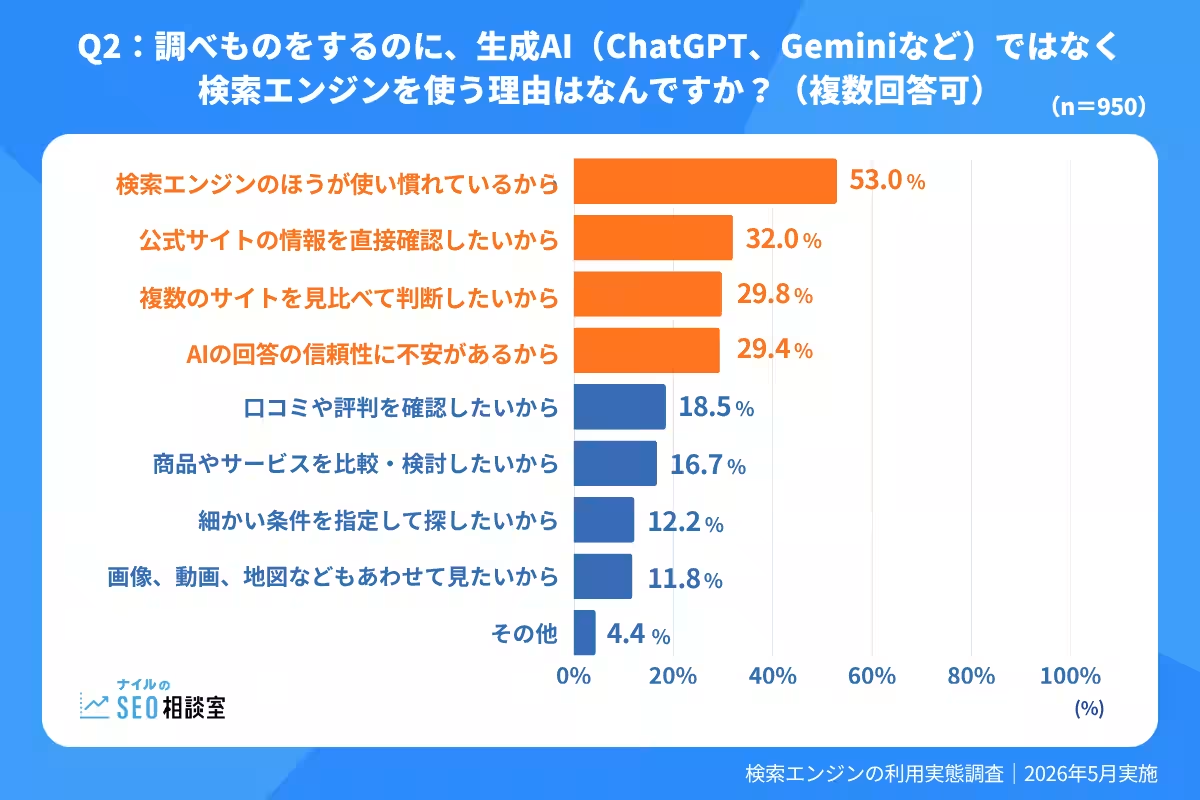
When asked about the reasons for favoring search engines, the most common response (53%) was simply “familiarity.” A significant portion of respondents (32%) also expressed a desire to verify information directly from official websites, while nearly 30% cited concerns about the reliability of AI-generated answers. These findings underpin the idea that, while AI can facilitate quick searches, it often lacks the depth and verification that users seek.
Consumer Behavior in Digital Information Searching
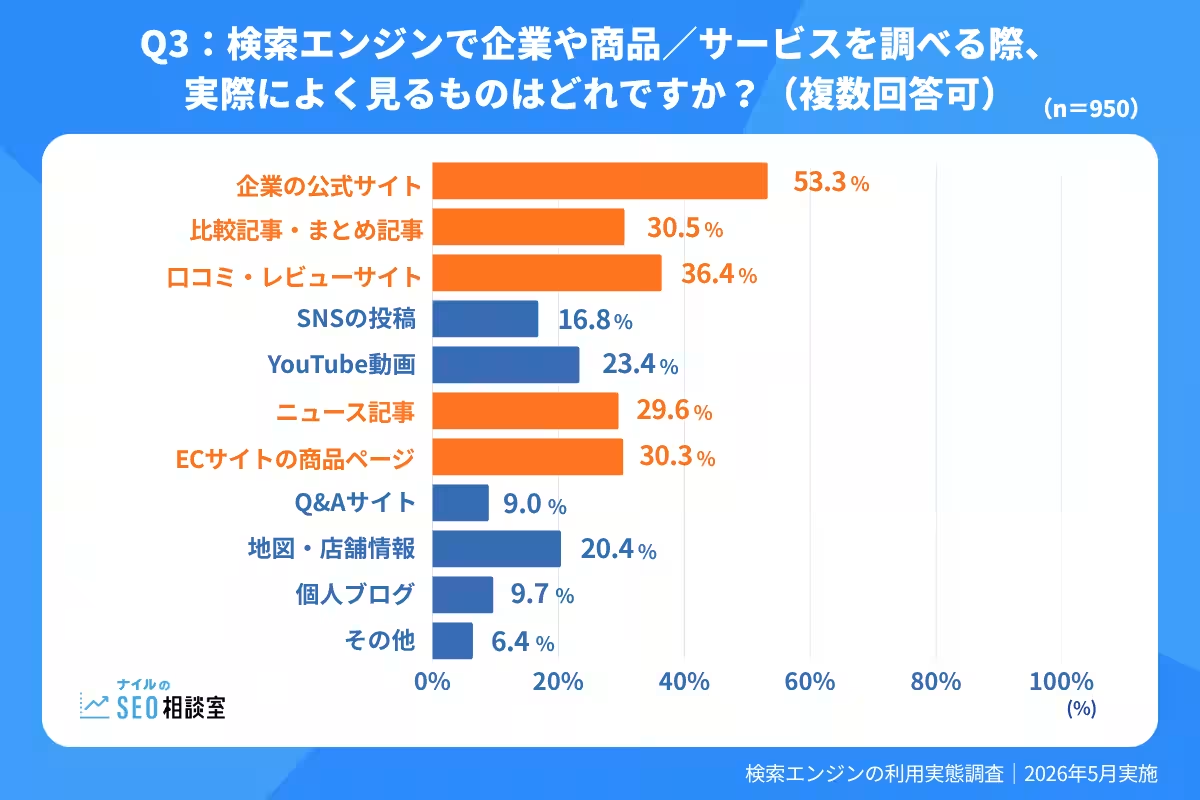
The survey results suggest that when users employ search engines to research companies or products, they primarily consult official websites (53.3%). Following this, review sites, comparison articles, and e-commerce product pages also garnered attention from around 30% of respondents. This demonstrates a layered approach to information gathering, where users seek both primary sources and peer evaluations before making informed decisions.
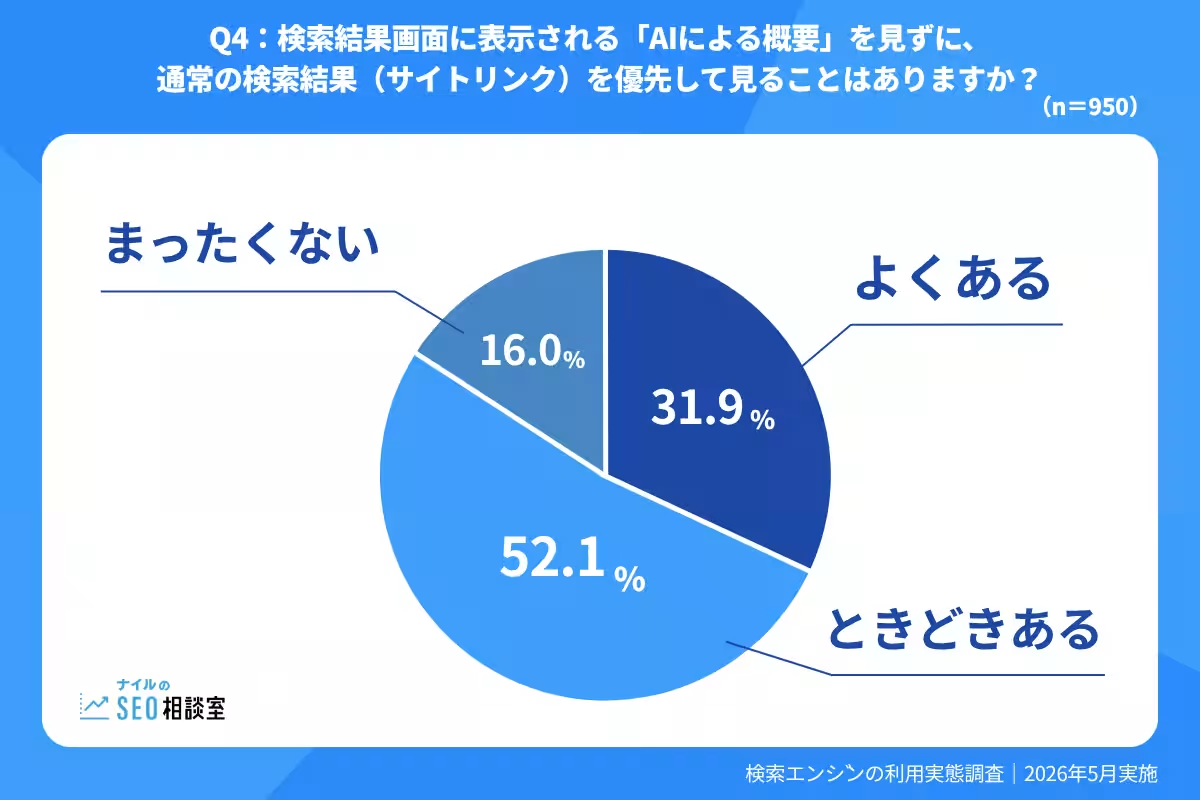
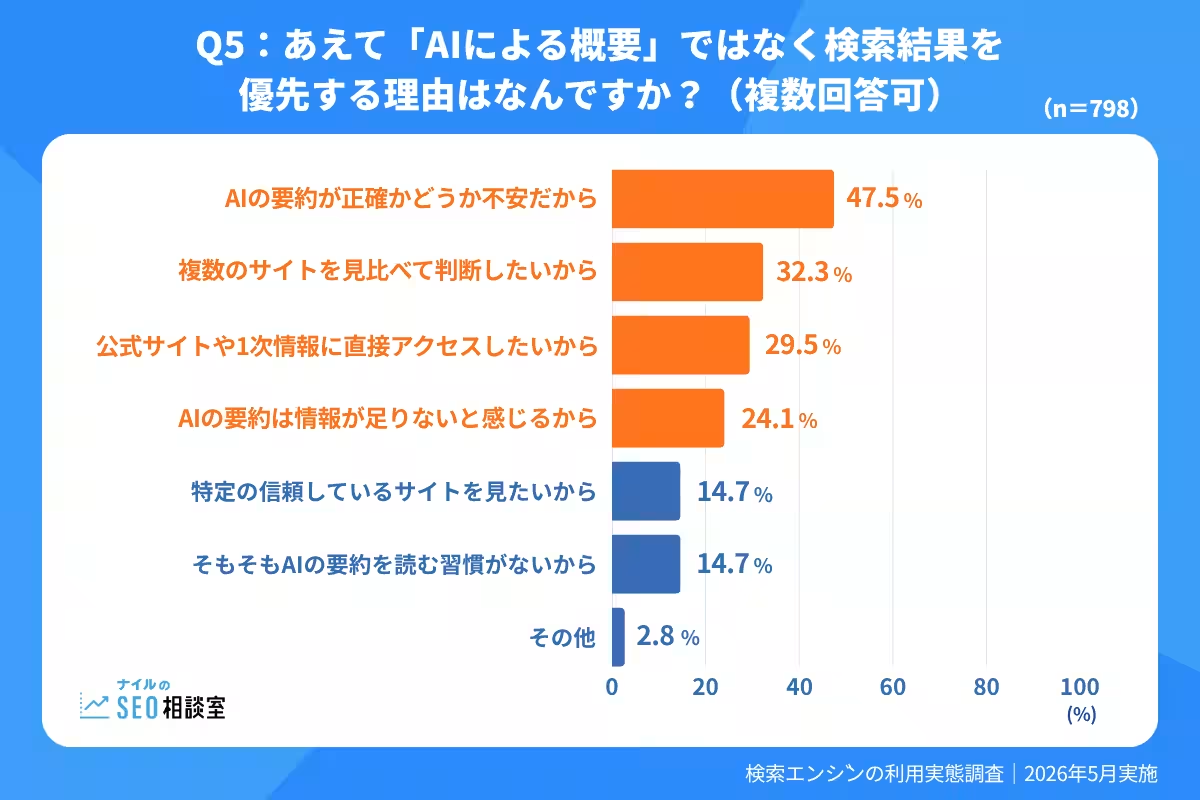
Interestingly, when presented with AI-generated overviews on search result pages, over 80% still prefer to scrutinize traditional search results, with close to half citing uncertainty about the accuracy of AI summaries as a reason for their preference. This suggests a clear reluctance to rely solely on AI for accurate information.
The Future of Information Retrieval
While many respondents are neutral about the future of AI in information retrieval, with 41.4% saying,
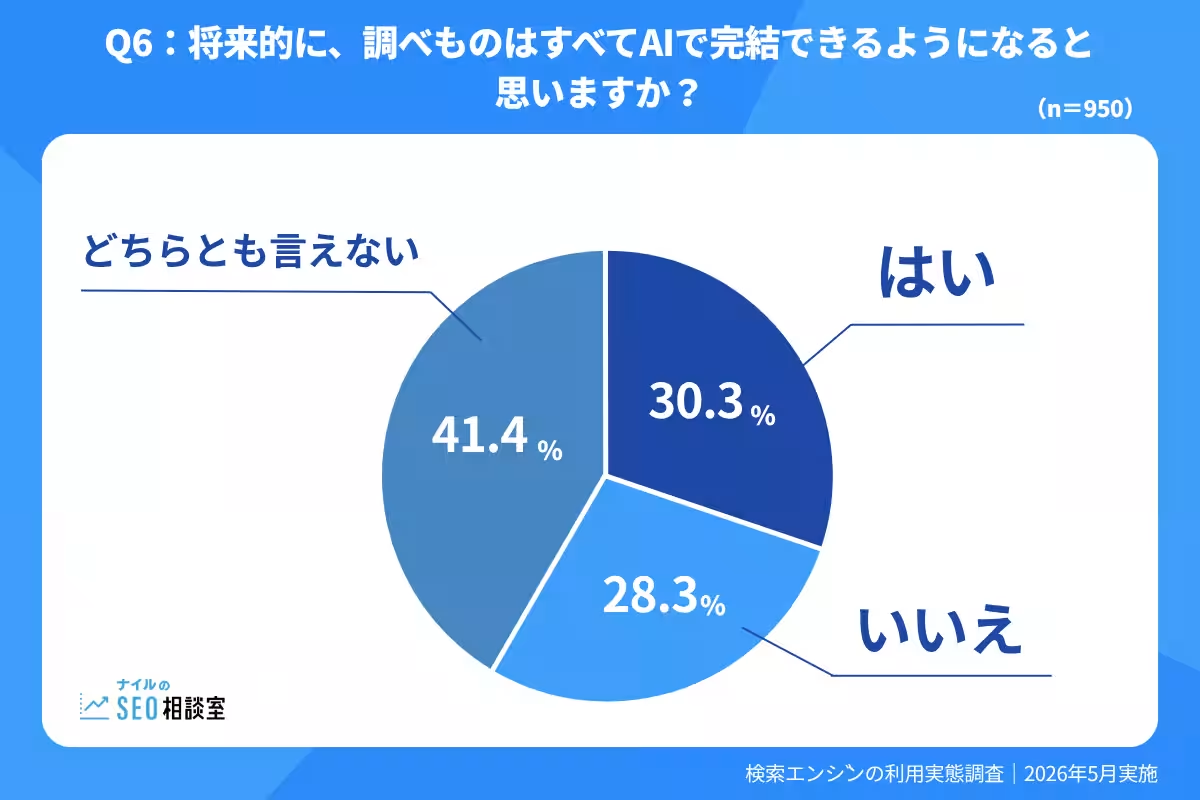
Topics Consumer Technology)
【About Using Articles】
You can freely use the title and article content by linking to the page where the article is posted.
※ Images cannot be used.
【About Links】
Links are free to use.