



Research Shows Over 50% of Workers Opted for Telework During Bad Weather, Avoiding Office Commute
Telework in Bad Weather: Insights from Recent Survey
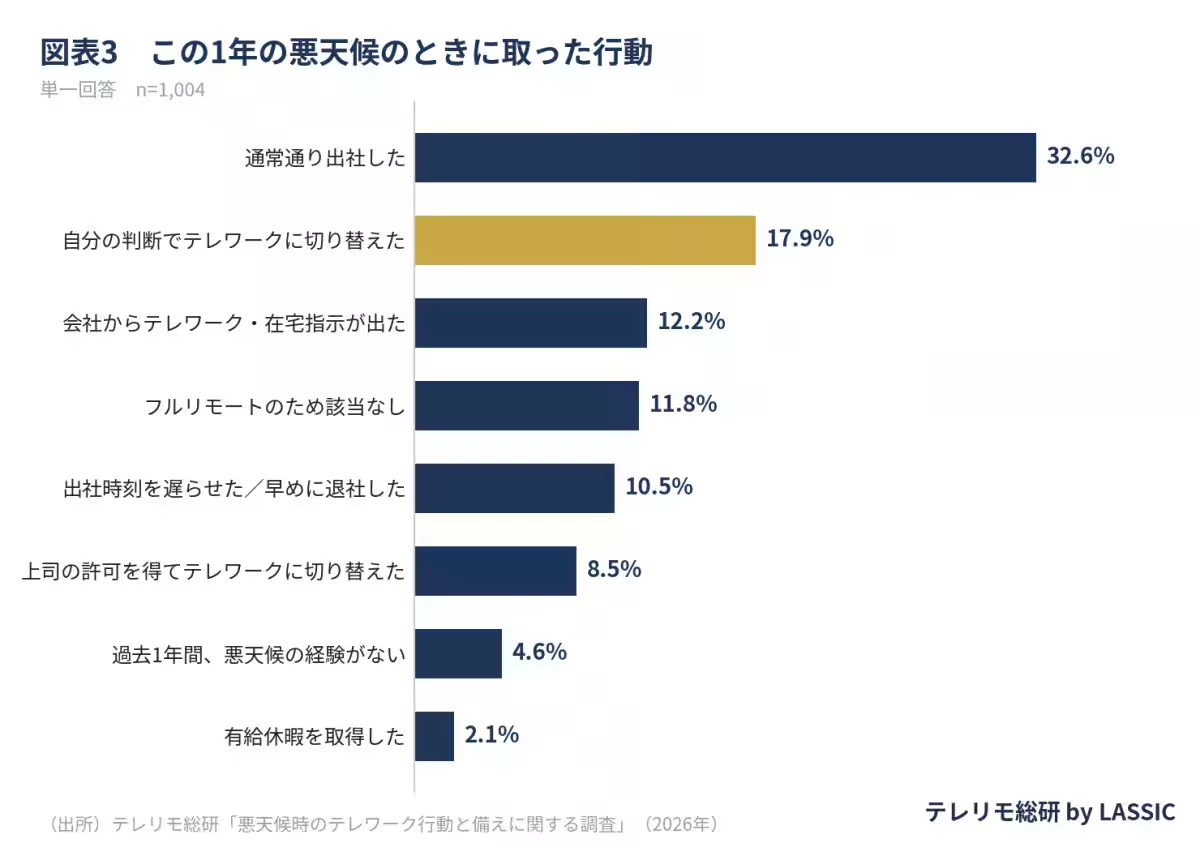
In a recent study conducted by LASSIC, a company known for promoting flexible work environments, it was revealed that more than half of the surveyed remote workers opted for telework during adverse weather conditions. The survey, titled 'Research on Telework Behavior and Preparedness During Bad Weather,' gathered data from 1,004 working professionals aged between 20 and 65 who have experience with telework. The findings indicate that 50.3% of respondents avoided going to the office during such weather, significantly exceeding the 32.6% who reported maintaining their regular office commute.
Key Findings
The survey highlighted several key points:
- - Of those who teleworked during bad weather, 17.9% made the switch based on their own judgment, while 12.2% followed company instructions, and 8.5% did so with their supervisor's consent. Additionally, 11.8% indicated they were ineligible for this question as they worked fully remotely.
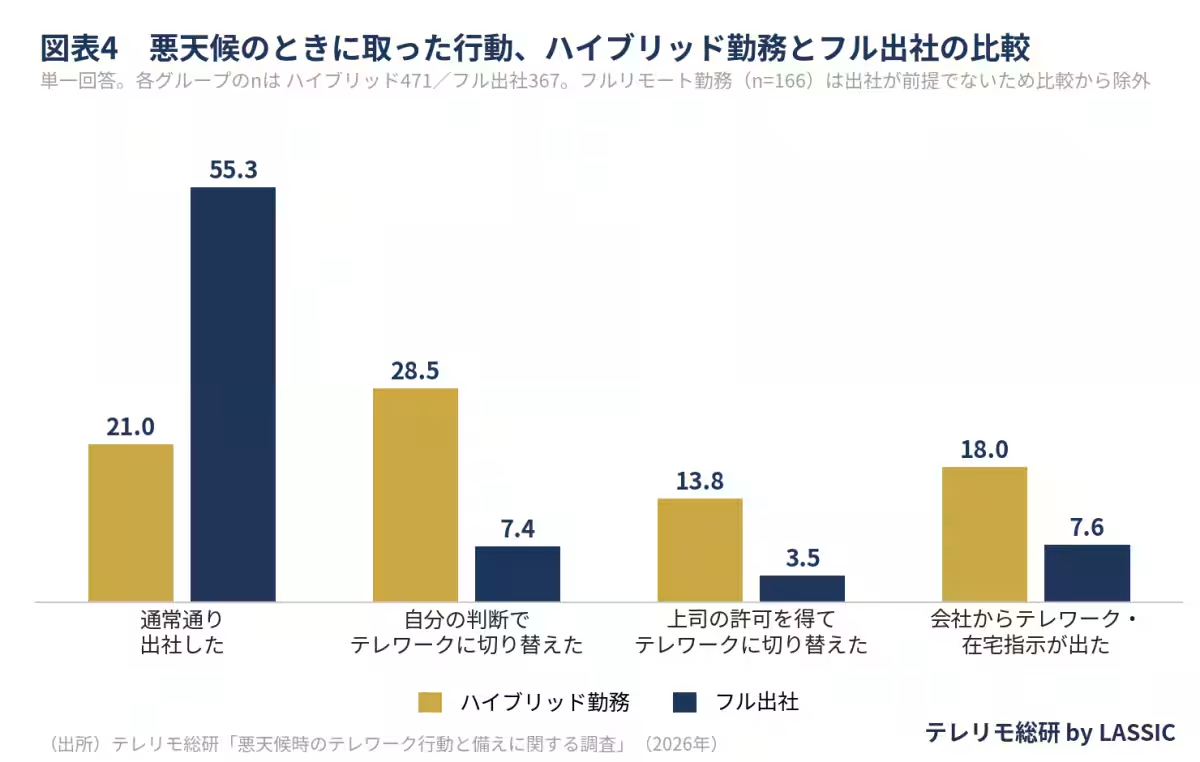
- - Interestingly, among full-time office workers (those with no telework flexibility), 55.3% still reported going to the office as usual during inclement weather. Only 7.4% of these individuals chose to telework based on personal decision, compared to 28.5% of hybrid workers who opted for telework.
Preparation Tips for Teleworking During Bad Weather
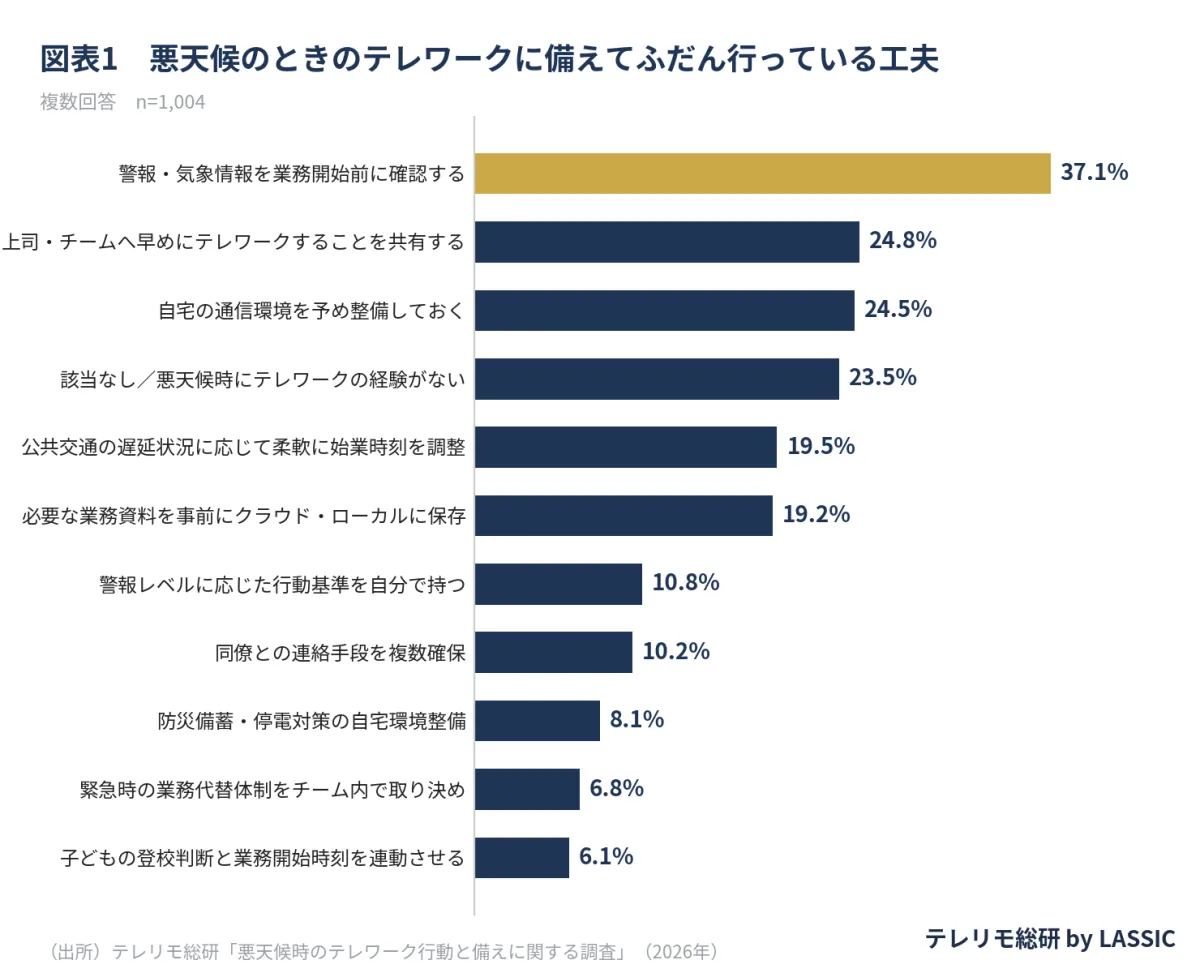
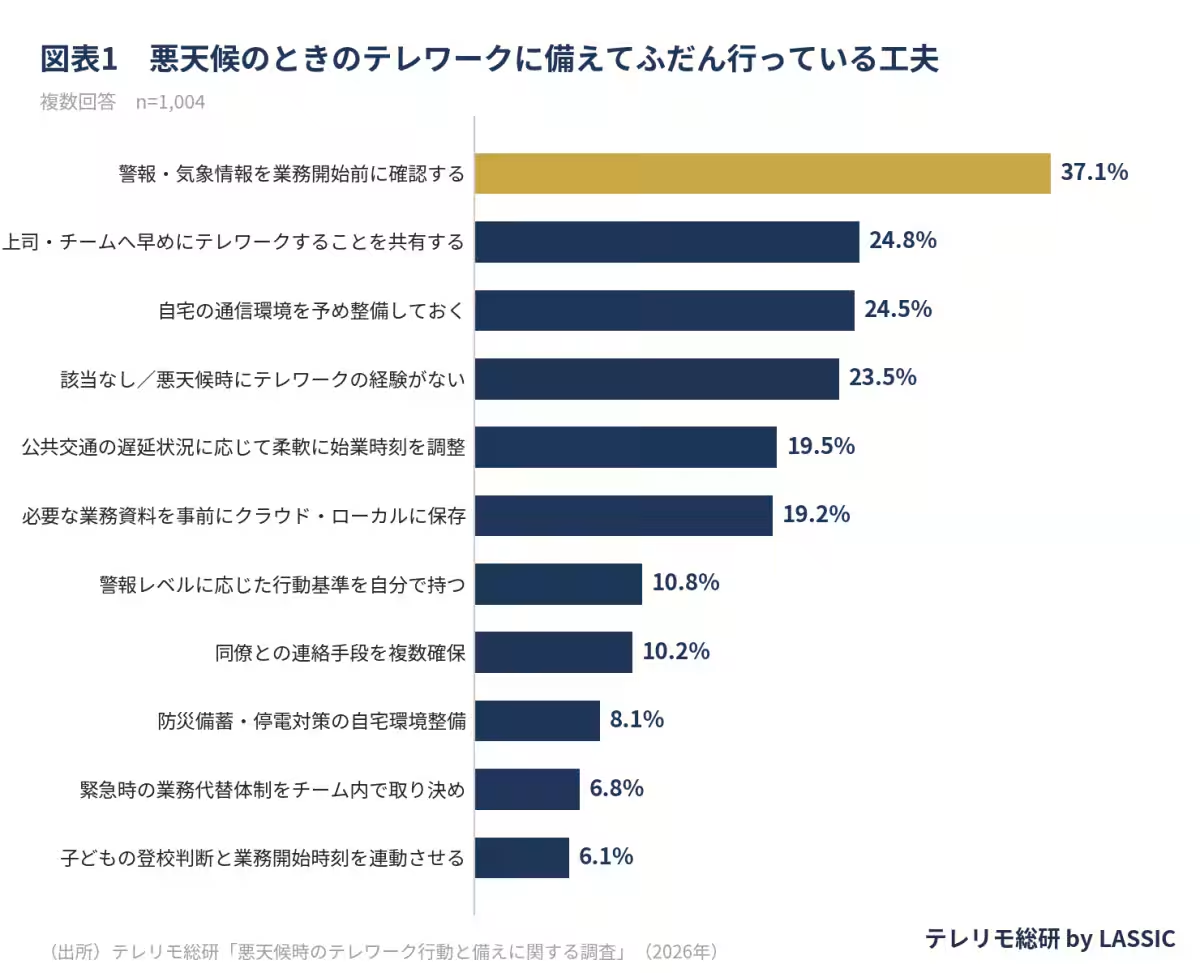
The survey also sought to uncover how workers prepared for teleworking during bad weather. A significant 37.1% reported checking weather alerts and information before the workday began. This was the most common preparatory action. The other two popular strategies involved:
- - Informing their supervisor or team members early about potential telework plans (24.8%).
- - Ensuring that their home internet connection was reliable ahead of time (24.5%).
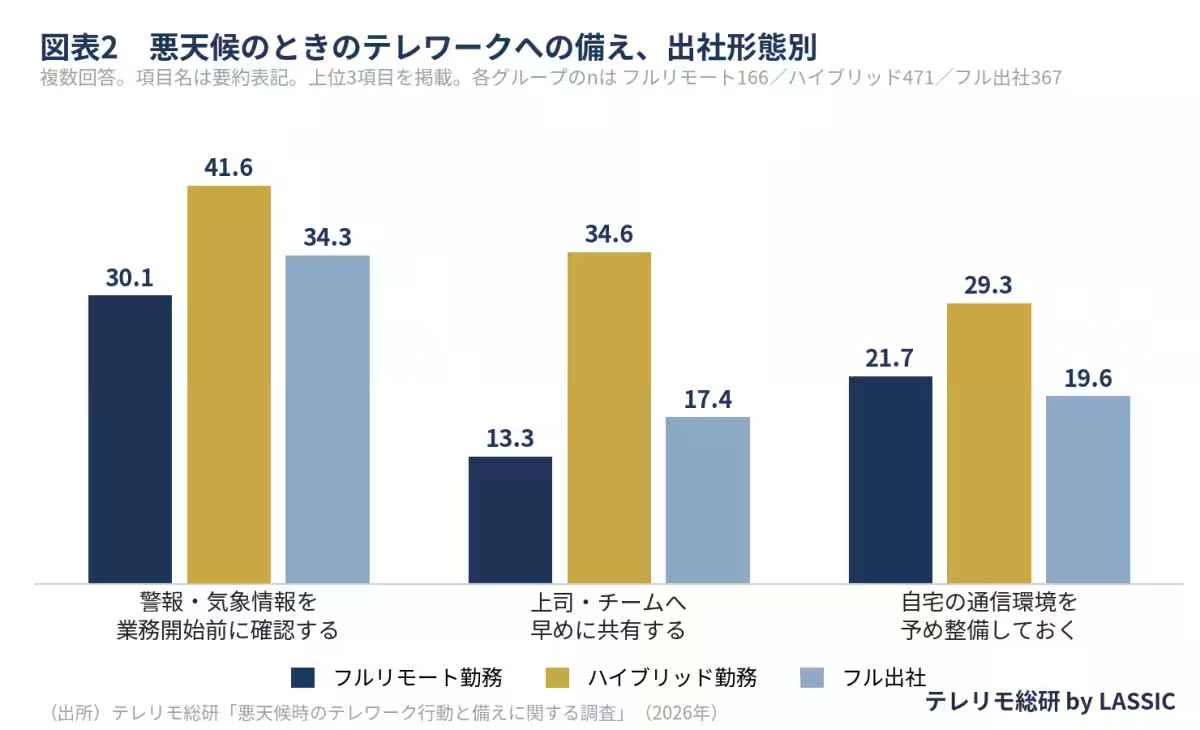
These responses were especially prominent among hybrid workers, highlighting a trend where individuals who split their time between home and the office were more likely to take proactive measures in preparation for bad weather.
Understanding Worker Behavior
In analyzing the actions taken during the past year of adverse weather, the survey offered a multifaceted view of professional behaviors. While most workers adhered to their usual office schedules, a significant portion showed adaptability and readiness to shift their work location based on environmental conditions. The adaptability was particularly pronounced among hybrid workers, displaying a greater inclination to switch to telework when needed.
Conclusion
Overall, the research from LASSIC reveals a substantial shift towards teleworking during adverse weather, indicating that more than half of the surveyed professionals are willing to avoid commuting when conditions are less than ideal. This transition showcases a growing acceptance of flexible work arrangements, encouraging businesses to adapt their policies to support telework as a viable option during inclement weather. As hybrid work continues to gain traction, understanding employee preferences and behaviors in response to environmental changes will be crucial for future workforce planning.
For more detailed insights and methodology, you can access the full report through the LASSIC website. Their commitment to promoting a more flexible work environment is helping reshape the way we perceive work-life balance in today's rapidly changing world.


Topics Business Technology)

【About Using Articles】
You can freely use the title and article content by linking to the page where the article is posted.
※ Images cannot be used.
【About Links】
Links are free to use.