



Challenges in Managing Shadow Purchases in Manufacturing and Construction Industries: A Study
Tackling Challenges in Controlling Shadow Purchases: Insights from Manufacturing and Construction Sectors
Introduction
In the landscape of manufacturing and construction, businesses often see a clear division in the management of direct and indirect material purchases. Direct materials, crucial for production costs and product quality, usually enjoy rigorous purchasing controls. However, indirect materials—such as tools, consumables, and IT equipment—often fall victim to lax oversight. This article delves into a survey conducted by Biznet, a leading company in procurement management, revealing the pressing issue of unregulated shadow purchasing in these industries and its implications on operational efficiency.
The Survey Overview
Biznet conducted a survey targeting 1,005 procurement representatives from the manufacturing and construction sectors to examine the state of indirect material purchasing. The survey aimed to understand the extent of purchasing controls and the challenges faced when it comes to indirect materials. The findings, particularly regarding shadow purchases, highlight a stark contrast between the management of direct and indirect procurement.
Findings: The State of Purchasing Controls
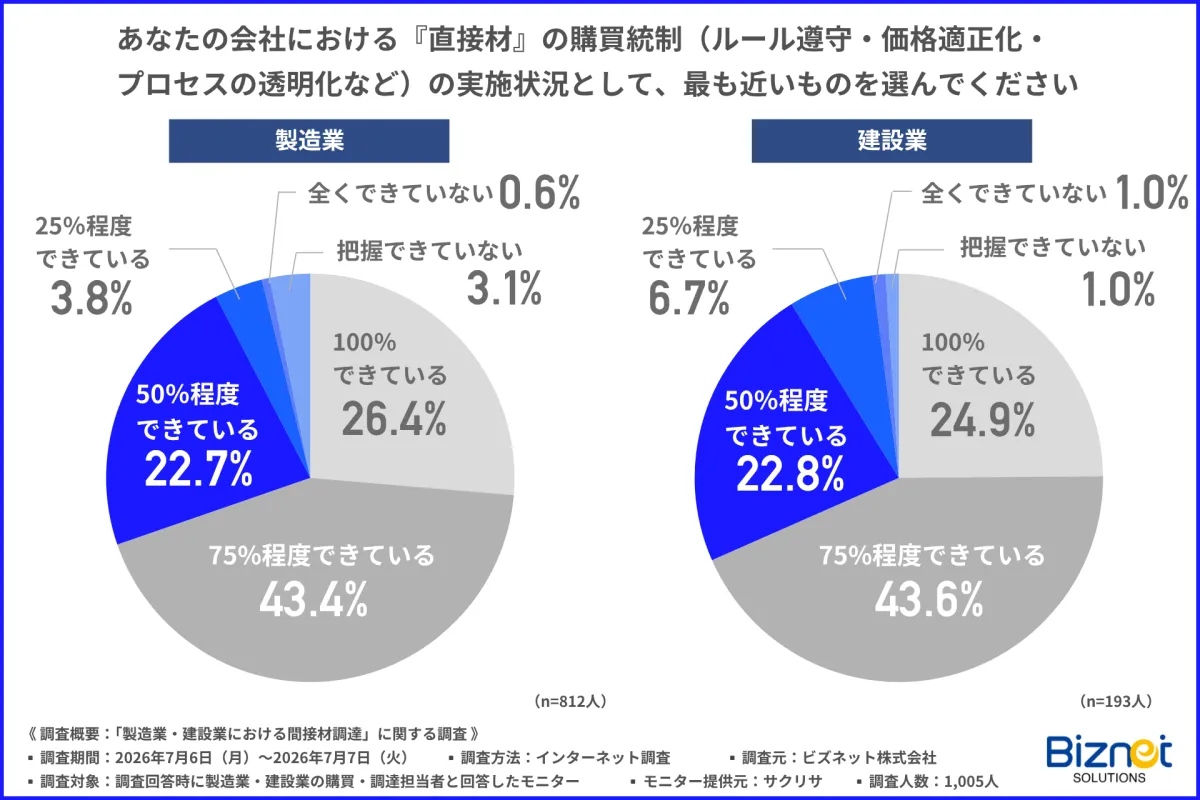
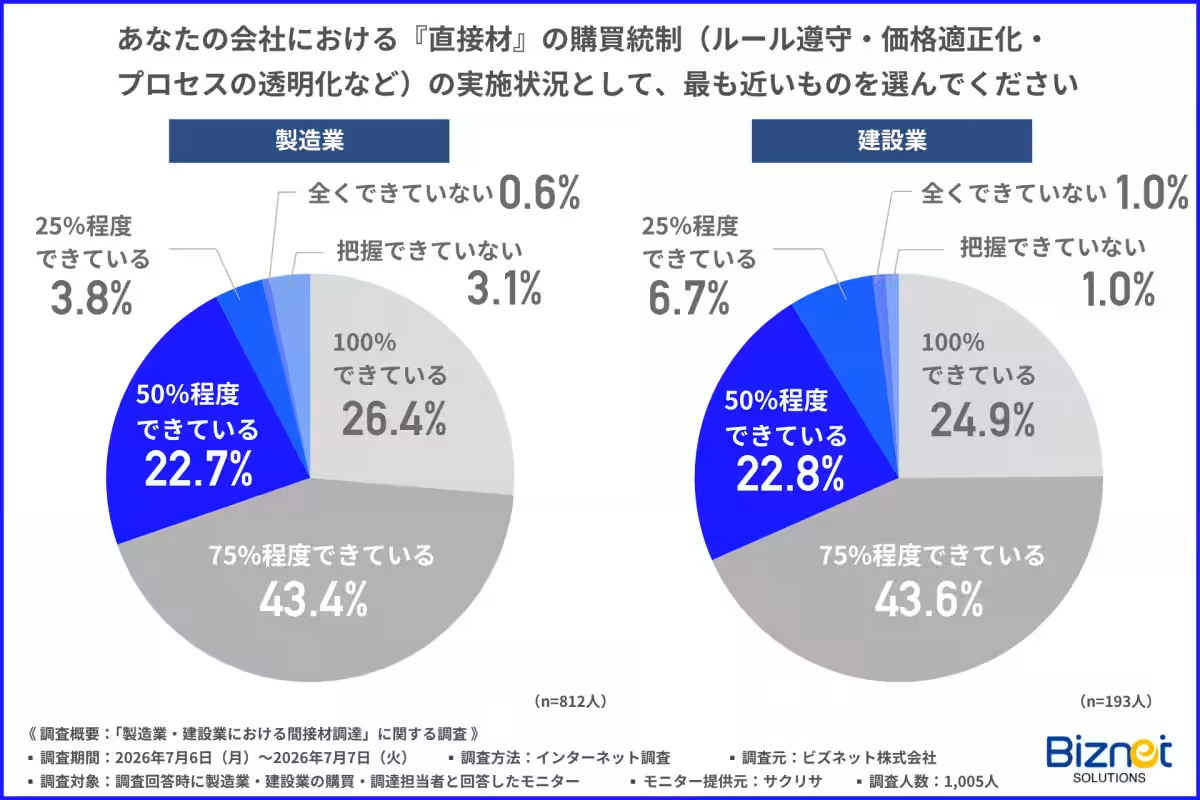
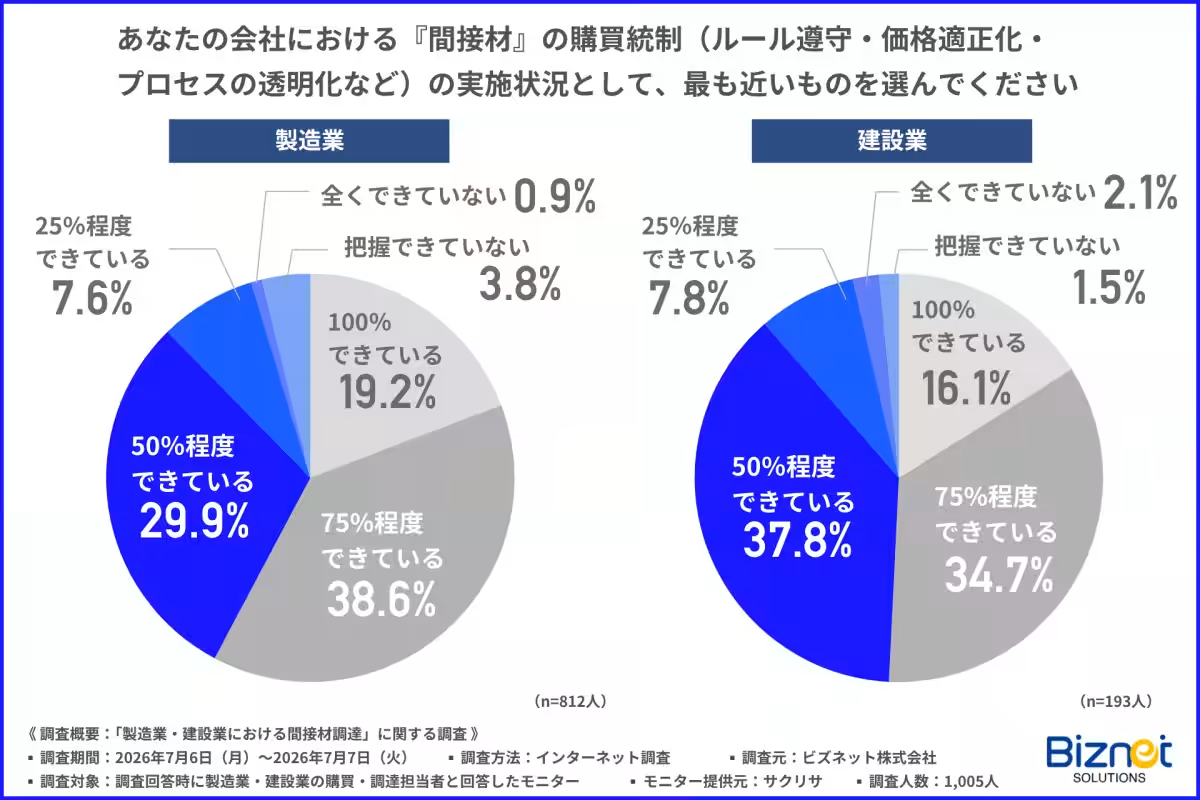
The results indicate a concerning trend: approximately 40-50% of indirect materials are not effectively controlled. While about 70% of respondents reported adequate controls over direct materials, the same sentiment was not echoed for indirect materials, where many decision-makers expressed frustration over the lack of oversight.
Reasons for Poor Control
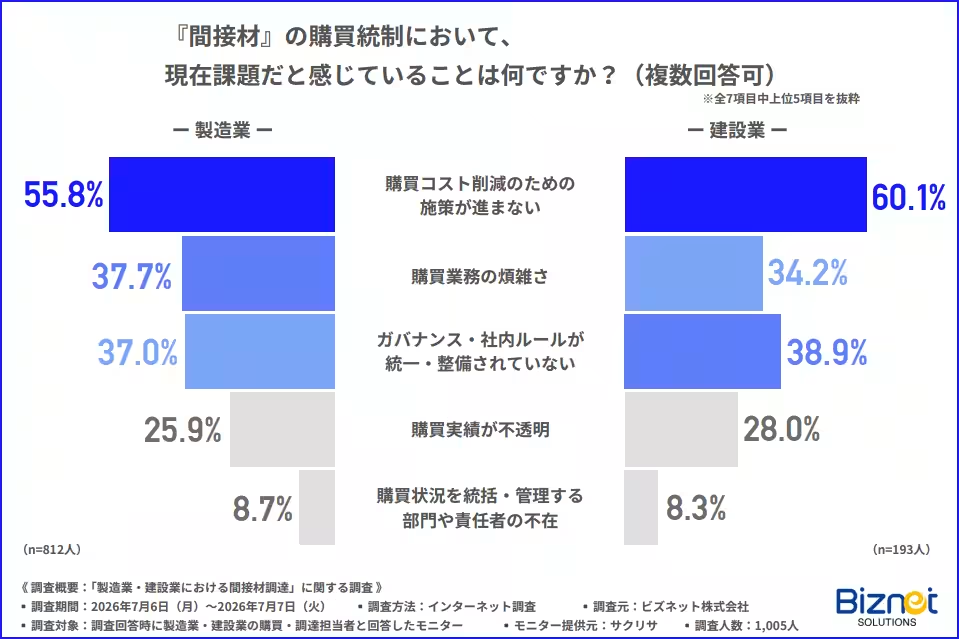
Many procurement officers identified a variety of barriers to effective management. A significant 60% of respondents cited that initiatives aimed at reducing purchasing costs were ineffective. Additionally, burdensome operational processes and unstandardized internal policies further convolute the purchasing landscape.
Procurement tasks are often executed via disparate e-commerce platforms, leading to inefficiencies in comparing prices and obtaining quotes. Consequently, employees are left juggling multiple systems rather than concentrating on core business functions. This lack of streamlined control contributes to the rise of shadow purchasing—unmonitored and accidental procurement that heightens overall costs.
The Perception of Importance
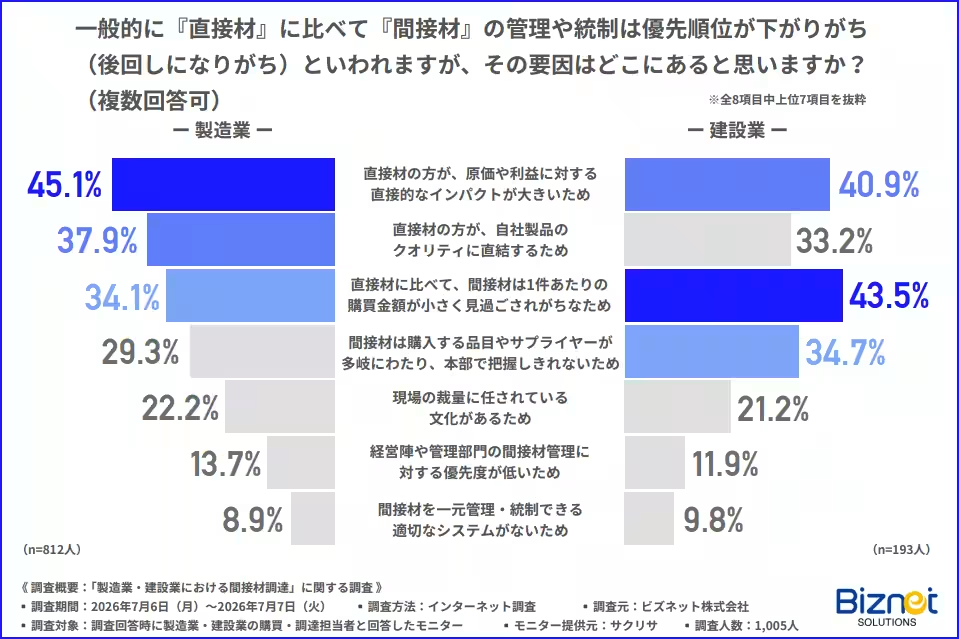
Interestingly, when participants were asked about the prioritization of direct versus indirect materials, responses varied. Many in the manufacturing sector emphasized that direct materials have direct implications on costs and profitability, thus warranting stringent control. Conversely, the construction industry often views individual indirect material purchases as minor transactions, resulting in them being underestimated or overlooked during procurement processes.
Real-Time Purchasing Practices
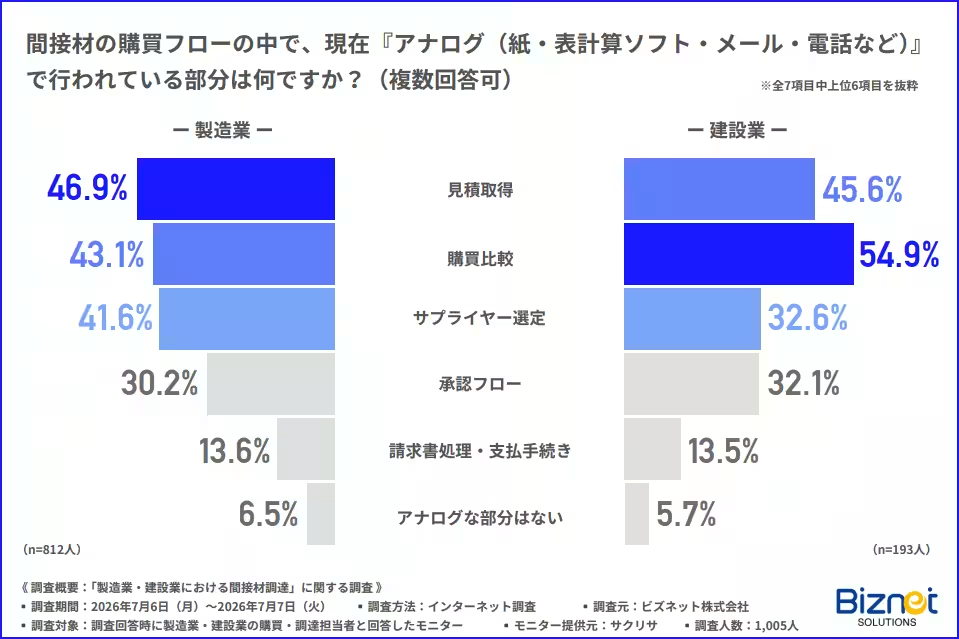
The survey further revealed that many businesses continue to rely on outdated methods in their purchasing processes. Tasks such as estimates collection and supplier selection remain prevalent in analog formats—paper documents, emails, and phone calls. This resistance to digital transformation reflects the underlying complexities and unique characteristics endemic to these industries.
For manufacturing, where specialized adjustments with suppliers are commonplace, existing workflows are often laden with manual processes. Meanwhile, construction frequently involves sporadic collection of supplies tailored to specific projects, perpetuating redundant analog operations.
Remaining Challenges with Existing Systems
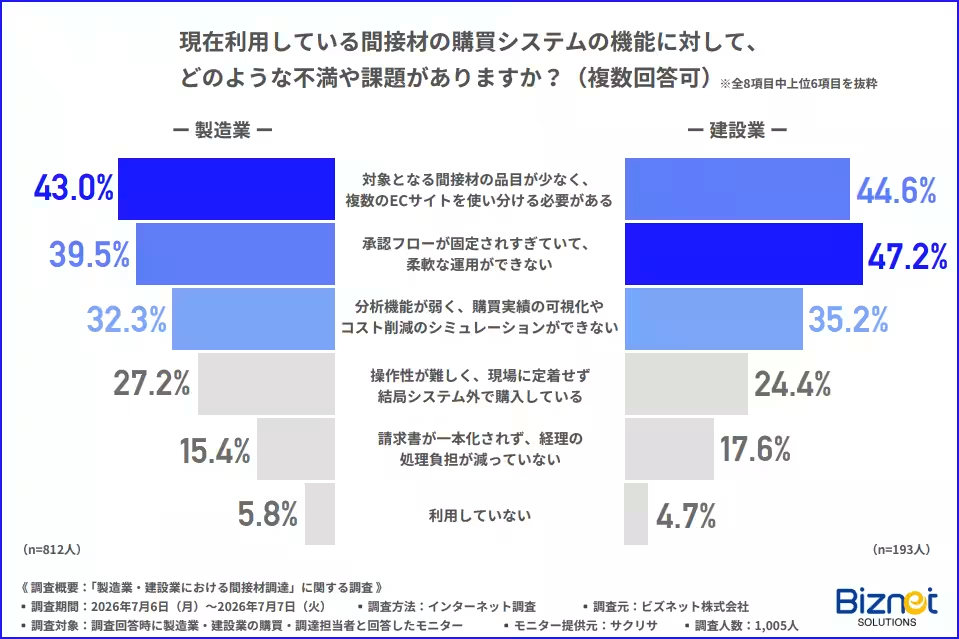
Despite advancements in purchasing technology, many firms expressed dissatisfaction with current systems. Issues include limited categories for indirect materials and inflexible approval workflows that are too rigid. Even firms that have adopted e-procurement systems find themselves facing challenges with inadequate supply offerings and weak analytic capabilities, which ultimately inhibit meaningful cost reduction and visibility.
The Need for Enhanced Features
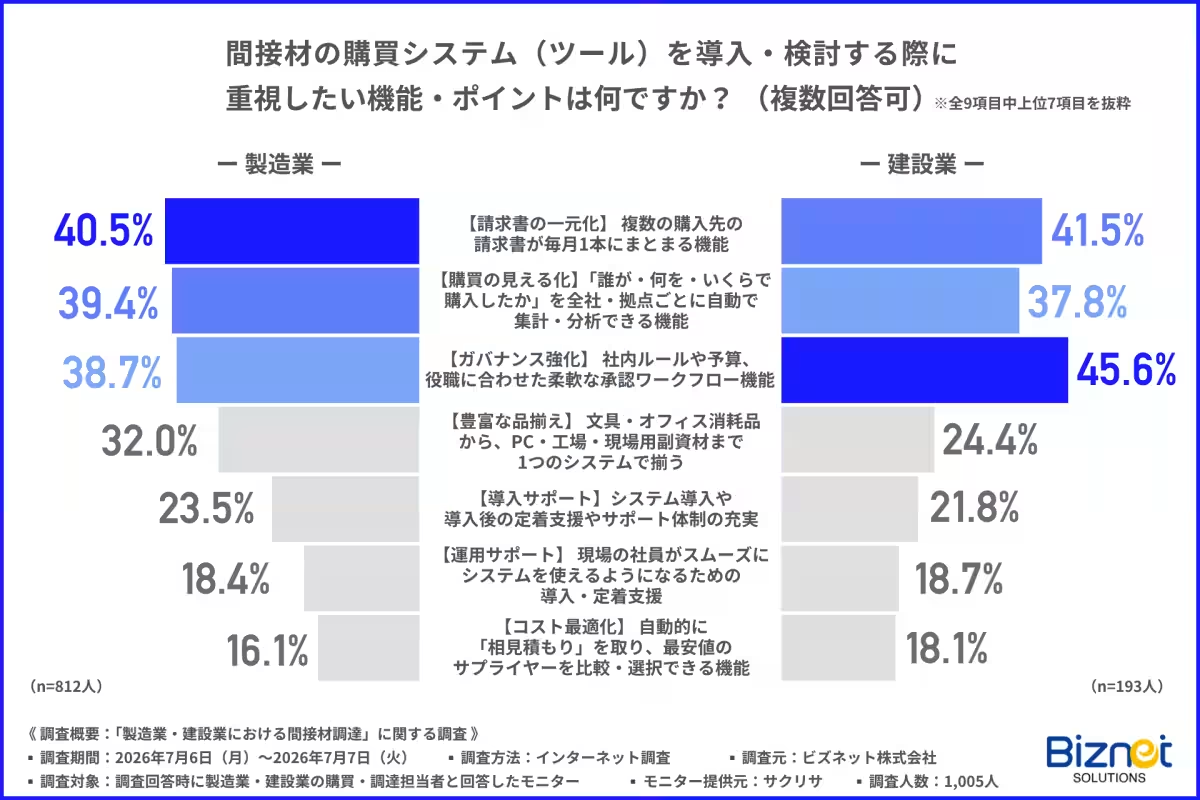
When participants were asked what features they deemed essential in a purchasing system, the responses pointed to a crucial need for invoice centralization, enhanced visibility into purchasing activities, and governance reinforcement—confirming the desire for systems that adapt flexibly to their operational needs.
The Path Forward: Making Purchases More Efficient
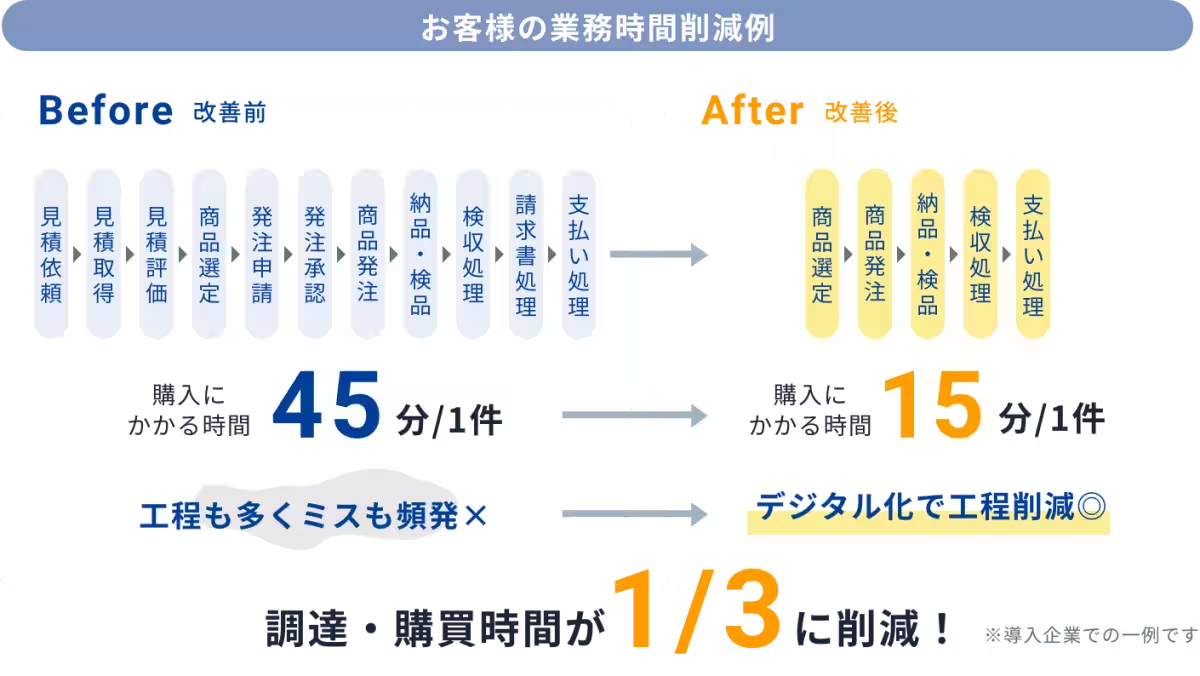
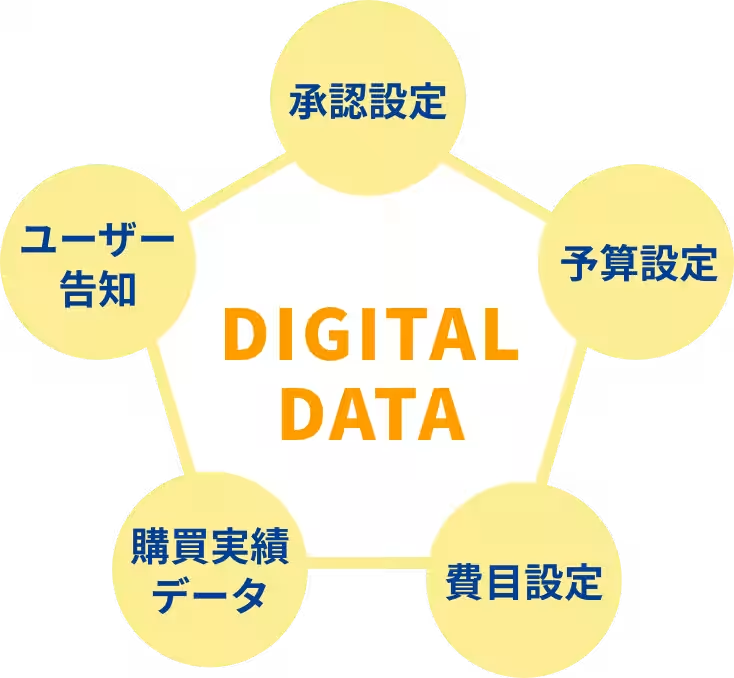
This survey has clearly illustrated the ongoing struggles within the procurement domain of manufacturing and construction. The future of indirect material purchasing must embrace integrated systems that streamline workflows. Businesses need a platform that automates invoice handling, aggregates purchasing data for clear visibility, and customizes approval paths reflecting corporate standards.
Reflecting on the nuances of indirect procurement, it is evident that addressing shadow purchasing and analog processes is not just about improving administrative efficiency; it's also about enhancing governance and uncovering hidden costs.
Conclusion
In conclusion, the findings confirm that while direct materials are often prioritized due to their significant impact on production, the management of indirect materials cannot be overlooked. Addressing shortcomings in indirect material purchasing is vital to optimizing operational costs and fostering a productive work environment. Systems need to evolve to facilitate comprehensive transparency in purchases, ultimately strengthening an organization’s governance and contributing positively to their bottom line.
To learn more about the procurement management solutions offered by Biznet, which can streamline your purchasing processes significantly, visit their website.

Topics Business Technology)
【About Using Articles】
You can freely use the title and article content by linking to the page where the article is posted.
※ Images cannot be used.
【About Links】
Links are free to use.