



Investment Fraud Research Shows Alarming Rise Among Victims: Phone Scams Surpass Social Media
Understanding the Rise of Investment Fraud in Japan
Introduction
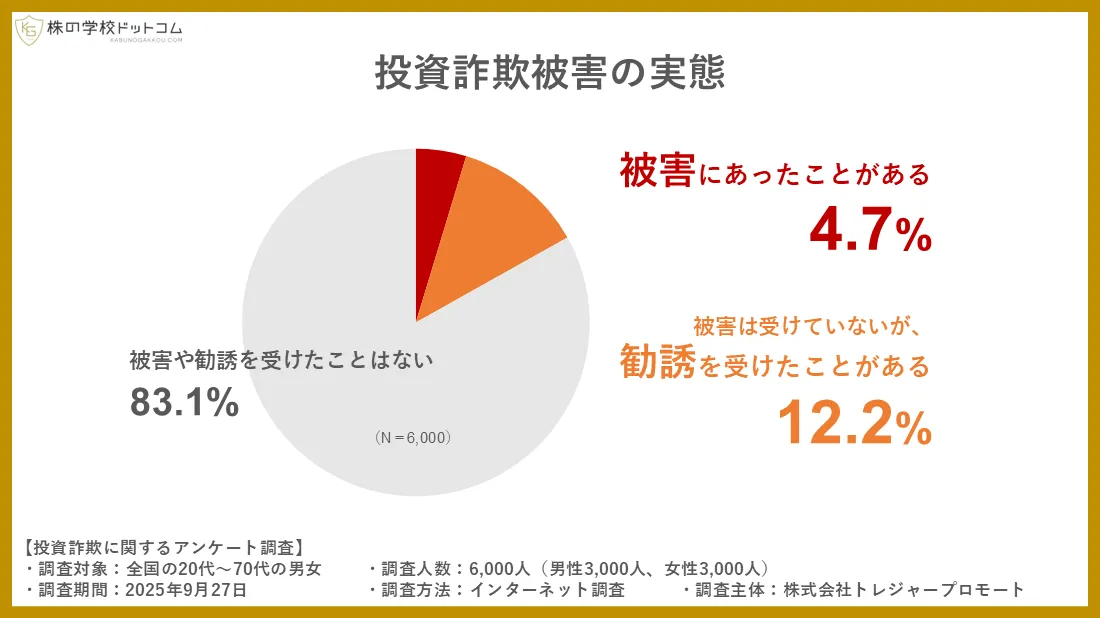
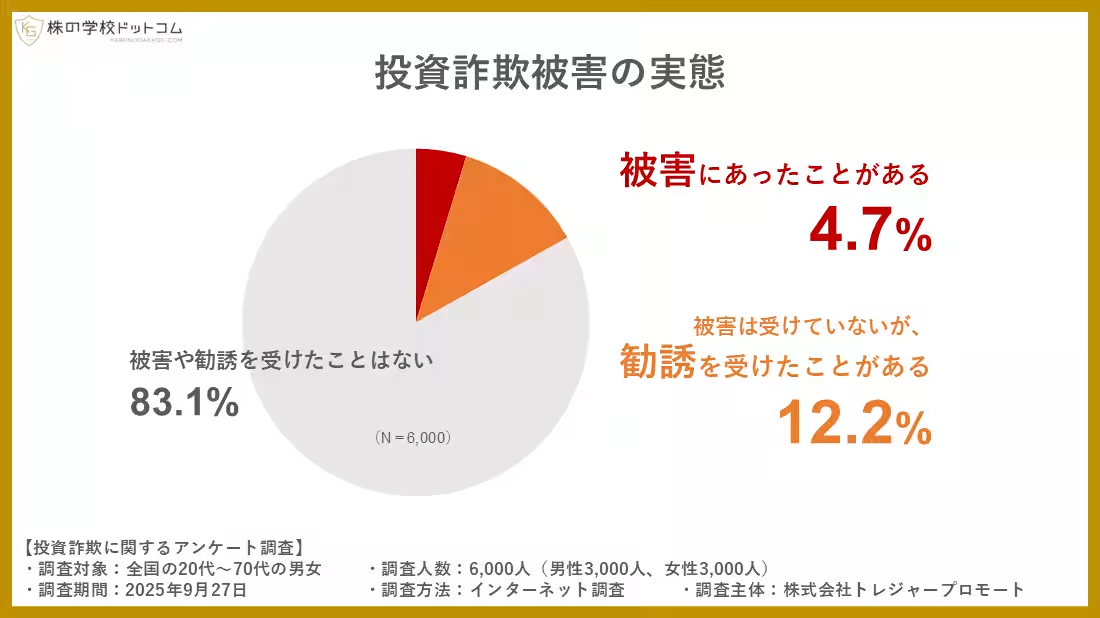
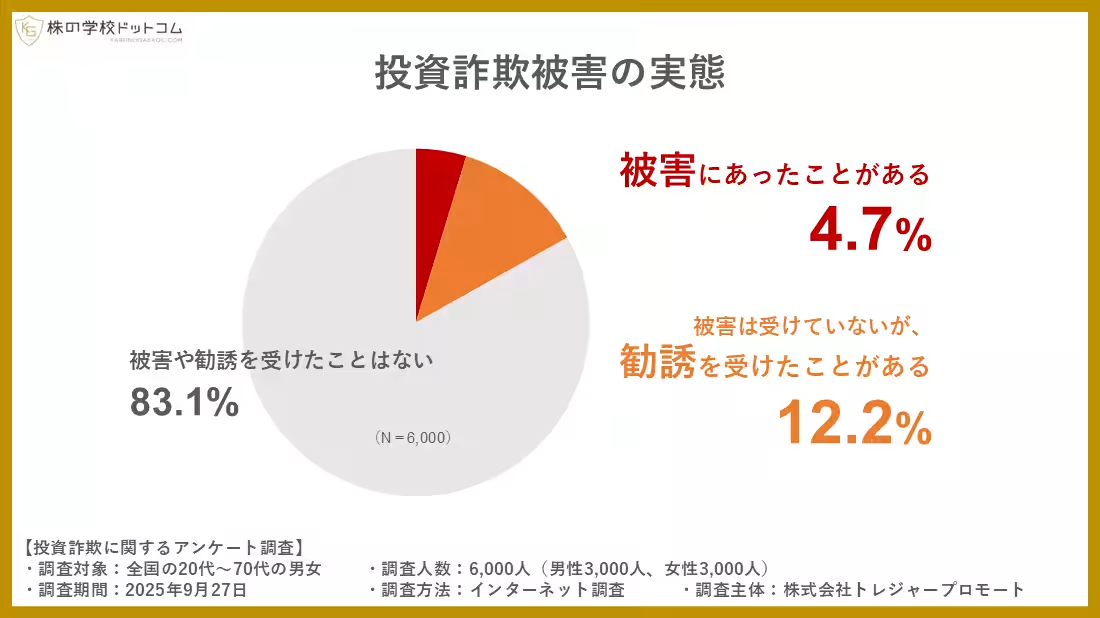
In a recent annual survey conducted by Kabunogakkou (株の学校ドットコム), a prominent online stock school operated by Treasure Promote Inc., the prevalence of investment fraud in Japan has alarmingly increased. The study, which sampled 6,000 individuals aged between their 20s to 70s, reveals a startling statistic: 4.7% of respondents have fallen victim to investment scams. With 16.9% of individuals reporting some form of contact with investment fraud, the findings suggest that this issue is becoming increasingly severe.
Survey Overview
- - Survey Participants: 6,000 individuals (3,000 men, 3,000 women) across Japan.
- - Timeframe: Conducted from September 27, 2025.
- - Method: Internet-based survey managed by Treasure Promote Inc.
The ongoing increase in the rate of investment fraud encounters indicates growing vulnerabilities amongst the population, especially amidst rapid advancements in communication technology.
Key Findings
Increasing Encounter Rate
From the findings, 12.2% of respondents admitted to having been solicited for investments without experiencing monetary loss. Overall, the total encounter rate for investment fraud reached 16.9%, suggesting that nearly one in six participants has faced attempts at investment scams.
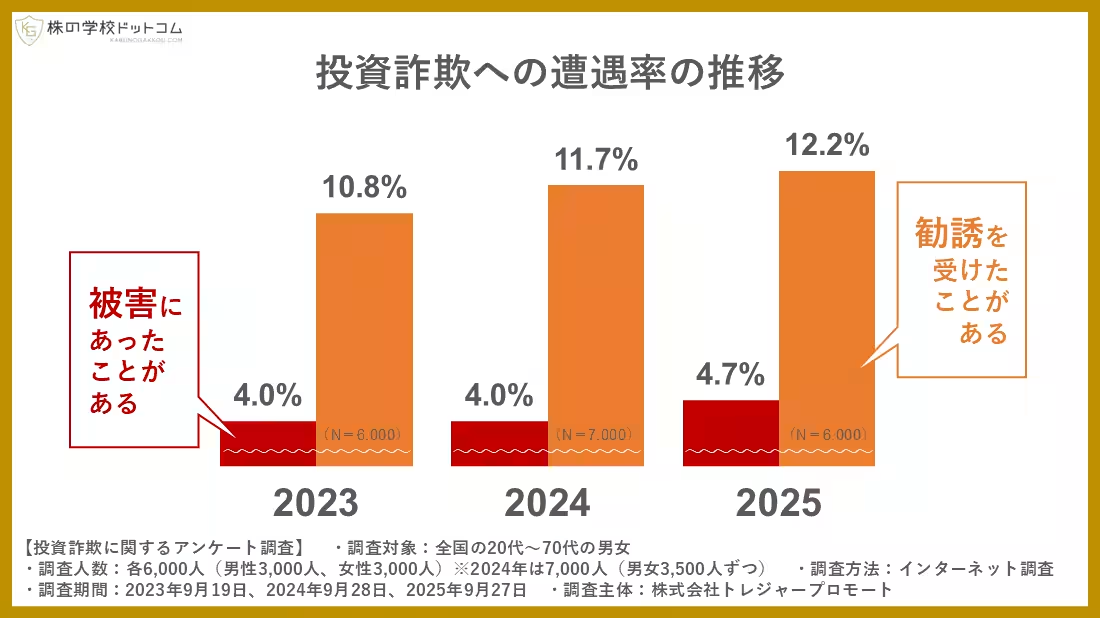
- - Historical Data: In comparison to previous years, the encounter rate rose from 14.8% in 2023 to 15.7% in 2024, and further to 16.9% in 2025, indicating a troubling trend of increasing fraud attempts.
Method of Fraud
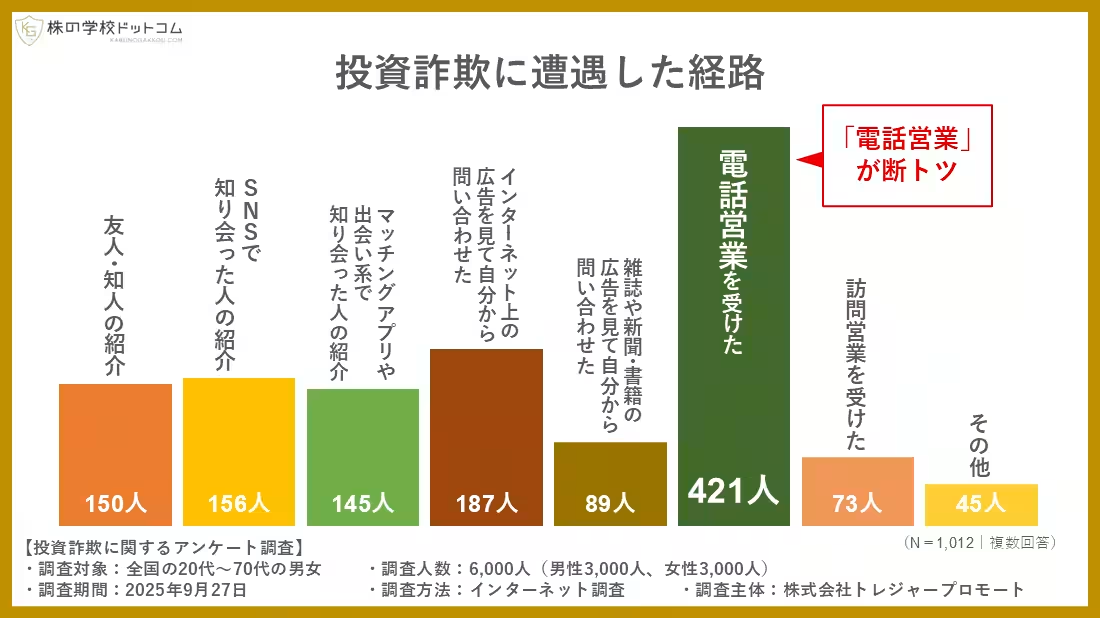
Interestingly, the study identified that telephone solicitations emerged as the leading method for investment scams, with over 41.6% of respondents citing it as their primary encounter vehicle. This figure is notably higher than other channels such as:
- - Internet ads: 18.5%
- - Introductions via SNS: 15.4%
- - Referrals through friends: 14.8%
This stark contrast emphasizes the importance of vigilance regarding unsolicited phone calls, which can often conceal deceptive practices.
Types of Investments Targeted
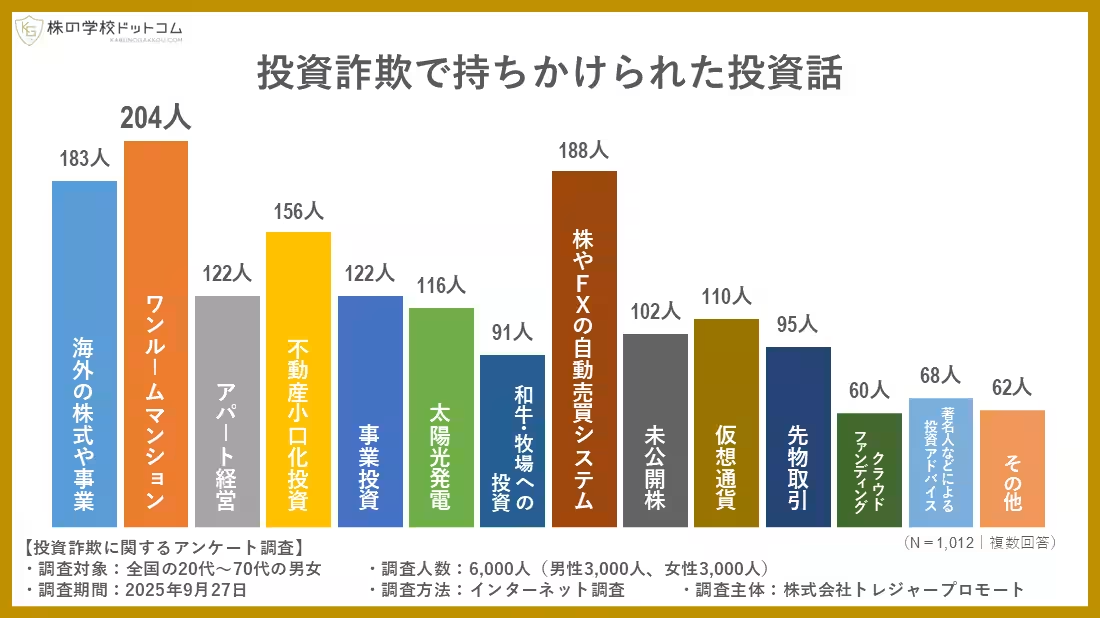
When asked about the nature of fraudulent schemes pitched to them, respondents identified several common themes:
- - One-room apartments: 20.2% of encounters involved this type of investment solicitation, marking it as the most frequently reported scam.
- - Automatic trading systems for stocks and FX: 18.6% reported being approached with these schemes.
- - Overseas stocks and investments: 18.1% of respondents were targeted with offers related to international investments.
Personal Accounts from Victims
The study collected various testimonials which highlight the tactics employed by fraudsters:
- - A 26-year-old female recounted an experience involving a dating app, where she was groomed into a scam under the pretense of investment security and future assurances.
- - Another male participant, aged 29, received promises of guaranteed returns via a messaging application, leading to an eventual financial mishap.
- - Particularly revealing was a narrative from a 70-year-old man who was tricked into increasing his investment, only to face fees and blocked withdrawals when he attempted to access his funds.
Current Landscape of Investment Fraud
Despite the growing concerns over fraud via social media—which had peaked at over 1,000 reported cases with losses exceeding 14.1 billion yen just this past August—telephone scams continue to outpace these digital encounters. Kabunogakkou emphasizes that while modern internet advertisements and social platforms are important to scrutinize, traditional phone encounters should not be underestimated.
Prevention Strategies
Staying informed and aware of tactics utilized by fraudsters is essential to personal investment security. Educational resources provided by Kabunogakkou aim to equip individuals with the necessary knowledge to differentiate between legitimate opportunities and scams. The continuous rise in documented fraud incidents serves as a wake-up call for consumers to be steadfastly cautious during their investment journeys.
Conclusion
Investment fraud is an ever-present threat in the financial landscape. By learning from these trends and victim experiences, individuals can better safeguard their investments. The commitment by Kabunogakkou to provide educational insights plays a crucial role in promoting a well-informed investment community, reducing the risk of falling prey to such fraudulent schemes.
About Kabunogakkou: Founded in 2005, Kabunogakkou offers a wide range of investment education services aimed at enhancing financial literacy among the public, helping them navigate the complex world of investments with confidence.
Topics Financial Services & Investing)
【About Using Articles】
You can freely use the title and article content by linking to the page where the article is posted.
※ Images cannot be used.
【About Links】
Links are free to use.