




Understanding Brain Fatigue and Sleep Issues in the Information Age
Examining the Reality of Brain Fatigue in the Information Overload Era
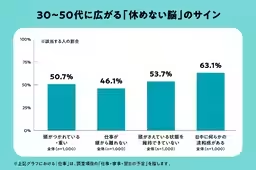
On July 22, known as World Brain Day, Advanced Medical Care, a group company of Resort Trust, conducted a nationwide survey focused on brain fatigue and sleep among men and women aged 30 to 59. With a sample size of 1,000 participants, the survey aimed to shed light on how modern information overload is impacting brain health and how this correlates with sleep quality.
In a world where smartphones, PCs, chat tools, and social media are omnipresent, individuals find themselves constantly inundated with information, even during weekends and before bedtime. As a result, many are left with their minds unable to switch off, experiencing what can be termed as 'non-resting brains.'
Key Findings
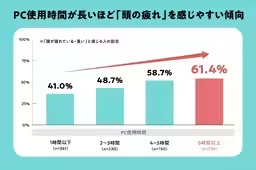
1. High Levels of Brain Fatigue: The survey results revealed that over 50% of respondents in their 30s to 50s reported feeling that their heads are tired or heavy. A staggering 61.4% of those who use PCs for more than six hours a day felt significant brain fatigue, underscoring the reality that prolonged digital engagement contributes to cognitive strain.
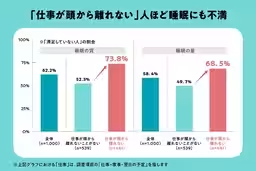
2. Impact on Sleep Quality: Of the individuals who reported their minds could not detach from work, approximately 74% expressed dissatisfaction with their sleep quality. Sleep is crucial for cognitive restoration; however, a lack of mental downtime can substantially impair one's ability to achieve restful sleep.
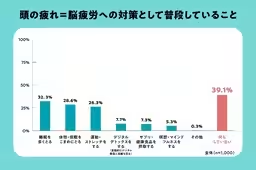
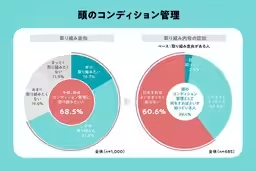
3. Disconnection Between Awareness and Action: Despite the acknowledged struggle with brain fatigue, nearly 39.1% of participants reported not taking any measures to alleviate their symptoms. Many expressed a desire to manage their brain condition but felt uncertain on how to implement effective strategies. Among those interested in improving their brain health, about 60.6% were oblivious to how to tackle these issues.
Health Risks Associated with Neglecting Brain Fatigue
The implications of ignoring brain fatigue can be alarming, especially in terms of productivity and mental health. Recent studies indicate that the state of cognitive fatigue can lead to slower reaction times in attention tests, an increase in errors, and diminished memory performance. This, in turn, may lead to a decline in overall daytime productivity, suggesting that the reflex to push through mental discomfort can be detrimental.
The Role of Sleep in Brain Health
Dr. Junichi Taguchi, the director of Midtown Clinic, explains that cognitive fatigue signals the brain's need for restoration. Sleep plays an essential role in clearing waste products generated during the day, facilitated by a system called the glymphatic system. When this system is disrupted due to poor sleep quality or quantity, the brain becomes overrun with waste, leading to intensified feelings of fatigue and impaired cognitive function.
To preserve both present and future cognitive well-being, it is vital to establish healthy sleep habits. Current data from OECD indicates that Japan ranks among countries with the shortest average sleep duration, highlighting a critical public health issue that requires attention.
Practical Tips for Better Sleep
As the weather heats up, it’s essential to maintain optimal conditions for relaxation. Recommendations include set-room temperatures around 26-28°C and utilizing breathable bedding to enhance comfort. Ignoring the heat can not only deprive individuals of quality sleep but may also result in symptoms of heat stress that further impair cognitive function.
As we navigate an era characterized by information saturation, recognizing the signs of cognitive fatigue and establishing healthy sleep practices to mitigate these effects is crucial. Attuned awareness of our brain's needs ensures not only improved performance today but also lays the groundwork for lasting cognitive health in the future.


Topics Health)









【About Using Articles】
You can freely use the title and article content by linking to the page where the article is posted.
※ Images cannot be used.
【About Links】
Links are free to use.