



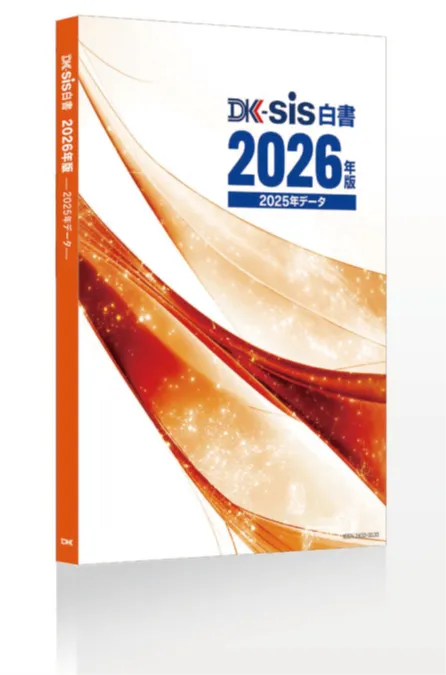
Daikoku Electric Publishes DK-SIS White Paper 2026 with 2025 Data to Boost Gaming Industry Insights
Daikoku Electric Unveils DK-SIS White Paper 2026
Daikoku Electric Co., Ltd., a leading provider of computer systems dedicated to Pachinko halls, has recently announced the publication of its highly anticipated "DK-SIS White Paper 2026 - 2025 Data". This event took place on July 15, 2026, at the Tokyo Dome Hotel in Bunkyo, Tokyo. The DK-SIS White Paper stands as the industry’s sole comprehensive data book, crafted through extensive data collection and analysis by Daikoku Electric, which possesses the largest database in the gaming sector. The annual publication has surpassed an impressive circulation of 50,000 copies, serving as an essential tool for industry stakeholders in shaping business strategies and making informed decisions.
Scheduled for general release on July 27, 2026, interested parties can place their orders via the official Daikoku Electric website.
Overview of the DK-SIS White Paper 2026
The DK-SIS White Paper provides an in-depth analysis of the continuously shifting landscape of the Pachinko industry. It draws insights from data contributed by member venues, illustrating current industry conditions and projecting future trends. The forthcoming edition marks the 23rd installment and will feature a groundbreaking estimation of the Pachinko and Pachislot player population, the first such estimate in 17 years.
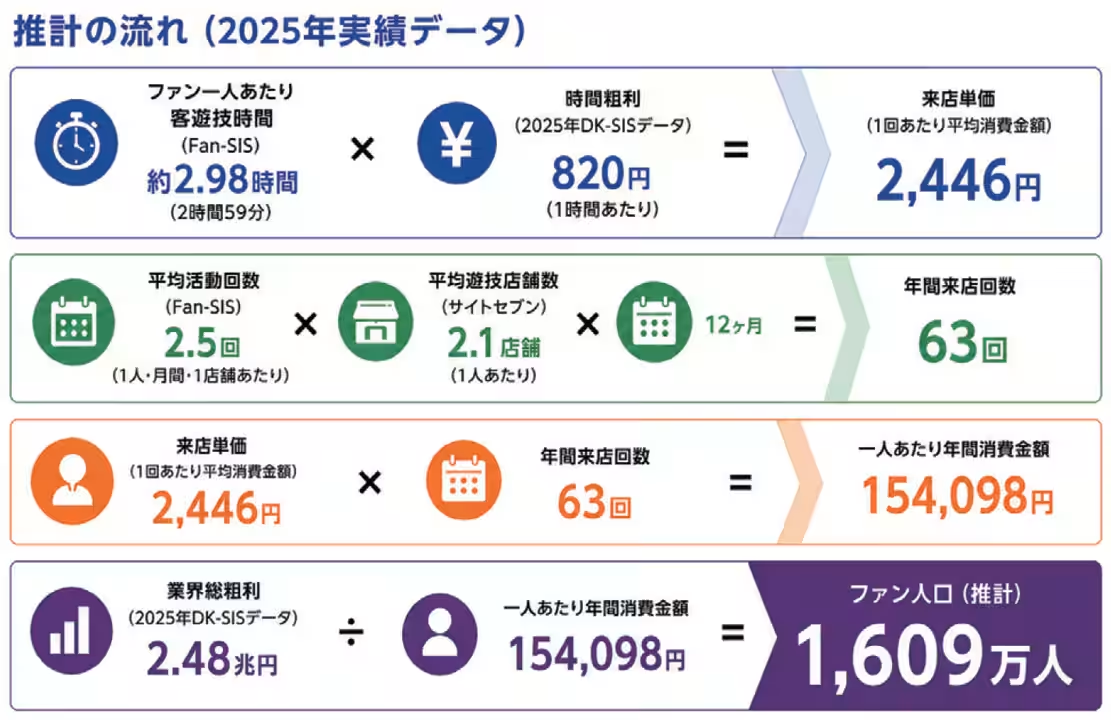
This estimation, derived from actual gameplay data utilizing systems like DK-SIS, Fan-SIS, and Site Seven - all linked to player activity - indicates that about 16.09 million individuals participate in these games. This figure represents roughly 15% of Japan's population aged 18 and over. Remarkably, it suggests that approximately 1 in 6.6 adults actively engages in Pachinko, underscoring its status as a widely accessible form of entertainment.
While it's evident that the number of participants has declined from its historical highs, the current estimate demonstrates that the industry boasts a robust clientele base of around 16 million players. Furthermore, challenges regarding market sustainability have been raised, particularly concerning the notion that a mere core group of avid players supports the industry. However, the company's findings indicate a presence of
Topics Business Technology)
【About Using Articles】
You can freely use the title and article content by linking to the page where the article is posted.
※ Images cannot be used.
【About Links】
Links are free to use.