



JAL Submits Application for Revised International Cargo Fuel Surcharge
JAL Submits International Cargo Fuel Surcharge Application
On March 23, 2026, Japan Airlines (JAL) informed the Ministry of Land, Infrastructure, Transport and Tourism about their plans to implement adjustments to the international cargo fuel surcharge effective April 1, 2026. This step comes as part of regular updates JAL makes to its surcharge structure based on changes in market conditions.
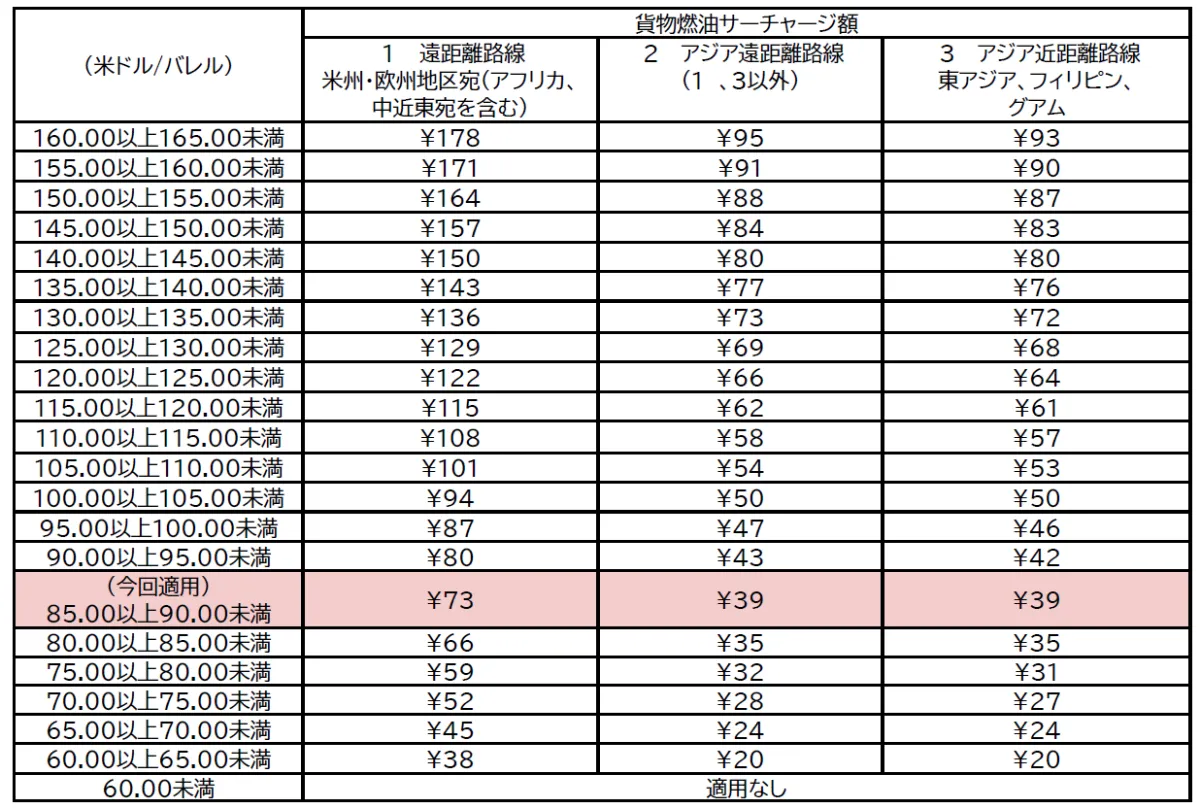
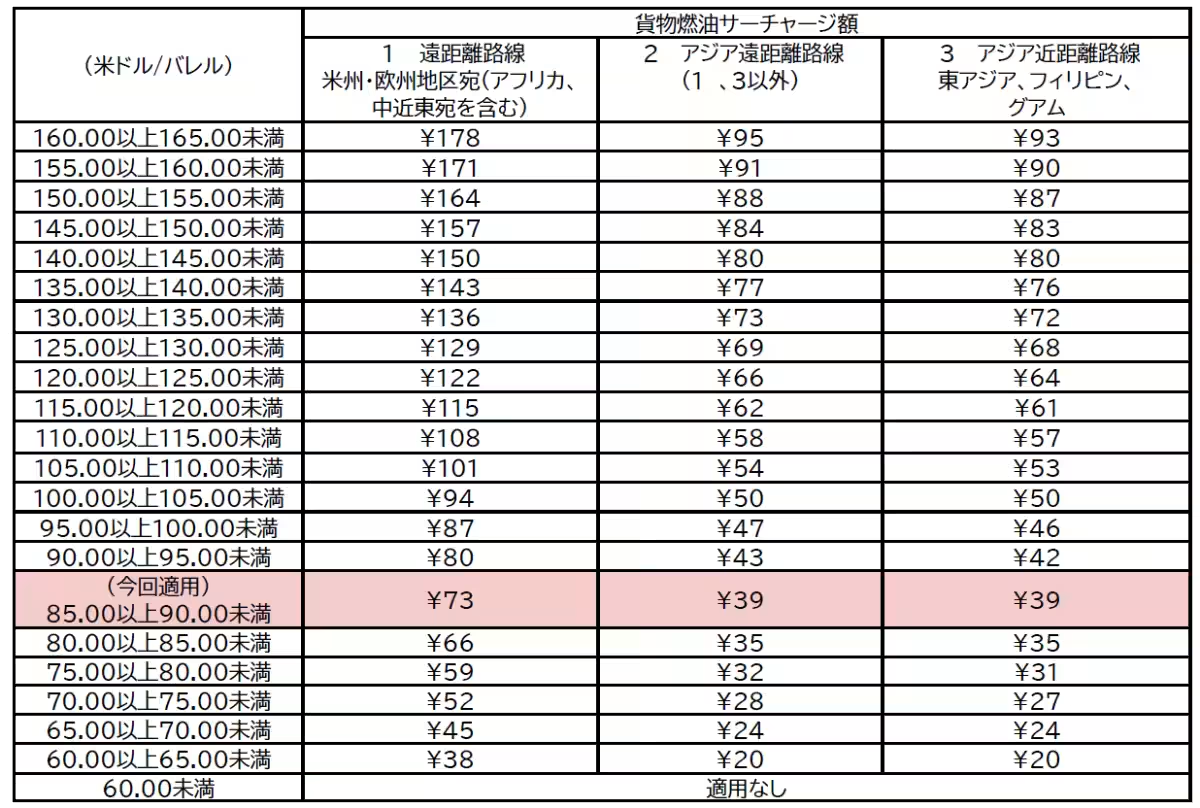
The adjustment is based on the average price of jet fuel in February 2025, which stood at $88.91 per barrel. In light of this figure, the airline will set the fuel index price between $85.00 and $90.00. Consequently, the updated surcharge rates are as follows:
- - 73 yen per kg for long-distance routes to North and South America and Europe
- - 39 yen per kg for long-distance routes to Asia
- - 39 yen per kg for short-distance routes within Asia
This new pricing structure is designed to reflect current market conditions more accurately, allowing JAL to better manage the fluctuating costs associated with fuel, which can significantly impact operational expenses. The airline aims to keep their customers informed and up-to-date as they navigate these changes.
Moreover, JAL will conduct a review of the fuel surcharge on a monthly basis. This regular adjustment is intended to adapt to ongoing shifts in the cost of jet fuel, ensuring that the surcharges reflect the costs that JAL incurs in real-time. Starting April 2026, the fuel surcharge for cargo will be determined based on the average price of kerosene traded in Singapore during the month two months prior.
The adjustment and application of these surcharges have significant implications for shippers who rely on JAL for transporting goods internationally. Given the global nature of commerce, fluctuations in fuel surcharges can greatly affect logistics budgets, and businesses are placing increasing importance on understanding these costs in their shipping strategies.
This proactive approach by JAL not only aligns with international standards but also signifies the carrier’s commitment to transparency and responsibility in their operations. Shippers will need to factor in this revised surcharge when planning their logistics, highlighting the importance of staying informed about such changes in the aviation market.
In conclusion, the adjustment in the cargo fuel surcharge set by Japan Airlines is a crucial step for both the airline and its customers. It reflects broader trends in the aviation fuel market and ensures that the pricing structure remains sustainable amid ongoing price fluctuations. As businesses adjust their shipping strategies accordingly, JAL aims to provide reliable service in a changing economic landscape.
Topics Consumer Products & Retail)







【About Using Articles】
You can freely use the title and article content by linking to the page where the article is posted.
※ Images cannot be used.
【About Links】
Links are free to use.