



Understanding How Face Masks Affect Skin for Hay Fever Sufferers
The Impact of Masks on Skin Conditions in Hay Fever Patients
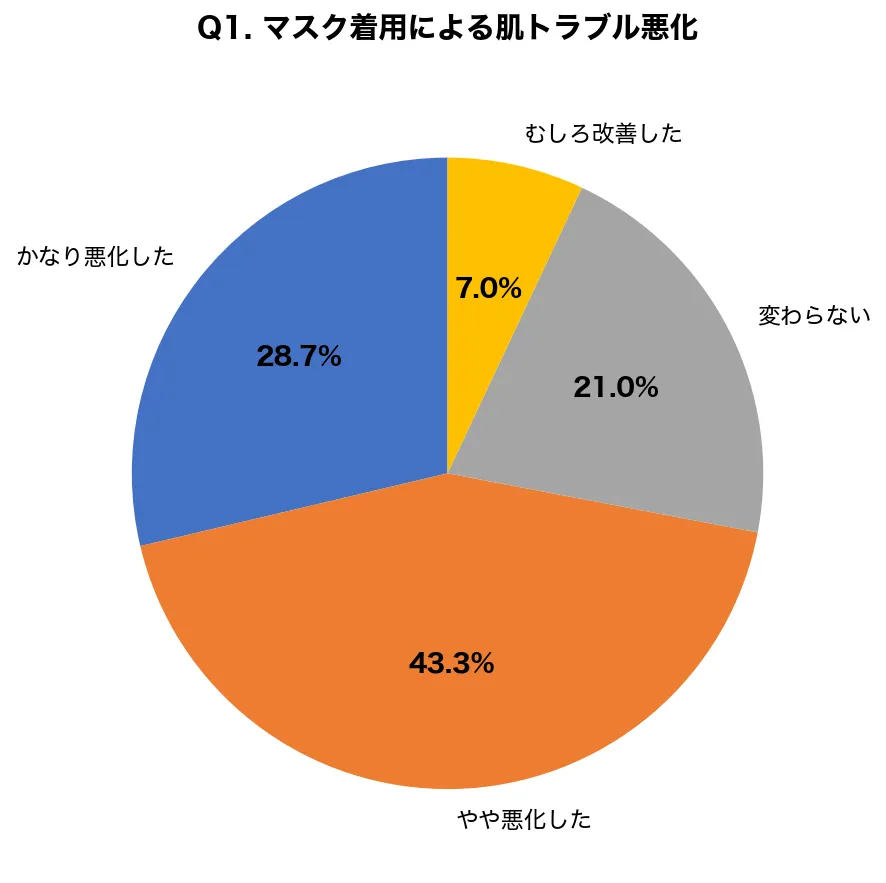
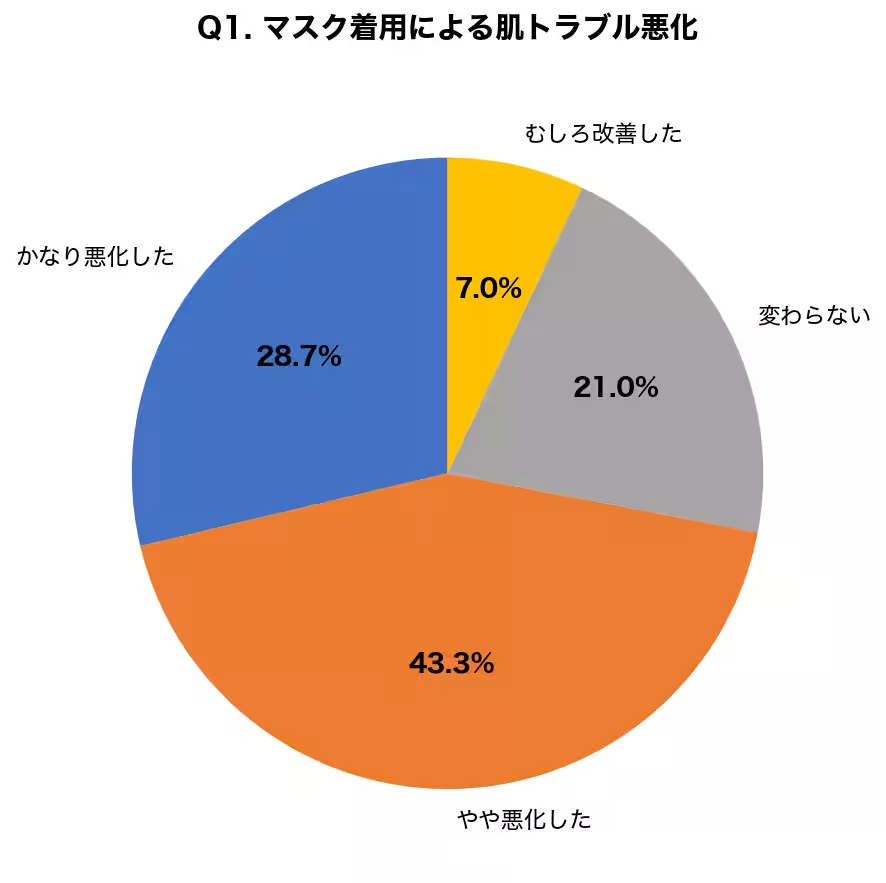
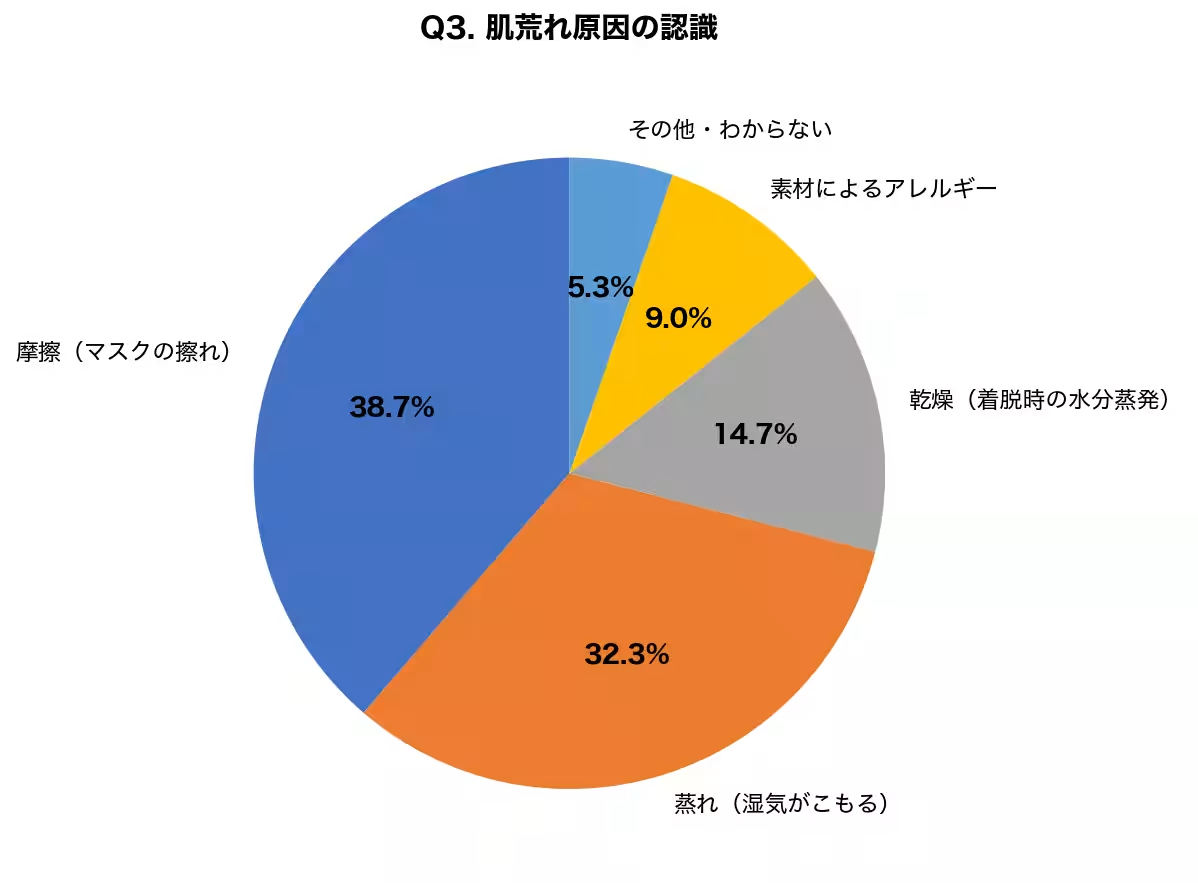
As allergy season approaches, many hay fever sufferers rely on face masks to protect against pollen. However, a recent survey revealed that a staggering 72% of these individuals experience worsening skin issues, commonly referred to as 'maskne'. The top culprits? Friction, humidity, and dryness.
Key Findings from the Survey
Conducted by the IC Clinic with 300 participants, the survey aimed to explore the relationship between face mask usage and skin health during peak pollen seasons, specifically between February 16 and February 25, 2026.
- - 72% of respondents noted that their skin problems worsened due to mask-wearing.
- - 85.7% attributed their skin issues primarily to friction.
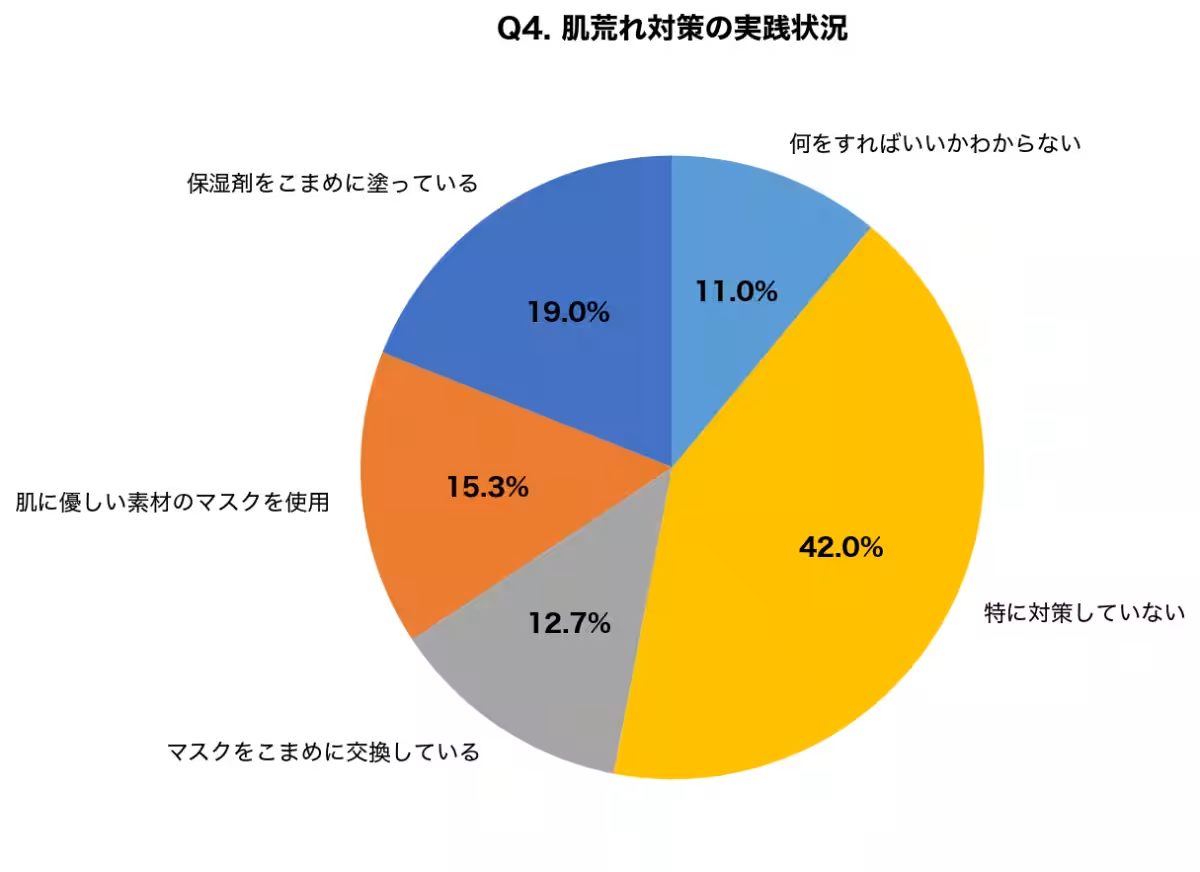
- - A mere 34.3% reported taking adequate preventive measures against these skin complications.
These statistics underscore a significant trend among mask-wearing hay fever patients, highlighting the need for effective skincare protocols.
Understanding Maskne
Maskne, a term combining 'mask' and 'acne', refers to various skin troubles caused by long-term mask-wearing. These issues stem from:
- - Friction: The edges of the mask can irritate the skin, leading to abrasion and depriving the skin of its natural barrier.
- - Humidity: The moist environment created by breathing under the mask can facilitate bacterial growth, leading to breakouts.
- - Dryness: Sudden exposure to dry air when removing the mask can rapidly diminish skin moisture, exacerbating skin conditions.
Essentially, while masks serve as a protective barrier against allergens, they also create a new set of skin challenges.
Common Symptoms and Self-Care Tips
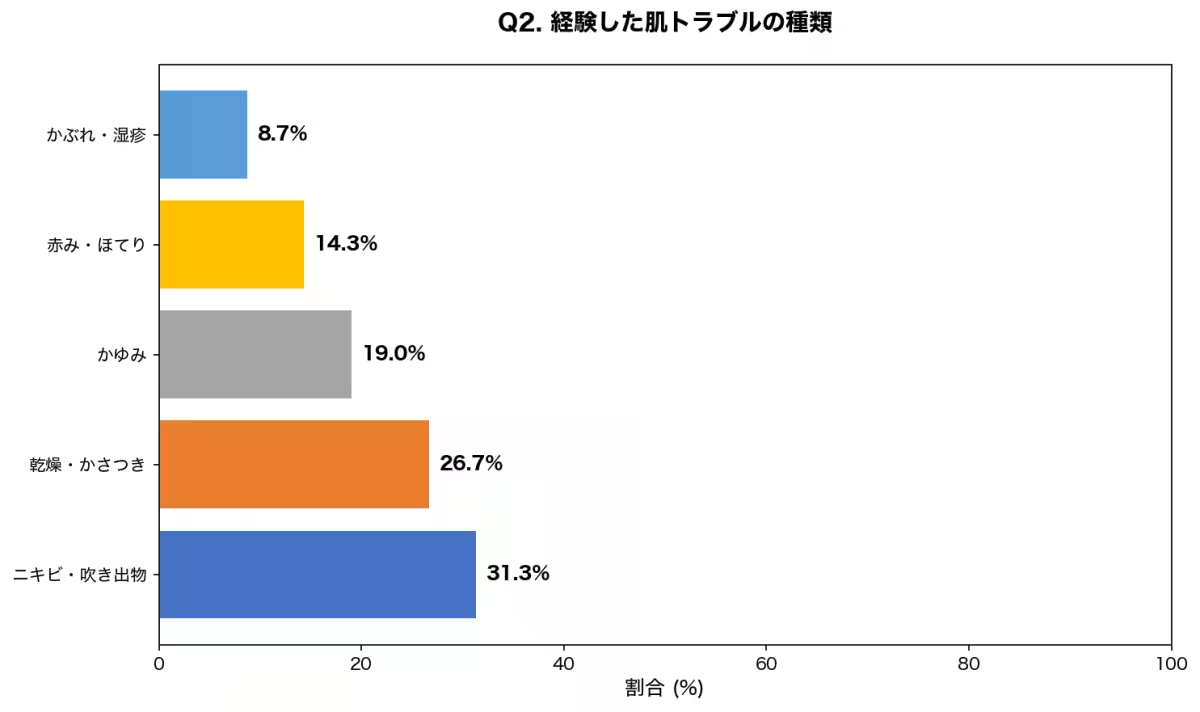
1. Acne and Folliculitis
- - Cause: Increased bacteria due to humidity within the mask.
- - Self-Care: Maintain a strict cleansing routine and use non-comedogenic (non-pore clogging) products.
- - Dermatological Treatment: Topical antibiotics may be effective in treating severe cases.
2. Irritation and Eczema
- - Cause: Friction and potential allergic reactions from the mask material.
- - Self-Care: Opt for softer mask materials and regularly moisturize.
- - Dermatological Treatment: Prescribed topical steroids can alleviate inflammation.
3. Dryness and Flakiness
- - Cause: Moisture loss upon mask removal.
- - Self-Care: Apply moisturizers before wearing the mask, and consider using a humidifier.
- - Dermatological Treatment: A custom moisturizer may be required for severe cases.
4. Redness and Heat
- - Cause: Friction and temperature changes.
- - Self-Care: Cool your skin and use gentle skincare products.
- - Dermatological Treatment: Anti-inflammatory creams can help.
5. Hyperpigmentation
- - Cause: Post-inflammatory discoloration after inflammation subsides.
- - Self-Care: Use sunscreen and vitamin C serums.
- - Dermatological Treatment: Consult your dermatologist for prescription whitening creams or laser treatments.
Prevention is Key
Despite the alarming rates of skin issues, only 34.3% of those surveyed were practicing adequate self-care. Key preventive strategies include:
- - Moisturizing before donning the mask, preferably with products containing petrolatum or ceramides to enhance the skin barrier.
- - Choosing masks made of gentle fabrics like silk or gauze to minimize friction.
- - Replacing the mask frequently, especially if it becomes damp from sweat.
Dr. Kouta Takakuwa from IC Clinic emphasizes the importance of treating mask-related skin issues through proactive skin care rather than ceasing mask usage, which exposes individuals to allergens. Early intervention and awareness are critical in managing these skin conditions effectively.
Recommendations for Visiting a Dermatologist
Patients are encouraged to seek professional advice if:
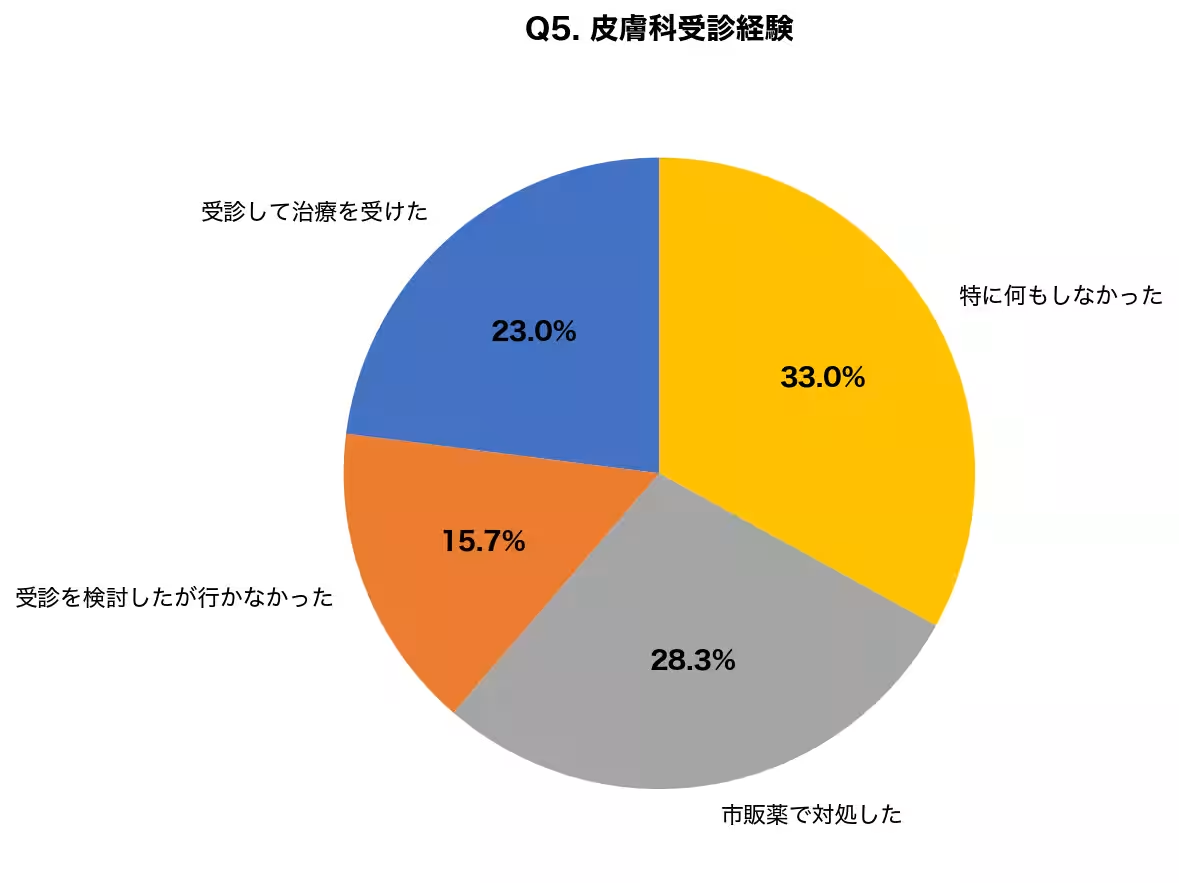
- - Symptoms persist beyond two weeks.
- - There are signs of pain, swelling, or pus in an acne lesion.
- - Extensive redness or rashes appear on large areas of skin.
The plight of hay fever sufferers during allergy season is real, but by understanding the causes of maskne and implementing proactive measures, relief is attainable. Let’s prioritize skin health this pollen season and ensure we protect both our health and our skin.
Topics Health)
【About Using Articles】
You can freely use the title and article content by linking to the page where the article is posted.
※ Images cannot be used.
【About Links】
Links are free to use.