



Understanding Folliculitis: Effective Treatments and Prevention Insights from Dermatologists
Investigating Folliculitis: Survey Findings and Expert Recommendations
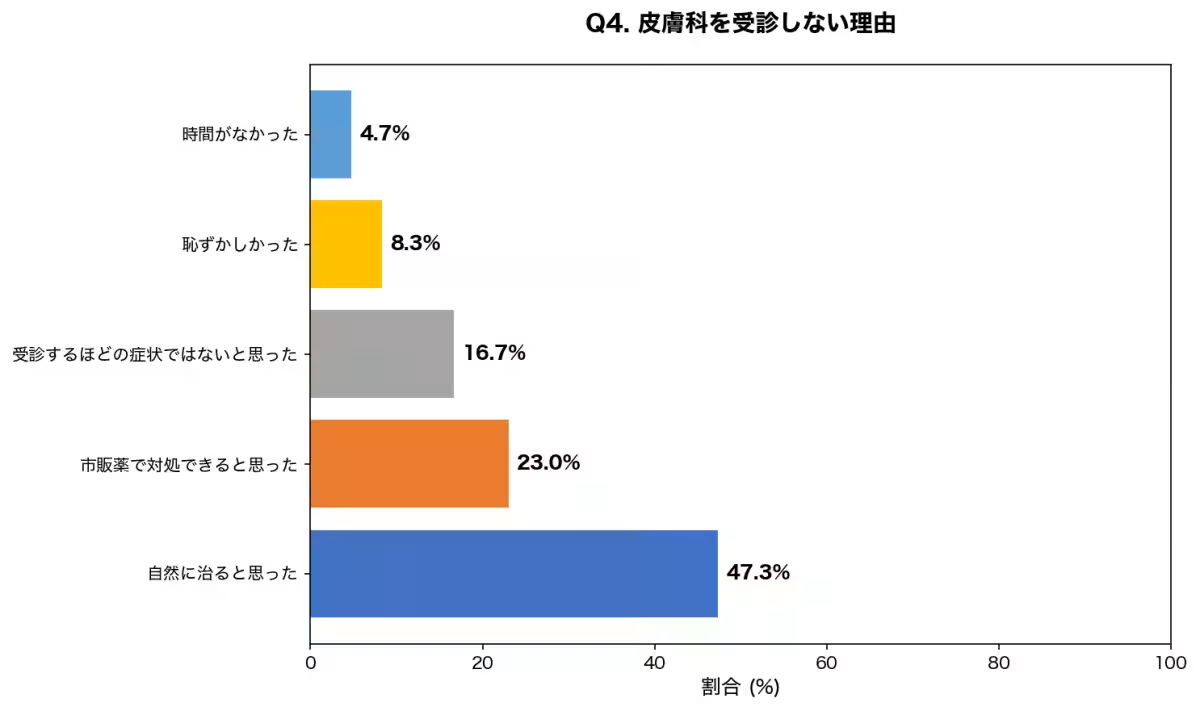
Folliculitis, a skin condition caused by bacterial infection in the hair follicles, is a common issue that many individuals experience following personal grooming. A recent survey conducted by the I.C. Clinic involving 300 participants aged between 20 and 50 years unveiled some alarming statistics regarding how people handle folliculitis and ingrown hairs.
Key Findings from the Survey
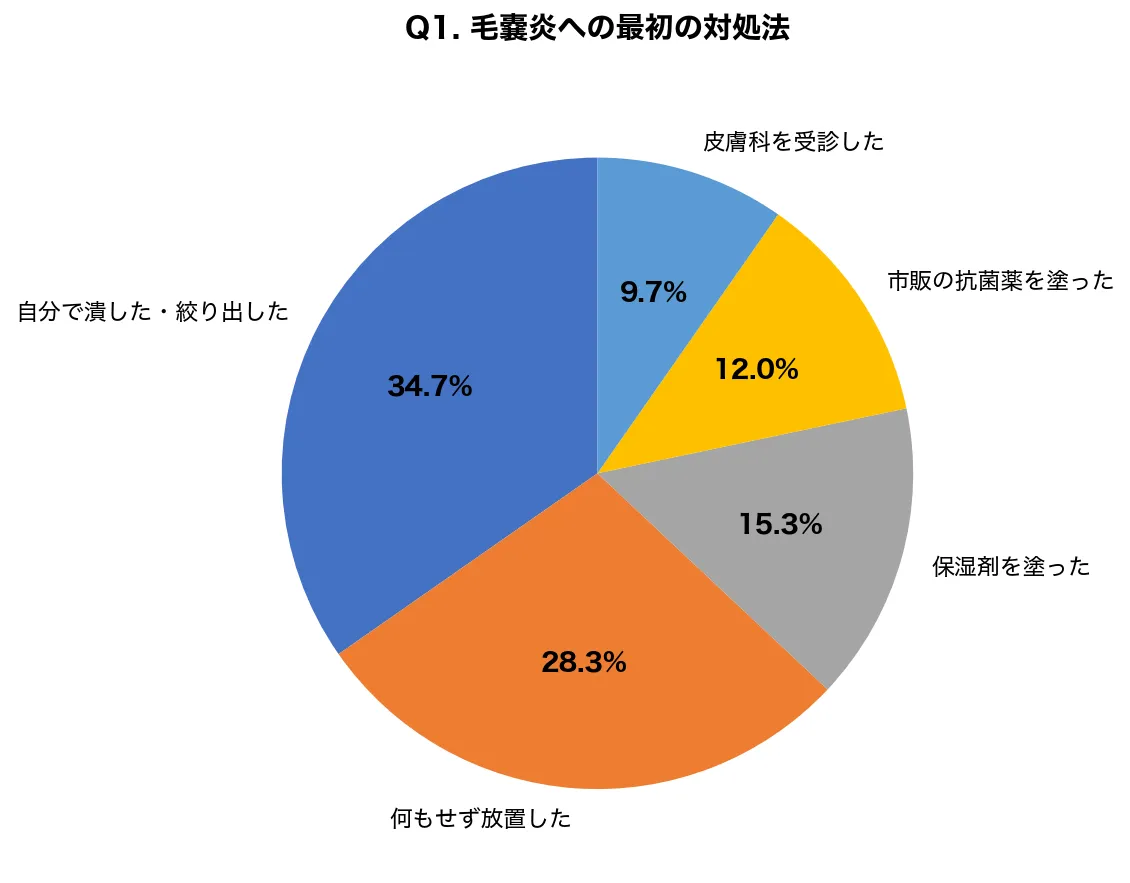
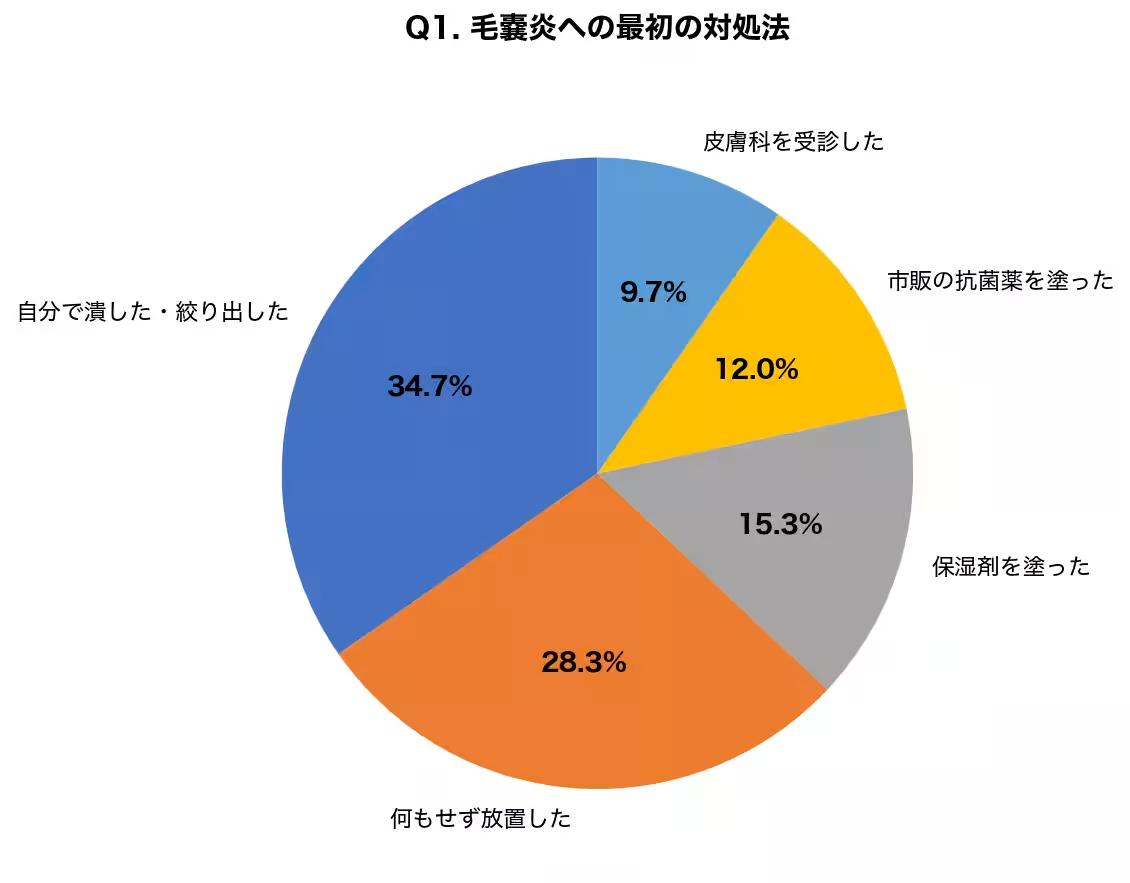
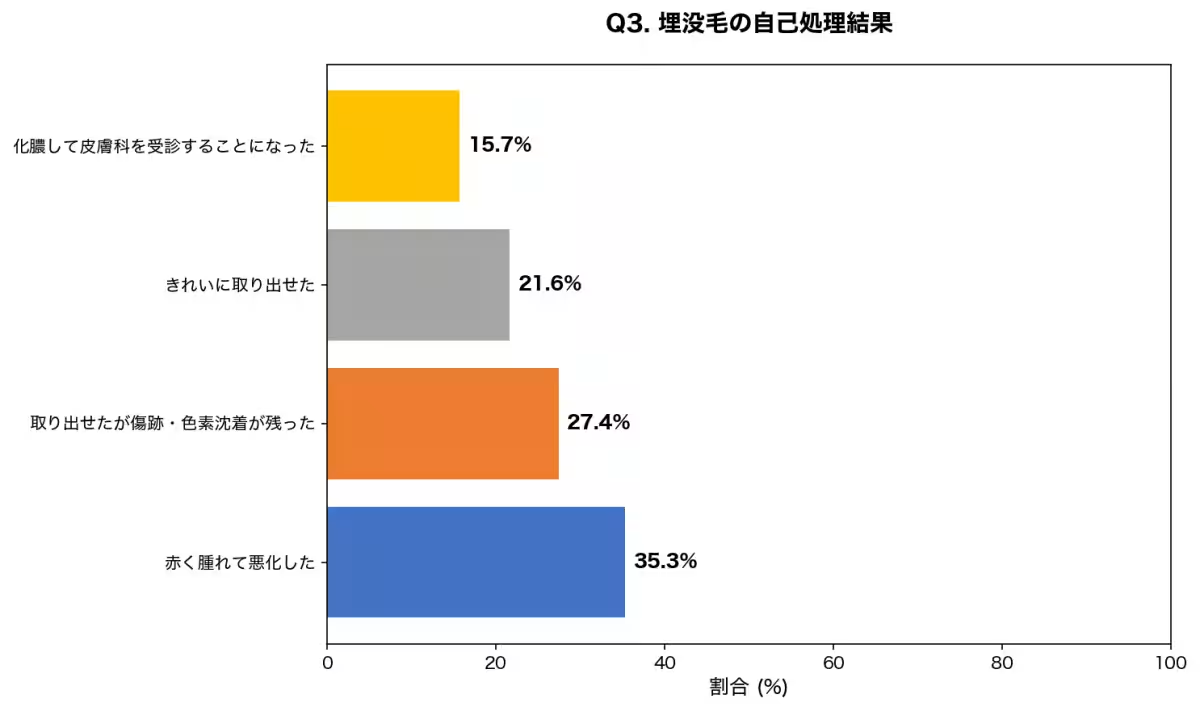
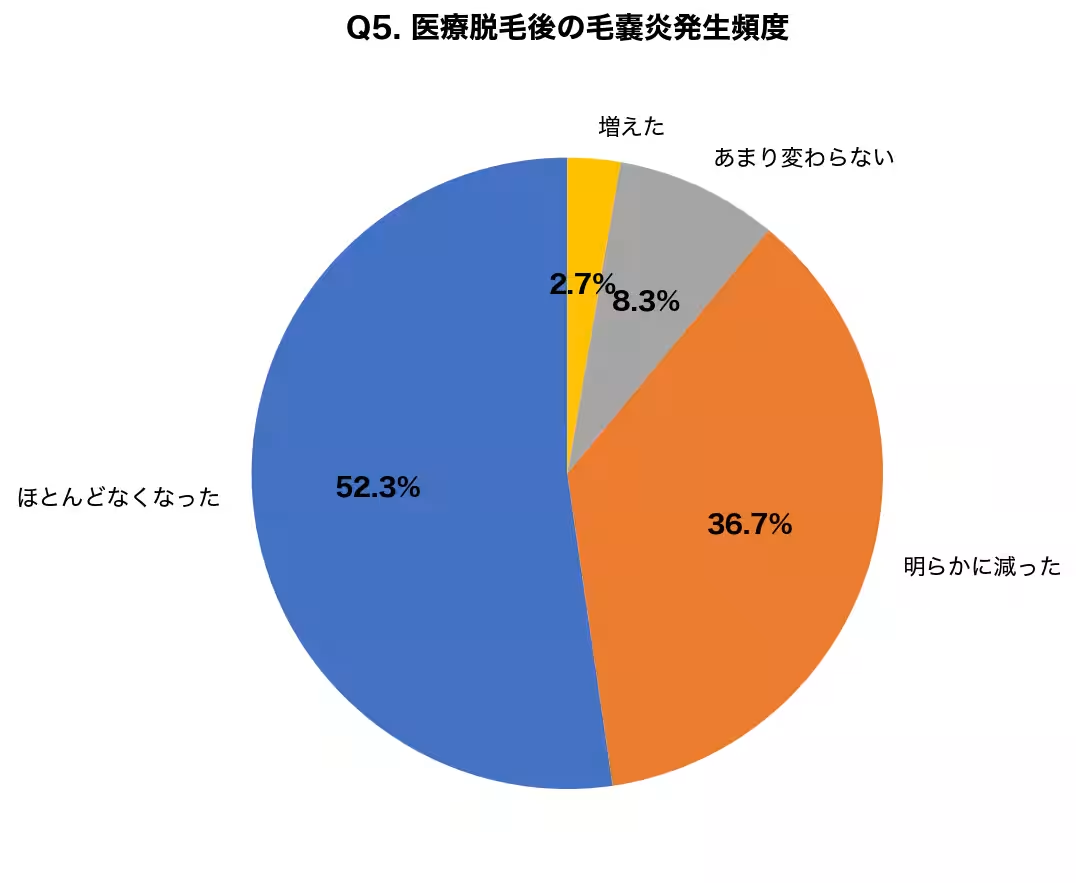
The survey highlighted that a shocking 78.3% of respondents used incorrect methods—such as attempting to pop the bumps themselves or leaving them untreated—when dealing with folliculitis, often characterized by red bumps and pus-filled lesions. Furthermore, 62.7% of individuals who tried to extract ingrown hairs themselves reported worsening symptoms. Conversely, 89.0% of those who underwent medical hair removal indicated a decrease in recurrence of folliculitis post-treatment.
Understanding Folliculitis and Ingrown Hairs
Folliculitis is an inflammatory skin disorder marked by the infection of hair follicles, resulting often from shaving or tweezing. It manifests as red, painful bumps that sometimes ooze pus. The primary culprits behind this condition include Staphylococcus aureus and epidermidis bacteria.
On the other hand, ingrown hairs occur when hair fails to break through the skin surface, causing it to curl back and grow under the skin, resulting in inflammation and visible bumps.
Comparison of Treatment Options
The survey also sheds light on the various approaches available for treating folliculitis and ingrown hairs, comparing over-the-counter antibiotic ointments, medical extraction techniques, and medical hair removal:
| Treatment Method | Applicable Cases | Duration | Cost Estimate | Downtime | Recurrence Prevention | Follow-up Visits |
|---|---|---|---|---|---|---|
| ---- | --------- | ---- | ----- | -- | ---- | ------- |
| Over-the-counter Antibiotics | Mild to moderate folliculitis | 1-2 weeks | 500 - 1,500 JPY (insurance covered) | None | Low | 1-2 |
| Medical Extraction | Ingrown hairs or abscessed folliculitis | 1 session | Several hundred to 2,000 JPY (insurance covered) | Few days | Moderate | 1-3 |
| Medical Hair Removal | Chronic cases of folliculitis | 5-8 sessions (1-2 months apart) | 5,000 - 15,000 JPY per session | 1-3 days | High | 5-8 |
Expert Recommendations
Dermatologists strongly advise against self-treatment for folliculitis, as improper handling can lead to further bacterial spread and possible severe infections, including cellulitis. Instead, using a topical antibiotic such as Orohnin can be an effective first line of defense. If there is no improvement after three days of treatment, or if symptoms worsen, it is essential to consult a dermatologist.
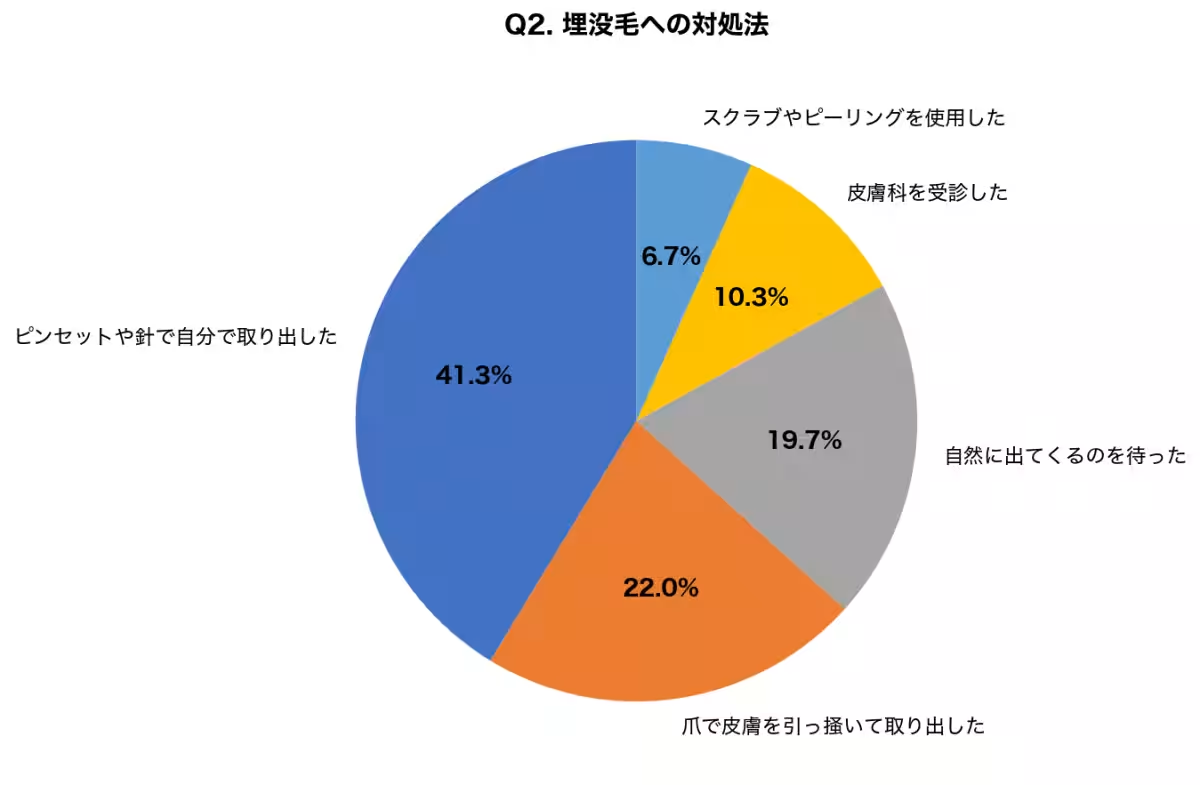
For ingrown hairs, the survey revealed that only 10.3% of individuals opted for professional medical extraction—a safe and effective procedure performed in a sterile environment using specialized tools. This method significantly reduces the risk of infection compared to self-extraction.
The Role of Medical Hair Removal
Medical hair removal emerges as a highly effective preventive measure for recurrent folliculitis. By drastically reducing the need for personal grooming, it lessens the associated skin irritation and infection risk. Encouragingly, 89.0% of medical hair removal recipients reported a noticeable reduction in folliculitis occurrences.
The Importance of Seeking Professional Help
In summary, individuals dealing with folliculitis and ingrown hairs should prioritize professional evaluations over self-treatment. The survey results advocate for increased education regarding the proper care for these skin conditions. Medical professionals emphasize that it is crucial to seek assistance if over-the-counter treatments do not yield results within three days or if significant discomfort, fever, or pus is present.
Conclusion
In conclusion, the survey points to a critical need for awareness and education surrounding the correct handling of skin issues like folliculitis and ingrown hairs. Seeking professional guidance can lead to safer and more effective treatment options, ultimately improving skin health and well-being for many. By consulting dermatologists, patients can mitigate potential long-term effects caused by mismanaged folliculitis and ingrown hairs.
Topics Health)
【About Using Articles】
You can freely use the title and article content by linking to the page where the article is posted.
※ Images cannot be used.
【About Links】
Links are free to use.