



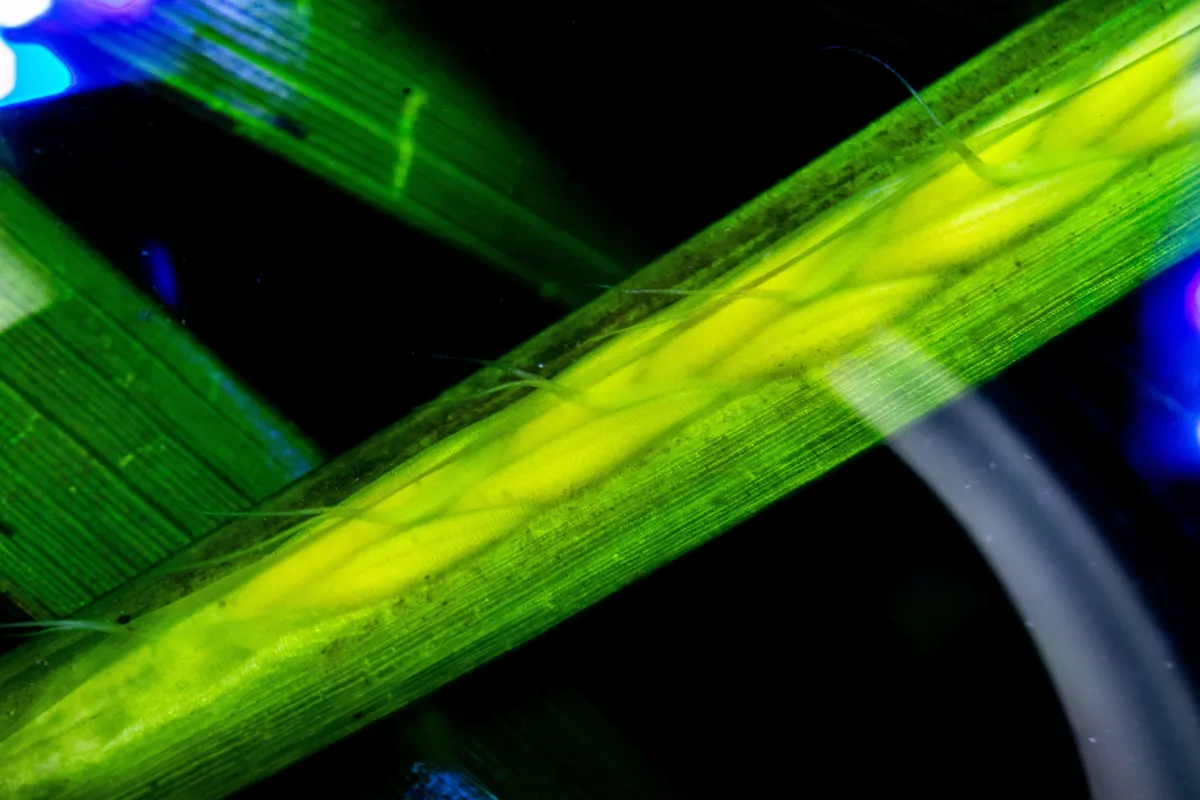
Successful Blooming of Zostera Marina in Corporate Space in Japan
New Milestone in Seagrass Ecology in Corporate Spaces
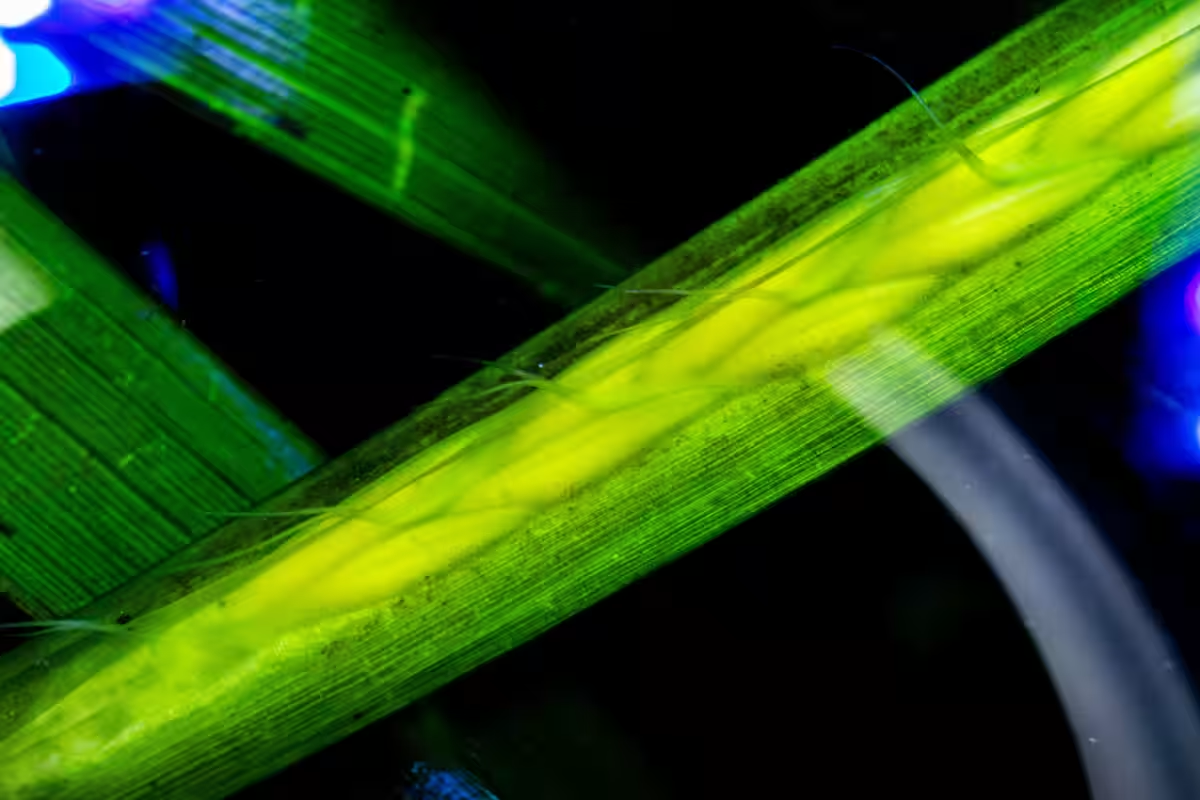
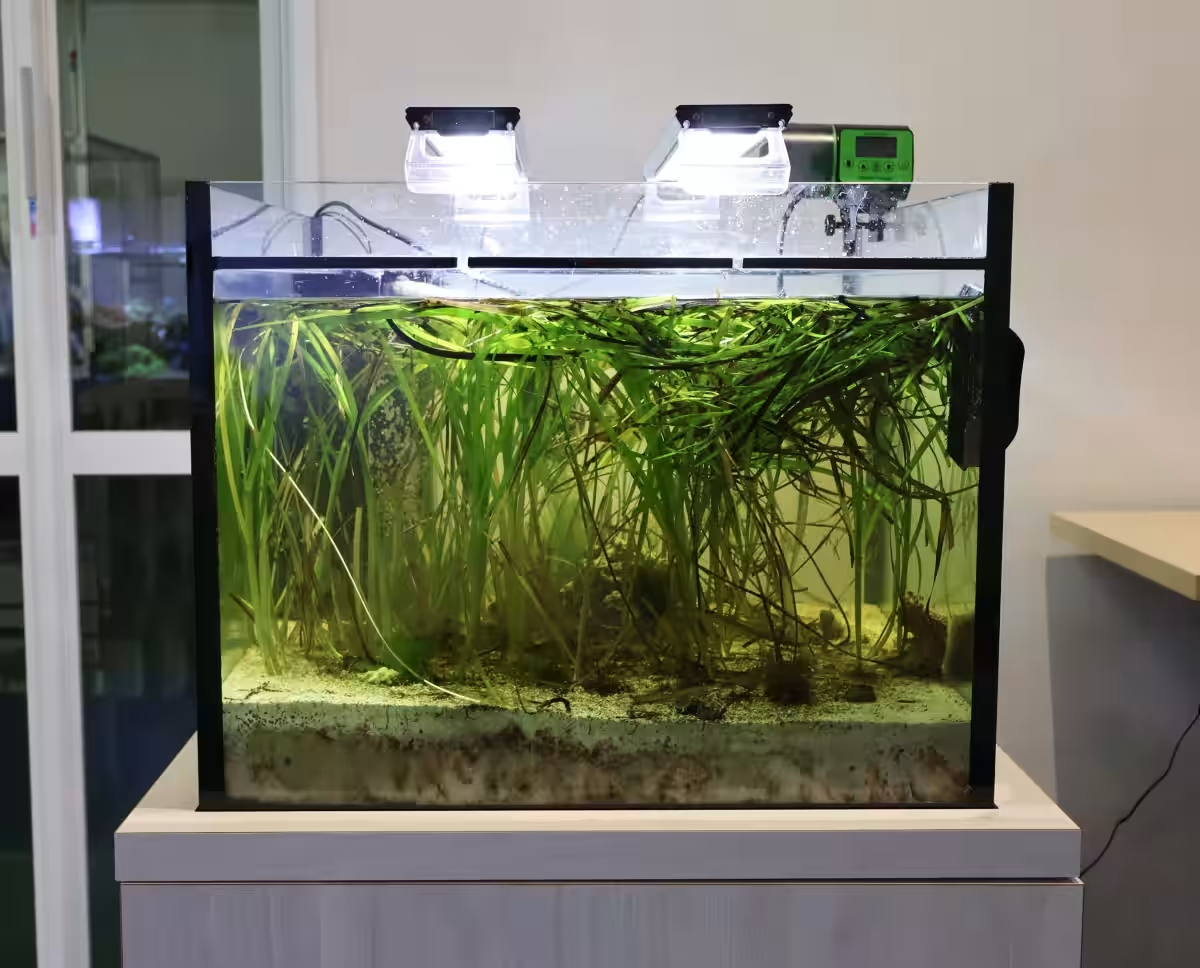
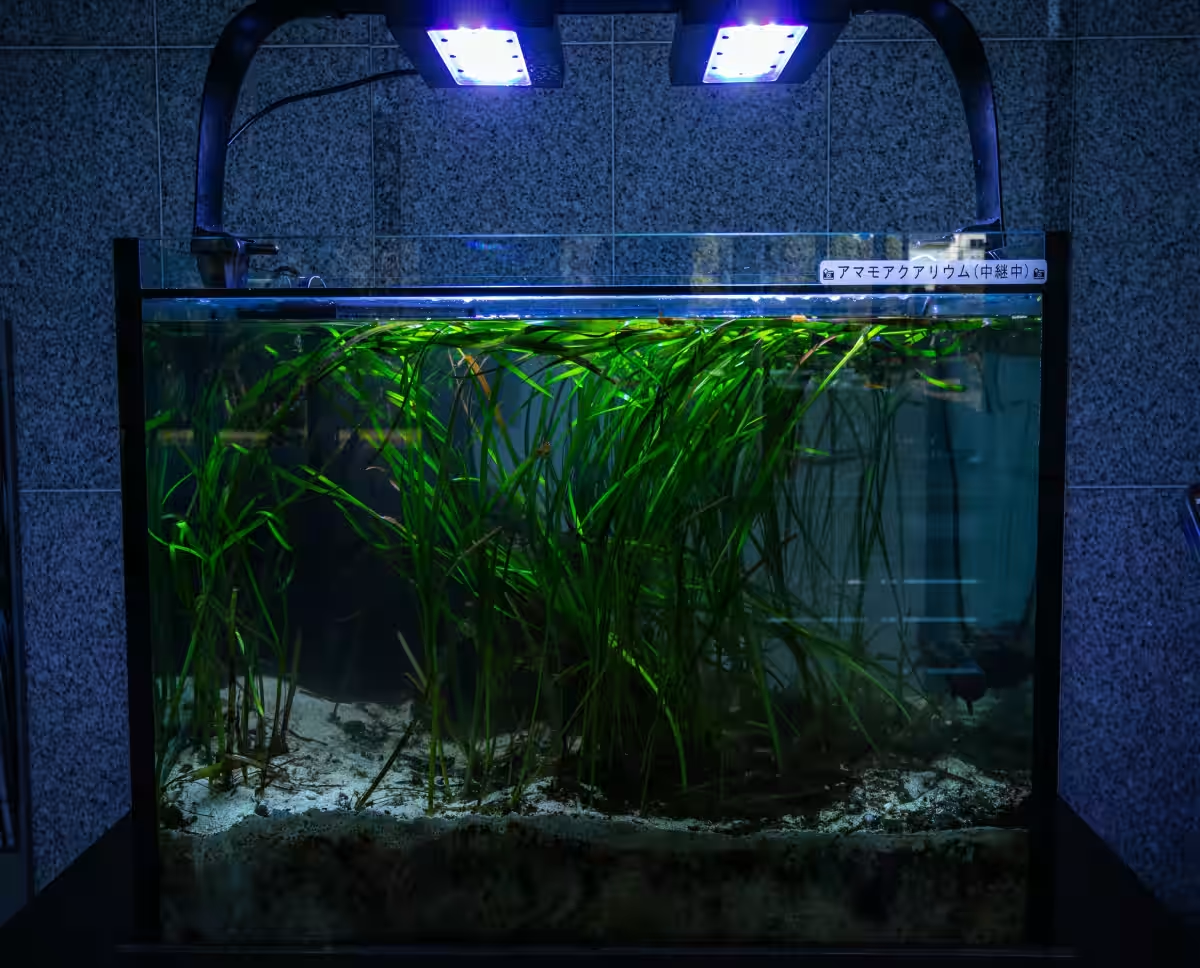
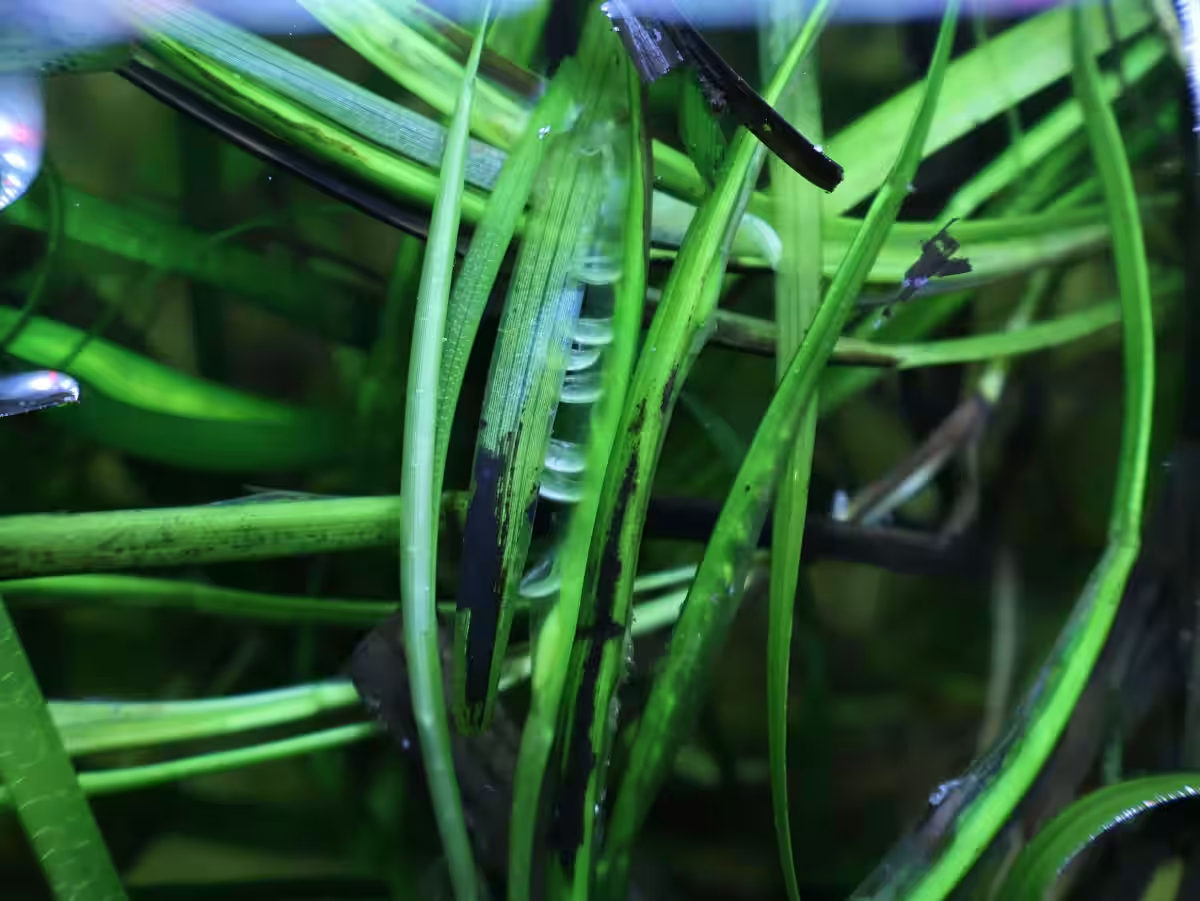
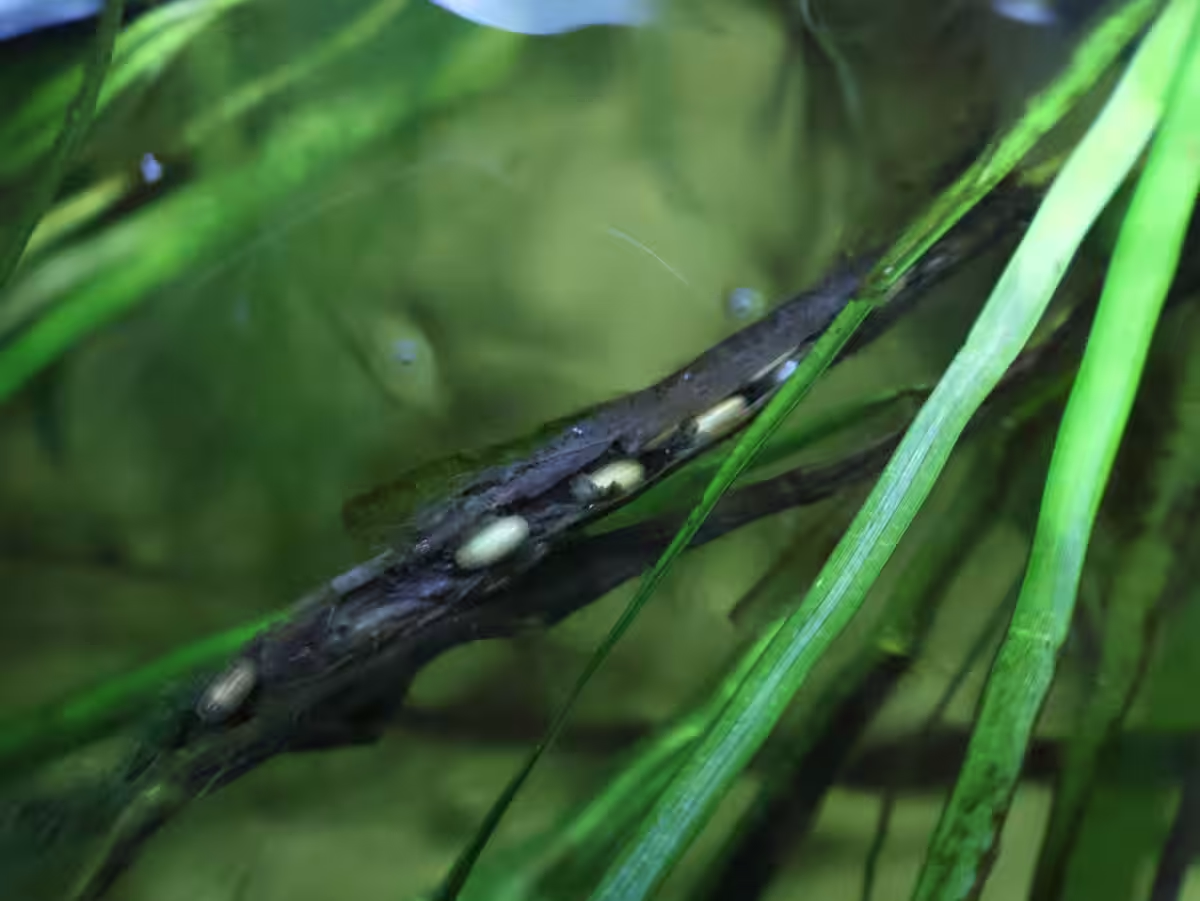
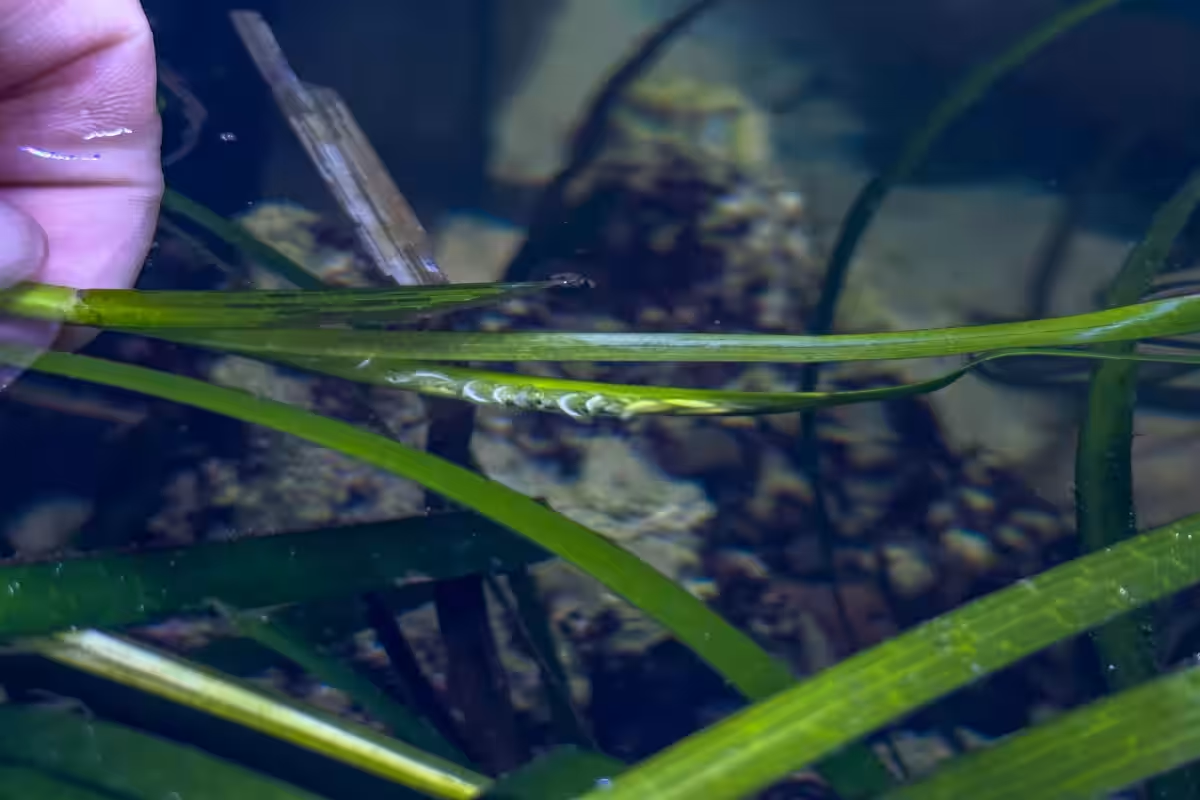
In Japan, a remarkable achievement has been made by Iloka Inc., a nature restoration venture, in collaboration with Suzuki Corporation and Food Technology Engineering Co., Ltd. (FTE). For the first time, seagrass known as Zostera marina, also called eelgrass, has successfully bloomed in a controlled aquatic environment set up within corporate facilities in Yokohama and Osaka. This innovative project not only demonstrates the feasibility of conducting biological research in everyday corporate settings but also emphasizes the importance of nature-based solutions in today's business practices.
Importance of Seagrass
Zostera marina is a crucial marine plant known for its high carbon sequestration capability, earning it the designation of “blue carbon.” This plant serves as a vital nursery for various marine species, supporting biodiversity within our oceans. Unfortunately, over the years, seagrass habitats have declined significantly worldwide, primarily due to climate change, coastal development, and nutrient pollution. Despite its ecological importance, research dedicated to understanding the flowering and reproductive processes of seagrass has been limited, leaving many mechanisms still unresolved.
Collaboration for a Greener Future
In a unique partnership, Iloka implemented their proprietary environmental transfer technology, establishing a fully enclosed aquatic environment at Suzuki's Yokohama Research Institute and FTE. The project serves as a benchmark, confirming that research on seagrass and other marine organisms can occur outside traditional laboratories. Employees at FTE played an essential role in maintaining the conditions necessary for the blooming and eventual seeding of seagrass, proving that corporate spaces can be pivotal in ecological research.
The Process Involved
1. Establishing Bloom Protocols: At Suzuki’s reception area, the ecological engineers from Iloka meticulously controlled the water conditions, determining the precise parameters needed to induce flowering. This deliberate interference allowed for the successful blooming of Zostera marina, an intricate process that has remained less understood until now.
2. Employee Engagement in Maintenance: Concurrently, FTE employees, with guidance from Iloka's ecological engineers, undertook daily maintenance and observations of their enclosed seagrass environment. Their active involvement not only contributed to the blooming but also led to the successful seed formation of the plants.
Implications of This Research
The completion of this project paves the way for future biological research to be integrated into everyday corporate environments. This transformation can potentially lead to an exponential increase in data collection on ecological patterns, fostering a deeper understanding of marine ecosystems. As employees engage in nurturing these ecosystems, it also enhances their awareness of the environmental challenges facing our planet, ultimately leading to stronger commitments to sustainability within organizations.
Iloka intends to use this success as a catalyst to drive the concept of nature-positive businesses, highlighting how corporate activities can align with ecological restoration efforts. By ensuring that corporate practices encompass environmental stewardship, the initiative embodies a shift towards integrating ecology in economic activities.
Looking Ahead: Nature-Positive Business
Iloka's research opens doors to broader discussions on implementing nature-positive business practices within corporate sectors. As ecosystems are placed at the forefront of economic models, businesses can contribute positively to environmental restoration, a critical step toward achieving sustainability goals outlined in various corporate social responsibility (CSR) frameworks and the United Nations Sustainable Development Goals (SDGs).
As various parties reflect on the significance of this project, they highlight the essential nature of biodiversity in combating climate issues while showcasing a transformative approach to ecological awareness within businesses. Every step taken in this direction strengthens an organization’s human capital and promotes a more comprehensive understanding of ecological impacts among employees.
Conclusion
Ultimately, Iloka, Suzuki, and FTE have demonstrated an admirable synergy between corporate responsibility and environmental stewardship. The flowering of Zostera marina in their facilities is not merely an experiment; it embodies a vision where nature and business coexist harmoniously, fostering sustainable practices that can significantly contribute to restoring and preserving our planet’s ecosystems for generations to come.
Topics Environment)
【About Using Articles】
You can freely use the title and article content by linking to the page where the article is posted.
※ Images cannot be used.
【About Links】
Links are free to use.