



Transforming Employee Training: From Direct Answers to Designing Judgment Experience
Transforming Employee Training: From Direct Answers to Designing Judgment Experience
In today's rapidly evolving market, where customer needs and technological advancements change swiftly, organizations face a pressing need to enhance their employees' judgment skills. Request Inc., headquartered in Shinjuku, Tokyo, has initiated a groundbreaking approach titled Judgment Experience Design, aimed at cultivating decision-making abilities through practical job-related experiences.
The New Paradigm
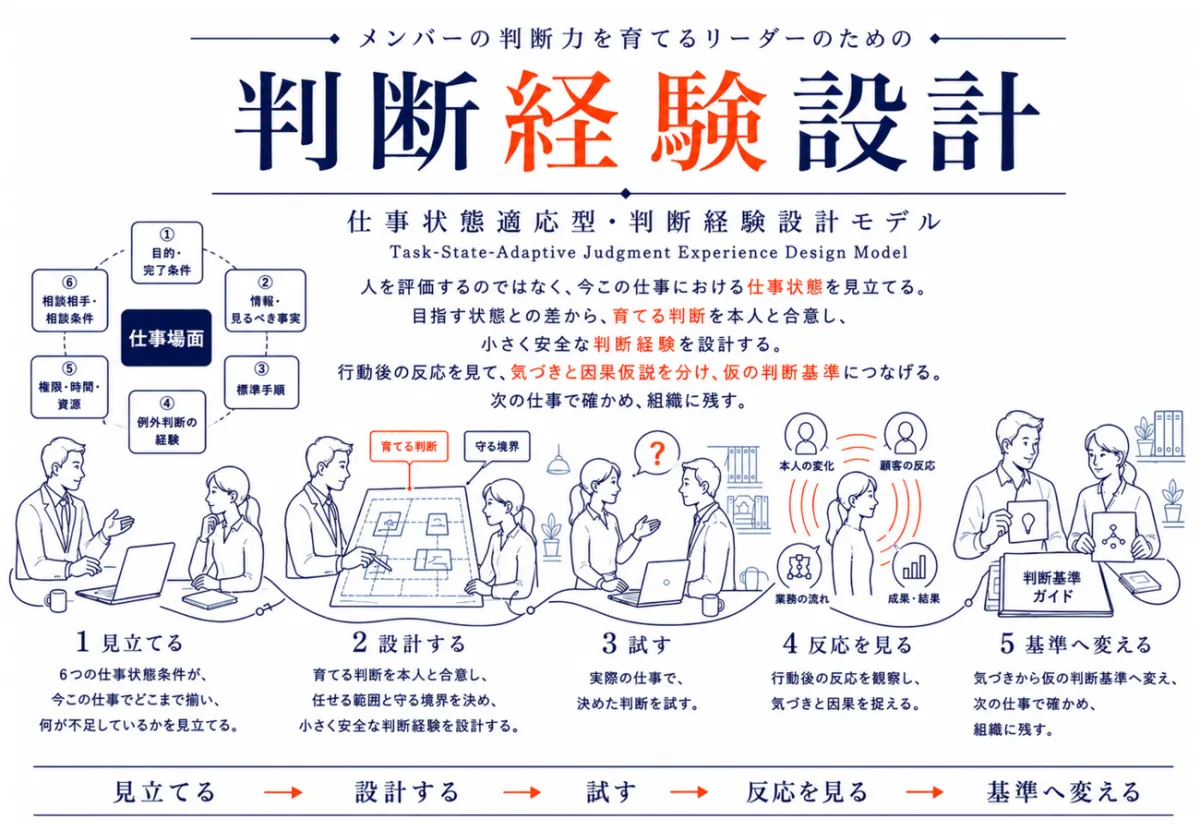
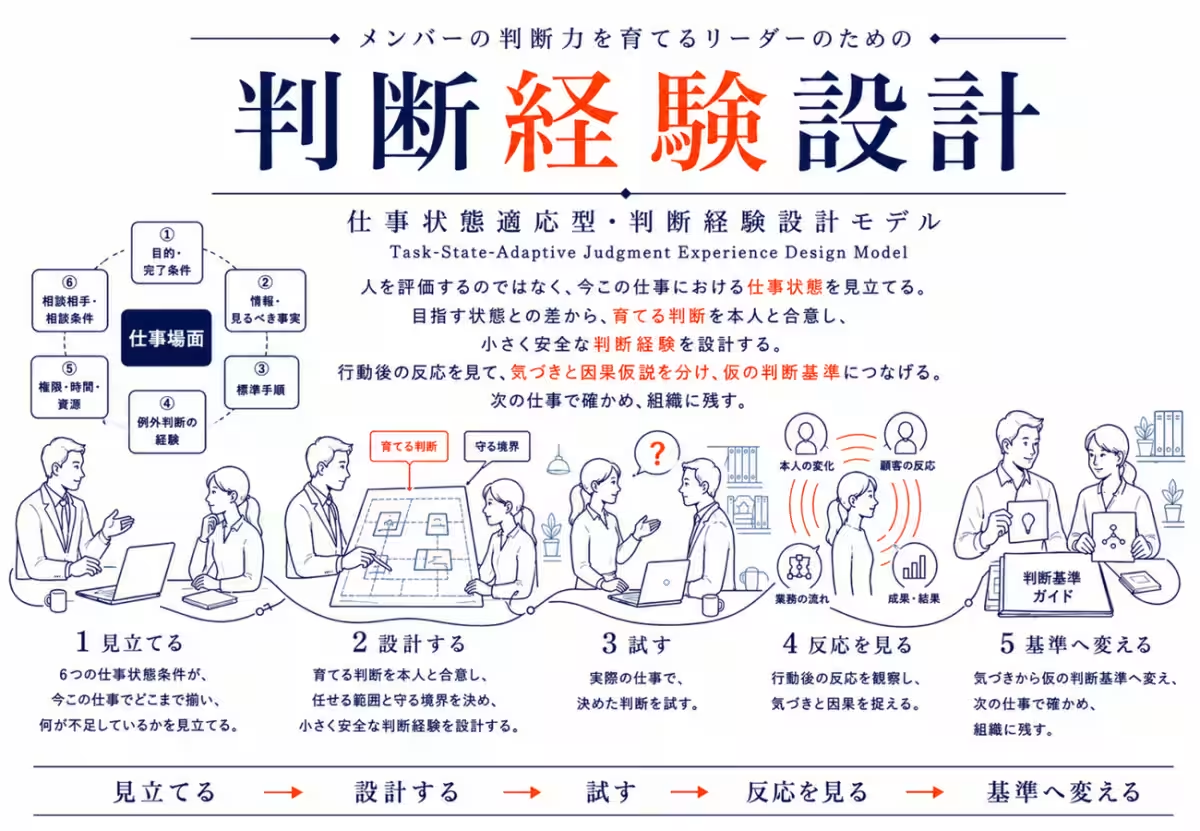
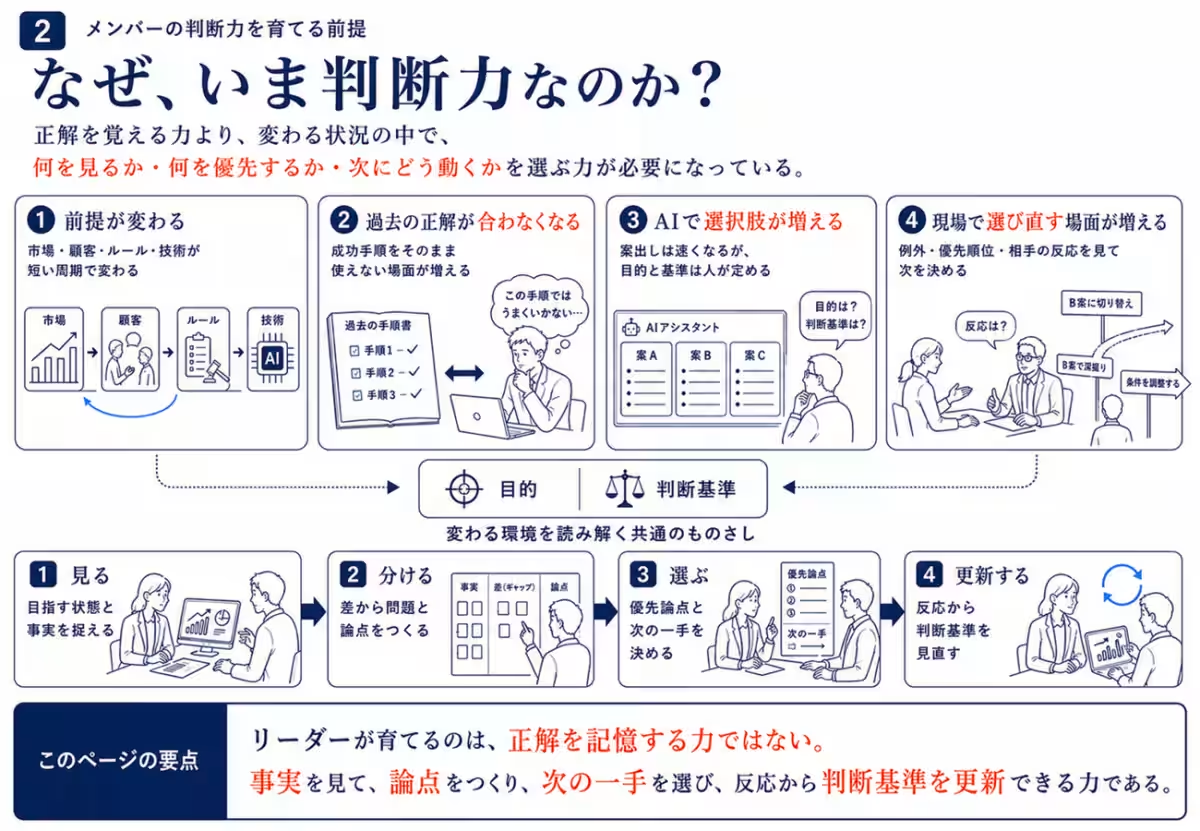
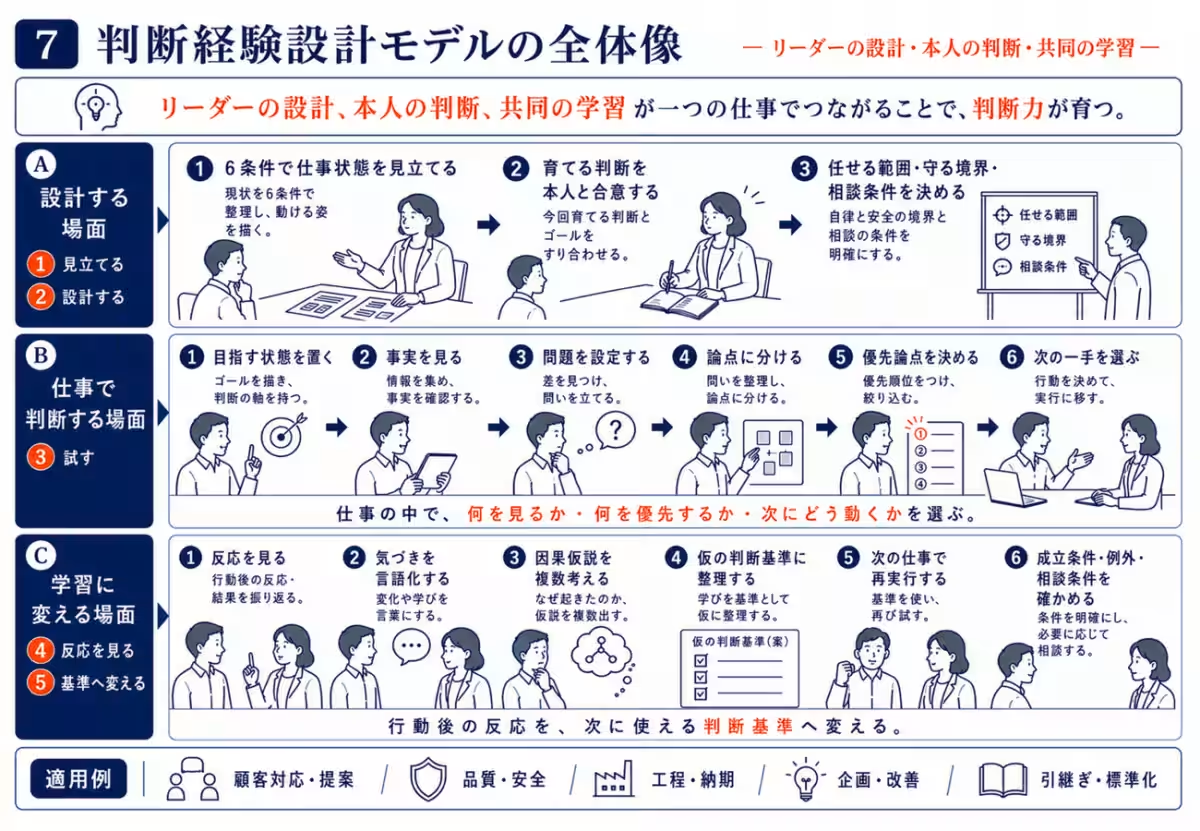
Request Inc. focuses on developing a practical model for leaders to help their members cultivate judgment skills using real work situations. This systematic approach discards traditional methods that emphasized simply delivering correct answers. Instead, it encourages employees to engage in a learning process characterized by key actions: observing, categorizing, selecting, and updating – all within the context of their tasks.
Free Resource Dissemination
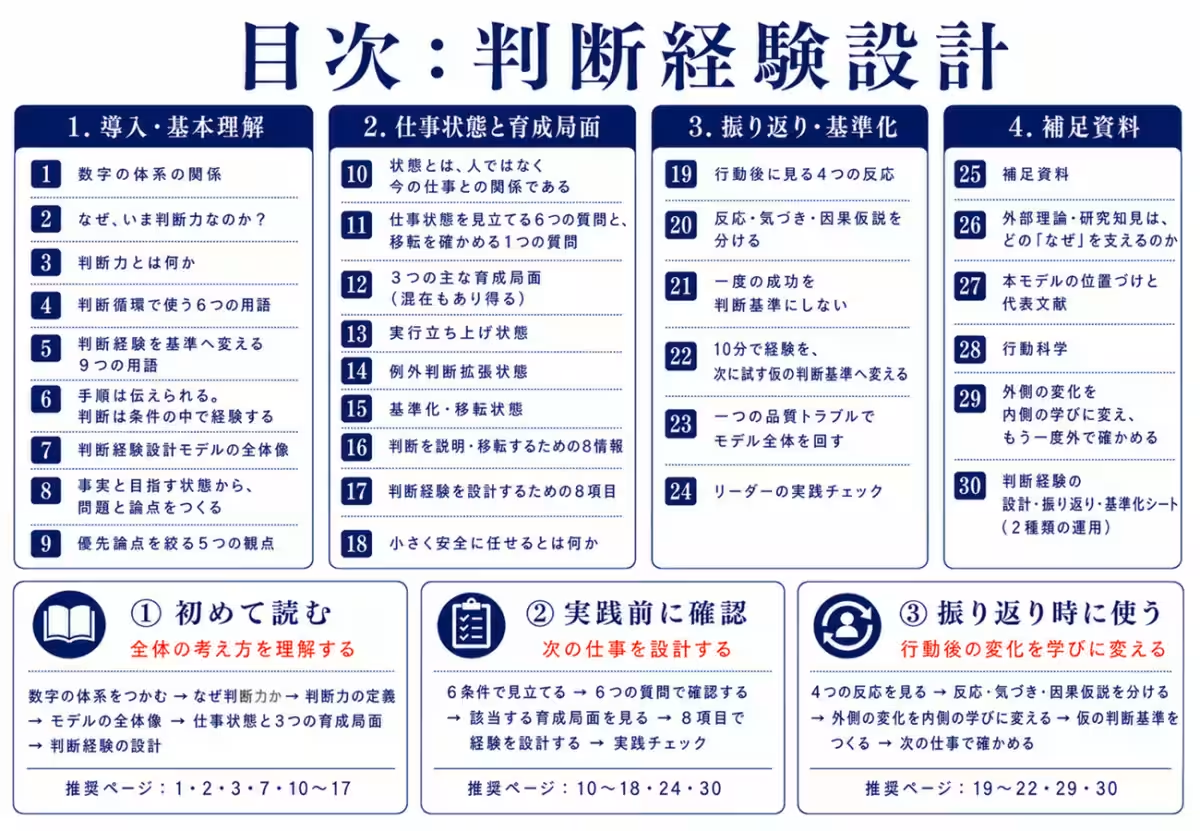
To introduce this innovative model, Request Inc. is offering a free selection of 9 pages from a comprehensive 34-page document. Interested parties can request the complete document by contacting them via email, where they only need to provide their name and company details.
Understanding Judgment in the Workplace
The Judgment Experience Design framework acknowledges that while AI provides numerous options at an accelerated pace, the ultimate responsibility for judgment lies with the individuals in the workplace. As organizations continue to confront complex scenarios where workflows are non-standard, the need for critical thinking and adaptive judgment becomes paramount.
The Core Model
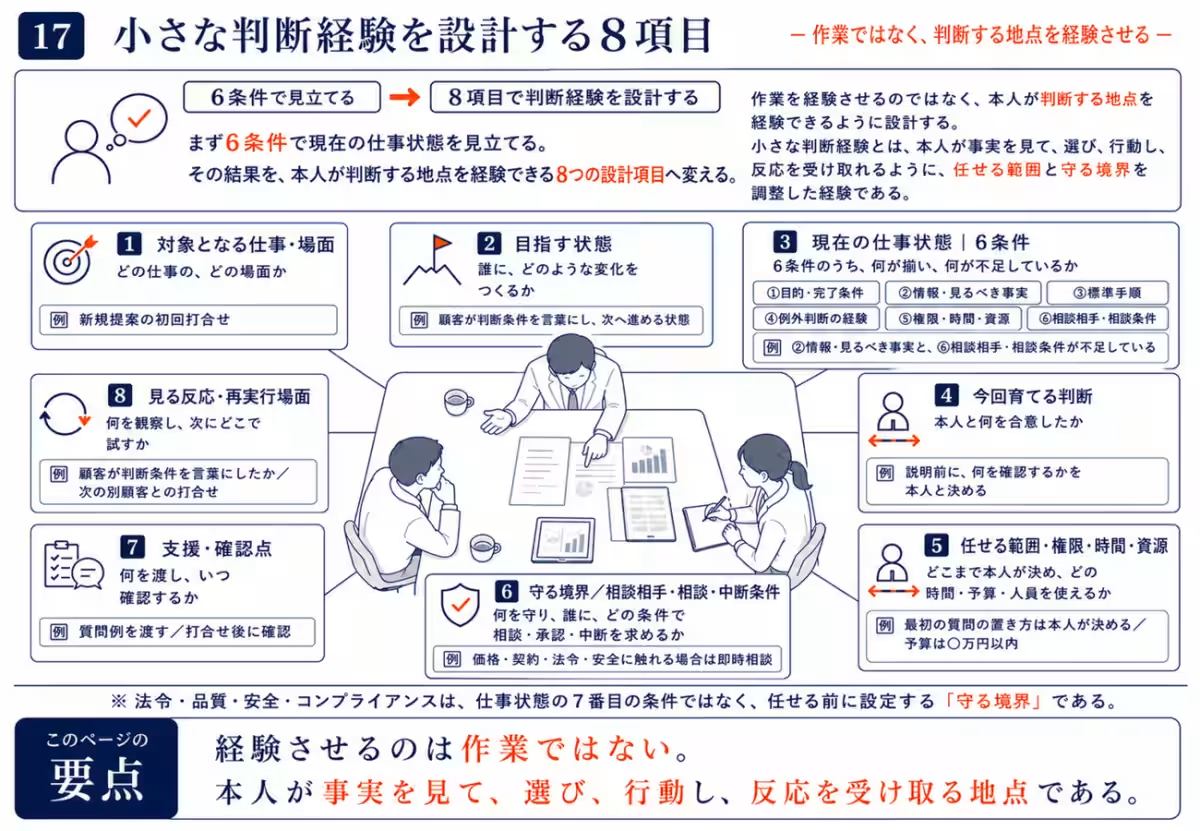
Unlike conventional training that simply transmits procedures, this model envisions a cycle where employees can refine their judgment through active engagement:
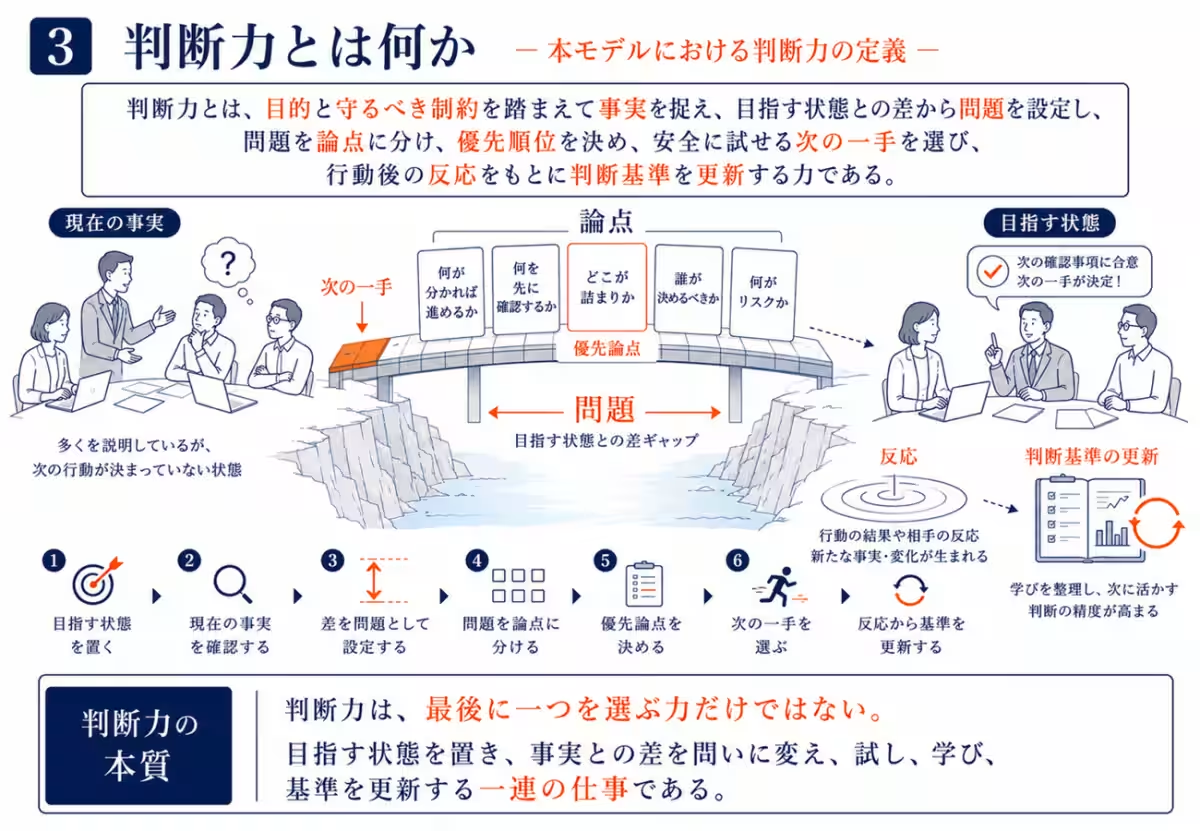
1. Setting clear objectives
2. Confirming current facts
3. Identifying problems based on discrepancies between current status and objectives
4. Dissecting issues into specific points of contention
5. Prioritizing these issues
6. Determining the next steps
7. Updating judgment criteria based on outcomes
Through this structured process, the model seeks to foster a culture of continuous improvement and responsive decision-making in real-time environments.
Challenges and Adaptations
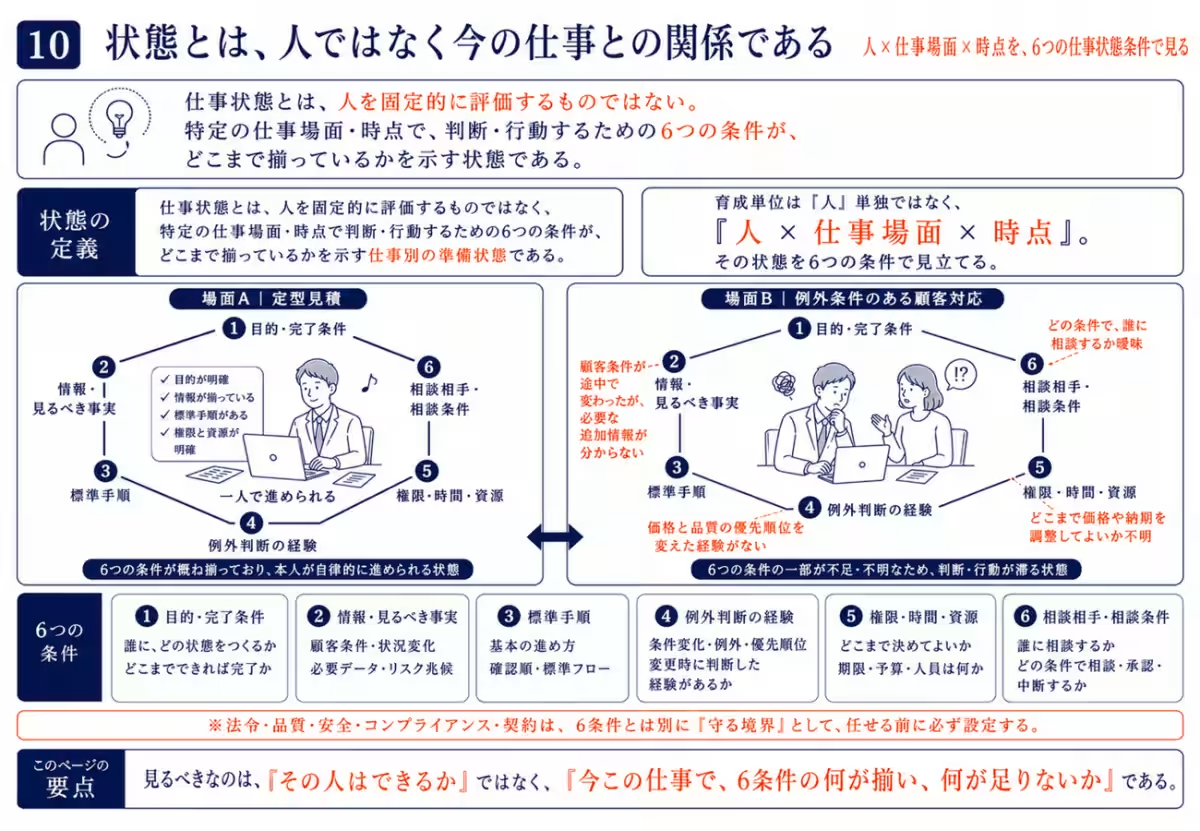
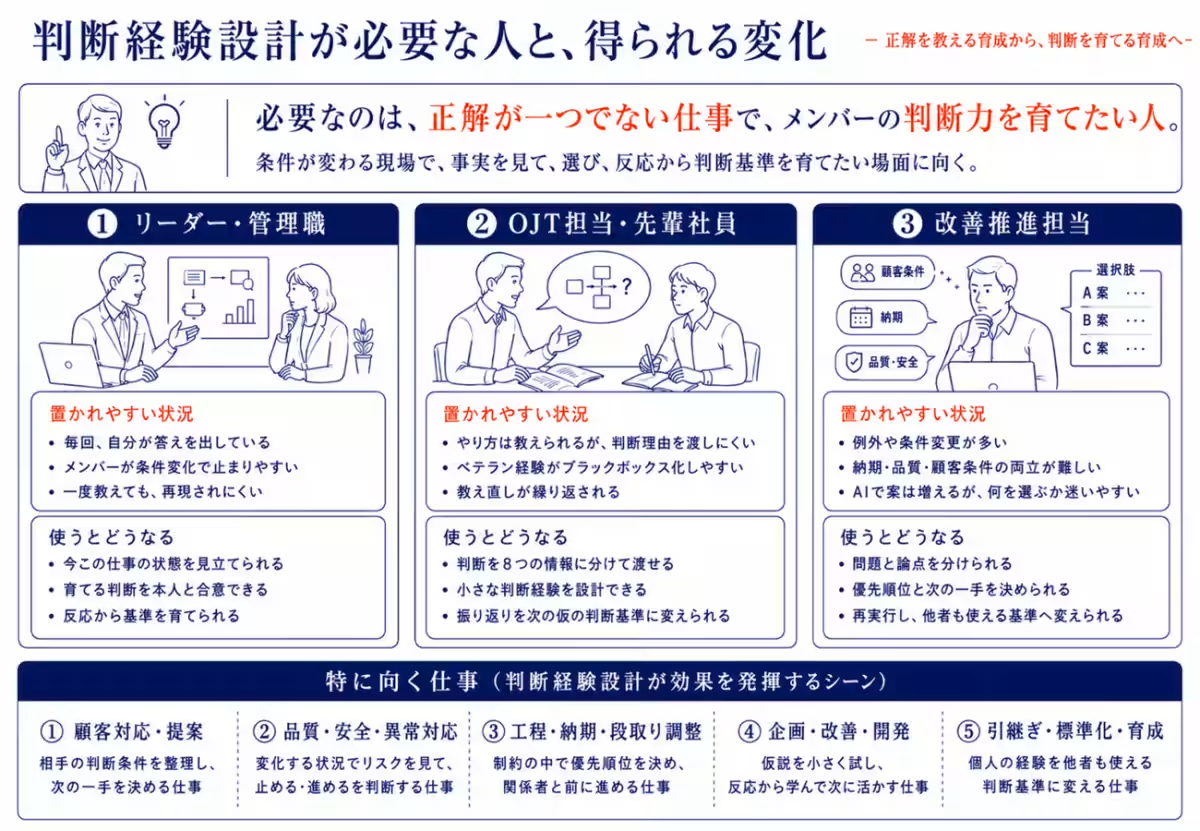
What makes this model particularly relevant is its adaptability to role-specific challenges within an organization. Traditional jobs that involve routine and predictable processes can benefit from standardized procedural training. However, roles requiring nuanced decision-making — where conditions such as customer requirements, budgets, and deadlines frequently shift — necessitate a more flexible approach that allows individuals to assess, adapt, and decide based on real-time information.
Creating Judgment Opportunities
The model encourages leaders to design judgment opportunities that are not merely scaled-down versions of regular tasks. Instead, it involves adjusting various parameters such as the complexity of issues, timeframes, and stakeholder engagement to ensure that employees are empowered to make decisions within a controlled environment. Leadership plays a crucial role in facilitating this design, ensuring that employees not only have the necessary authority but also the boundaries within which they operate.
Emphasizing Collective Learning
At the heart of Judgment Experience Design is the integration of personal responsibility in decision-making with collective organizational learning. Leaders are not merely task delegates; they are also architects of an environment where decisions are made and learned from collaboratively. Over time, individual insights from decisions made can be transformed into team standards and practices that can be scaled across the organization.
Avoiding Static Judgments
Moreover, this framework emphasizes the need for evolving criteria based on experiential learning. A single successful judgment shouldn't instantly translate into a blanket rule for future scenarios, as conditions may drastically differ. Instead, lessons learned should undergo careful analysis to construct flexible, conditional guidelines that reflect the current landscape of the work environment.
Future Implications
In summary, as organizations navigate through unpredictable market dynamics, the Judgment Experience Design model stands as a progressive approach to redefining how decision-making abilities are cultivated. By equipping employees with the tools to observe, differentiate, select, and adapt, businesses can foster a culture of proactive judgment that aligns with rapid changes and customer-centric demands.
To explore or request the complete resource on the Judgment Experience Design, please contact Request Inc.
Email: [email protected]
Subject: Request for Judgment Experience Design Materials
Company Overview
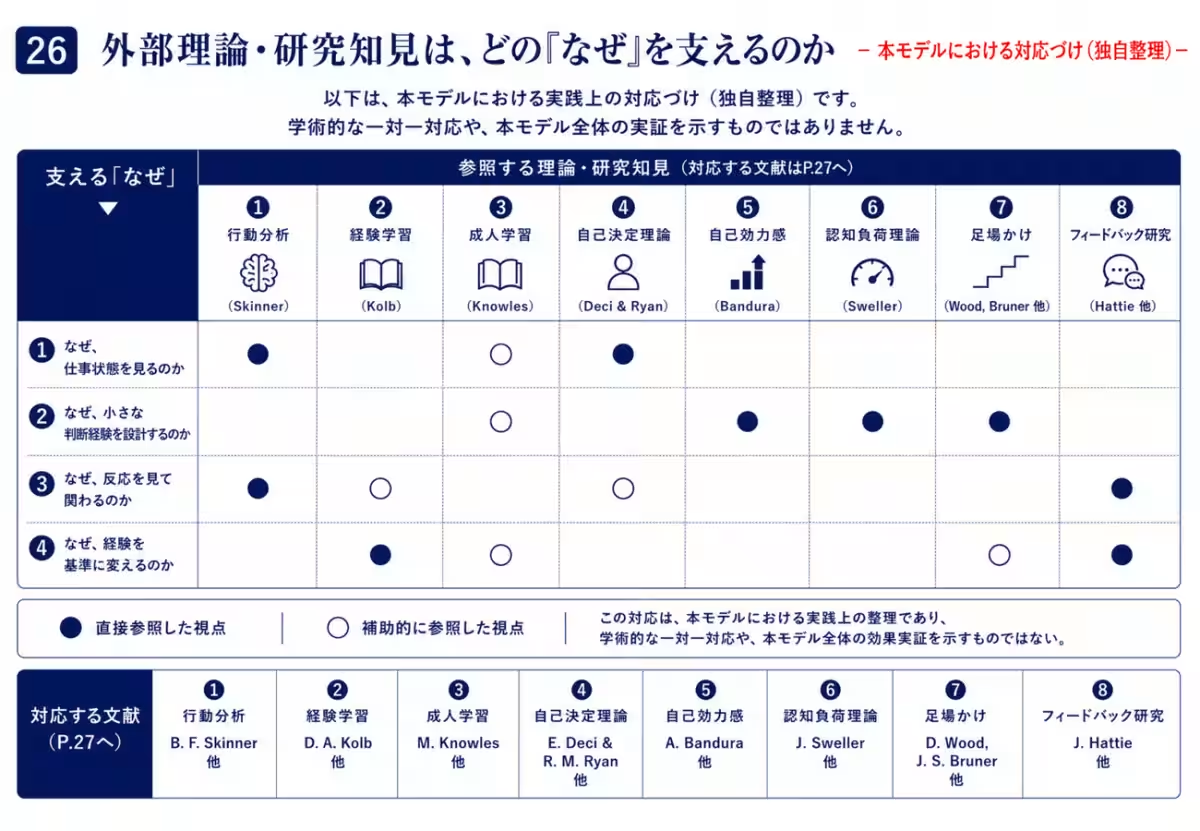
Request Inc. specializes in organizational behavior science and has developed a solid research framework grounded in real-world data from over 980 companies, benefiting approximately 338,000 workers. Through structured education and development, Request Inc. is committed to improving workplace operations and decision-making processes.
For more information, visit Request Inc. Official Site.


Topics Business Technology)
【About Using Articles】
You can freely use the title and article content by linking to the page where the article is posted.
※ Images cannot be used.
【About Links】
Links are free to use.