



Understanding Senior Dog Oral Care: Insights from Pet Owners
The Importance of Oral Care for Senior Dogs
As dogs age, their health becomes increasingly important to pet owners. A recent survey conducted by Nature Links, targeting individuals aged 20 to 60 who own senior dogs, shed some light on how pet owners perceive and care for their aging pets.
Aging Signs Noticed by Owners
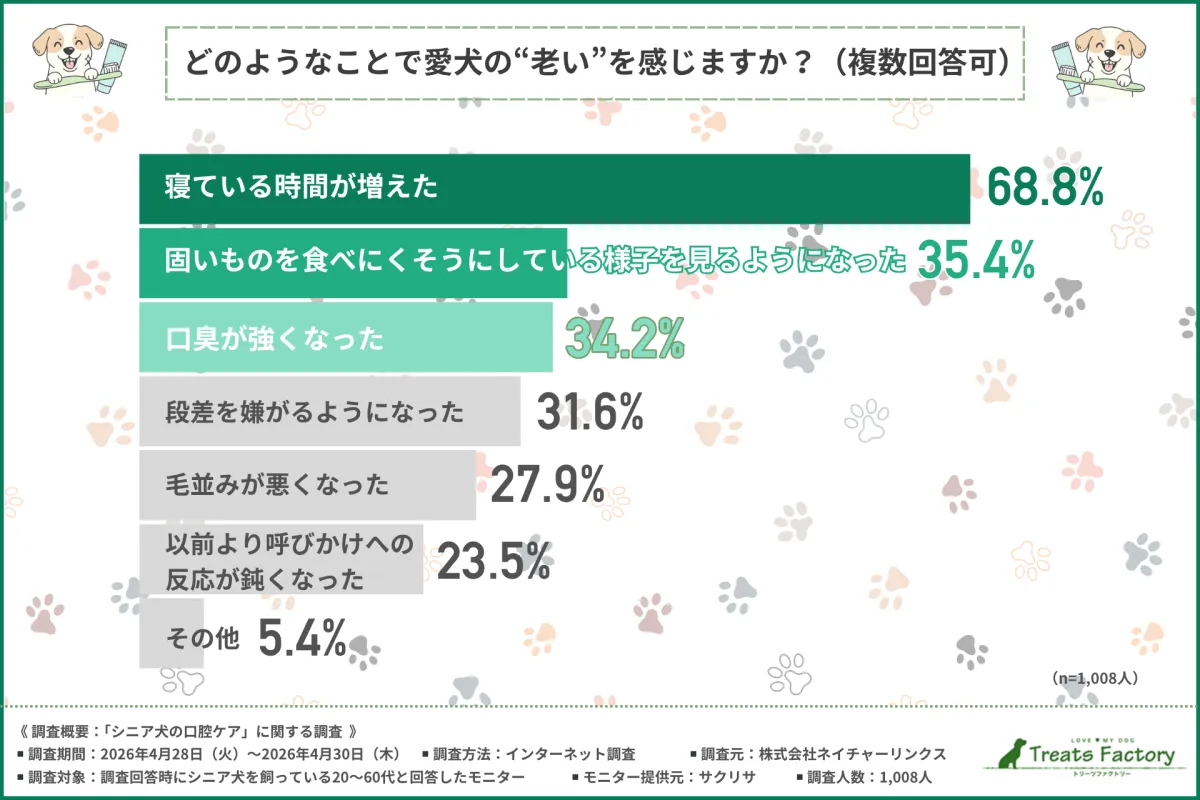
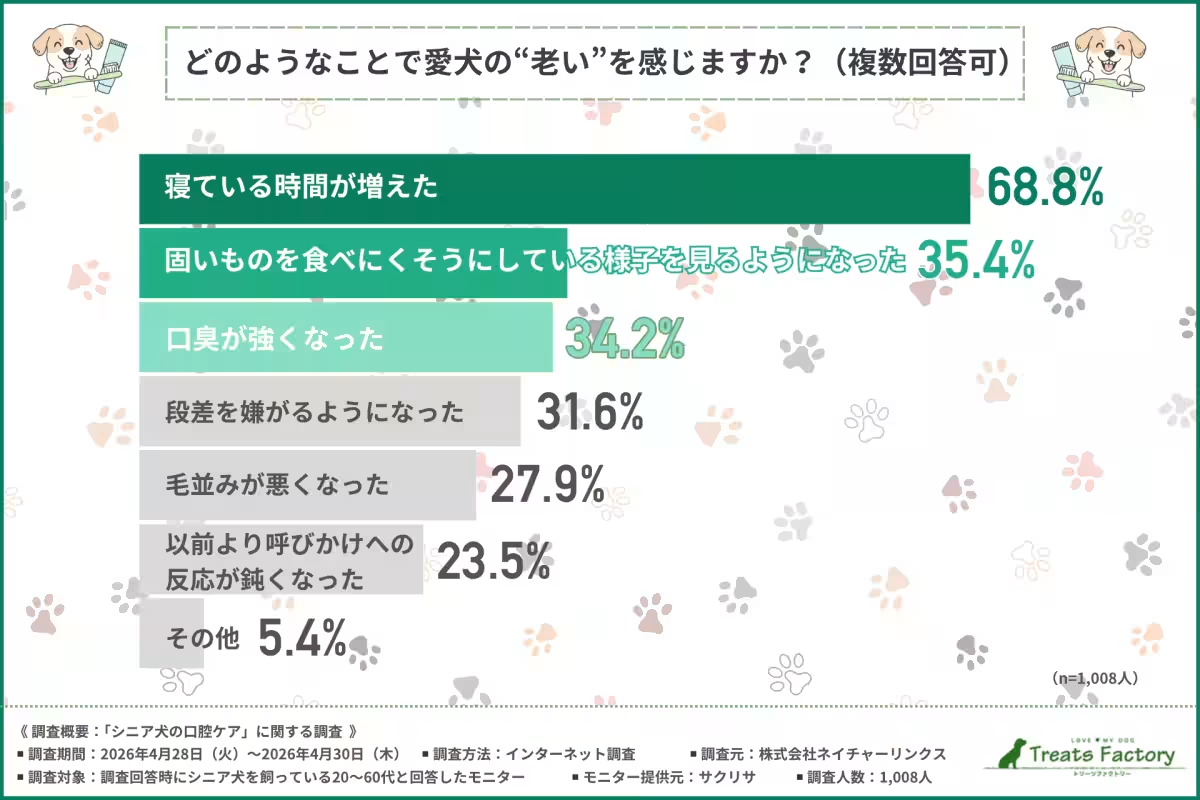
According to the survey, nearly 70% of respondents indicated they perceive aging in their dogs primarily through an increase in sleep duration (68.8%). Other noticeable signs included difficulty eating hard food (35.4%) and an increase in bad breath (34.2%). These findings illustrate that many pet owners are attentive to changes in their dogs’ behavior, dietary preferences, and oral hygiene as indicators of aging.
Recognition of the Need for Aging Care
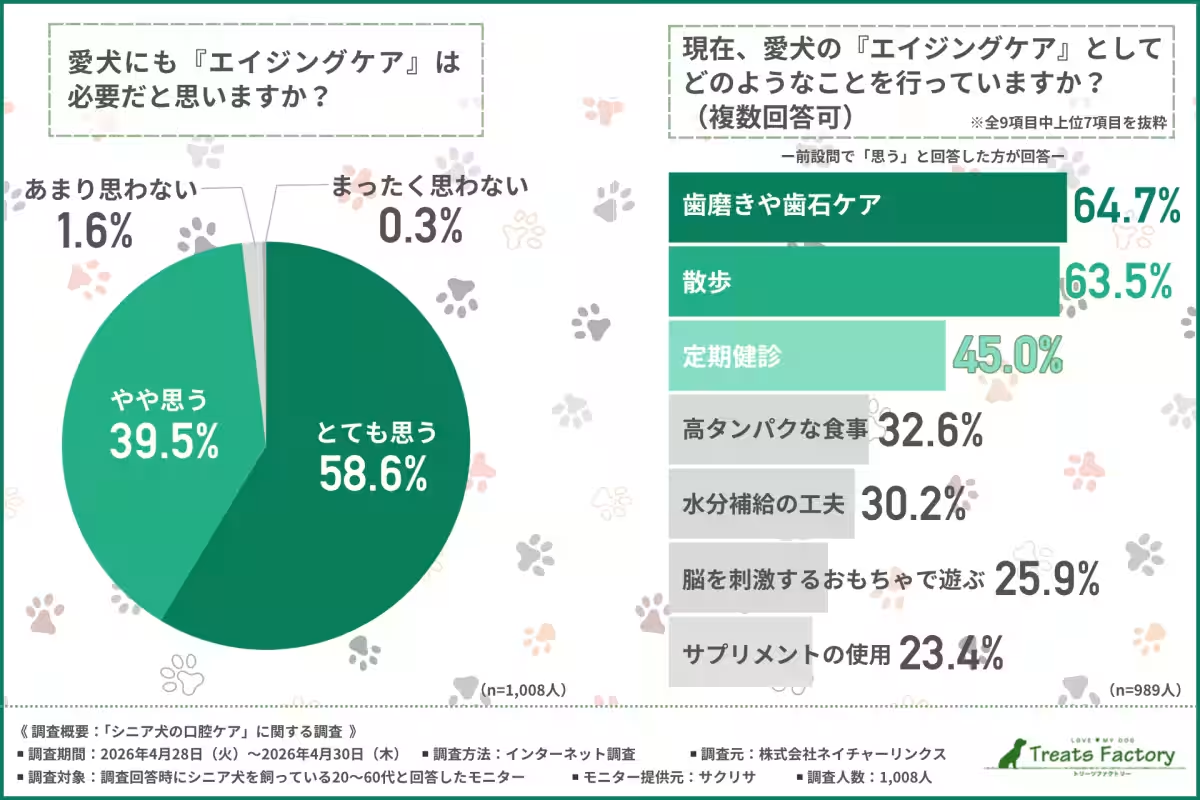
When asked about the necessity of aging care, over 90% of respondents agreed that it is essential, with 58.6% strongly agreeing and 39.5% somewhat agreeing. This highlights a growing awareness among pet owners who wish for their dogs to age not just with longevity, but in good health. The survey also explored specific aging care practices being implemented.
The leading practices include regular tooth brushing and dental care (64.7%), followed closely by regular walks (63.5%), and routine veterinary check-ups (45.0%). This shows that pet owners typically incorporate aging care into their daily routines rather than viewing it as an additional chore.
Triggers for Starting Oral Care
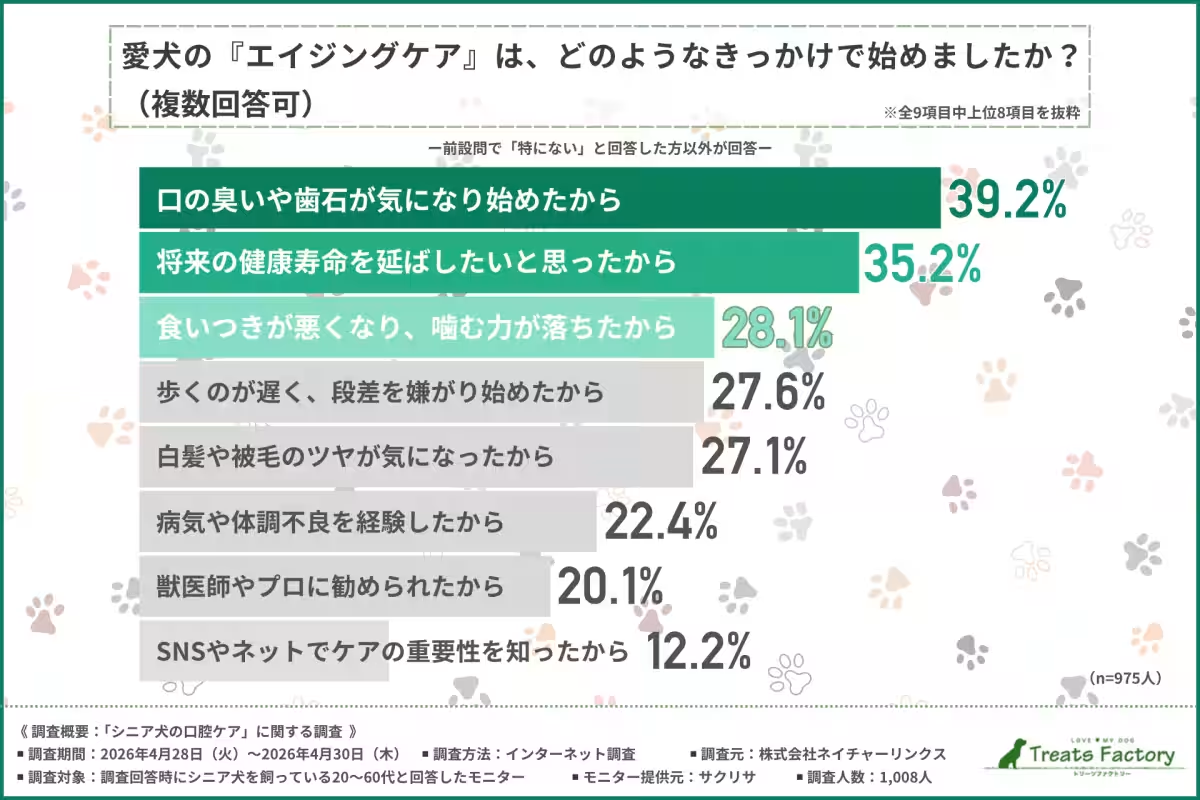
The survey revealed that a significant number of pet owners were motivated to begin oral care when they became concerned about bad breath or tartar buildup (39.2%). Other triggers included wanting to extend their dog’s healthy lifespan (35.2%) and observing a decreased appetite coupled with a reduction in chewing ability (28.1%). This indicates that many factors drive awareness and action regarding aging care, particularly as related to oral health.
Awareness and Knowledge of Periodontal Disease Risks
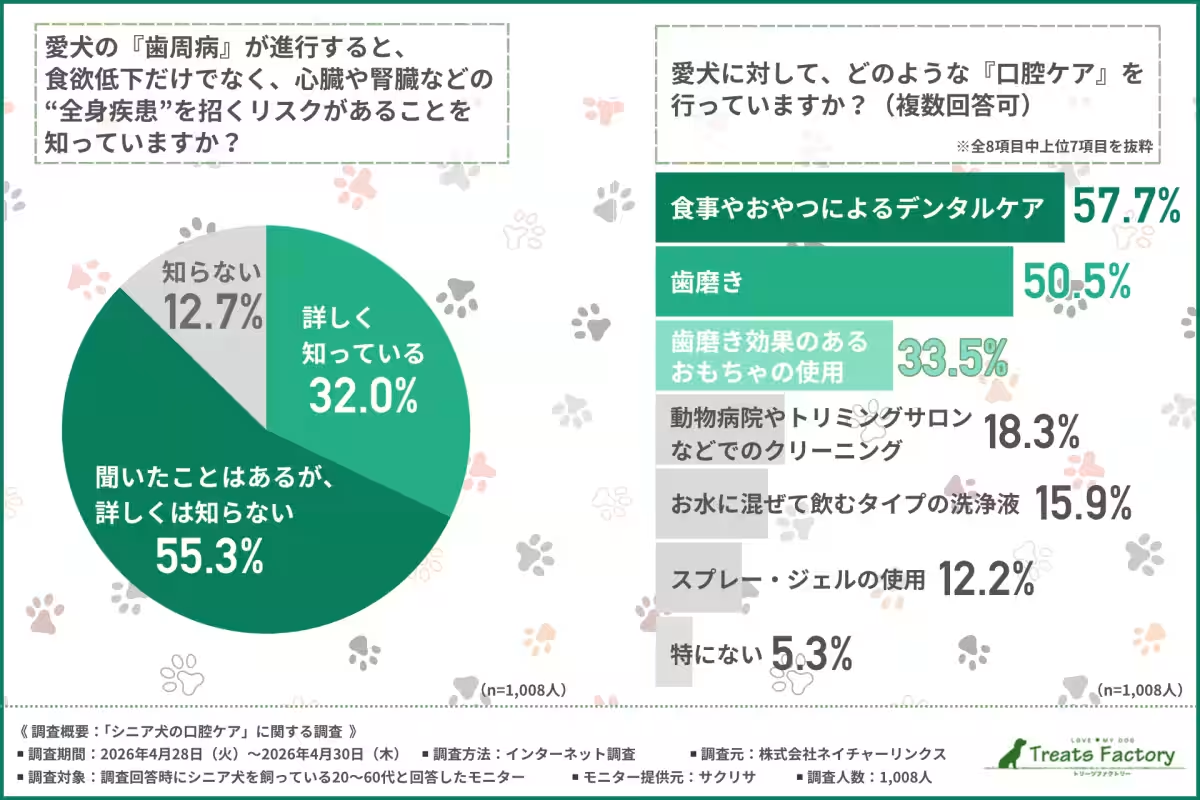
Despite a high recognition of the risks associated with periodontal disease—acknowledged by nearly 90% of respondents—only about 32% reported having a detailed understanding of how these conditions can lead to serious health issues in dogs, such as heart and kidney diseases. This gap in knowledge implies a need for increased education among pet owners regarding the severe implications of dental health on overall health.
Implementing Daily Oral Care
When it comes to daily oral care practices, 57.7% of respondents utilize pet food and treats designed for dental care. Additionally, 50.5% brush their dogs’ teeth, while 33.5% use dental toys. These methods indicate that owners prefer to integrate oral health measures into their pets' lives without causing undue stress.
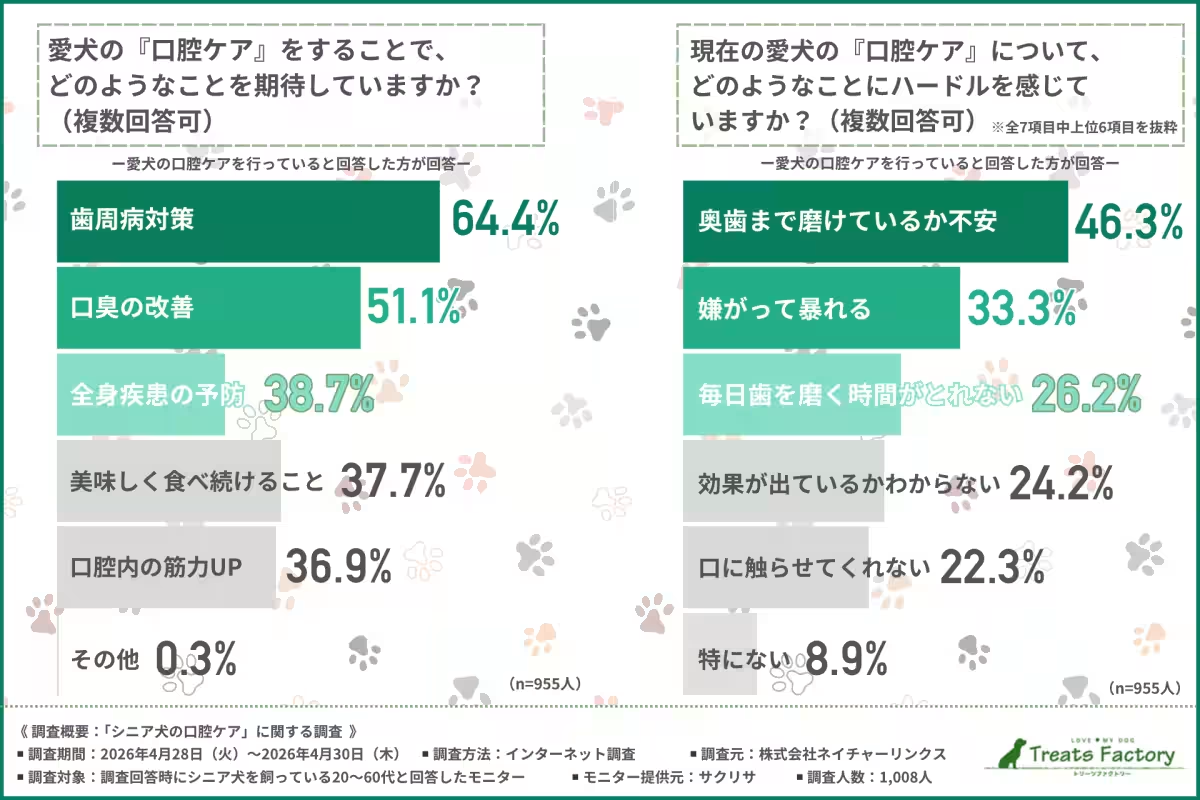
Pet owners expressed expectations from these oral care routines, with 64.4% desiring to prevent periodontal disease, 51.1% wanting to improve bad breath, and 38.7% hoping to prevent overall diseases. This demonstrates that many are actively looking to maintain not just dental health, but their pets’ overall well-being.
Challenges with Oral Care Practices
The survey also unveiled that while owners are eager to maintain their pets’ oral health, many face challenges. The top concern was uncertainty about whether they are adequately cleaning their dogs' back teeth (46.3%), followed by difficulties managing their dogs’ resistance (33.3%) and not having enough time to brush daily (26.2%). These barriers highlight that while owners are committed to oral care, practical difficulties can deter consistent efforts.
Importance of Chewing Ability
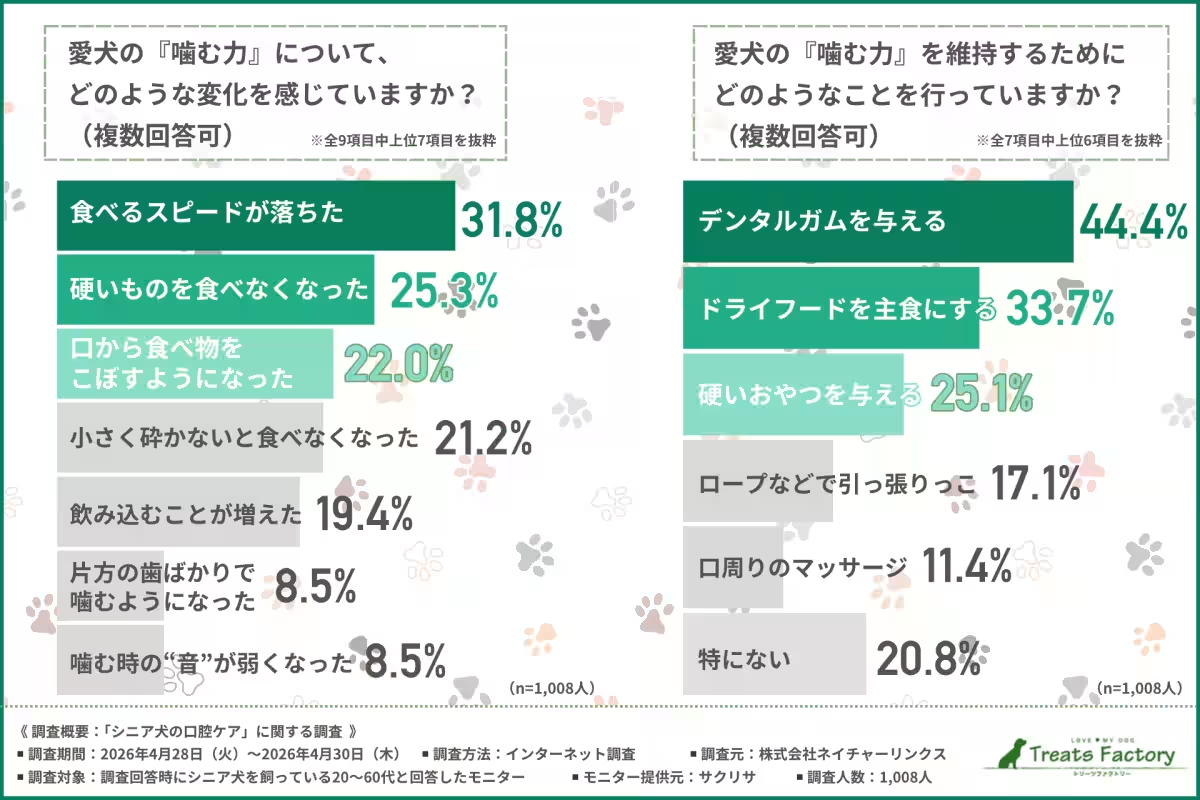
Moreover, as dogs age, many owners noticed a decline in their dogs' chewing abilities, with 31.8% observing that their dogs eat slower, 25.3% saying they avoid hard food, and 22.0% noting increased food spillage. The decline in chewing power is not just a minor symptom of aging; it can also lead to inadequate nutrient intake, necessitating owner awareness and proactive measures.
To support chewing capacity, many owners are providing dental chews (44.4%), incorporating dry food into diets (33.7%), and offering hard treats (25.1%), thus ensuring that their senior dogs can enjoy their meals and maintain dental health effectively.
Conclusion
The findings from Nature Links’ survey highlight a proactive attitude among dog owners regarding senior dogs’ aging and health maintenance. With a keen sensitivity to signs of aging, many seek to address their pets' needs not just for longevity, but also for a sustained quality of life. Their commitment to regular oral hygiene practices and the integration of veterinary care into daily routines reflect a holistic approach to pet health. Nevertheless, there remains significant room for improvement in understanding the implications of dental health on overall well-being, which future educational initiatives should address.
For those seeking to provide the best for their four-legged friends, consider reliable products from TREATS FACTORY, which delivers high-quality health-oriented pet products to enhance your dog's life.


Topics Other)

【About Using Articles】
You can freely use the title and article content by linking to the page where the article is posted.
※ Images cannot be used.
【About Links】
Links are free to use.