



Overcoming the 'Pre-Analysis Wall': Insights from AI Utilization in Businesses
Understanding the Challenges of AI Utilization in Customer Data Analysis
In recent years, companies have increasingly turned to artificial intelligence (AI) not only to enhance operational efficiency but also to deepen their understanding of customers and improve customer experience (CX). According to a recent survey conducted by Tech Touch Inc., which involved 1,003 professionals responsible for customer data and voice-of-the-customer (VOC) integration, it was found that while there is a wealth of qualitative data available, an alarming 80% of businesses still face significant hurdles in effectively utilizing AI.
The Q1 Issue: Structural Challenges
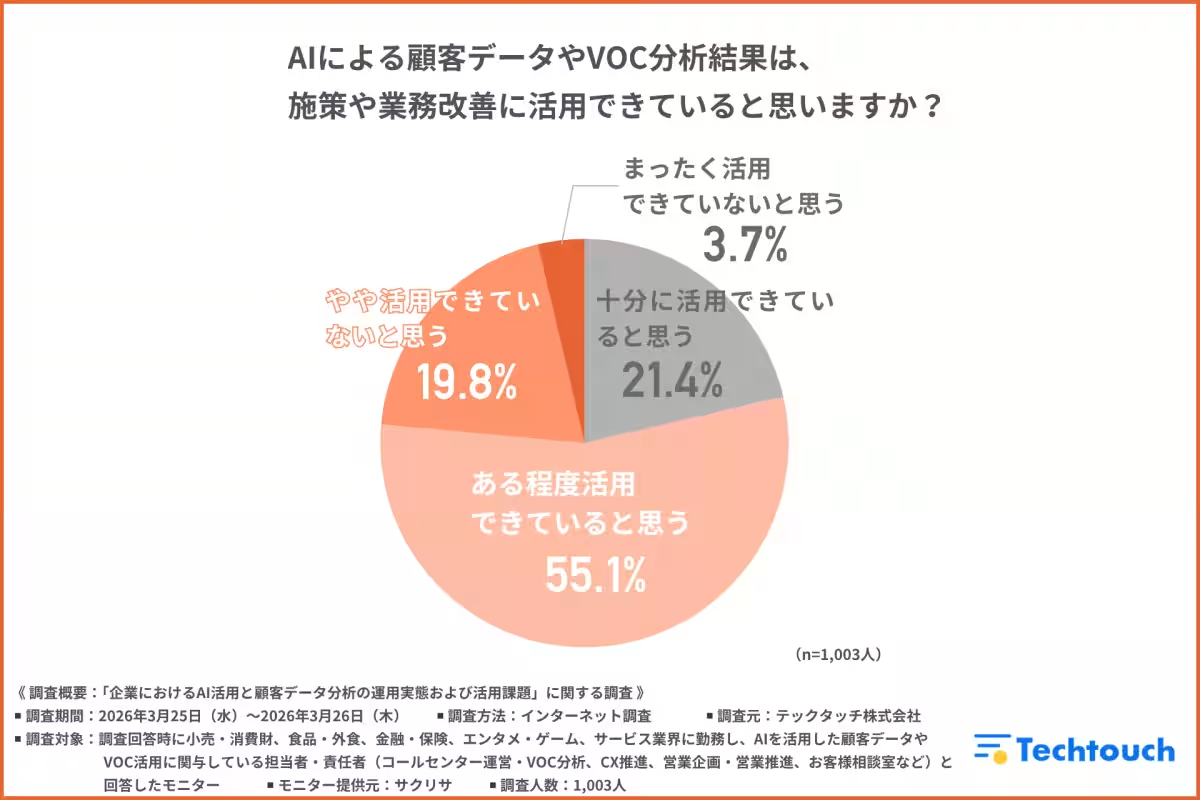
Data collected from various sources, including chat logs, emails, and support interactions, show that only about 20% of respondents feel that their companies are effectively utilizing AI to leverage qualitative data. The survey covered various industries, including retail, financial services, entertainment, and more, highlighting a pervasive issue in AI data utilization.
Purpose of AI Implementation: Beyond Efficiency
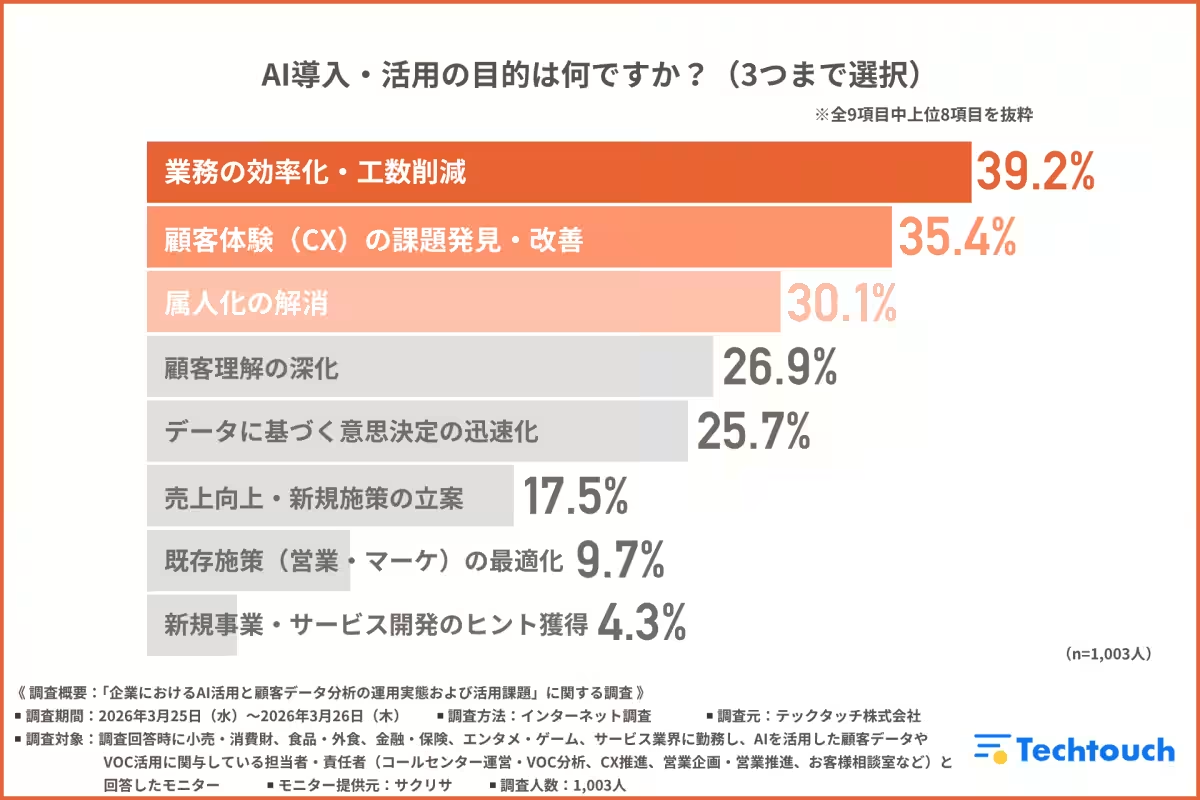
When asked about the primary objectives behind AI implementation, the most common responses included operational efficiency (39.2%), identifying and improving CX issues (35.4%), and alleviating reliance on individual staff members (30.1%). These objectives indicate a shift in how companies view AI—as not just a tool for efficiency but as a vehicle for deeper customer comprehension as well.
The Data at Hand
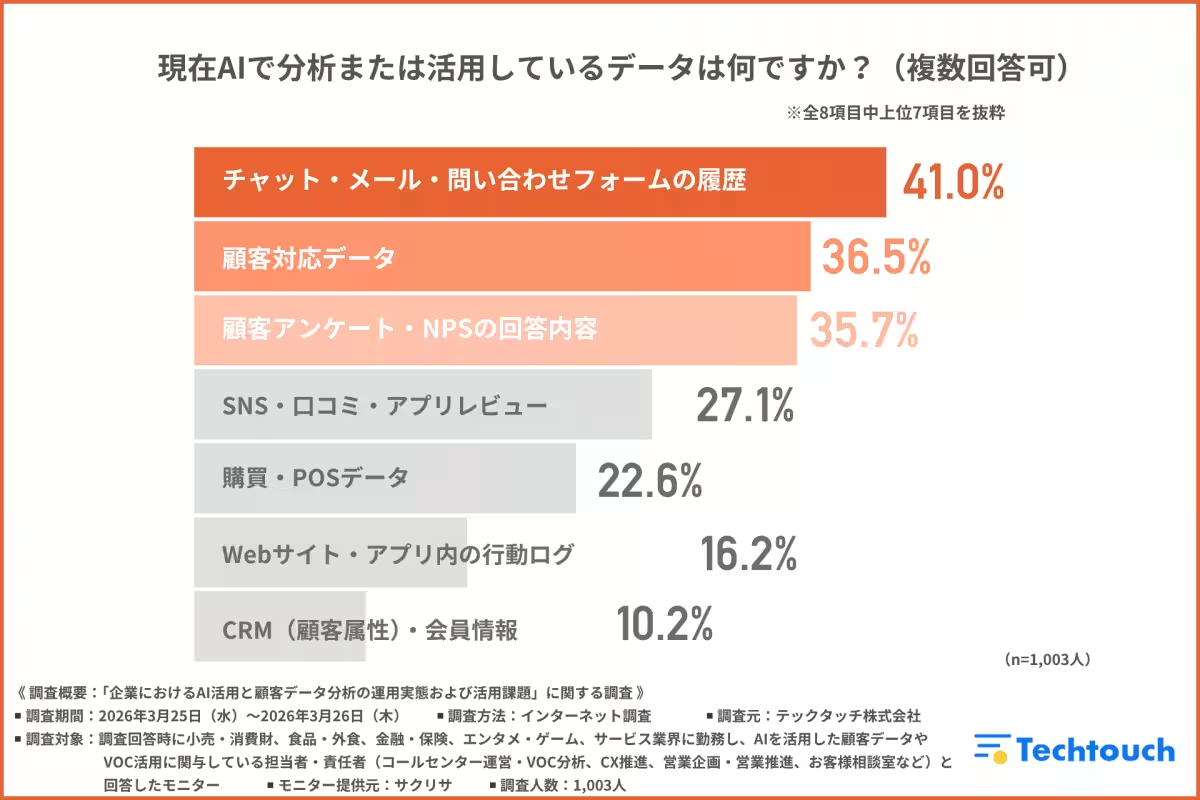
What kind of customer data are these companies trying to analyze? The survey revealed that the most commonly utilized data types include chat and email histories (41.0%), customer interaction logs (36.5%), and survey responses (35.7%). This preference for qualitative data suggests an intention to grasp the underlying sentiments and motivations of customers through AI analysis.
The Real Bottleneck: Data Structuring
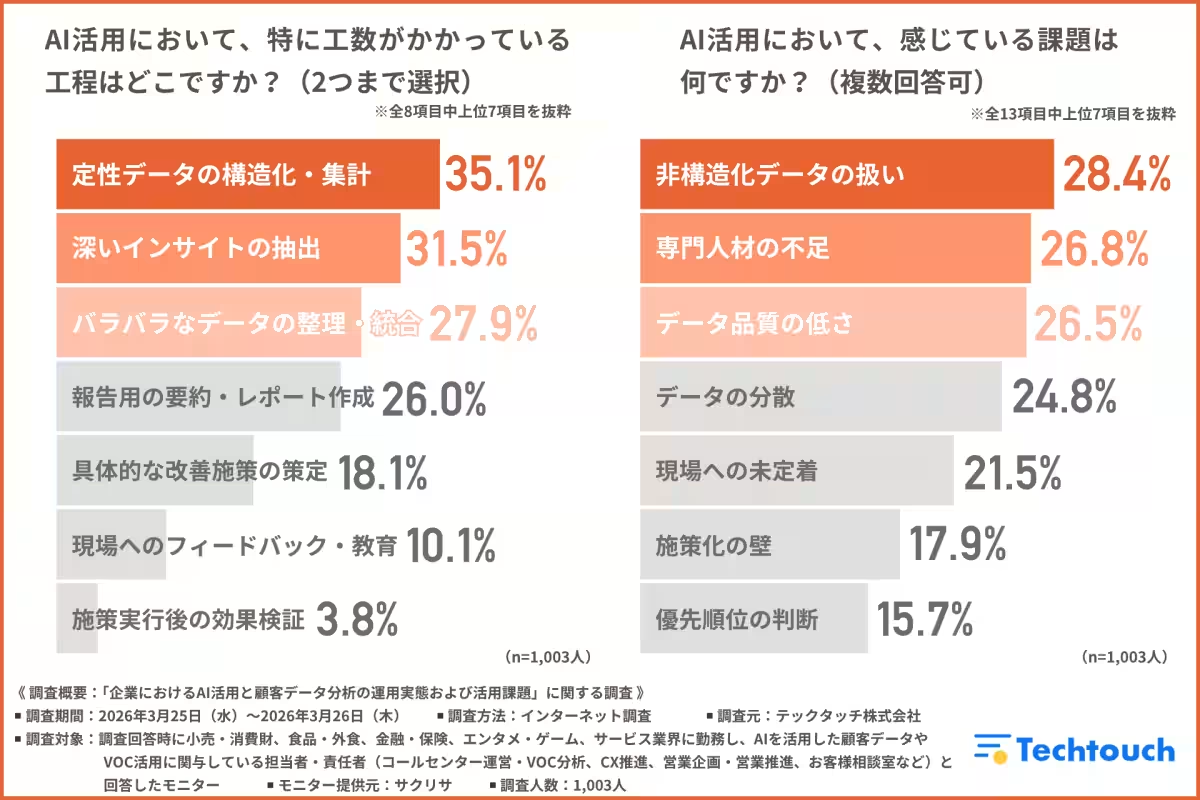
Despite advancements, the survey unveiled a crucial bottleneck in the process: structuring qualitative data. When respondents were asked about the most labor-intensive processes, data structuring and aggregation were cited as the primary challenges (35.1%). Analyzing the complexities embedded in qualitative data presents a significant operational burden, suggesting that companies are still not fully prepared to maximize AI's potential effectively.
Other key challenges included extracting deep insights (31.5%) and organizing disparate data (27.9%). Moreover, many businesses struggle with the nuances of non-structured data, with a significant portion (28.4%) reporting difficulty in analyzing audio and text data.
Results at a Glance: A Disconnect between Implementation and Utilization
The survey findings reveal a disconnection between implementing AI technologies and effectively utilizing their outputs. While about 80% of respondents believed they were leveraging AI outputs effectively, only 21.4% felt they were utilizing these insights fully. The results indicate that while many organizations are capable of analyzing data, they often fall short of creating actionable initiatives based on those analyses.
The Key to Success: Integration and Insight Extraction
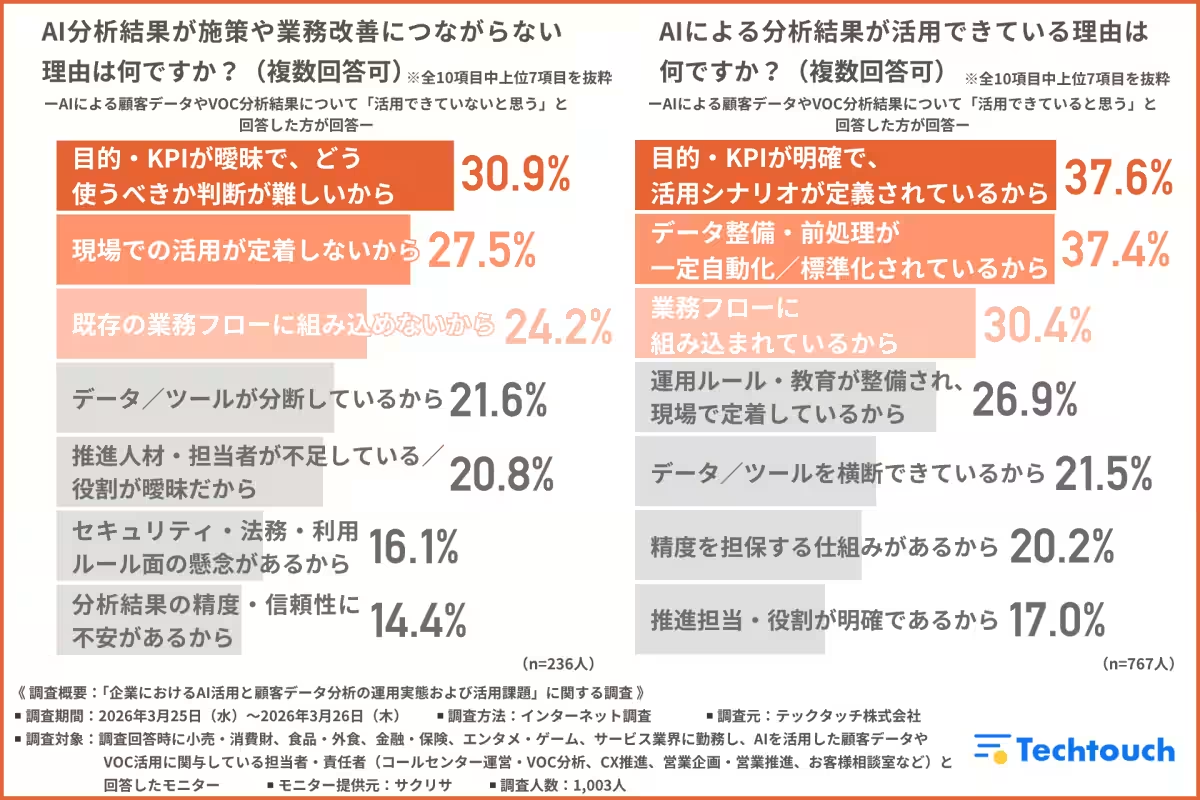
The difference between organizations that harness AI effectively and those that do not appears to lie in their operational frameworks. Companies that reported success attributed it to having clear objectives and key performance indicators (KPI), efficient data processing, and integration of analysis into existing workflows. In contrast, many of those who struggled with AI utilization cited ambiguity in purpose and lack of necessary integration as barriers.
Envisioning the Future of AI Utilization
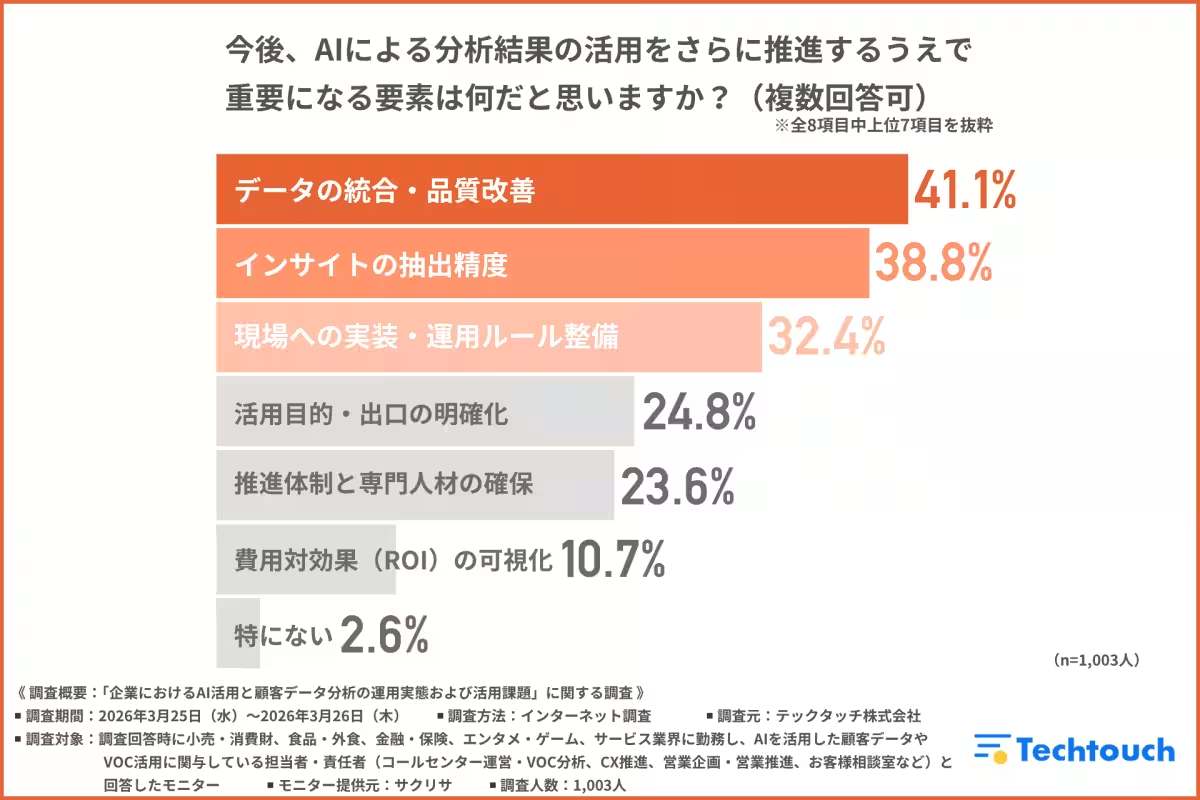
In conclusion, the pathway forward for companies looking to improve AI utilization lies in addressing data quality and integration challenges. As organizations begin to recognize the importance of creating a reliable data foundation, the focus shifts from simply implementing AI to ensuring its effective operational application. With success predicated not on the presence of AI but on the capacity to leverage it as a functional resource, the key question for businesses becomes how to foster an environment where AI-driven insights can inform ongoing strategies and initiatives effectively.
For more detailed insights, you can access the complete survey report here: Tech Touch Whitepaper.


Topics Business Technology)
【About Using Articles】
You can freely use the title and article content by linking to the page where the article is posted.
※ Images cannot be used.
【About Links】
Links are free to use.