



Combatting the Struggles of Sleeping During the Rainy Season: Insights from Recent Research
Overcoming Sleep Discomfort During the Rainy Season
With the transition into the rainy season, many adults experience increased fatigue and sluggishness. A recent survey conducted by wellness brand mariness highlights that nearly 50% of individuals aged 30 to 50 struggle with sleep during this time. Common solutions, such as relying on air conditioning or opting for lighter sleepwear, may not be as effective as previously thought.
Understanding the Problem
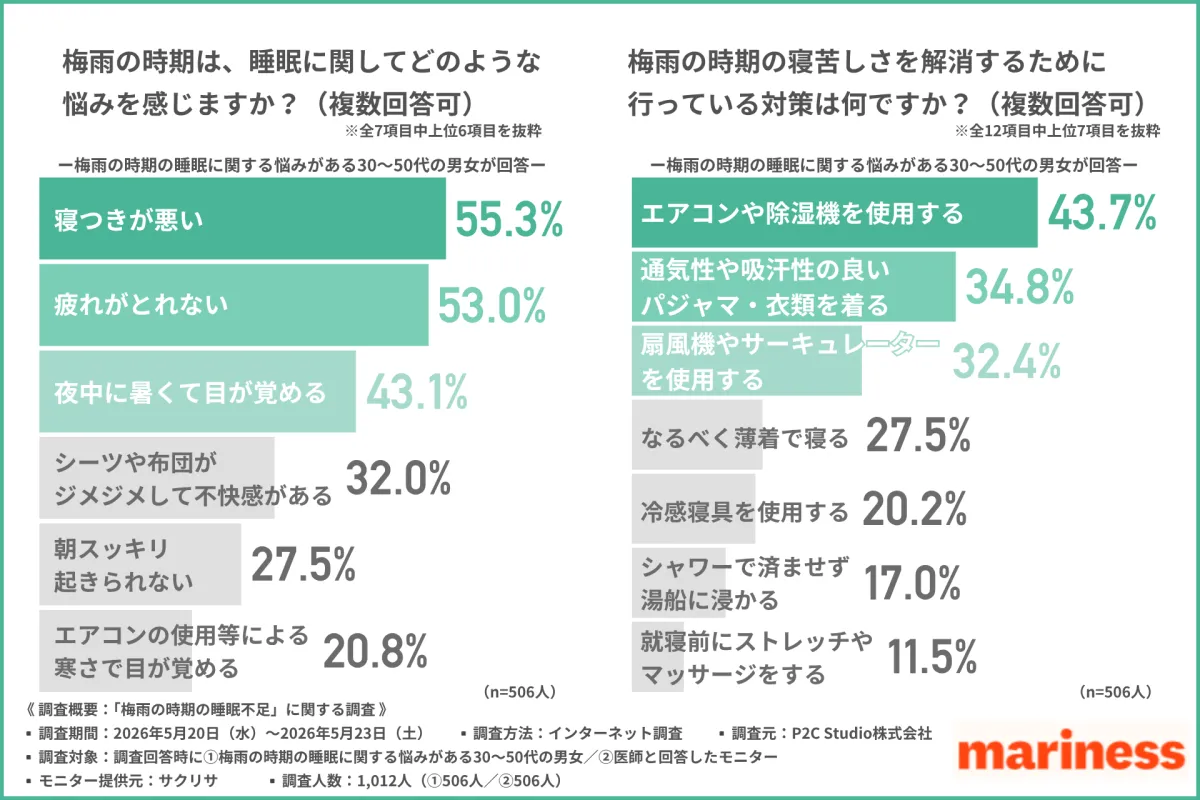
The rainy season, spanning from June to July, brings not only increased humidity but also added mental and physical strain. Many respondents reported feeling heavy and fatigued upon waking. When asked about their specific sleep concerns, the most common issues included difficulty falling asleep (55.3%), fatigue upon waking (53.0%), and waking up due to heat during the night (43.1%). These findings indicate that environmental factors such as pressure changes and high humidity are affecting sleep quality.
Existing Solutions and Their Efficacy
The survey asked participants how they are coping with the discomfort of sleep during the rainy season. The most common strategy was using air conditioning or dehumidifiers (43.7%), followed by wearing breathable and sweat-absorbing pajamas (34.8%), and using fans or circulators (32.4%).
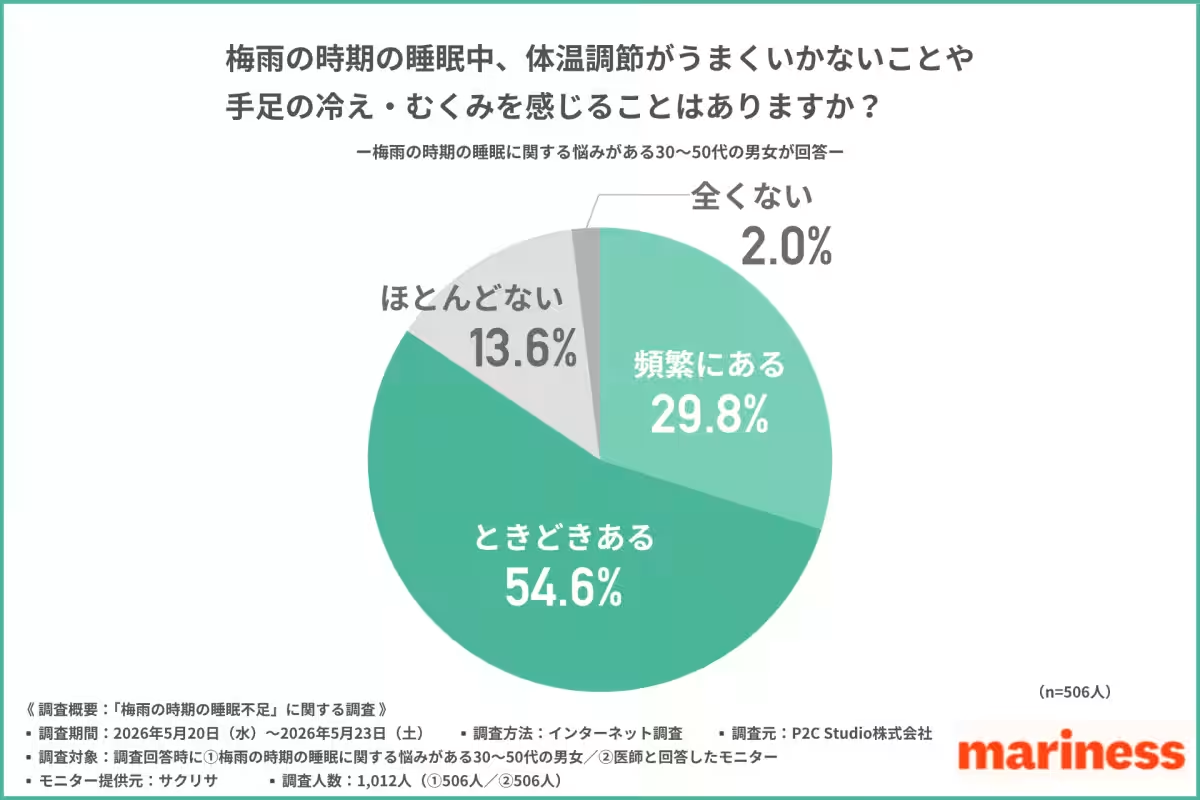
Despite these attempts, approximately 80% of participants reported experiencing challenges related to body temperature regulation, such as cold extremities and swelling. This trend reflects a pressing need to address not just environmental factors, but also how personal choices regarding sleepwear might contribute to discomfort.
Sleepwear Choices: Function vs. Comfort
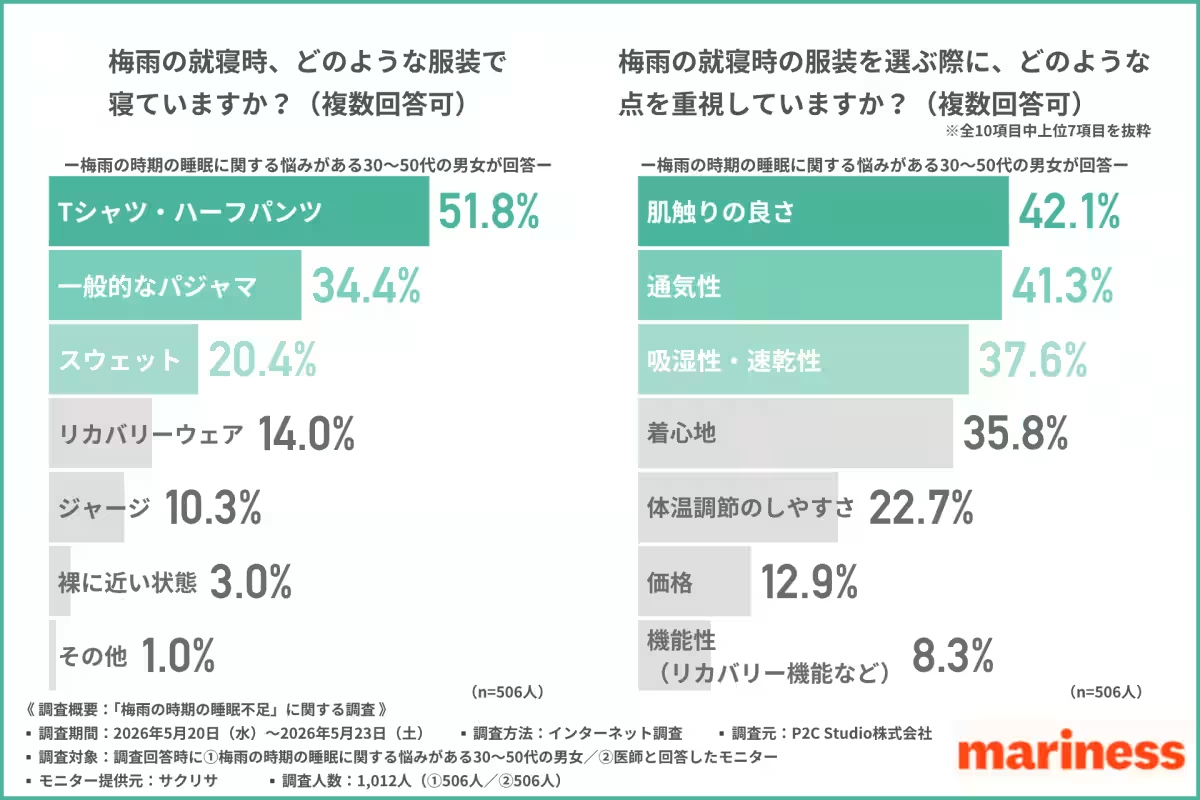
When asked about their sleep attire, participants revealed that a significant number (51.8%) opt for t-shirts and shorts, with more traditional pajamas following behind (34.4%). This suggests a preference for comfort and coolness during the humid months. However, the focus on tactile comfort and breathability in sleepwear often overshadows the critical aspect of temperature regulation.
Physician Insights
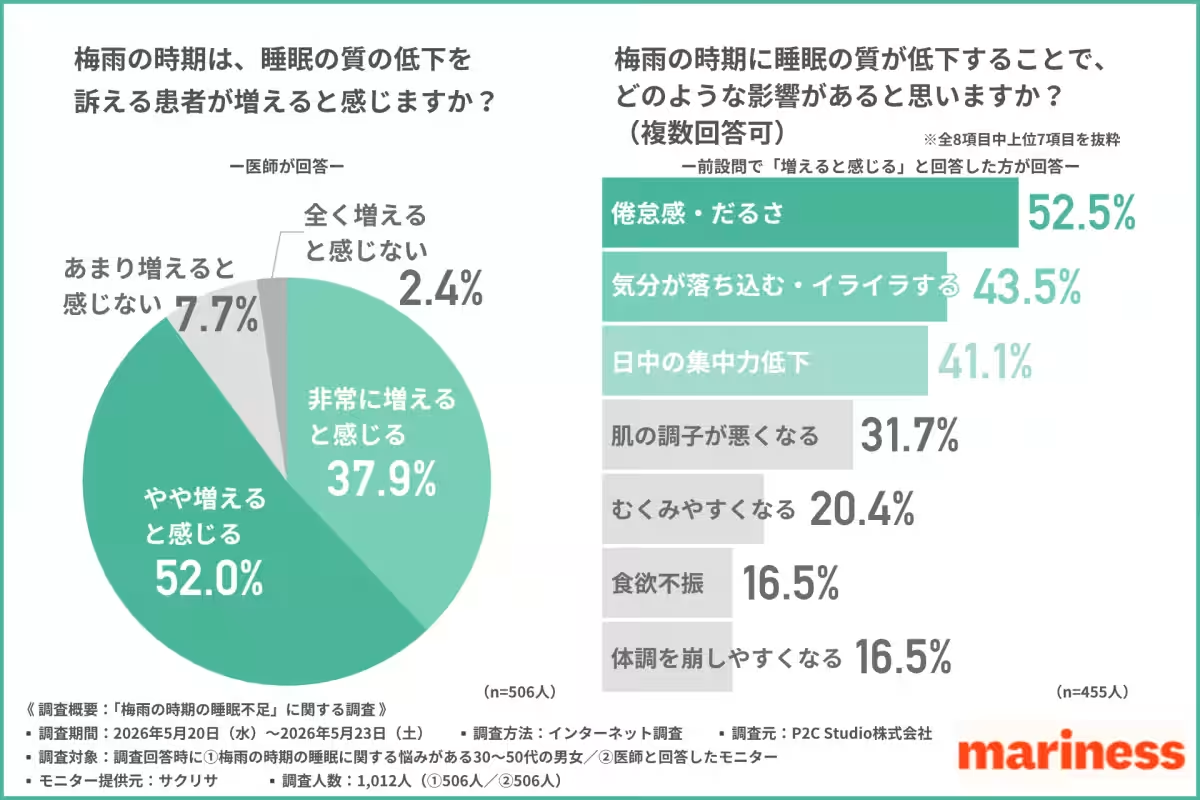
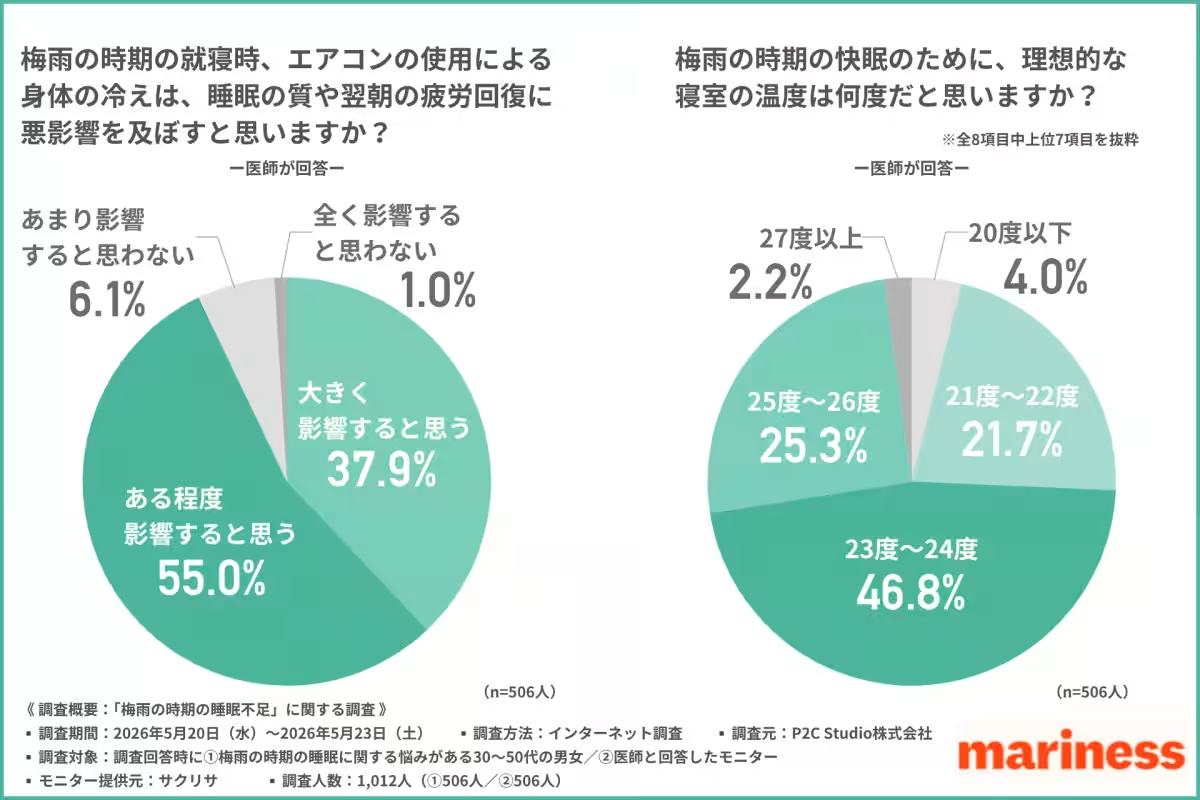
From a medical standpoint, nearly 90% of the doctors surveyed noted a noticeable increase in patients reporting sleep issues during the rainy season. Responses indicated potential ramifications of poor sleep quality, including fatigue (52.5%), mood fluctuations (43.5%), and reduced concentration (41.1%). Most physicians attribute these challenges, in part, to reliance on air conditioning, which can exacerbate the problem of body temperature regulation.
Generating Better Sleep Environments
To mitigate the adverse effects of cold caused by air conditioning while ensuring a comfortable sleep, doctors recommend maintaining an ideal room temperature between 23°C and 26°C. A balanced approach to room temperature can alleviate some discomfort associated with the sticky, humid climate of the rainy season and also enhance sleep quality.
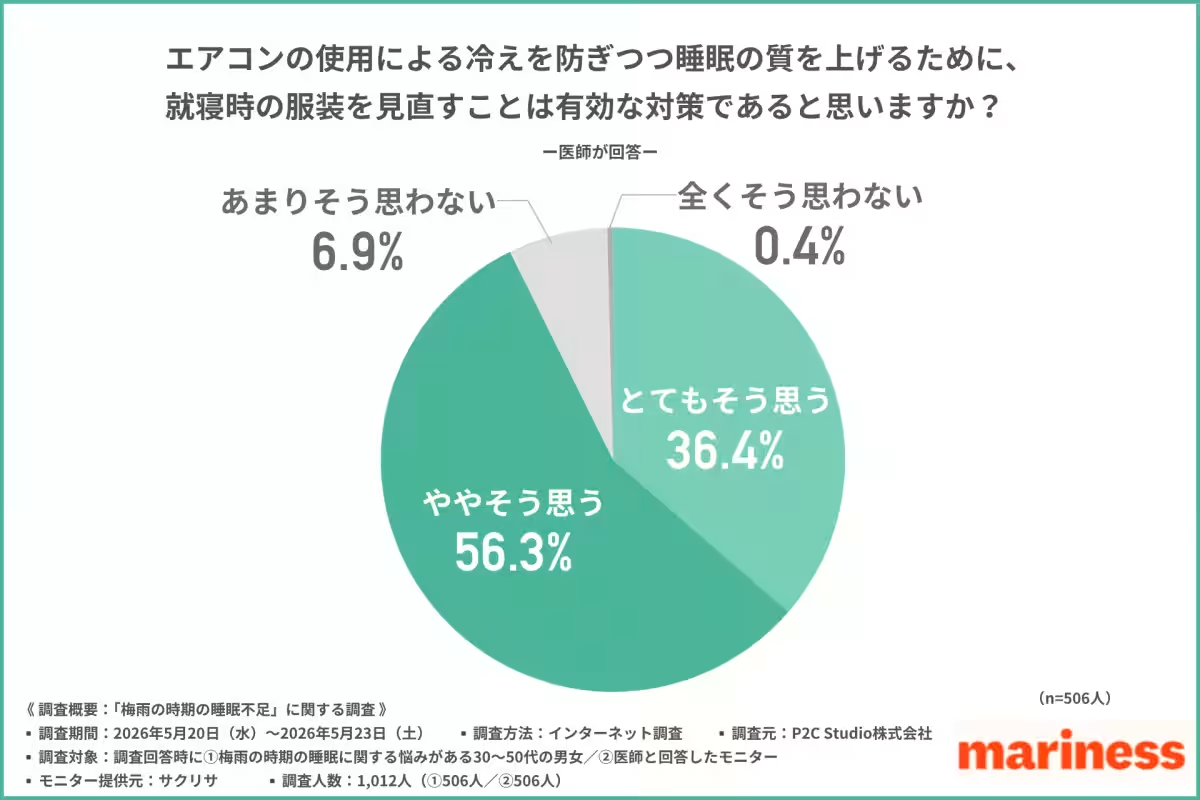
Looking forward, the integration of mindful attire choices and climate control strategies becomes essential for better sleep outcomes. Approximately 90% of doctors believe that reevaluating sleepwear is a viable solution for improving sleep quality.
Conclusion: Smart Adjustments for Quality Sleep
In conclusion, the research underscores the importance of optimizing both climate control and sleepwear to enhance sleep quality during the rainy season. By prioritizing temperature regulation alongside breathability, individuals can reduce the accumulation of sleep debt that is so common during this period.
Also, products like NEMUREC pajamas developed by mariness serve as an innovative solution, offering high-quality breathable cotton fabric while addressing the thermal comfort needs of sleepers. Understanding these elements and making informed choices can significantly contribute to better mental and physical health during challenging weather conditions.
For those seeking assistance, it might be worthwhile to explore options that promote not just comfort but true thermal regulation, ensuring restful nights amidst the challenges of the rainy season.

Topics Health)

【About Using Articles】
You can freely use the title and article content by linking to the page where the article is posted.
※ Images cannot be used.
【About Links】
Links are free to use.