




Understanding Generational Differences in Food Awareness and Well-Being: A Comprehensive Report
Understanding Generational Differences in Food Awareness
The Japan Optimization Nutrition Food Association, led by Chairman Hiroshi Ito, is committed to enhancing people's well-being through the promotion of "optimized nutrition food" designed to balance key nutrients. Recently, there has been a growing interest in well-being, which encompasses not just physical health but also mental and social well-being, amid the expanding concept of "Beyond GDP".
Survey Overview
In February 2026, the Association conducted a nationwide survey targeting 3,000 individuals aged 20 to 60, aiming to explore the nuances of food and health awareness across different generations and investigate how these attitudes impact overall well-being.
Key Findings from the Survey
Shift in Food Value Across Generations
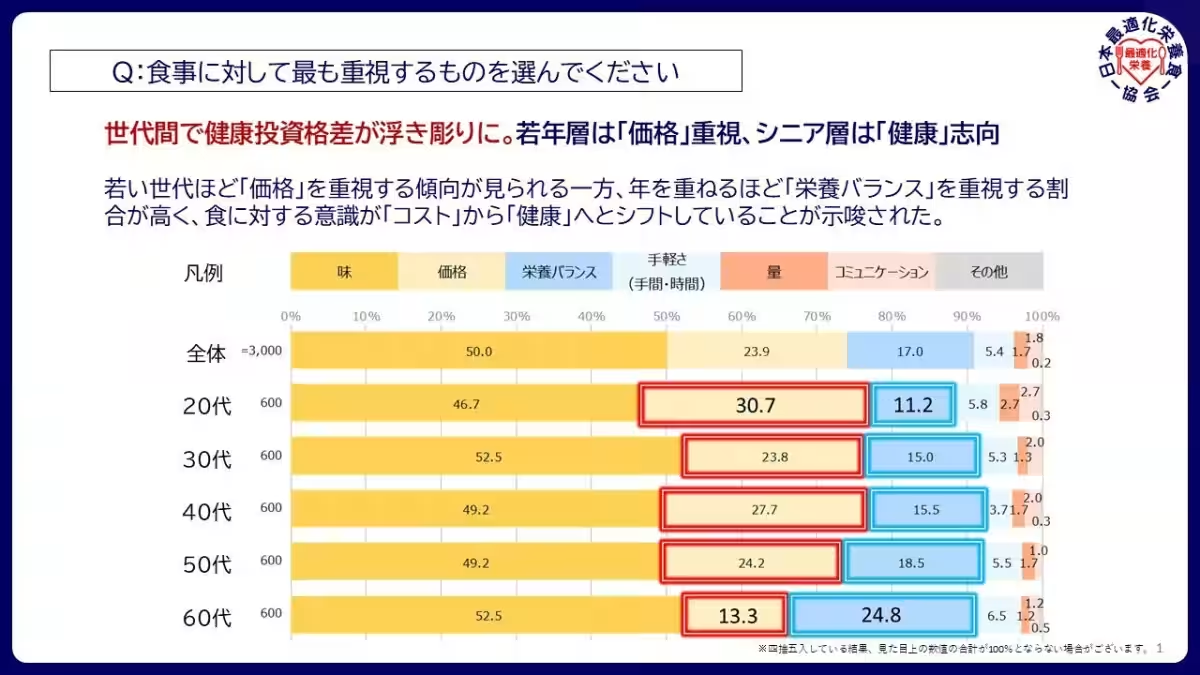
One striking trend revealed that younger generations tend to prioritize cost over health, showing a preference for affordable options at 62.6%. In contrast, older individuals in their 60s place a significant emphasis on nutritional balance, with 73.8% willing to pay more for healthier foods. This shift indicates a move from valuing cost to valuing health in food choices as one ages. Nonetheless, taste remains a top priority across all demographics, reinforcing the idea that the enjoyment of food is essential regardless of age.
Price Sensitivity to Nutritional Value
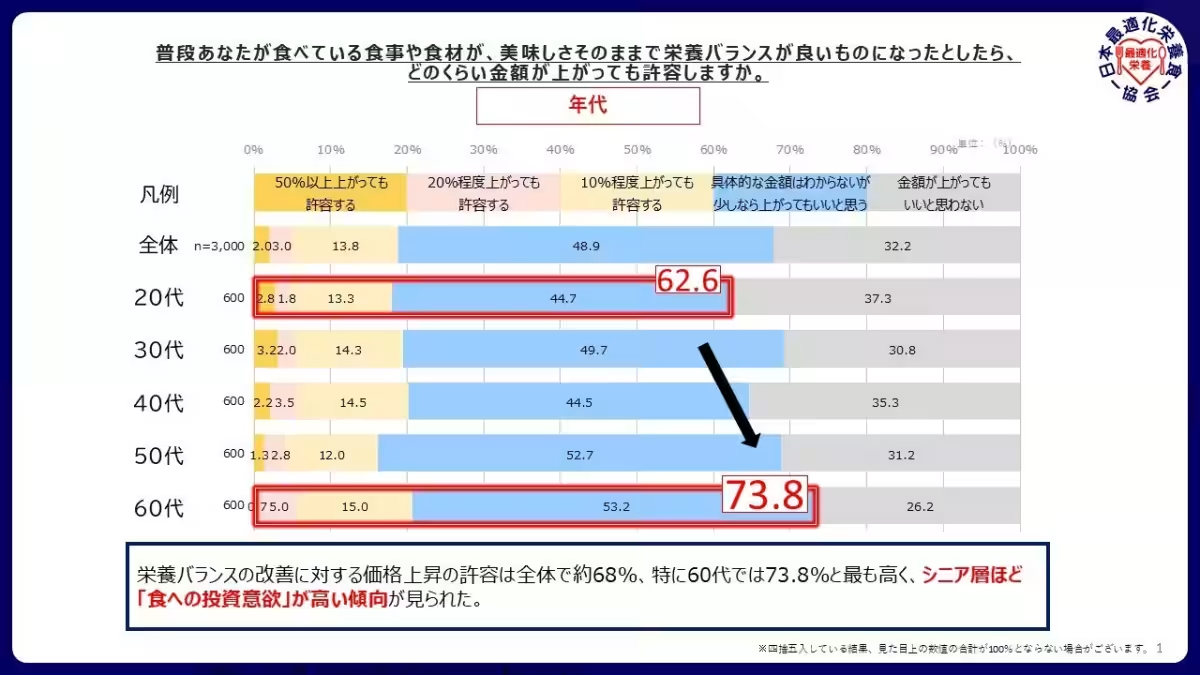
The survey also examined participants' willingness to accept price increases for foods that maintain both taste and nutritional balance. Results showed that while over 62% of individuals in their 20s are open to paying more for nutritious foods, an even higher percentage of seniors (73.8%) share this sentiment, reflecting a generational divide in perceived food value and pricing.
Optimized Nutrition Foods and Their Impact on Well-Being
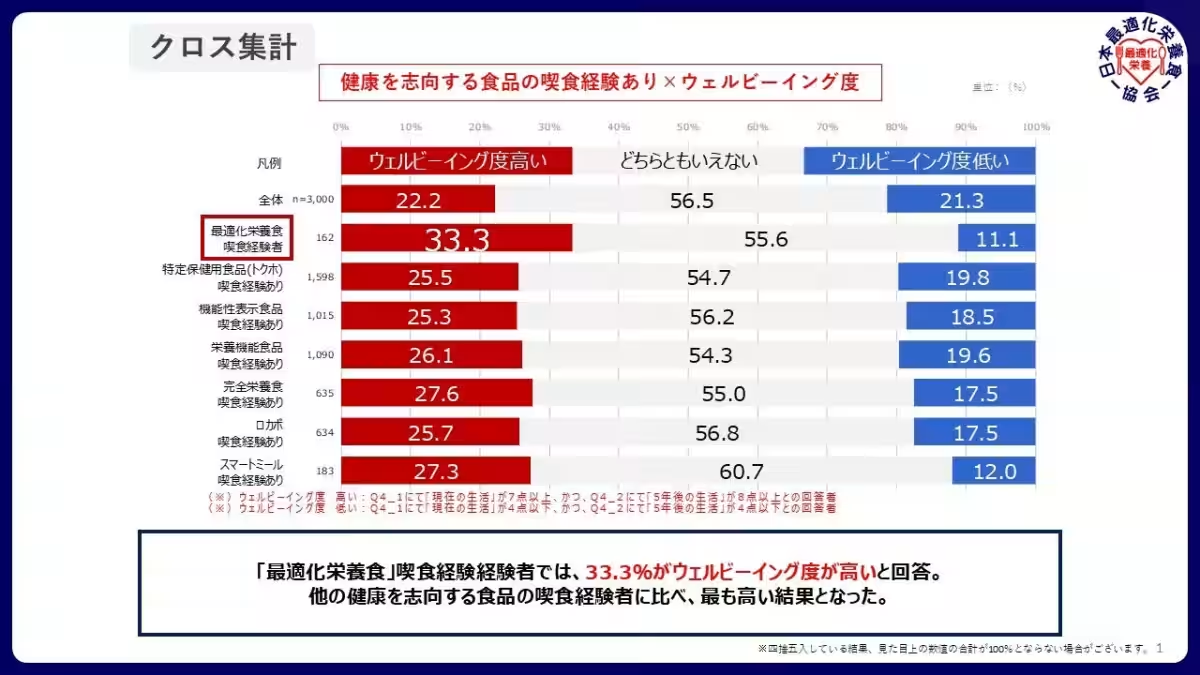
Moreover, the assessment of individuals who have experienced consuming optimized nutrition foods suggests that these products could increase well-being. About 33.3% of those who consumed these optimized diets reported a high level of well-being, contrasting sharply with only 11.1% of individuals who indicated low well-being levels, highlighting the potential benefits of such dietary choices.
Insights and Future Directions
The findings indicate that food is more than just a source of nutrients; it plays a pivotal role in enhancing overall well-being physically, mentally, and socially. The significant differences in values associated with food among generations underline the importance of adapting nutritional strategies to cater to varying needs and preferences. The Association also emphasizes the relevance of optimized nutrition foods in contributing to improved well-being outcomes, underscoring their vital role in future dietary choices.
The Japan Optimization Nutrition Food Association aims to continue promoting optimized nutrition foods as a pathway to achieving enhanced well-being through informed food choices. All interested parties can download the comprehensive survey report from the following link: Full Report Download.
About the Japan Optimization Nutrition Food Association
Founded with the mission of improving well-being through balanced diets, the Association undertakes various activities including setting standards for optimized nutrition foods, conducting research, and promoting public awareness to facilitate healthier food choices tailored to individuals’ lifestyles and needs.
Conclusion
As the dialogue around health and well-being evolves, understanding generational differences in food awareness will be crucial in shaping future dietary trends and optimizing nutritional offerings. The anticipated role of optimized nutrition foods promises a healthier future for diverse populations that prioritize both taste and health in their food choices.

Topics Health)

【About Using Articles】
You can freely use the title and article content by linking to the page where the article is posted.
※ Images cannot be used.
【About Links】
Links are free to use.