



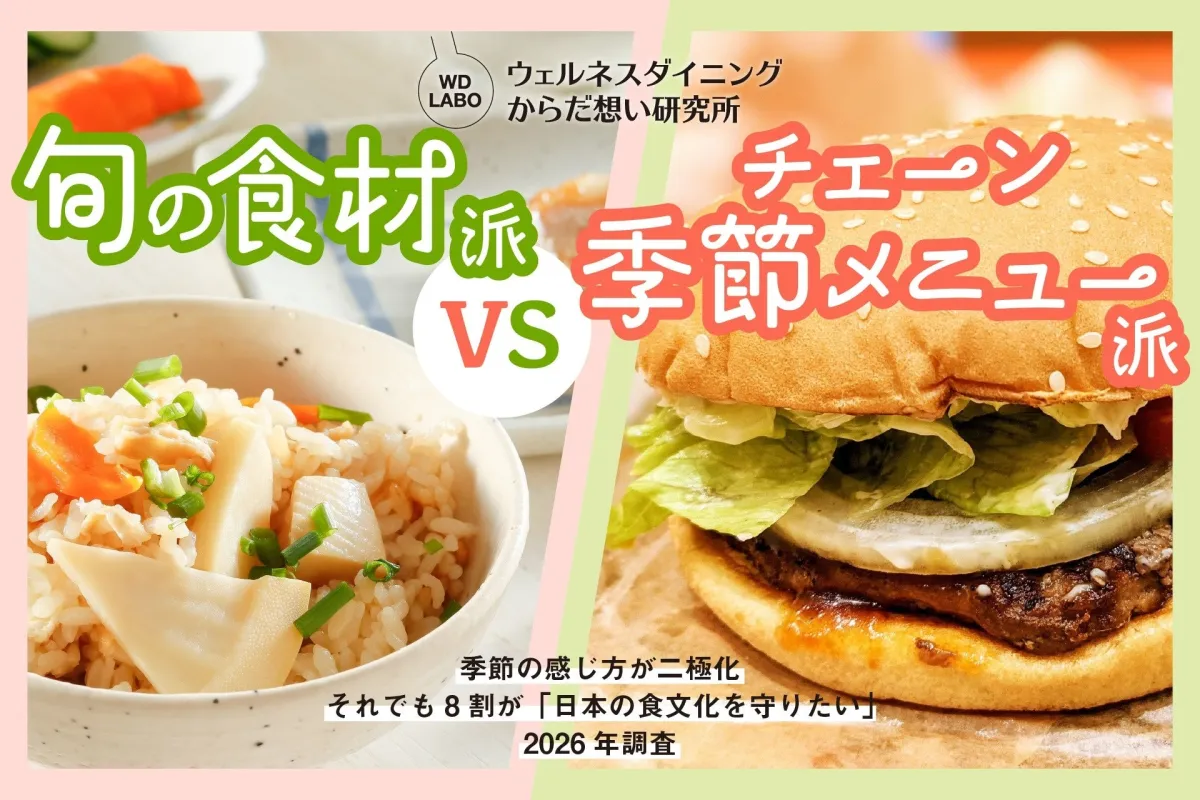
The Divergence of Seasonal Food Culture in Modern Japan: A Survey Analysis
The Divergence of Seasonal Food Culture in Modern Japan: A Survey Analysis
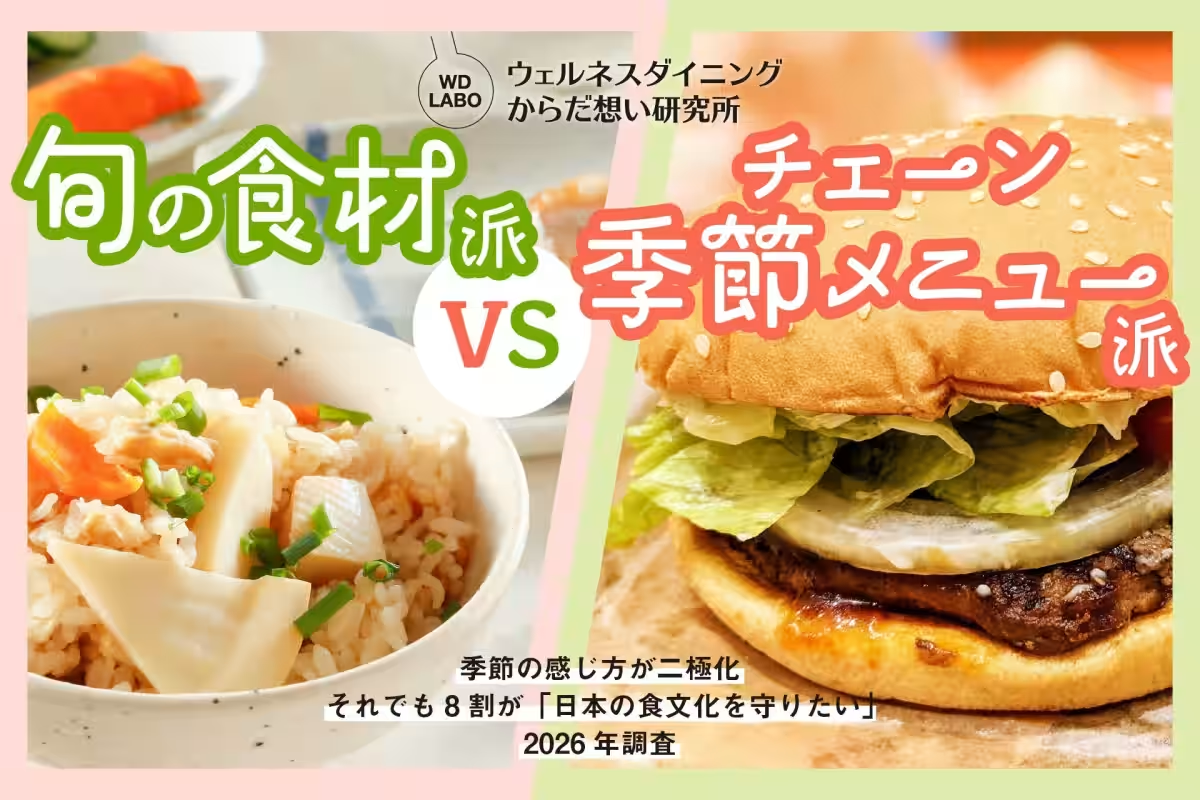
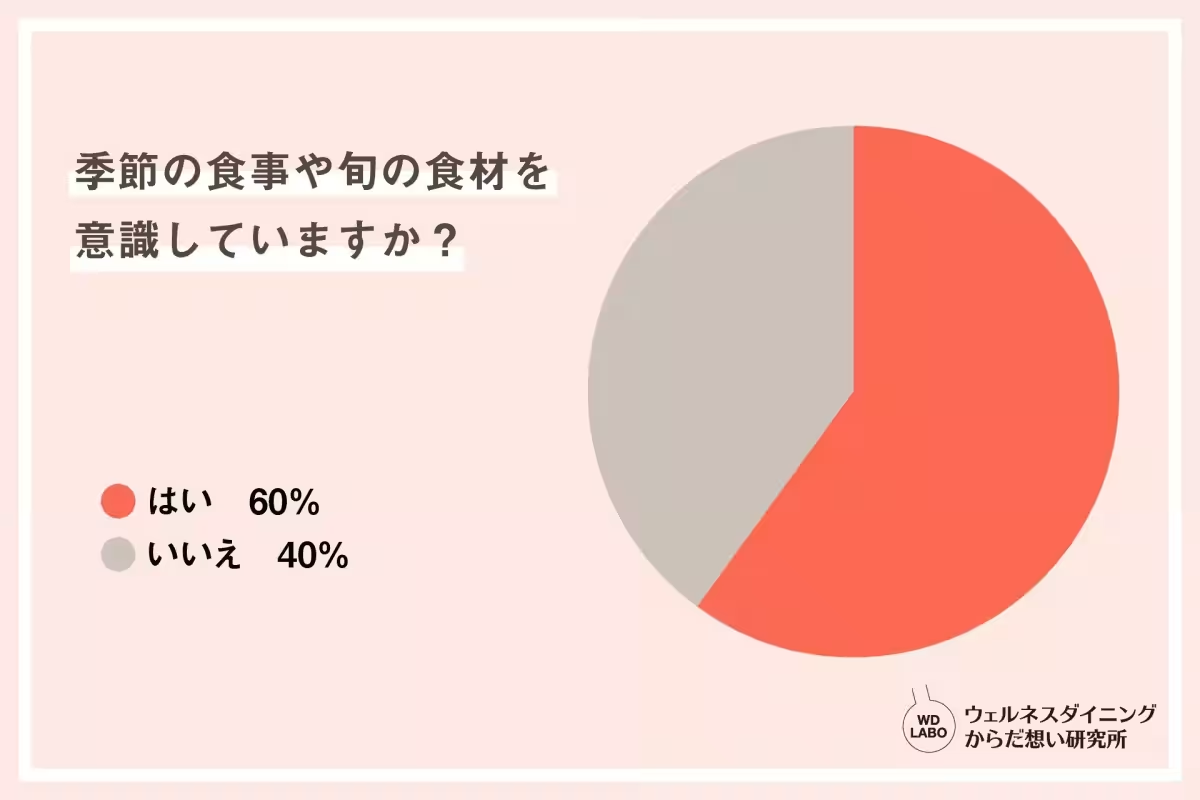
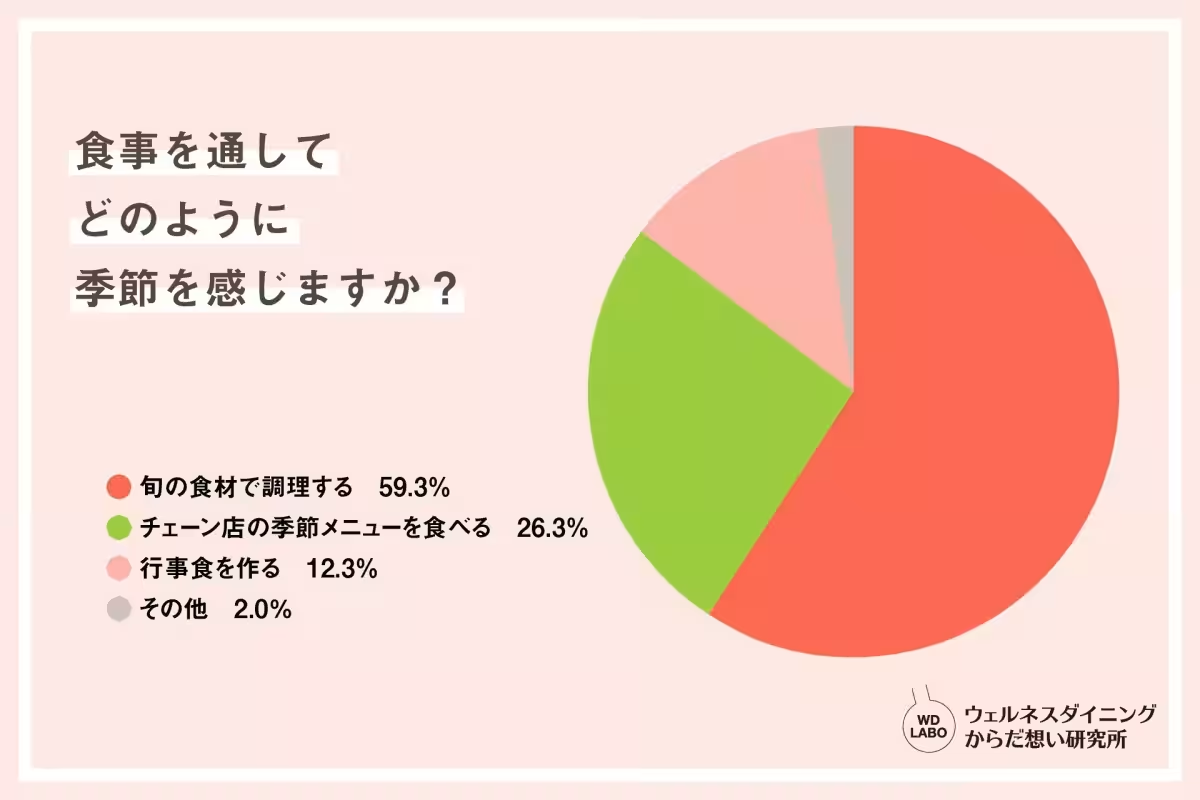
In a recent survey conducted by Wellness Dining, a Tokyo-based company, compelling insights into Japanese food culture have come to light, highlighting a significant divide in how people experience seasonal cuisine. The survey, which included 300 participants from various demographics, revealed that more than half (60%) consciously consider seasonal ingredients in their meal preparations. However, a notable 26.3% of respondents reported relying on seasonal menu items from chain restaurants as a primary method for experiencing the changing seasons through food.
This bifurcation in seasonal eating habits raises questions about the authenticity of culinary experiences in contemporary Japan. On one hand, there is a strong cohort dedicated to cooking with fresh, seasonal produce, representing a deep connection to traditional culinary practices. On the other, busy lifestyles have led many to turn to the simplicity of chain restaurant offerings, suggesting a shift towards convenience in dining.
Key Findings of the Survey
The survey's results were both enlightening and indicative of broader trends regarding food culture in Japan:
- - About 60% of participants actively focus on seasonal ingredients in their meals.
- - The preferred method of engaging with the seasons for 59.3% of those surveyed was through cooking with fresh, seasonal produce.
- - Despite this, one in four respondents (26.3%) preferred to engage with seasonal offerings at chain restaurants.
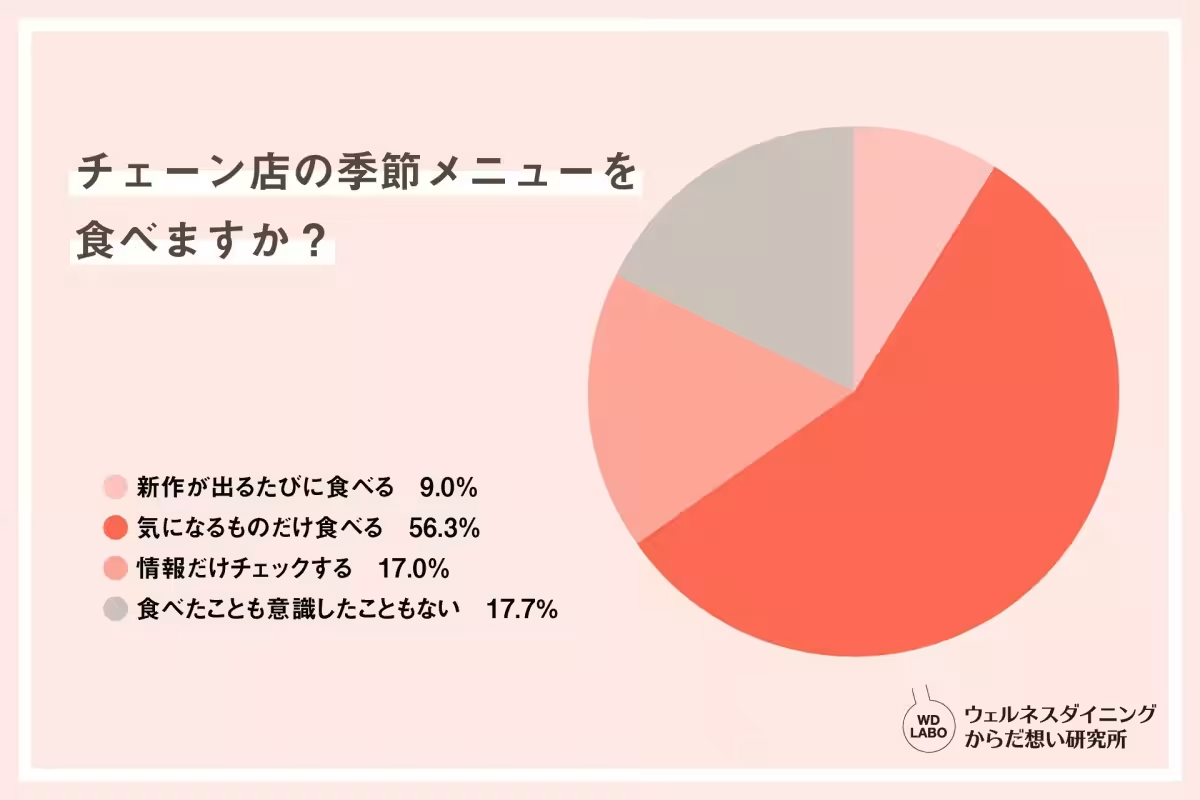
- - When it came to seasonal menu selections, 56.3% indicated they only tried items they found appealing, while merely 9.0% sampled every new season's offering.
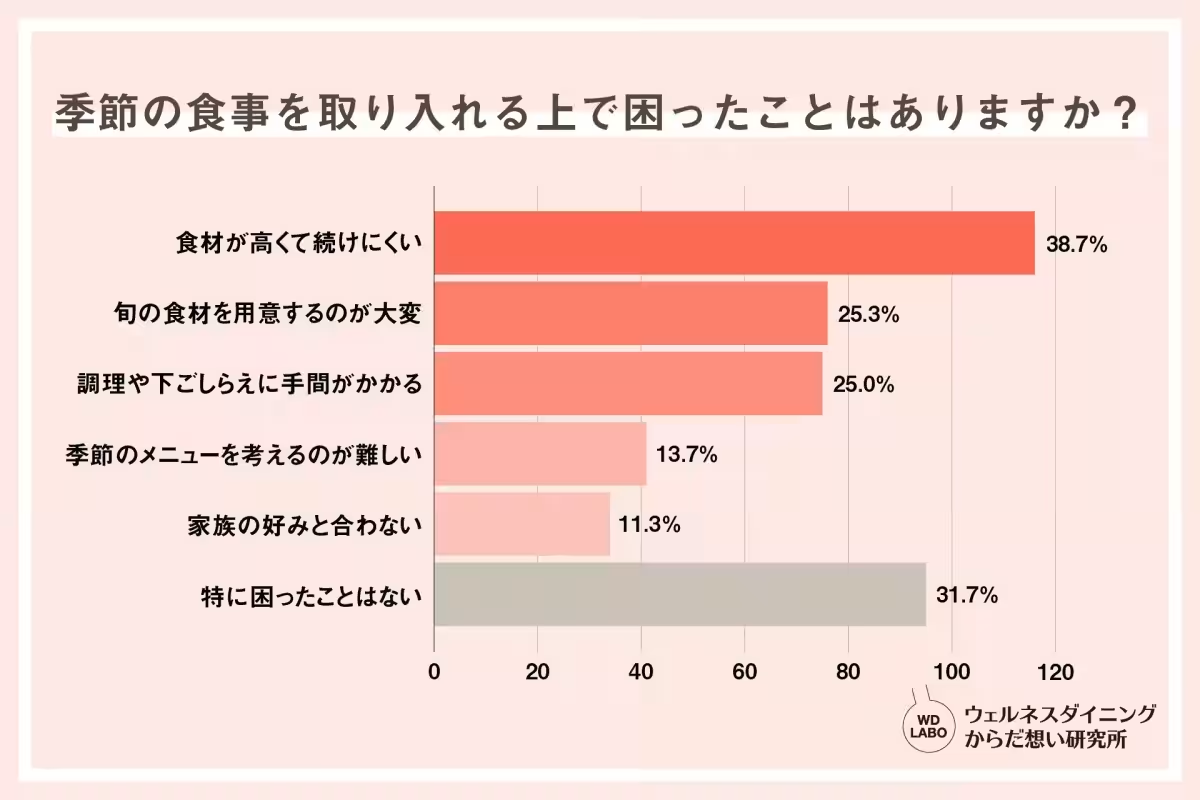
- - Respondents expressed concerns over the cost of seasonal ingredients, with 38.7% identifying this as a significant barrier.
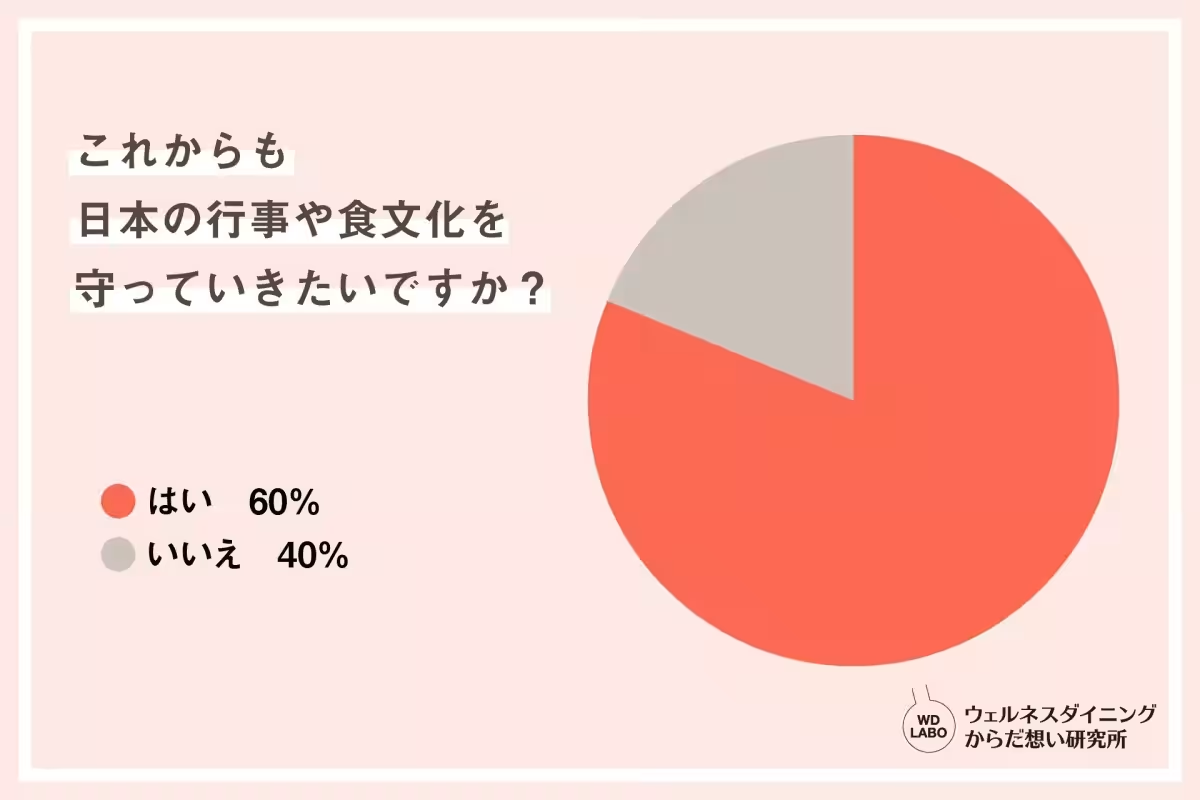
- - A resounding 81.3% affirmed their desire to preserve Japan's culinary traditions.
Exploring the Seasonal Eating Experience
Participants were asked to share how they sensed the changing seasons through food. Just under 60% mentioned preparing dishes with seasonal ingredients, while a quarter looked to chain restaurant menus for that experience. Notably, cooking at home was the preferred choice for many, reflecting a commitment to traditional meal preparation amidst modern conveniences.
Conversely, the results indicated a growing reliance on chain restaurants for seasonal experiences, revealing a duality in preferences. This trend suggests that the age-old practice of home cooking is now being complemented by quicker, easily accessible dining options, indicative of a shifting cultural landscape in which efficiency is prized alongside tradition.
Challenges in Embracing Seasonal Eating
While the eagerness to incorporate seasonal ingredients into diets is evident, the survey highlighted practical obstacles: rising costs of ingredients and the effort involved in meal preparation. Nearly 39% of participants noted that the high price of seasonal produce made it difficult to maintain a consistent seasonal diet. In contrast, only 11.3% expressed that their family’s preferences made seasonal cooking difficult.
These challenges underscore a pressing need for solutions that lower the barriers to embracing seasonal foods. A significant portion of respondents also expressed a desire for straightforward, practical methods to better integrate these ingredients into their daily meals.
Preserving Japanese Culinary Traditions
Despite the challenges, the strong desire to preserve Japanese cultural food practices persists. The survey found that a staggering 81.3% of respondents affirmed their commitment to continue enjoying and upholding traditional culinary customs. This statistic speaks volumes about the cultural significance attributed to food in Japan, where every season is often marked by specific dishes that celebrate nature's bounty.
Nutritional Guidance from Experts
Wellness Dining's nutritionists emphasize the health benefits of incorporating seasonal ingredients into everyday meals. For instance, spring vegetables like bamboo shoots and rape blossoms are rich in fiber and vitamins, supporting digestive health and immune functions. Yet, the survey results raise the importance of accessibility and ease in integrating these foods into busy lifestyles.
Practical Tips for Seasonal Eating:
- - Integrate just one or two seasonal vegetables into side dishes to start.
- - Take advantage of frozen seasonal vegetables or meal delivery services.
- - Don't hesitate to use store-bought or pre-prepared items for traditional celebratory meals.
- - Embrace chain restaurants as an introduction to seasonal menus without compromising the experience.
The key takeaway is not to strive for perfection but to incorporate small elements of seasonality into daily life. Such incremental changes can significantly contribute to overall well-being and foster a deeper appreciation for Japan’s rich culinary heritage.
Conclusion
The survey conducted by Wellness Dining indicates a compelling narrative in modern Japanese food culture. There exists a harmonious blend between those who seek to savor the seasons through home cooking and those who turn to the convenience offered by chain restaurants. Regardless of the method, the fundamental desire to connect with food through the lens of the seasons remains a strong common thread. In today's fast-paced world, creating an environment that encourages sustainable, diverse choices while maintaining cultural legacies is essential for the future of Japanese food culture.

Topics Consumer Products & Retail)


【About Using Articles】
You can freely use the title and article content by linking to the page where the article is posted.
※ Images cannot be used.
【About Links】
Links are free to use.