




Exploring the Reasons Behind the Career Change of Veterinary Nurses in Japan
Understanding the Shift: Why Veterinary Nurses are Changing Careers
In recent years, the role of veterinary nurses has evolved significantly in Japan, especially since the establishment of the 'Companion Animal Nurse' national qualification in 2022. This change has brought heightened expectations for the specialization and expertise of these professionals. However, the reality on the ground is often quite different, leading to a notable trend: many veterinary nurses are considering a career shift. A recent report by TYL, a rapidly growing venture company based in Tokyo, sheds light on the reasons behind this phenomenon based on the personal records of veterinary nurses who consulted with their specialized recruitment agency, Pet Nurse Agent.
Survey Insights
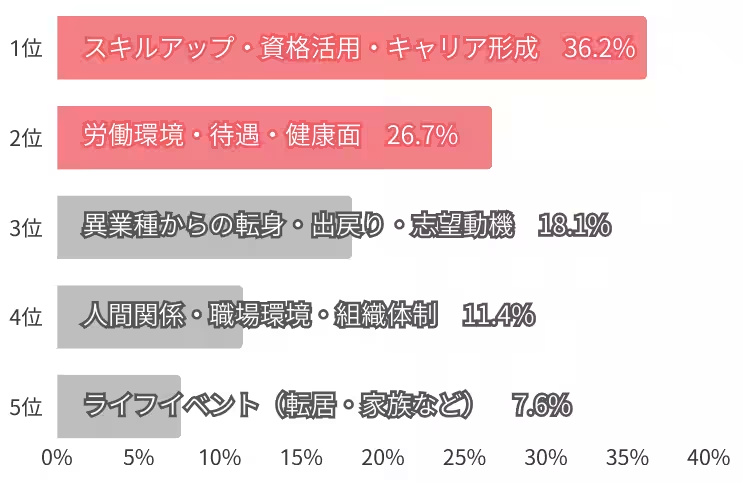
The results of the survey reveal critical insights into the motivations driving veterinary nurses to seek new career paths:
1. Desire to Utilize Skills and Qualifications (36.2%)
The most significant reason behind the decision to change jobs is the desire to make full use of their qualifications and skills. Despite the expanded scope of work following the national qualification, many veterinary nurses report feeling unable to adequately demonstrate their professional capabilities in their current roles. This dissatisfaction has led to an increased interest in finding positions where they can engage in tasks such as blood sampling, anesthesia management, and exotic animal care, all of which align with their qualifications.
2. Concerns about Working Conditions (26.7%)
The second most cited reason for leaving is dissatisfaction with labor conditions, including issues related to health and pay. Although many veterinary nurses have a strong love for animals, the anxiety surrounding workplace benefits—such as lack of social security, minimal holidays, and unguaranteed paid leave or overtime pay—looms large. The harsh reality that passion alone cannot sustain a living has prompted many to seek employment in environments where they feel secure and valued.
3. Desire for a Return to Veterinary Nursing (18.1%)
Interestingly, there is also a subset of veterinary nurses who have ventured into other industries, such as food service or administrative roles, only to find those positions lacking in fulfillment. This phenomenon, termed 'returning career,' highlights the enduring connection veterinary nurses feel toward their profession. Many express a longing to engage once again with animals and pet owners directly, demonstrating the unique emotional pull of the veterinary nursing field.
The Gap between Expectation and Reality
With the creation of a national qualification for veterinary nurses, there was an expectation that the profession would elevate its status and working conditions. However, the feedback collected by TYL points to a significant gap between these expectations and the day-to-day realities faced by veterinary nurses. Many report that despite the increased qualifications, the proportion of their routine tasks remains largely mundane, leaving little room for exercising their professional skills.
This situation underscores the growing need for veterinary practices to adapt and create environments that nurture the specialized skills of their staff, ultimately benefiting both the caregivers and the animals under their care.
Looking Ahead: The Role of TYL
TYL’s mission is clear: to promote the concept of pets as family members. By committing to support veterinary practices and pet owners alike, TYL aims to foster an ecosystem where both animals and their caretakers can thrive. Their initiatives include offering management support to veterinary clinics and conducting surveys that inform the industry of the changing needs of veterinary professionals.
As the profession continues to evolve, understanding the dynamics behind career changes among veterinary nurses is essential. Addressing the concerns highlighted in the survey could lead not only to improved job satisfaction among these professionals but also to better care for the pets they serve.
By prioritizing a supportive and fulfilling work environment, the veterinary nursing field can ensure that these passionate individuals remain dedicated to their noble cause while also achieving their career aspirations.
For further information, you can visit TYL’s corporate site: TYL Corporate Site.

Topics People & Culture)
【About Using Articles】
You can freely use the title and article content by linking to the page where the article is posted.
※ Images cannot be used.
【About Links】
Links are free to use.