



The Growing Gap in AI Utilization Impacts Career Security in the Workplace
Introduction
As artificial intelligence (AI) technology continues to integrate into various industries, it is crucial to understand how workers perceive their ability to adapt to these advancements. A recent survey conducted by Real One Inc. aimed to shed light on the relationship between AI utilization and its implications for career security and employee engagement.
Key Findings
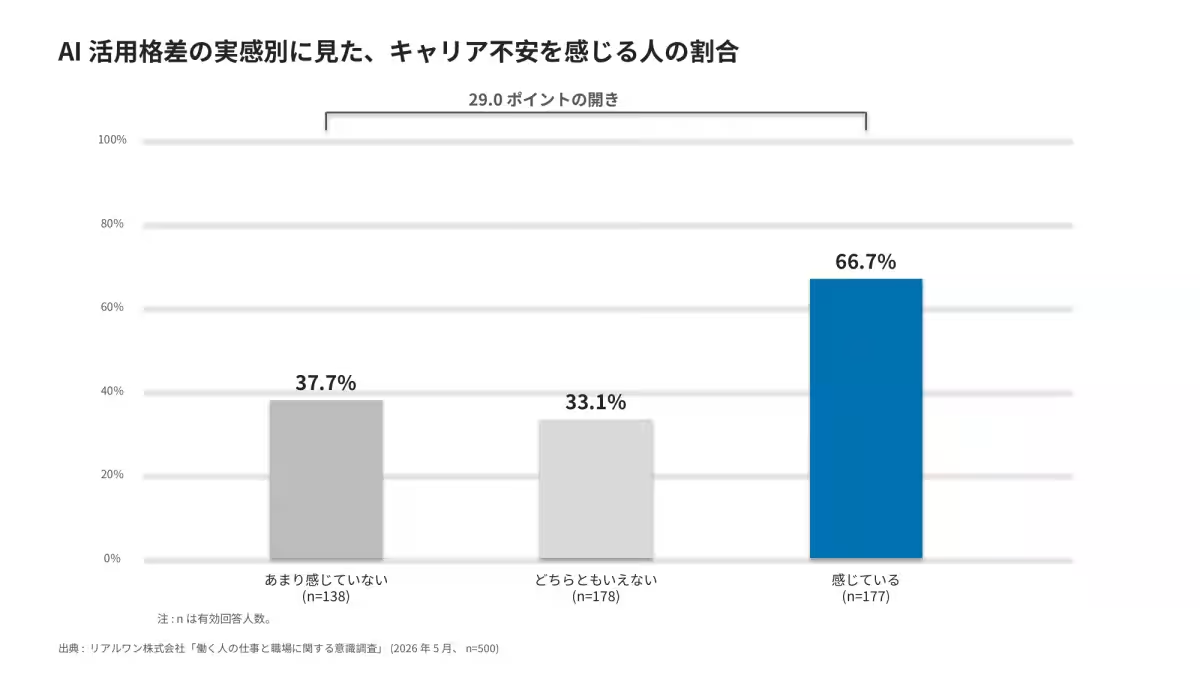
The survey, which included 500 employed individuals, reveals an alarming sense of career insecurity tied to perceived disparities in AI utilization. Among the participants, 66.7% who believed that a gap exists between those who can effectively utilize AI and those who cannot reported feeling anxious about their future careers. This is starkly contrasted by the 37.7% of respondents who did not feel such a gap, representing a significant 29.0-point difference, or approximately 1.8 times greater.
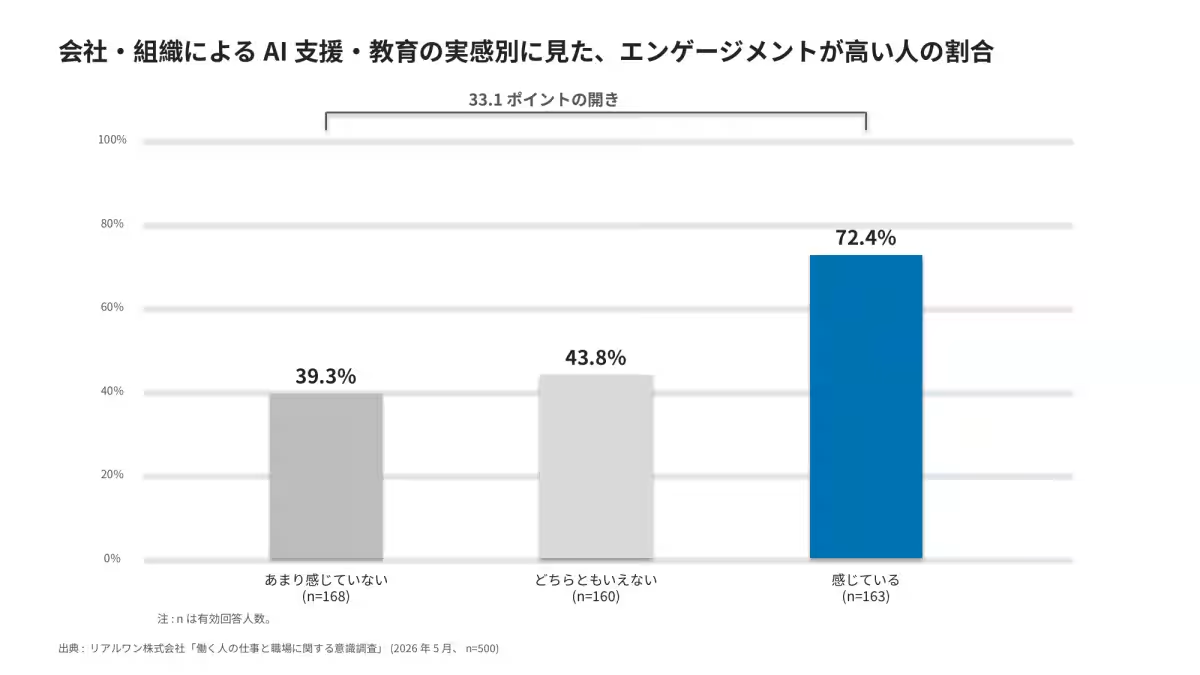
On the other hand, the study highlights that a supportive environment in terms of training and resources contributes to higher employee engagement. Those who felt they received adequate support in using AI reported an engagement level of 72.4%, compared to just 39.3% for those who did not feel this support, marking a notable 33.1-point gap.
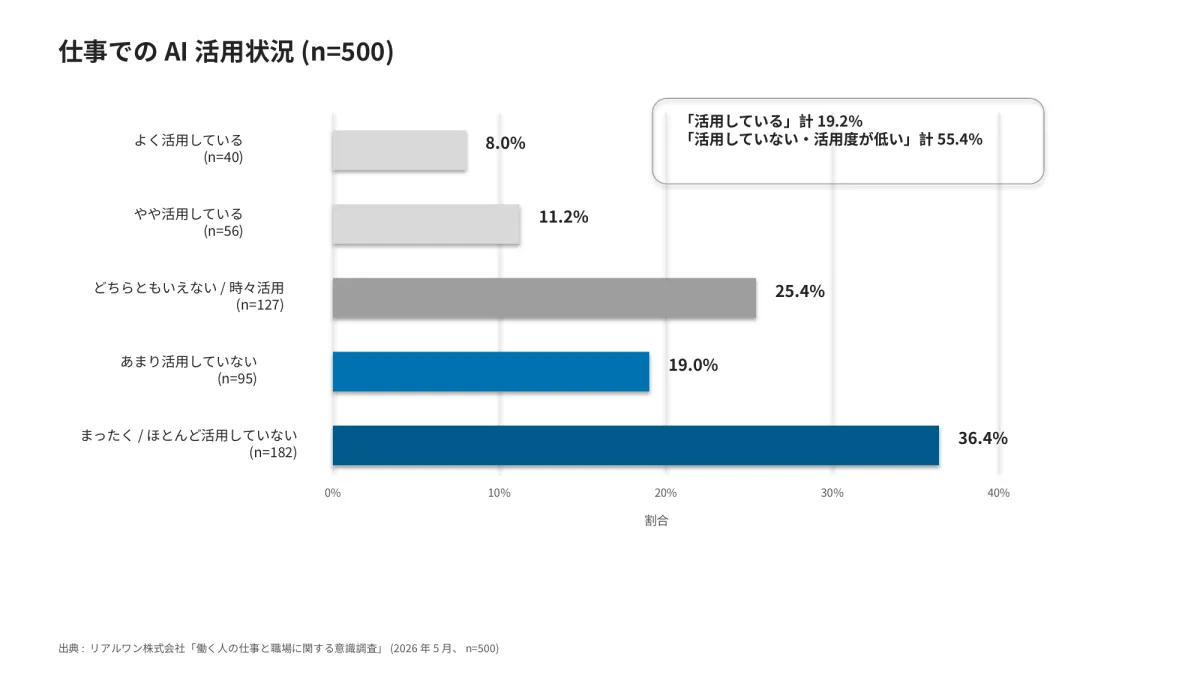
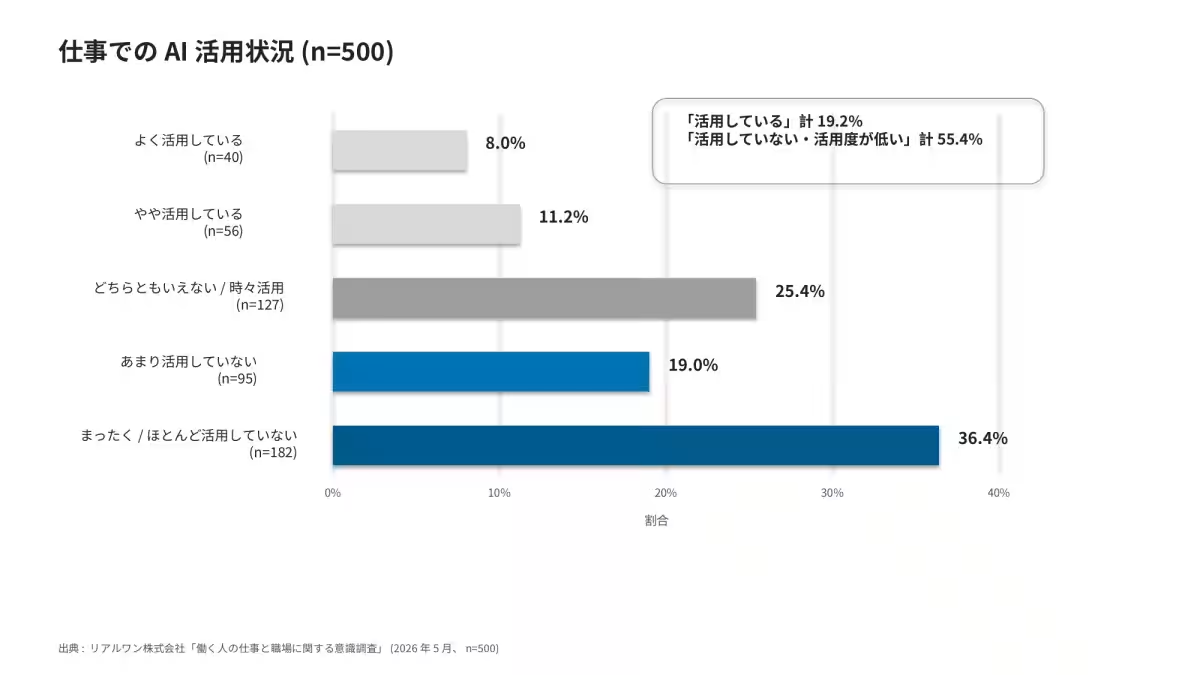
The results also revealed that more than half of the surveyed employees (55.4%) reported minimal AI utilization in their work. Only about 19.2% claimed to be effectively using AI in their tasks, while 25.4% identified as occasional users. This indicates a significant proportion of the workforce is either underutilizing these tools or feels disconnected from them.
Implications of AI Utilization Gap
The findings suggest that merely integrating AI tools into the workplace is not enough. Employees' perception of their ability to harness AI influences their career confidence and overall engagement. If organizations do not actively involve all employees in AI training and education, they risk creating a workforce divided between those who benefit from these technologies and those who feel left behind.
The Importance of Organizational Support
Real One Inc.'s survey emphasizes the need for companies to foster a culture that promotes continuous learning and adaptation to new technologies. As AI becomes more prevalent, organizations must provide training opportunities that empower all employees to leverage these advancements effectively. This support not only aids in bridging the utilization gap but also alleviates career-related fears that may hinder employee morale and productivity.
Encouragingly, organizations that recognize the importance of support in AI utilization see a positive impact on employee engagement. Employees who feel supported in their roles are not only more likely to embrace AI technologies but also exhibit heightened job satisfaction and commitment.
Conclusion
The Real One Inc. survey findings signal a crucial turning point for employers navigating the AI landscape. These insights underscore that addressing the disparities in AI utilization is imperative for fostering a workforce that feels empowered and secure in their careers. As businesses look to the future, creating an equitable environment that supports all employees in adapting to AI will be key to organizational success.
In summary, the integration of AI technology is a double-edged sword that can enhance productivity while simultaneously generating anxiety about job security. Companies need to ensure that they provide the necessary tools and opportunities for all employees to engage with AI effectively.
By doing so, they not only bolster employee confidence and engagement but also cement their competitive edge in an increasingly tech-driven world.
Topics Business Technology)
【About Using Articles】
You can freely use the title and article content by linking to the page where the article is posted.
※ Images cannot be used.
【About Links】
Links are free to use.