



The Latest Survey Reveals User Preferences for Push Notifications in Various Industries
User Preferences for Push Notifications: Insights from Iridge’s Latest Survey
In a rapidly evolving digital landscape, understanding user interactions with mobile applications, particularly push notifications, has never been more crucial. Iridge Co., Ltd., a company based in Minato-ku, Tokyo, with over 300 successful projects aimed at developing OMO (Online Merges with Offline) apps, has conducted a comprehensive survey involving 4,016 participants aged 15 to 69. This analysis not only highlights the differences in user preferences for push notifications across various industries such as finance, retail, and others but also anticipates how businesses can evolve their communication strategies.
Key Findings from the Survey
Rise in Permission for Financial Apps
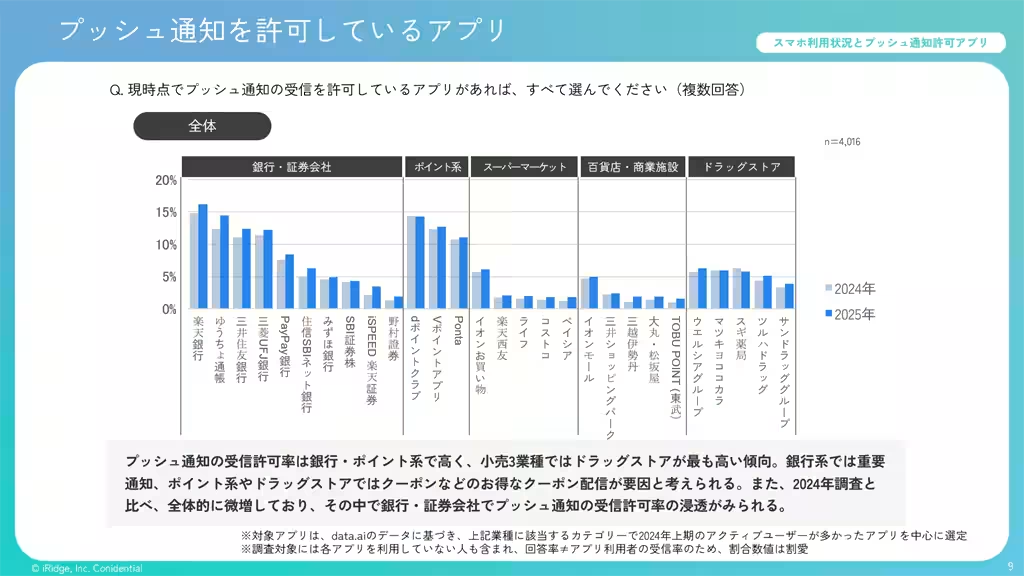
The survey indicates a slight increase in the permission rates for receiving notifications from financial and securities applications. Users express a desire for notifications that provide significant information, such as important alerts and substantial benefits, reflecting a growing trust in digital communication from trusted sources. This trend suggests that businesses operating within these sectors should continue to refine their messaging, focusing on clarity and relevance to cultivate user engagement.
Youth Sentiment Toward Notifications
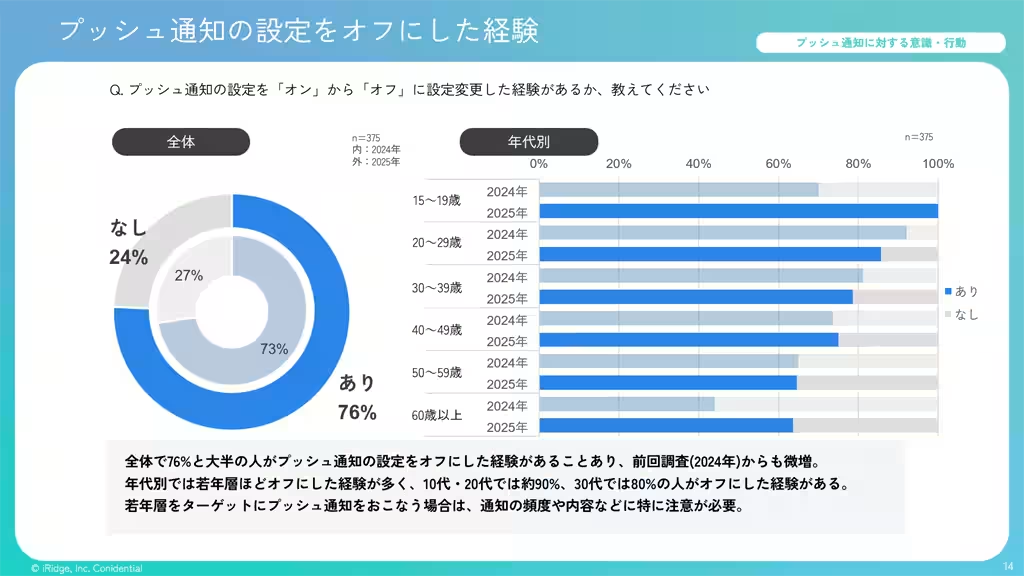
Conversely, the survey highlights a stark contention: approximately 76% of respondents have turned off push notifications at some point. Notably, around 90% of users in their teens and twenties report having muted notifications. This tendency underscores a broader concern among younger audiences about notification frequency, where excessive alerts contribute significantly to user dissatisfaction.
Frequency as a Central Concern
When asked about reasons for disabling notifications, 60% of participants pointed to an overwhelming frequency as their primary issue. The analysis shows that this discomfort varies across sectors; for instance, users of banks or drugstores—with clear, practical benefits—are more tolerant of receiving multiple notifications. In contrast, users of supermarkets and department stores expressed fatigue even with limited notifications, showcasing a critical insight for retail businesses. This discrepancy highlights the necessity for brands to tailor their notification strategies based on the consumer application’s purpose and the audience's expectations.
The Need for Improved Communication
The findings illustrate that apps delivering vital life-enhancing information tend to maintain user engagement through notifications. However, notifications that lack user-relevant content can easily lead to user annoyance and disengagement. This insistence on “less is more” resonates strongly throughout the research; users have become discerning about their digital noise, preferring beneficial notifications over generic marketing messages.
Practical Implications for Businesses
The results from Iridge’s comprehensive study reveal that to enhance user engagement, particularly among younger demographics, businesses must prioritize the relevance and frequency of push notifications. Brands should aim for a balance—ensuring that notifications deliver clear value without overwhelming users. This balances the need for communication with user comfort, thereby preventing potential disengagement.
As Iridge prepares to release a follow-up white paper detailing further industry-specific insights in April 2026, it provides the perfect opportunity for businesses to reflect on their current notification strategies. The trends uncovered in this survey are vital for companies aiming to connect authentically with their user base through effective digital communication. Iridge remains committed to empowering brands through its app business platform, APPBOX, helping them craft optimal customer interaction strategies.
For more insights and to view the full survey results, businesses can access the white paper here.


Topics Consumer Technology)






【About Using Articles】
You can freely use the title and article content by linking to the page where the article is posted.
※ Images cannot be used.
【About Links】
Links are free to use.